Key Takeaways
- Discover the inspiring journey of Ashok Kadam, a farmer from rural Maharashtra who transformed his fortunes through innovative farming techniques and unwavering determination.
- Learn how Ashok leveraged local resources and community support to overcome drought, debt, and skepticism, turning his modest plot into a thriving enterprise.
- Understand the practical lessons in perseverance, resourcefulness, and the power of a positive mindset applicable to anyone facing adversity.
- Gain insights into sustainable agricultural practices that are not only environmentally sound but also economically viable, even in challenging climates.
The Seed of Hope in arid Satara
Imagine a landscape parched by relentless sun, where every drop of water is a precious commodity. This was the reality for Ashok Kadam, a farmer whose family had tilled the soil in a small village near Karad, Satara district, for generations. The year is 2026, and the specter of drought, a recurring nemesis in this region, loomed larger than ever. Ashok’s fields, once his pride, were now a testament to his struggle. Debts mounted, and the whispers of despair began to echo louder than the rustling of dry stalks.
His story isn’t unique in its hardship; millions of Indian farmers grapple with unpredictable monsoons and a changing climate. Yet, Ashok’s response set him apart. Instead of succumbing to the bleak outlook, a quiet resolve began to simmer within him. He remembered his grandfather’s tales of a time when the land was more generous, and a spark ignited – could the old ways, adapted for today, be the key to his salvation? This was the genesis of his transformation, a journey from the brink of surrender to the pinnacle of self-made success.
The immediate challenge was stark: how to cultivate crops that could withstand prolonged dry spells and require minimal water. Traditional farming methods, while rooted in tradition, were no longer sufficient against the increasingly severe climate patterns. Ashok knew he needed a radical shift, one that would require not just hard work but also a willingness to experiment and embrace new ideas, even if they seemed unconventional to his neighbours.
Innovation Takes Root: Drip Irrigation and Diversification
Ashok’s first significant step was to deviate from the conventional. He had heard whispers of drip irrigation, a method that delivered water directly to the plant’s roots, drastically reducing wastage. Initially, his neighbours in the village scoffed. “Why spend money on pipes and fancy machines when the sky will eventually provide?” they asked, their faces etched with the skepticism born of long-held beliefs. But Ashok, driven by a newfound determination, secured a small loan from a local cooperative bank, meticulously researching the best systems available.
He meticulously planned the layout, ensuring each plant received its optimal share of water. This wasn’t just about saving water; it was about optimizing resource utilization. The results were almost immediate and profoundly encouraging. While his neighbours’ fields showed signs of wilting, Ashok’s crops, primarily hardy varieties of jowar and groundnuts, stood greener and healthier. He also began experimenting with intercropping, planting legumes alongside his main crops to improve soil fertility and provide a secondary source of income, a practice that significantly reduced his reliance on a single harvest.
This diversification strategy proved crucial. When the jowar yield was slightly below par due to unforeseen pest issues, the robust groundnut crop more than compensated, providing a much-needed financial cushion. Ashok learned that resilience in farming comes not just from fighting the elements, but from building multiple layers of security into the agricultural process. His neighbours, witnessing the tangible success, began to approach him, their skepticism slowly giving way to curiosity and then to a desire to learn.
Community Spirit: A Collective Rise
Ashok didn’t hoard his newfound knowledge. He understood that his success was amplified by the prosperity of his community. He began organizing informal gatherings under the shade of the old banyan tree in the village square, sharing his experiences, the challenges he faced, and the solutions he found. He explained the intricacies of drip irrigation, demonstrated soil enrichment techniques, and discussed the economics of crop diversification. Initially, only a handful of farmers attended, but the tangible results in Ashok’s fields became the most compelling advertisement.
Soon, more farmers sought his guidance. Ashok, with the help of a few like-minded individuals, formed a small farmers’ collective. They pooled their resources to purchase equipment in bulk, negotiating better prices for seeds, fertilizers, and the essential components for drip irrigation systems. This collective bargaining power not only reduced individual costs but also fostered a sense of shared purpose and mutual support. They began undertaking community projects, like building small check dams to harvest rainwater during the brief monsoon spells, ensuring a more stable water supply for everyone.
One surprising fact emerged from their collective efforts: by adopting water-efficient methods, the village as a whole managed to increase its agricultural output by nearly 30% in just two seasons, despite a below-average monsoon. This collective rise not only improved their financial standing but also revived a sense of pride and optimism that had been eroded by years of hardship. The village, once known for its struggles, was now becoming a beacon of agricultural innovation in the region.
Beyond the Fields: Empowering the Next Generation
Ashok’s vision extended beyond immediate agricultural gains. He recognized that for sustainable success, the next generation needed to be equipped with modern knowledge and a forward-thinking mindset. He actively encouraged the young people in the village to pursue education, particularly in fields related to agriculture, technology, and business management. He collaborated with local schools to introduce practical farming modules and organized field trips to agricultural research centers.
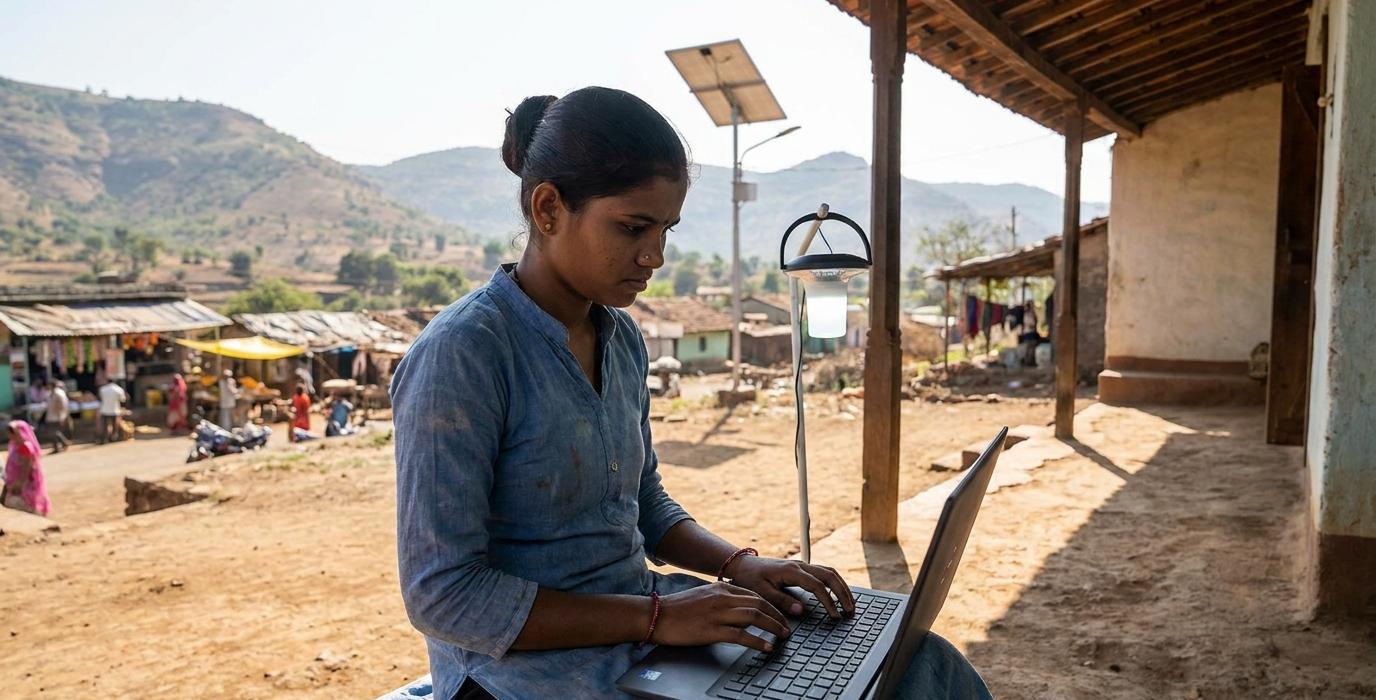
He even facilitated the establishment of a small digital literacy center in the village, powered by solar energy. Here, young farmers could access online resources, learn about market trends, and connect with agricultural experts through video conferencing. This was a significant leap, considering the village’s previous isolation. The ability to access real-time market prices for their produce, and to understand global demand, allowed them to make much more informed decisions about what to grow and when to sell.
A particularly impactful initiative was the mentorship program he initiated. Ashok and other successful farmers in the collective took younger individuals under their wing, guiding them through every aspect of farming, from soil preparation to marketing. This hands-on approach ensured that the traditional wisdom was blended with contemporary practices, creating a generation of farmers who were both deeply rooted and globally aware. The aim was not just to cultivate crops, but to cultivate capable entrepreneurs. This proactive approach ensured the long-term viability and growth of their agricultural endeavors.
The Resilience of the Human Spirit
Ashok Kadam’s journey is a powerful testament to the resilience of the human spirit. When faced with overwhelming challenges – drought, debt, and the skepticism of his peers – he didn’t falter. Instead, he drew strength from his roots, adapted modern solutions, and uplifted his community in the process. His story is a narrative of turning adversity into opportunity, a theme that resonates deeply across India and indeed, the world.
He embodies the spirit of ‘Aatmanirbhar Bharat’ (self-reliant India) not just in his personal achievements, but in his commitment to empowering others. His willingness to share his knowledge and resources, and to foster a collaborative spirit, transformed not just his farm but the entire village. The lessons learned from his fields – perseverance, innovation, community – are universally applicable to anyone striving to overcome obstacles and achieve their dreams. His success underscores the fact that true prosperity is often found not in isolation, but in shared progress and collective empowerment.
His farm in Satara, once a symbol of struggle, is now a vibrant hub of innovation and productivity. It stands as a living monument to what can be achieved with grit, intelligence, and a heart that beats in rhythm with the community. Ashok’s story is a reminder that even in the harshest conditions, hope can blossom, and dreams can be cultivated, one determined step at a time.
A Blueprint for Future Farmers
Ashok’s methods have become a blueprint for aspiring farmers in the region and beyond. His emphasis on water conservation through drip irrigation is now a standard practice, significantly reducing the strain on local water resources, especially critical in areas prone to water scarcity. The diversification strategy, incorporating high-value crops and legumes, has proven to be a robust model for mitigating risks associated with single-crop farming and fluctuating market prices.
The success of the farmers’ collective has inspired similar formations in neighboring villages. These groups are not only sharing best practices in farming but are also collaboratively exploring new avenues for value addition, such as processing local produce into jams, pickles, and dried goods, thereby capturing a larger share of the profit margin. This move towards integrated agricultural enterprise is a significant evolution from traditional farming.
Furthermore, Ashok’s proactive engagement with technology, from solar power for digital centers to online market access, highlights the crucial role of digital literacy in modern agriculture. This integration of technology ensures that farmers remain competitive and informed in an increasingly globalized marketplace. The story serves as a powerful example of how embracing innovation, fostering community, and empowering the youth can create a sustainable and prosperous future for agriculture, even in the face of significant environmental and economic challenges.
Frequently Asked Questions
What are the key challenges faced by farmers in Ashok Kadam’s region?
Farmers in the Satara region, like Ashok Kadam’s village, typically face challenges such as erratic rainfall, prolonged drought periods, mounting debt, and lack of access to modern farming technologies. The unpredictable climate patterns make traditional farming methods increasingly unreliable, leading to crop failures and financial instability.
How did Ashok Kadam overcome drought conditions?
Ashok Kadam overcame drought by adopting water-efficient drip irrigation systems and diversifying his crops. He also focused on intercropping to improve soil health and embraced community efforts to build small check dams for rainwater harvesting, ensuring a more consistent water supply for his farm and the village.
What role did community play in Ashok Kadam’s success?
Community played a crucial role through the formation of a farmers’ collective. This enabled them to pool resources for bulk purchasing, negotiate better prices, share knowledge, and undertake community projects like water conservation structures. Ashok’s willingness to share his expertise fostered a spirit of mutual support and collective progress.
What are the surprising facts about Ashok Kadam’s story?
Two surprising facts are that the village collectively increased its agricultural output by nearly 30% in just two seasons despite a below-average monsoon due to water-efficient methods, and that the village established a solar-powered digital literacy center to empower young farmers with modern knowledge and market access.