Key Takeaways
- The adoption of mental wellness apps is surging across India’s metropolitan centres, driven by increasing awareness and accessibility.
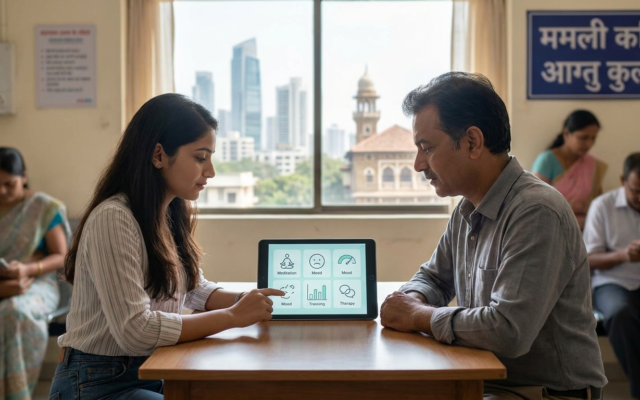
- These digital tools offer a diverse range of features, from guided meditations and mood tracking to AI-powered therapy and community support, catering to varied needs.
- While offering significant benefits, users should approach these apps with realistic expectations, understanding their role as supplementary tools rather than complete replacements for professional care.
- Navigating the market requires careful consideration of features, privacy policies, and the scientific backing of the app’s methodologies to ensure a valuable and safe experience.
The Digital Haven: Mental Wellness Apps Bloom in Indian Metros
The frenetic pace of life in India’s bustling cities, from the historic lanes of Kolkata to the tech hubs of Bengaluru, often leaves residents feeling overwhelmed. In this landscape, a quiet revolution is unfolding: the widespread adoption of mental wellness apps. Gone are the days when seeking mental health support was shrouded in stigma; today, millions are turning to their smartphones for solace, guidance, and self-improvement. This digital shift is not just a trend; it’s a testament to growing awareness and the pressing need for accessible mental health resources.
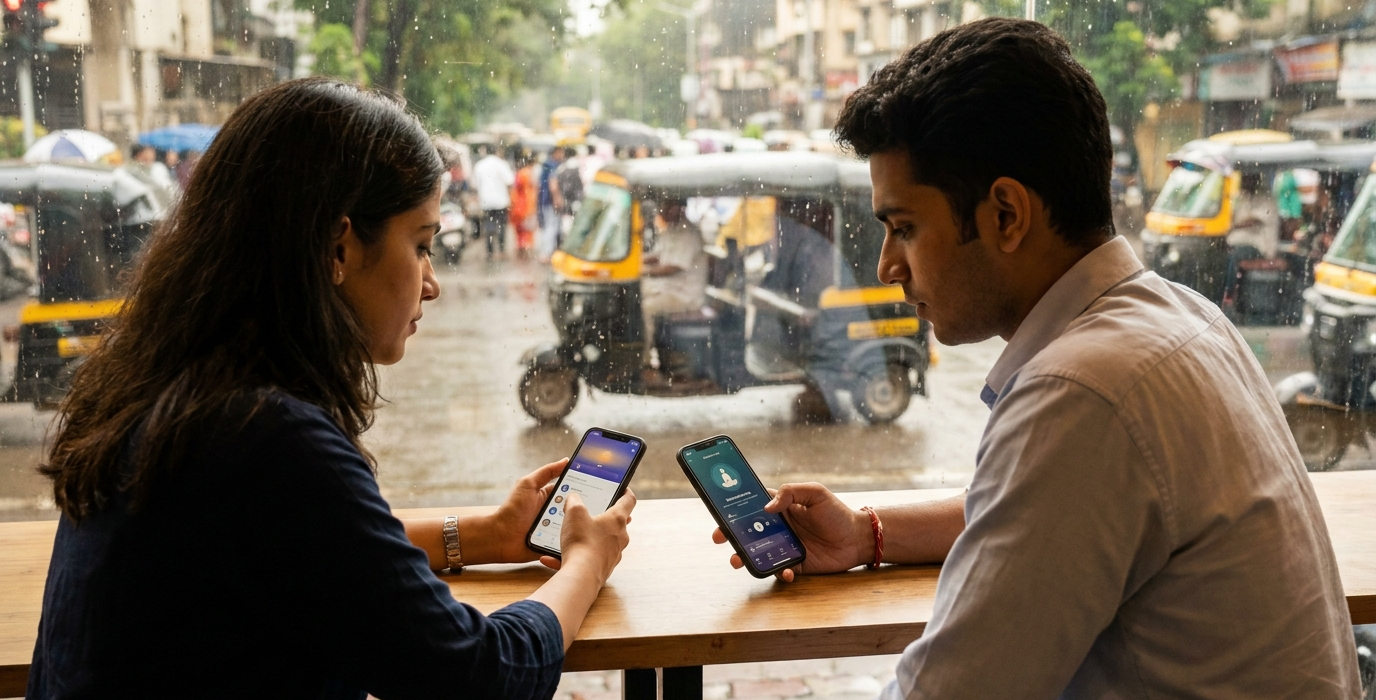
These applications have become digital sanctuaries, offering a discreet and convenient way to manage stress, anxiety, and the everyday pressures of modern living. Whether you’re navigating the crowded local trains in Mumbai or the demanding work culture in Gurgaon, a few taps on your screen can unlock a world of support. The accessibility is unparalleled, fitting into the pockets and schedules of busy urban dwellers. It’s a fundamental change in how we approach well-being, making mental health a more integrated part of daily life for many.
A Spectrum of Support: Features Tailored for Indian Users
The mental wellness app market in India is remarkably diverse, reflecting the varied needs of its users. You’ll find apps offering everything from simple mindfulness exercises and sleep stories to more sophisticated mood journaling and cognitive behavioural therapy (CBT) modules. Many are now incorporating regional languages and culturally relevant content, making them feel more personal and effective for a wider audience. For instance, an app might offer guided meditations with calming Sanskrit chants or stress-relief techniques inspired by ancient yogic practices.
One particularly innovative feature gaining traction is AI-powered chatbots designed to offer immediate, non-judgmental support. These bots can engage users in conversations, provide coping strategies, and even help identify patterns in mood swings. For those who find direct human interaction challenging, this offers a crucial stepping stone. We’re also seeing a rise in community-based features, where users can connect with others facing similar challenges, fostering a sense of belonging and shared experience. This peer support is invaluable, especially in cities where individuals might feel isolated despite being surrounded by millions.
A surprising fact we uncovered is that some apps are now integrating gamification elements to encourage consistent engagement. Think of earning points for completing a daily meditation session or unlocking new content as you progress through a stress-management program. This makes the journey towards better mental health feel less like a chore and more like an engaging pursuit. The goal is to make self-care habitual, not a sporadic event.
Navigating the Digital Landscape: Choosing the Right App for You
With so many options available, selecting the right mental wellness app can feel daunting. It’s crucial to approach this decision with a clear understanding of your own needs and goals. Are you looking for help with sleep, managing anxiety, improving focus, or simply building a daily mindfulness habit? Your primary objective will guide you towards the most suitable features. For example, if sleep is your main concern, look for apps with dedicated sleep stories, white noise generators, or guided sleep meditations.
Beyond features, consider the app’s approach and the science behind it. Many reputable apps cite their research or the therapeutic modalities they employ. Look for terms like “evidence-based,” “CBT-informed,” or “mindfulness-based.” It’s also wise to check the app’s privacy policy, especially if you plan to share personal information. Understanding how your data is used and protected is paramount. We’ve seen instances where users are hesitant due to privacy concerns, and it’s a valid point of caution.
Cost is another factor. While many apps offer free basic versions, premium subscriptions unlock a wider array of content and features. Carefully evaluate whether the subscription cost aligns with the value you expect to receive. Some apps offer free trials, which are excellent opportunities to test the waters before committing. Don’t be afraid to experiment with a few different options to find the one that resonates best with your personal style and needs.
The Science Behind the Screen: Efficacy and Limitations
The effectiveness of mental wellness apps is a topic of ongoing research, but a growing body of evidence suggests they can be valuable tools. Studies have shown that regular use of mindfulness and meditation apps can lead to significant reductions in stress and anxiety levels. For instance, apps that guide users through progressive muscle relaxation or deep breathing exercises can provide immediate relief during moments of acute stress. The structured nature of these programs can also help individuals build resilience over time.
However, it’s crucial to set realistic expectations. These apps are generally considered supplementary tools, not replacements for professional therapy or psychiatric care. They are best suited for individuals dealing with mild to moderate stress, anxiety, or low mood. If you are experiencing severe mental health issues, such as major depression, suicidal thoughts, or psychosis, seeking help from a qualified mental health professional is essential. These apps cannot provide the personalized diagnosis and treatment that a human therapist can offer.
A surprising finding in our research is the varying degree of clinical validation across different apps. While some collaborate with leading universities and mental health experts, others may rely on less rigorous methodologies. It’s important for users to be discerning and look for apps that demonstrate a commitment to scientific integrity. The goal is to leverage technology effectively, ensuring it complements, rather than compromises, your mental well-being journey.
Beyond Meditation: Diverse Applications for Holistic Well-being
While meditation and mindfulness are often the cornerstones of mental wellness apps, the scope has expanded considerably. Today, you can find applications that focus on sleep hygiene, offering personalized sleep schedules and advice based on your habits. Others provide tools for managing chronic pain, guiding users through gentle exercises and pain management techniques. For students preparing for competitive exams like the UPSC civil services examination, there are apps offering focus-enhancing soundscapes and time-management tools.
Even areas like emotional intelligence and relationship building are being addressed digitally. Some apps offer exercises to improve communication skills, empathy, and conflict resolution. For those living far from family, apps can provide guided journaling prompts that help process feelings and maintain emotional connections. The integration of these diverse functionalities underscores a growing understanding that mental wellness is holistic, encompassing emotional, cognitive, and even social aspects of our lives.
We’re also seeing apps that cater to specific life stages or challenges. For new parents, there are applications offering support for postpartum depression and the stresses of childcare. For individuals dealing with grief, specialized apps provide resources and comforting narratives. The ability of these digital platforms to segment and address niche needs is a powerful indicator of their potential to reach and help a vast array of people across India and beyond.
The Future of Digital Mental Health in India: Accessibility and Innovation
The trajectory of mental wellness apps in India points towards greater accessibility and innovation. As smartphone penetration continues to rise, even in Tier 2 and Tier 3 cities, these digital tools are poised to reach a much broader demographic. The government’s increasing focus on digital health initiatives also bodes well for the future, potentially leading to more integrated and affordable mental health solutions.
We can anticipate further advancements in personalized content delivery, with AI becoming even more sophisticated in tailoring recommendations and interventions to individual users. Imagine an app that not only tracks your mood but also analyzes your daily schedule and offers specific micro-interventions to combat predicted stress points. The integration of wearable technology, such as smartwatches, could also provide richer data for personalized insights and more proactive mental health support.
The democratization of mental health support through accessible digital platforms is perhaps the most profound impact these apps are having.
The evolving landscape also includes a growing emphasis on preventative care. Instead of waiting for issues to arise, these apps aim to build mental resilience and coping mechanisms proactively. This shift from reactive treatment to proactive well-being is a critical step towards fostering a mentally healthier society. The journey is far from over, but the digital tools we have today are powerful allies in this pursuit.
Frequently Asked Questions
Are mental wellness apps effective for serious mental health conditions?
For serious conditions like severe depression, anxiety disorders, or psychosis, mental wellness apps are generally not sufficient as standalone treatments. They are best viewed as supplementary tools to support professional therapy, medication, or other prescribed treatments. If you are experiencing severe symptoms, please consult a qualified mental health professional immediately.
How do I ensure the mental wellness app I choose is safe and respects my privacy?
To ensure safety and privacy, carefully read the app’s privacy policy before downloading and using it. Look for apps with strong encryption and clear data usage guidelines. Reputable apps will be transparent about how they collect, store, and use your personal information. You can also search for reviews that specifically address privacy concerns.
What are the costs associated with mental wellness apps?
Many mental wellness apps offer a freemium model, meaning they have a basic version with limited features available for free. To access premium content, advanced features, or personalized coaching, you typically need to subscribe, with costs varying widely. Monthly or annual subscription plans are common. Always check for free trials to test an app before committing to a paid subscription.
Can I use mental wellness apps if I don’t speak English fluently?
Yes, many mental wellness apps are increasingly offering support in multiple Indian languages, including Hindi, Tamil, Bengali, and Marathi. This is a growing trend aimed at making these resources more accessible to a wider audience. When selecting an app, check its language options to ensure it supports your preferred language.