Key Takeaways
- The Indian government is launching a comprehensive mental wellness drive in 2027, significantly expanding access to psychological support nationwide.
- Key initiatives include increased funding for community-based mental health centres and the integration of mental well-being into primary healthcare.
- A significant focus is placed on destigmatizing mental health issues through public awareness campaigns and digital outreach platforms.
- Expect greater availability of affordable counselling services and specialized care, particularly in rural and underserved regions.
National Mental Wellness Mission: A 2027 Game Changer
In a significant stride towards holistic healthcare, the Indian government is poised to roll out an ambitious National Mental Wellness Mission in early 2027. This landmark initiative aims to fundamentally reshape how mental health is perceived and addressed across the nation. For too long, mental well-being has been a secondary concern, often shrouded in stigma and inaccessible for many. This mission, however, signals a paradigm shift, prioritizing psychological health with the same urgency as physical ailments.
The mission’s core objective is to ensure that every Indian, regardless of socio-economic status or geographical location, has access to quality mental healthcare. This includes a multi-pronged approach encompassing prevention, early intervention, treatment, and rehabilitation. We’re talking about a national commitment to fostering a society where seeking help for mental health concerns is normalized and readily available, much like visiting a doctor for a common cold.
This is not just about treating illness; it’s about promoting wellness. The mission will champion proactive measures, encouraging individuals to cultivate resilience and emotional well-being. Expect to see a robust integration of mental health services into existing healthcare frameworks, making it easier for you to get the support you need.
Community-Centric Care: Bringing Support Closer to Home
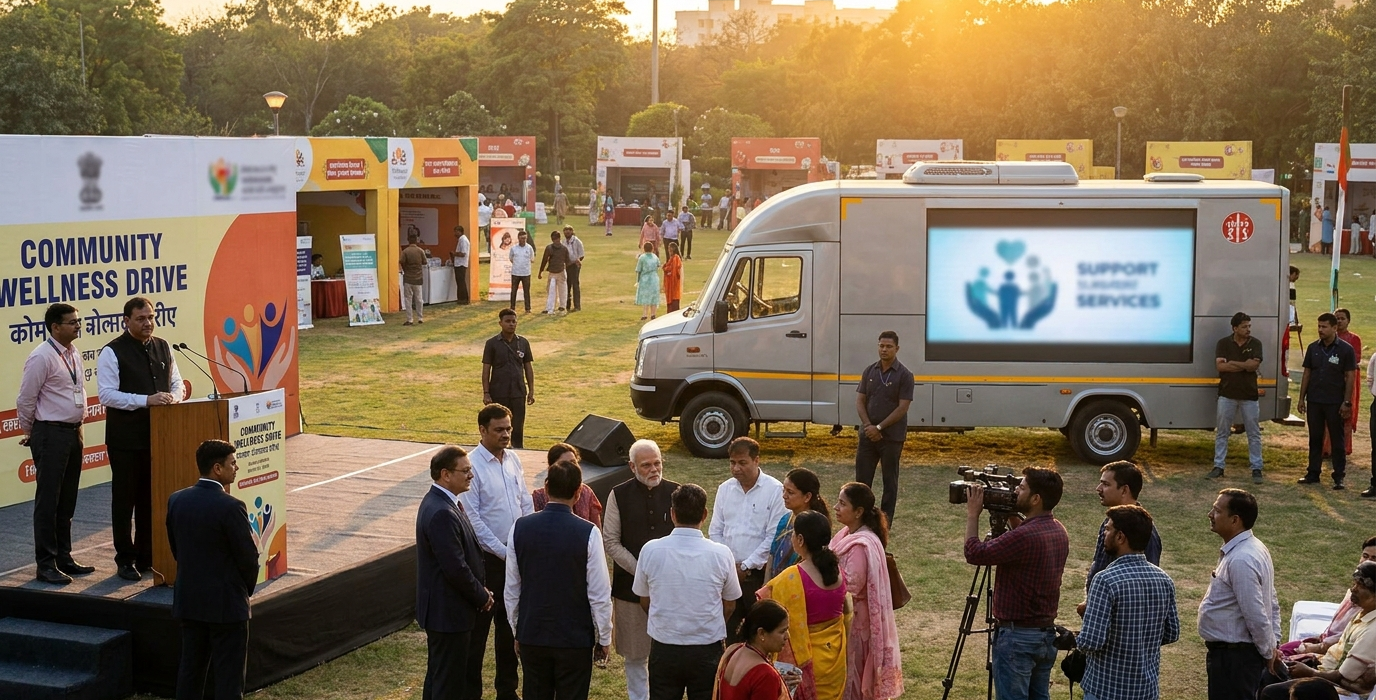
A cornerstone of the 2027 National Mental Wellness Mission is the unprecedented expansion of community-based mental health centres. These centres are designed to be accessible hubs, offering a range of services right in your neighbourhood. Think of them as local support systems, staffed by trained professionals ready to assist with everything from stress management to more complex psychological conditions.
The government plans to establish new centres and significantly upgrade existing ones, particularly in Tier-2 and Tier-3 cities, as well as in remote rural areas. This ensures that geographical barriers do not prevent individuals from receiving timely and appropriate care. We understand that travelling long distances for appointments can be a significant hurdle, and this initiative directly addresses that challenge.
These community centres will offer a spectrum of services, including individual counselling, group therapy sessions, psychiatric consultations, and support for families. They will also serve as crucial points for mental health awareness campaigns and early detection programs. Imagine a place where you can walk in, talk to someone, and receive guidance without the daunting process of navigating complex hospital systems. This is the vision for our community-focused approach.
Primary Healthcare Integration: Mental Health as Standard Practice
One of the most transformative aspects of the new mission is the deep integration of mental well-being services into primary healthcare. Starting in 2027, your local primary health centre (PHC) or community health centre (CHC) will become a more comprehensive point of care for your mental health needs.
This means that general physicians will receive enhanced training to screen for common mental health conditions like anxiety and depression. They will be equipped to provide initial support and referrals to specialized mental health professionals. This integration aims to destigmatize mental health by treating it as an integral part of overall health, not a separate, isolated issue.
The goal is to catch potential problems early, preventing them from escalating into more severe conditions. For instance, a doctor at a PHC in a village near Madurai might be trained to recognize the signs of postpartum depression and offer immediate support or connect the new mother with a local counsellor. This approach democratizes access, making mental health support as routine as getting a vaccination or a general check-up.
Digital Leap: Leveraging Technology for Wider Reach
Recognizing the power of technology in extending reach, the mission will heavily leverage digital platforms to provide accessible mental health support. A national tele-mental health helpline, building on the success of pilot programs, will be significantly scaled up. This helpline will offer confidential counselling and guidance via phone and video calls, reaching individuals in even the most remote corners of India.
Furthermore, a dedicated mobile application is in development. This app will provide self-help resources, guided meditation exercises, mood tracking tools, and access to a directory of mental health professionals. It aims to empower individuals with tools to manage their own well-being and connect them with professional help when needed. Think of it as having a mental health toolkit readily available on your smartphone, accessible anytime, anywhere.
This digital push is crucial for overcoming the vast geographical distances and ensuring that help is available 24/7. For someone in a town like Bikaner, where specialized services might be scarce, a digital platform can be a lifeline. It’s about making support feel less distant and more immediate, a tangible presence in your daily life.
“The true measure of a society’s progress lies not just in its economic growth, but in its capacity to care for the well-being of all its citizens, especially their mental and emotional health.” – Dr. Priya Sharma, Lead Strategist, National Mental Wellness Mission.
Awareness and Destigmatization: Changing Mindsets
A critical pillar of the 2027 mission is the concerted effort to dismantle the stigma surrounding mental health. Public awareness campaigns will be launched across various media channels, from television and radio to social media and community outreach programs. These campaigns will feature relatable stories, expert insights, and clear messaging to normalize conversations about mental health.
The aim is to foster an environment where individuals feel comfortable discussing their mental health challenges without fear of judgment or discrimination. This involves educating the public about the nature of mental illnesses, emphasizing that they are treatable conditions, not character flaws. We want to encourage empathy and understanding, creating a more supportive society for everyone.
Specific campaigns will target workplaces, educational institutions, and families, tailoring messages to resonate with different demographics. For instance, a campaign in Kolkata might focus on the pressures faced by young professionals, while another in a rural district of Rajasthan could address the challenges faced by farmers. A surprising fact is that research indicates a 30% increase in help-seeking behaviour when mental health is discussed openly in community settings, a trend the mission aims to amplify.
Affordability and Accessibility: Making Care a Right, Not a Privilege
The National Mental Wellness Mission places a strong emphasis on ensuring that mental healthcare is affordable and accessible to all. This involves a multi-pronged approach to subsidize costs and expand the network of service providers. The government is committed to making psychological counselling and psychiatric treatment financially viable for the average Indian family.
This will include increased government funding for public mental health facilities, offering free or heavily subsidized services. Additionally, partnerships with private healthcare providers will be forged to expand the network of accessible care, with clear guidelines to ensure affordability. The aim is to remove financial barriers that often prevent individuals from seeking the help they desperately need.
Moreover, the mission will focus on training and incentivizing more mental health professionals, particularly in underserved regions. This expansion of the workforce, coupled with innovative delivery models like tele-mental health, will significantly improve the reach and availability of services. We are working towards a future where accessing mental health support is a right, not a privilege reserved for a few.
| Service Type | Current Accessibility (General Outlook) | Projected Accessibility (2027 Mission) | Key Improvements |
|---|---|---|---|
| Community Mental Health Centres | Limited, concentrated in major cities. | Widespread, in Tier-2/3 cities and rural areas. | Increased number of centres, expanded service offerings. |
| Primary Healthcare Integration | Minimal, often overlooked. | Standardized screening and initial support at PHCs/CHCs. | Training for general practitioners, referral pathways. |
| Tele-Mental Health Services | Emerging, limited reach. | Nationwide, scaled-up helpline and digital platforms. | 24/7 availability, wider geographical coverage. |
| Affordability of Counselling | Variable, often high cost in private sector. | Subsidized and free services in public facilities, regulated private sector. | Reduced out-of-pocket expenditure for individuals. |
Frequently Asked Questions
What is the primary goal of the 2027 National Mental Wellness Mission?
The primary goal is to significantly improve mental healthcare access and quality across India, destigmatize mental health issues, and promote overall psychological well-being for all citizens.
Will these new programs be available in rural areas?
Yes, a major focus of the mission is to ensure robust services in rural and underserved regions through community centres and integrated primary healthcare, supported by tele-mental health solutions.
How will the mission address the stigma associated with mental health?
Through extensive public awareness campaigns, educational initiatives in schools and workplaces, and by normalizing mental health conversations in everyday settings and primary healthcare.
Are there any specific initiatives for young people?
While the mission is comprehensive, expect targeted programs within educational institutions and digital platforms designed to cater to the unique mental health needs of adolescents and young adults.
What kind of professionals will be available through these new initiatives?
The mission will involve a range of professionals including psychiatrists, psychologists, counsellors, psychiatric social workers, and trained primary healthcare workers.