Key Takeaways
- Bengaluru’s mental wellness landscape is evolving rapidly in 2026, with a greater emphasis on accessible, tech-integrated solutions and community-driven support.
- Beyond traditional therapy, explore innovative approaches like digital mindfulness apps, art therapy workshops in Cubbon Park, and peer support networks facilitated by NGOs like Sangath.
- Understanding the nuances of Indian cultural contexts is crucial; services are increasingly tailored to address specific stressors faced by urban professionals and students.
- Proactive self-care is key; integrating small, consistent practices into your daily routine can significantly bolster resilience against modern life’s pressures.
The Evolving Mental Wellness Scene in Bengaluru, 2026
Bengaluru, India’s bustling Silicon Valley, is a city synonymous with innovation and rapid growth. Yet, this dynamism often comes with its own set of pressures, making mental well-being a growing concern for its residents. As we navigate 2026, the city’s approach to mental health is shifting from a reactive model to a proactive, integrated one. We’re seeing a surge in accessible, tech-driven solutions coupled with a renewed appreciation for community and traditional wellness practices.
Gone are the days when seeking help for mental health was stigmatised or limited to a few select clinics. Today, a diverse range of resources is available, catering to varied needs and preferences. Whether you’re a busy tech professional grappling with burnout, a student facing academic stress, or simply someone looking to enhance their daily well-being, Bengaluru has something to offer. This guide will help you navigate these evolving options and discover how you can prioritise your mental health effectively in this vibrant metropolis.
Our journey into Bengaluru’s 2026 wellness landscape reveals a fascinating blend of cutting-edge technology and time-tested wisdom. We’ll explore how digital platforms are democratising access to mental health support, while also highlighting the enduring importance of human connection and community initiatives. Understanding these trends is the first step towards building a more resilient and fulfilling life amidst the city’s constant hum.
Digital Frontiers: Apps and Online Platforms
The digital revolution has profoundly impacted mental health services in Bengaluru. In 2026, a plethora of apps and online platforms offer convenient and discreet ways to manage your mental well-being. These tools are designed to be accessible anytime, anywhere, fitting seamlessly into our busy schedules. Many integrate features like guided meditations, mood tracking, journaling prompts, and even AI-powered chatbots for immediate support.
Consider apps like “Mindful Bengaluru,” a locally developed platform that offers guided sessions in English, Hindi, and Kannada, often featuring soundscapes inspired by the city’s iconic locations, like the gentle rustling of leaves in Lal Bagh. You can find curated playlists for stress relief, improved sleep, and focus enhancement. The affordability and ease of use make these digital tools a popular choice for many, especially younger demographics and those who prefer a private approach to self-care.
Beyond individual apps, online therapy platforms are gaining significant traction. Services such as Practo, Lybrate, and newer entrants like “CalmConnect India” connect you with licensed therapists and counsellors for virtual sessions. This bypasses geographical limitations and often reduces waiting times. You can often filter therapists based on specialisation, language, and even cultural background, ensuring a more personalised and effective therapeutic experience. The data privacy protocols are also becoming increasingly robust, offering a secure space for your therapeutic journey.
Community and Connection: The Power of Shared Experience
While digital solutions are empowering, the innate human need for connection remains paramount. In 2026, community-based initiatives and support groups are flourishing across Bengaluru, offering invaluable spaces for shared experience and mutual understanding. These groups often tackle specific challenges, creating a sense of belonging and reducing feelings of isolation.
Organisations like Sangath, with its presence in and around Bengaluru, are at the forefront of this movement. They facilitate peer support groups for individuals dealing with depression, anxiety, and even grief. These gatherings are often held in accessible community centres or public parks, making them less intimidating than clinical settings. The power of hearing from someone who has walked a similar path can be incredibly validating and empowering.
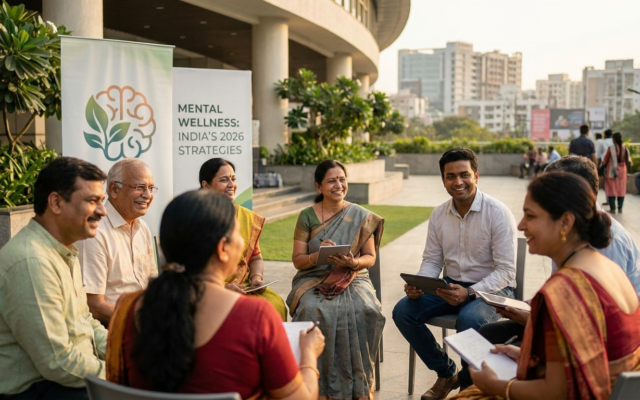
Beyond formal support groups, informal networks are also vital. Look for mindfulness meetups in spaces like Cubbon Park or discussions organised by local libraries. These provide opportunities to connect with like-minded individuals, share coping strategies, and simply enjoy a moment of calm together. The serendipitous encounters and shared vulnerability in these settings can foster deep bonds and offer a crucial safety net during challenging times. One surprising fact is that many of these community-led initiatives have seen a significant increase in participation since 2024, driven by a growing societal acceptance of discussing mental health openly.
Integrating Art and Movement: Creative Therapies
Bengaluru’s vibrant cultural scene is increasingly being harnessed for mental wellness. Creative therapies, which use art, music, dance, and drama as therapeutic tools, are gaining widespread recognition and accessibility. These methods offer alternative avenues for emotional expression and processing, often reaching individuals who find traditional talk therapy challenging.
Art therapy workshops are becoming a regular fixture in art galleries and community studios across the city. Imagine participating in a “Mandala Making for Mindfulness” session at the National Gallery of Modern Art or a “Therapeutic Pottery” class in Whitefield. These activities encourage you to focus on the process rather than the outcome, allowing for a mindful engagement that can reduce stress and anxiety. The tactile nature of working with clay or the vibrant colours of paint can be incredibly grounding.
Similarly, dance and movement therapies are offering liberating ways to connect with your body and emotions. Studios are offering “Ecstatic Dance” sessions designed for free expression and “Somatic Movement” classes that focus on body awareness and stress release. For those who prefer a more structured approach, yoga and tai chi remain popular, with numerous studios across Indiranagar and Koramangala offering specialized classes for mental well-being, often incorporating breathwork and meditation techniques deeply rooted in Indian traditions. These practices can help release pent-up tension and promote a sense of calm and control.
Navigating the Landscape: Your Personalised Approach
With such a diverse array of options, the key to effective mental wellness in 2026 lies in personalising your approach. What works for one person may not work for another, and your needs can change over time. It’s about finding the right blend of support, self-care practices, and professional help that resonates with you.
Start by assessing your current needs. Are you experiencing acute stress, or are you looking for general well-being enhancement? Do you prefer solitary activities or group settings? Understanding these preferences will guide your choices. Don’t be afraid to experiment. Try a few different mindfulness apps, attend an introductory art therapy workshop, or join a local walking group. The goal is to discover what brings you a sense of peace and balance.
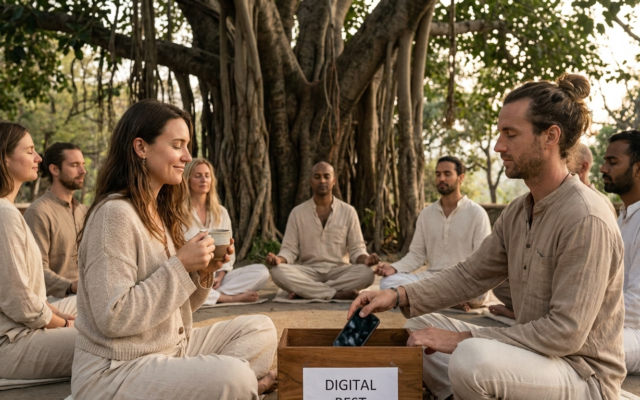
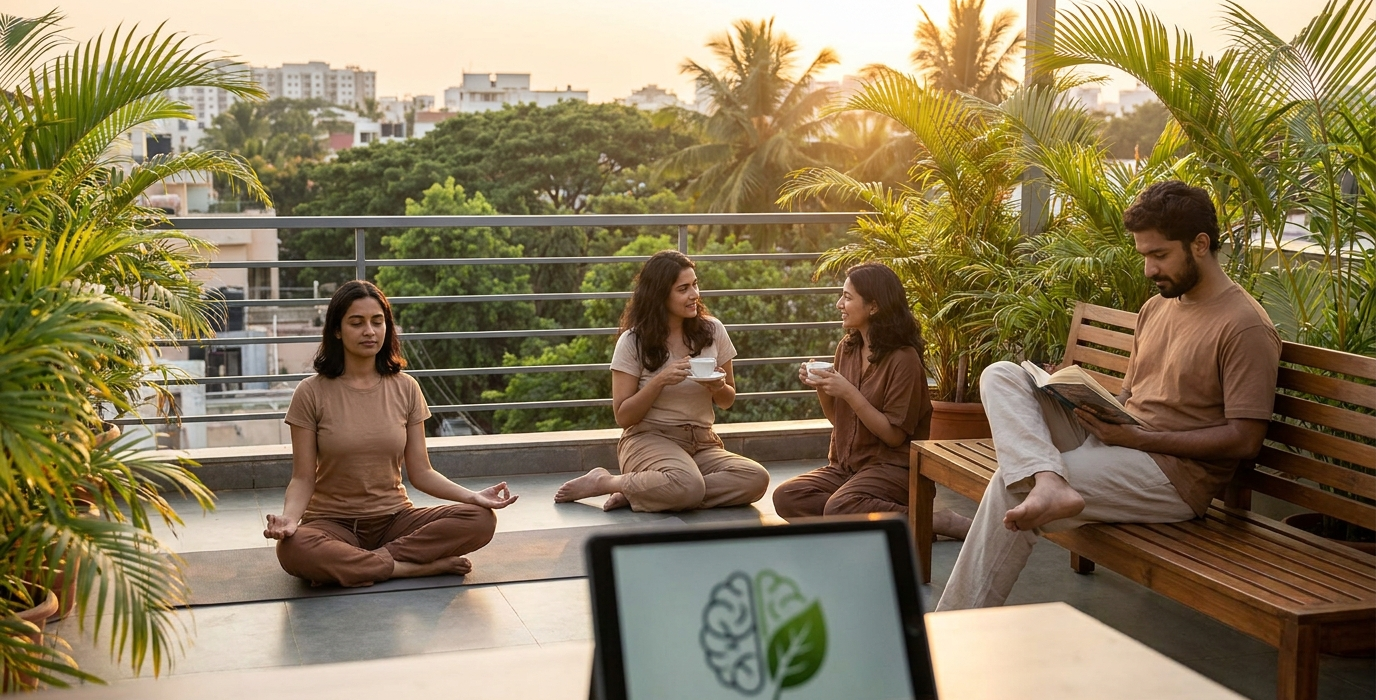
Consider integrating small, consistent practices into your daily routine. This could be a 10-minute meditation each morning, a short journaling session before bed, or a mindful walk during your lunch break in a green space like the Bengaluru Public Park. These micro-habits, when practised regularly, can build significant resilience over time. A surprising fact is that many individuals in Bengaluru are now scheduling “digital detox” hours into their week, consciously stepping away from screens to engage in offline activities, a trend that has seen a notable uptick in the last year.
| Service Type | Description | Typical Price Range (2026) | Accessibility |
|---|---|---|---|
| Therapy Apps (AI Chatbots/Tools) | Self-guided exercises, mood tracking, basic CBT exercises. | Free to ₹500/month (premium features) | High – Available globally, accessible on smartphones. |
| Online Therapy Platforms | Video/chat sessions with licensed therapists. | ₹1,500 – ₹4,000 per session | High – Requires internet access and a private space. |
| In-Person Therapy | Face-to-face sessions with psychologists/counselors. | ₹1,000 – ₹3,000 per session | Moderate – Depends on location and therapist availability. |
| Mindfulness/Meditation Apps | Guided meditations, sleep stories, breathing exercises. | Free to ₹700/month (premium subscriptions) | High – Accessible on smartphones. |
| Community Support Groups | Peer-led or facilitated group meetings. | Often free or nominal fee for venue/materials | Moderate – Location-dependent, requires physical presence. |
| Art/Movement Workshops | Structured sessions for creative expression and stress relief. | ₹800 – ₹2,500 per workshop | Moderate – Requires booking, location-dependent. |
“The most profound shift we’re witnessing in Bengaluru’s mental wellness ecosystem is the decentralisation of care. It’s moving beyond the clinic and into our daily lives, empowered by technology and community spirit.”
Frequently Asked Questions
What are the most popular mental health apps in Bengaluru for 2026?
Popular choices include Headspace and Calm for general mindfulness, and locally developed apps like “Mindful Bengaluru” which offer region-specific content and language options. For therapy, platforms like Practo and Lybrate remain strong contenders, alongside newer AI-driven support tools.
How can I find affordable mental health support in Bengaluru?
Explore community-based initiatives and NGOs like Sangath, which often offer free or subsidised support groups. Many online platforms have tiered pricing, and some offer sliding scales. Look for free guided meditation sessions in public parks or online.
Is it safe to seek therapy online in India?
Yes, online therapy in India is increasingly safe and regulated. Reputable platforms employ licensed professionals and adhere to strict data privacy laws. Ensure you choose a platform with clear credentials and a robust privacy policy. Many therapists are also trained in culturally sensitive online communication.
What are some non-traditional ways to improve mental well-being?
Consider art therapy workshops, dance and movement sessions, joining a book club, volunteering for a cause you care about, or simply spending time in nature at places like Cubbon Park or Ulsoor Lake. Engaging in hobbies and creative pursuits can significantly boost your mood and resilience.
How can I manage the stress of working in Bengaluru’s tech industry?
Integrate mindfulness practices into your workday, such as short breaks for deep breathing or guided meditations. Set clear boundaries between work and personal life, schedule regular exercise, and seek out support networks, whether online or in person. Don’t hesitate to explore professional help if stress becomes overwhelming.