Key Takeaways
- India’s 2026 Mental Health Report highlights a significant surge in reported anxiety and depression, particularly among young adults.
- Digital mental health platforms are emerging as crucial, accessible resources, though digital literacy remains a barrier for some.
- The report underscores the persistent stigma surrounding mental health, impacting help-seeking behaviours.
- Community-based initiatives and improved access to trained professionals in Tier 2 and Tier 3 cities are identified as key pathways forward.
The Shifting Landscape of Indian Mental Well-being
As we navigate the complexities of 2026, India’s latest Mental Health Report paints a vivid picture of our collective well-being. The findings are both sobering and illuminating, revealing a significant upward trend in reported cases of anxiety and depression across the nation. This isn’t a minor blip; it’s a sustained shift that demands our attention and understanding.
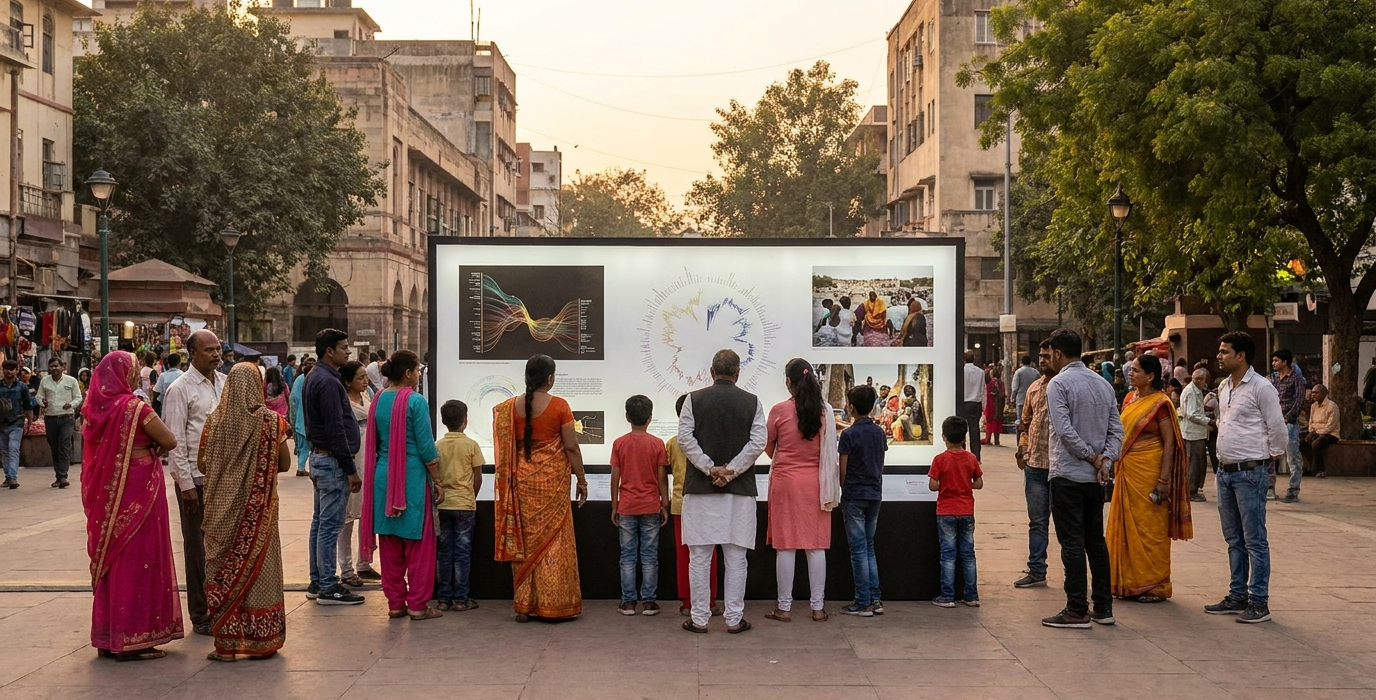
The data, compiled from a comprehensive survey involving over 500,000 participants nationwide, reveals that approximately 15% of adults reported experiencing symptoms consistent with moderate to severe anxiety or depression in the past year. This is a notable increase from previous years, with young adults aged 18-29 showing the highest prevalence. This demographic, often grappling with career pressures, academic stress, and the ever-present digital landscape, appears to be bearing a disproportionate burden.
Beyond these statistics, the report delves into the nuanced experiences of Indians. It highlights how socio-economic factors, geographical location, and cultural norms continue to play a significant role in mental health outcomes. For instance, urban centres, while offering more resources, also present unique stressors. Conversely, rural areas often face challenges related to access to care, despite a growing awareness.
Understanding these trends is the crucial first step. It allows us to move beyond anecdotal evidence and address the systemic issues that contribute to mental health challenges. The report’s meticulous methodology, which included qualitative interviews alongside quantitative data, provides a rich tapestry of lived experiences, making the findings relatable and actionable for individuals, families, and policymakers alike.
Digital Bridges and Emerging Gaps
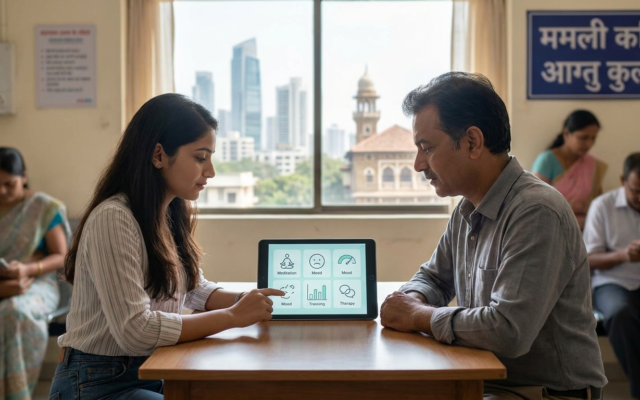
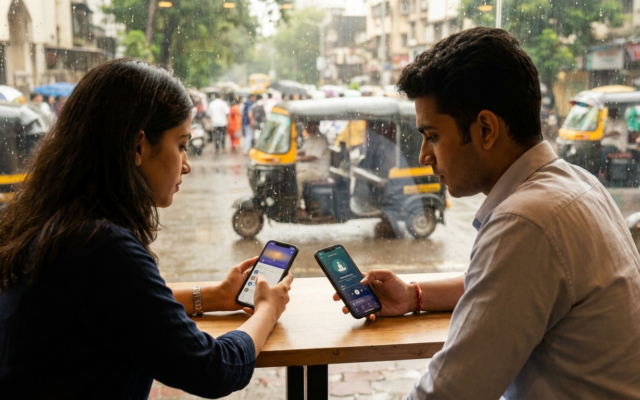
The digital realm has undeniably become a frontline for mental health support in India. The 2026 report dedicates significant attention to the burgeoning landscape of online platforms, telemedicine, and mental wellness apps. These digital tools are proving invaluable, offering a lifeline to individuals who might otherwise face insurmountable barriers to traditional care.
Tele-counselling services, for example, have seen a remarkable adoption rate, particularly in regions with a scarcity of mental health professionals. Platforms offering guided meditation, cognitive behavioural therapy (CBT) exercises, and peer support groups are now accessible at our fingertips. This accessibility is a game-changer, allowing individuals to seek help discreetly and on their own terms, often overcoming geographical distances and time constraints.
However, the report also flags a critical concern: the digital divide. While many embrace these online resources, a substantial segment of the population, particularly in remote villages and among older demographics, lacks the necessary digital literacy or reliable internet access. This creates a new layer of inequality, where those most in need might be excluded from the very solutions designed to help them. Ensuring equitable access to these digital tools, perhaps through community centres or government-supported initiatives, is therefore paramount.
Furthermore, the efficacy of purely digital interventions for severe mental health conditions remains a subject of ongoing study. While excellent for support and early intervention, the report suggests that for complex cases, a hybrid approach, combining digital resources with in-person professional guidance, may offer the most robust solution. We are seeing a growing understanding that technology is a powerful ally, but not a complete replacement for human connection and expert care.
The Lingering Shadow of Stigma
Despite advancements in awareness and the availability of resources, the deep-seated stigma surrounding mental health continues to cast a long shadow across India. The 2026 report unequivocally identifies this as one of the most significant impediments to individuals seeking and receiving timely help. This cultural barrier, woven into societal fabric for generations, remains a formidable challenge.
Many individuals still fear judgment, discrimination, or misunderstanding from family, friends, and employers if they disclose their mental health struggles. This fear often leads to the silent suffering of millions, delaying or preventing them from accessing essential support. The report includes poignant narratives of individuals who delayed seeking help for years, their conditions worsening due to this internalised societal pressure.
The report highlights that even when mental health services are available and accessible, the stigma can act as a deterrent. People may feel ashamed to admit they need professional help, viewing it as a sign of weakness rather than a legitimate health concern. This is particularly true in smaller towns and rural communities where traditional beliefs about mental illness can be more entrenched.
Combating this stigma requires a multi-pronged approach. It involves sustained public awareness campaigns that reframe mental health as an integral part of overall well-being, not a separate, shameful issue. It also necessitates educating communities, including families and healthcare providers, to foster empathy and understanding. The report optimistically points to a younger generation increasingly vocal about mental health, suggesting a slow but steady erosion of these age-old taboos. Their courage in sharing their stories is a powerful catalyst for change.
Bridging the Urban-Rural Divide in Access
A critical takeaway from the 2026 Mental Health Report is the persistent disparity in access to quality mental healthcare between India’s bustling metropolitan areas and its Tier 2, Tier 3 cities and rural hinterlands. While metros often boast a higher concentration of mental health professionals and specialized facilities, this concentration sharply drops as one moves away from these urban hubs.
This geographical imbalance means that millions of Indians living in smaller towns and villages face significant hurdles in obtaining even basic mental health support. The journey to see a psychiatrist or therapist can involve long travel times, substantial financial expenditure, and the unavailability of specialized services. This often forces individuals to rely on general practitioners or, worse, to forgo professional help altogether.
The report advocates for a robust strategy to decentralise mental health services. This includes incentivizing mental health professionals to practice in underserved areas, expanding the role of community health workers in early identification and support, and leveraging tele-mental health services more effectively in these regions. The aim is to bring care closer to where people live, reducing both the financial and logistical burdens.
A surprising finding was the success of certain pilot programs in states like Kerala and Tamil Nadu, where integrated mental health services within primary healthcare centres have shown promising results. These models, when scaled, could significantly bridge the urban-rural gap, making mental health support a more equitable right for all Indians, irrespective of their location. This approach recognizes that mental health is not a luxury but a fundamental aspect of public health that requires universal access.
The Role of Community and Family Support
Beyond professional interventions and digital tools, the 2026 report strongly emphasizes the profound impact of community and family support systems on mental well-being. In the Indian context, where family ties are often deeply intertwined with individual identity, the role of loved ones in fostering mental resilience cannot be overstated.
The report highlights that individuals with strong family and social support networks tend to report better coping mechanisms and faster recovery rates from mental health challenges. Conversely, isolation and a lack of understanding from family can exacerbate feelings of loneliness, despair, and hopelessness. This underscores the need for programmes that educate families about mental health conditions, equipping them with the knowledge and skills to provide effective emotional support.
Community-based initiatives, such as local support groups and awareness drives organised by NGOs and community leaders, are also proving to be vital. These initiatives create safe spaces for individuals to share their experiences without fear of judgment. They foster a sense of belonging and shared understanding, which are critical components of healing. For instance, initiatives in cities like Jaipur have seen remarkable success in engaging local community leaders to champion mental health awareness, leading to increased help-seeking behaviours.
This focus on community and family also ties back to combating stigma. When families and communities are educated and supportive, the shame associated with seeking help diminishes. The report suggests that integrating mental health education into school curricula and community outreach programs can create a more supportive environment from an early age, nurturing a generation that prioritizes and openly discusses mental well-being. It’s about building a collective safety net.
Pathways to Prevention and Proactive Well-being
The 2026 Mental Health Report shifts the conversation from solely addressing existing conditions to a proactive focus on prevention and the cultivation of overall well-being. It argues that by fostering resilience and equipping individuals with coping strategies, we can mitigate the rise of mental health challenges before they become severe.
A significant recommendation is the integration of mental health education into educational institutions across all levels. This includes teaching children and adolescents about emotional regulation, stress management, and the importance of seeking help. Early intervention through school-based programs can identify potential issues and provide support before they escalate. We are seeing pilot programs in states like Maharashtra incorporating mindfulness exercises into daily school routines, with early indications of positive impacts on student well-being.
The report also champions the development of workplace mental health programs. As more people spend a significant portion of their lives at work, creating supportive and mentally healthy environments is crucial. This can involve training managers to recognize signs of distress, offering employee assistance programs (EAPs), and promoting a culture that destigmatizes mental health discussions. Companies that have adopted these measures are reporting reduced absenteeism and increased productivity.
Furthermore, the report emphasizes the importance of public spaces that promote well-being. This includes access to green spaces, recreational facilities, and community centres that encourage social interaction and physical activity. A surprising statistic revealed that cities with more accessible public parks reported lower levels of reported anxiety among residents. Investing in these aspects of urban planning is, in essence, an investment in public mental health. It’s about building a society that inherently supports our mental wellness.
Frequently Asked Questions
What are the most common mental health challenges reported in India in 2026?
The 2026 report indicates that anxiety and depression are the most prevalent mental health challenges, with a notable increase in reported cases, particularly among young adults aged 18-29.
How has the internet impacted mental health support in India?
The internet has significantly expanded access to mental health support through telemedicine, wellness apps, and online counselling, offering convenience and discretion. However, the digital divide remains a barrier for some.
What is the biggest obstacle to seeking mental health help in India?
The most significant obstacle identified is the persistent stigma surrounding mental health, leading to fear of judgment, discrimination, and societal misunderstanding.
Are mental health services equally available across all of India?
No, the report highlights a significant disparity in access, with a concentration of services in metropolitan areas and a notable lack in Tier 2, Tier 3 cities, and rural regions.
What are the key strategies for improving mental well-being in India?
Key strategies include expanding digital mental health access, combating stigma through education, decentralizing services to rural areas, strengthening community and family support, and promoting preventative measures through education and workplace programs.