Key Takeaways
- India’s mental healthcare landscape is rapidly evolving in 2026, moving beyond traditional stigma towards proactive well-being.
- Innovative digital platforms and telehealth are significantly improving access to mental health professionals across diverse geographies.
- Community-led initiatives and workplace wellness programs are becoming crucial in fostering supportive environments and early intervention.
- The integration of mental health services into primary healthcare is a growing trend, making support more accessible and less intimidating.
The Shifting Sands of Mental Well-being in India
The year 2026 marks a pivotal moment for mental well-being in India. For too long, conversations around mental health were whispered, shrouded in societal taboos and a lack of accessible resources. Today, a palpable shift is underway. We’re witnessing a conscious and collective move towards acknowledging mental health as an integral part of overall well-being, not a separate, stigmatised issue. This transformation is fuelled by a younger, more informed generation, a growing body of research highlighting the economic and social costs of untreated mental illness, and a concerted effort from healthcare providers, policymakers, and community leaders.
This isn’t just about treating illness; it’s about fostering resilience and promoting proactive mental wellness. Think of it as moving from solely treating physical ailments to encouraging healthy lifestyles. The aim is to build a society where seeking help for anxiety, depression, or stress is as common and accepted as visiting a doctor for a fever. We’re seeing this reflected in increased public awareness campaigns, the integration of mental health support in educational institutions, and a burgeoning number of private and public initiatives dedicated to destigmatising mental health conversations. The journey is far from over, but the direction is clear and promising, impacting millions of lives from the bustling streets of Delhi to the serene backwaters of Kerala.
Digital Frontiers: Bridging the Access Gap
One of the most significant drivers of change in India’s mental healthcare sector is the explosive growth of digital platforms and telehealth services. In a country as vast and diverse as India, geographical barriers have historically been a major impediment to accessing specialised mental health professionals. However, in 2026, this is rapidly becoming a relic of the past. Applications and web-based services now connect individuals with qualified psychiatrists, psychologists, and counsellors, offering consultations via video calls, phone, and even secure messaging.
These platforms are not just convenient; they are often more affordable and accessible than traditional in-person appointments. For someone living in a remote village in Rajasthan or a small town in the Northeast, reaching a mental health expert in a major metropolitan city was once an insurmountable challenge. Now, with a stable internet connection, that support is within reach. Furthermore, many of these platforms offer multilingual support, catering to India’s rich linguistic tapestry. This inclusivity ensures that individuals can communicate their struggles in their native tongue, fostering a deeper sense of comfort and understanding. The anonymity offered by digital consultations also plays a crucial role in overcoming the deep-seated stigma, allowing individuals to seek help without fear of judgment from their immediate community. This technological leap is democratising mental healthcare, ensuring that help is available to a much wider population than ever before.
Community and Workplace: Building Supportive Ecosystems
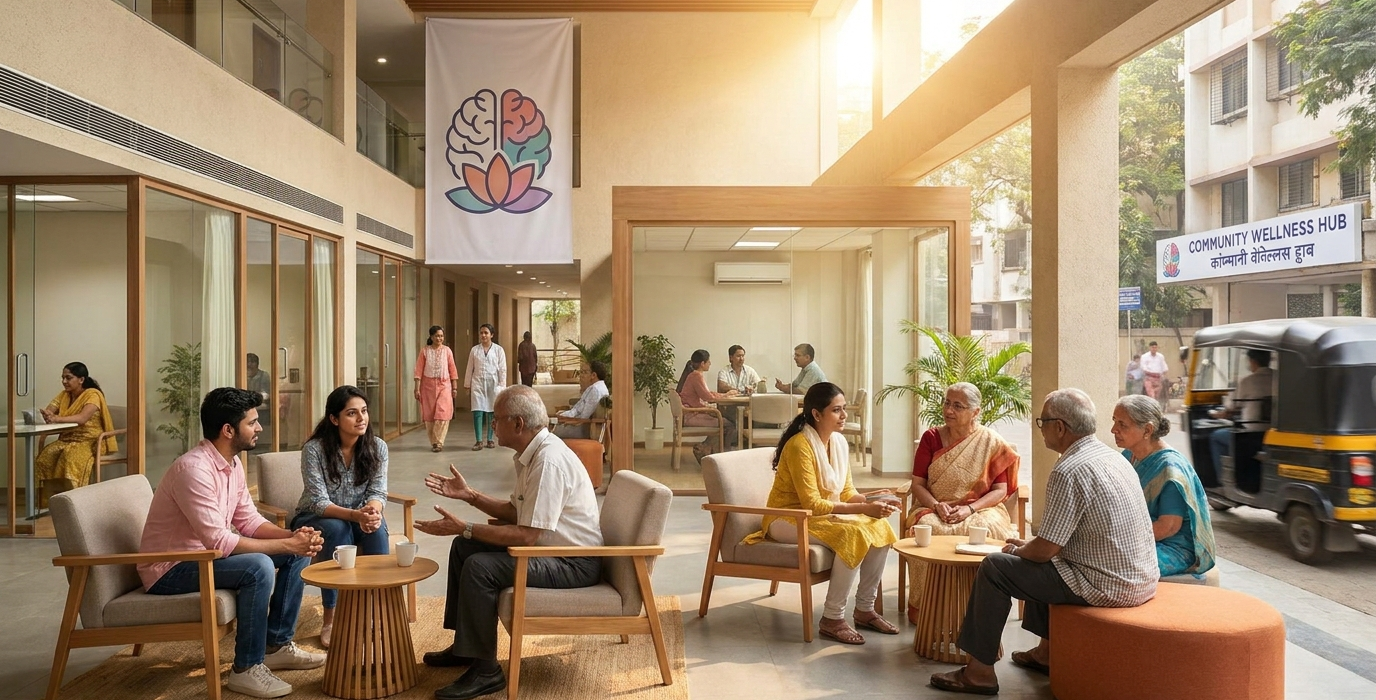
Beyond digital solutions, community-led initiatives and the growing emphasis on workplace wellness are creating crucial support systems on the ground. We’re seeing a rise in peer support groups, helplines run by NGOs, and local awareness drives organised by community centres, particularly in urban and semi-urban areas. These grassroots efforts are vital for early detection and intervention, often being the first point of contact for individuals hesitant to approach formal healthcare systems. In cities like Bengaluru and Mumbai, many companies are now recognising the direct impact of employee mental well-being on productivity and overall organisational health.
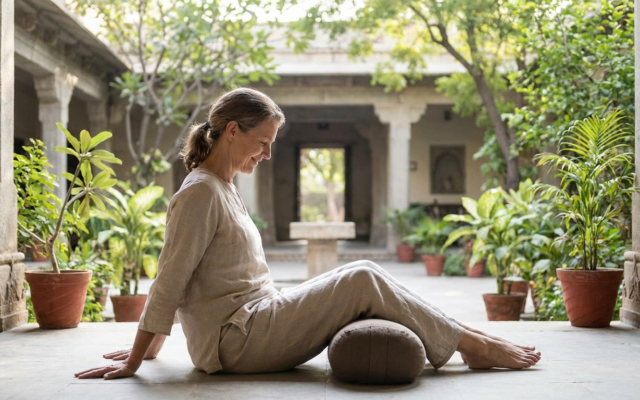
This has led to the widespread adoption of comprehensive Employee Assistance Programs (EAPs). These programs offer confidential counselling services, workshops on stress management, mindfulness, and resilience-building, and access to mental health resources. For instance, a large IT firm in Hyderabad might offer its employees access to a dedicated mental health app, regular meditation sessions, and designated quiet rooms for de-stressing. This proactive approach by employers signals a maturing understanding of holistic employee care. A surprising fact is that some of these corporate wellness programs are now being modelled on ancient Indian practices like yoga and meditation, integrating them with modern therapeutic techniques to offer a culturally resonant approach to mental well-being. This fusion is proving highly effective in reducing workplace stress and fostering a more positive and supportive work environment for all.
Primary Healthcare Integration: Making Support Mainstream
A significant and positive development in 2026 is the increasing integration of mental health services into primary healthcare. For years, mental health was often seen as a separate domain, distinct from physical health. However, the understanding that the mind and body are inextricably linked is gaining traction, leading to a more holistic approach to patient care. This means that when you visit your local doctor at a Primary Health Centre (PHC) in a town like Alwar, they are increasingly equipped to screen for common mental health conditions like depression and anxiety.
This integration serves multiple critical purposes. Firstly, it normalises seeking mental health support. By having these conversations happen in a familiar and trusted setting, the stigma associated with mental health struggles is significantly reduced. Secondly, it improves early detection and intervention. Primary healthcare physicians are often the first point of contact for many individuals, and their ability to identify potential issues can lead to timely referral and treatment. Thirdly, it enhances accessibility, especially in rural and underserved areas where specialised mental health professionals are scarce. Imagine a scenario in a village near Madurai where a community health worker, trained in basic mental health screening, can identify a woman exhibiting signs of postpartum depression and facilitate her connection to a local counsellor or a telehealth service. This seamless integration is making mental healthcare a routine part of overall health management for millions.
The Evolving Landscape of Treatment Modalities
The 2026 mental healthcare landscape in India is also characterised by a diversification and evolution of treatment modalities. While traditional therapies like psychotherapy and pharmacotherapy remain cornerstones, we are seeing a greater adoption of evidence-based, innovative approaches. This includes a rise in Cognitive Behavioural Therapy (CBT) and Dialectical Behaviour Therapy (DBT), which are proving highly effective for conditions like anxiety, depression, and personality disorders. These therapies focus on helping individuals identify and change negative thought patterns and behaviours.
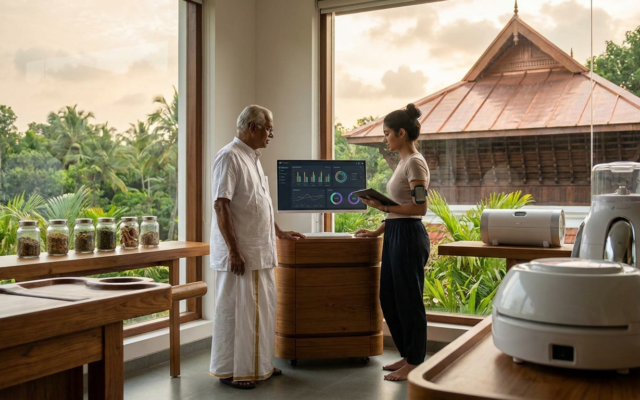
Furthermore, there’s a growing exploration of integrative and complementary therapies. This is where ancient Indian wisdom meets modern science. For instance, Ayurvedic principles are being combined with conventional psychiatric care to offer more holistic treatment plans. This might involve personalised dietary recommendations, herbal supplements, and specific yoga or meditation practices tailored to an individual’s needs, alongside traditional medical interventions. Another fascinating development is the increasing use of digital therapeutics (DTx). These are software-based interventions designed to treat, manage, or prevent a medical disorder or disease. While still in nascent stages in India compared to Western markets, we are seeing pilot programs and early adoptions of DTx for conditions like insomnia and mild-to-moderate depression, offering patients a novel, accessible, and often self-paced way to manage their mental health.
| Treatment Modality | Description | Typical Use Cases | Accessibility in India (2026) |
| :—————– | :———- | :—————- | :—————————- |
| Psychotherapy (CBT/DBT) | Talk therapy focused on changing thought patterns and behaviours. | Anxiety, depression, PTSD, personality disorders. | High, with increasing online availability. |
| Pharmacotherapy | Use of medications to manage symptoms. | Depression, anxiety disorders, bipolar disorder, schizophrenia. | High, widely available through doctors. |
| Digital Therapeutics (DTx) | Software-based interventions. | Insomnia, mild-to-moderate depression, anxiety. | Growing, with increasing app-based options. |
| Integrative Therapies (Ayurveda, Yoga) | Holistic approaches combining traditional practices with conventional medicine. | Stress reduction, general well-being, adjunct to primary treatment. | High, with a growing focus on evidence-based integration. |
| Telehealth Consultations | Remote consultations with mental health professionals. | All mental health conditions, particularly useful for remote access. | Very High, a major growth area. |
Addressing Specific Needs: From Adolescents to Geriatrics
As India’s focus on mental well-being sharpens in 2026, there’s a growing recognition of the need for specialised care tailored to different life stages and demographics. This is crucial because the mental health challenges faced by adolescents, young adults, working professionals, and the elderly are distinct and require nuanced approaches. For instance, adolescent mental health services are seeing increased investment, with schools and colleges implementing robust counselling centres and mental health awareness programs. The aim is to equip young people with coping mechanisms for academic stress, peer pressure, and the complexities of social media.
Simultaneously, the well-being of our growing elderly population is also gaining attention. Initiatives are emerging to address issues like loneliness, grief, and age-related cognitive decline. We are seeing community centres in cities like Pune and Chennai offering geriatric mental health support groups and activities designed to foster social connection and mental stimulation. A surprising fact is that some of these elder care programs are now incorporating intergenerational activities, where young volunteers engage with seniors in storytelling, art, or simple conversations, proving mutually beneficial for mental well-being. This granular approach, recognising that mental health is not a one-size-fits-all issue, is a testament to India’s maturing understanding of holistic well-being.
“The true measure of a society’s progress in 2026 is not just its economic growth, but its commitment to nurturing the mental well-being of every citizen, from the youngest student to the most seasoned elder.”
Frequently Asked Questions
How has the stigma around mental health changed in India by 2026?
The stigma has significantly reduced, though it persists in some areas. Increased public awareness, digital accessibility, and workplace wellness programs are making conversations about mental health more open and accepted. However, continued effort is needed to reach all segments of society.
Are mental health services affordable and accessible for everyone in India in 2026?
Accessibility and affordability have improved considerably, especially with the rise of telehealth and community initiatives. Many affordable options exist, but disparities remain, particularly in remote rural areas and for those without internet access. Government initiatives are working to bridge this gap.
What are the most common mental health concerns being addressed in India now?
Anxiety and depression remain the most prevalent concerns. However, there is also a growing focus on stress management, burnout, adolescent mental health issues, and addressing the mental well-being needs of the elderly.
Can I access mental health support anonymously in India in 2026?
Yes, many digital platforms and helplines offer anonymous or confidential services. This is a key feature designed to help individuals feel more comfortable seeking help without fear of judgment.
What role do traditional Indian practices play in modern mental healthcare?
Traditional practices like yoga, meditation, and Ayurvedic principles are increasingly being integrated into modern mental healthcare. They are used as complementary therapies to enhance stress reduction, emotional regulation, and overall well-being, often alongside conventional treatments.