Key Takeaways
- India’s mental wellness landscape is rapidly evolving in 2026, driven by increased awareness and government initiatives.
- Digital platforms and tele-mental health services are bridging accessibility gaps, particularly in rural areas.
- Workplace mental health programs are becoming a standard expectation, fostering healthier professional environments.
- Community-led initiatives and destigmatisation campaigns are making significant strides in public perception.
The Shifting Sands of Indian Mental Wellness in 2026
The conversation around mental health in India has undergone a profound transformation. Just a few years ago, discussing anxiety or depression openly was often met with silence or stigma. Today, in 2026, you’ll find mental well-being woven into public discourse, corporate policies, and even casual conversations. This isn’t a fleeting trend; it’s a fundamental shift in how we, as a nation, understand and prioritise our inner lives.
Several factors are converging to fuel this growth. The lingering effects of global uncertainties, coupled with increased academic and professional pressures, have made the need for mental support more apparent than ever. Furthermore, a younger generation, more digitally connected and vocal about their needs, is demanding better resources and destigmatisation. This proactive approach is pushing boundaries and encouraging a more holistic view of health, where the mind is as crucial as the body.
We’re seeing a tangible impact of these evolving attitudes. More individuals are seeking professional help, and employers are recognising the direct link between employee well-being and productivity. The journey is far from over, but the progress made in 2026 is undeniable, setting a strong foundation for future advancements in mental healthcare accessibility and quality.
Digital Therapies: Bridging the Access Gap
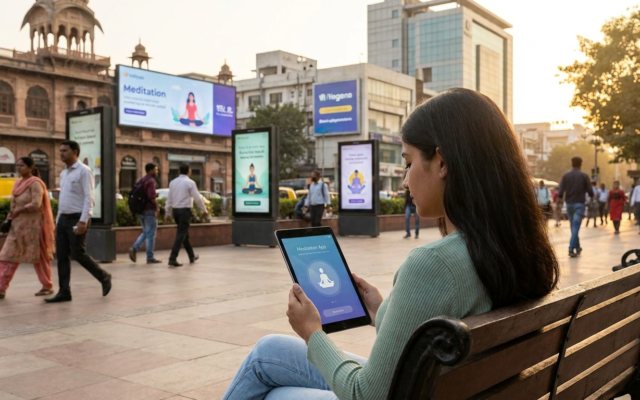
One of the most significant developments in India’s mental wellness journey for 2026 is the explosive growth of digital mental health services. For years, geographical barriers and the scarcity of trained professionals in remote areas posed immense challenges. Tele-mental health platforms, apps, and online counselling services are now actively dismantling these obstacles.
These digital tools offer a lifeline, providing access to therapists, psychiatrists, and support groups from the comfort of one’s home. For someone in a small village in Rajasthan, connecting with a counsellor in Mumbai is now as simple as a few clicks. This democratisation of mental healthcare is critical, ensuring that help is not a luxury reserved for the urban elite.
We are also witnessing innovation in how these services are delivered. AI-powered chatbots are offering initial support and guidance, while gamified mental wellness apps are making self-care more engaging. These technologies, when used responsibly and ethically, can supplement traditional therapy and provide continuous support. However, it’s crucial to remember that these are tools to enhance care, not replace the invaluable human connection offered by trained professionals. The focus remains on providing a continuum of care, from immediate digital interventions to long-term therapeutic relationships.
Workplace Wellness: A New Corporate Mandate
In 2026, the Indian corporate sector is increasingly recognising that a thriving business depends on the mental well-being of its employees. What was once considered a fringe benefit is now becoming a core component of HR strategy and corporate social responsibility. Companies are investing in comprehensive mental health programs, understanding that employee burnout, stress, and anxiety directly impact productivity, retention, and innovation.
This shift is driven by both ethical considerations and a clear understanding of the bottom line. Studies consistently show that mentally healthy employees are more engaged, creative, and less prone to absenteeism. Therefore, fostering a supportive work environment is no longer just a matter of good practice; it’s a strategic imperative for sustained success.
We’re seeing a variety of initiatives being rolled out. These include confidential counselling services, workshops on stress management and resilience building, and the appointment of dedicated mental health first aiders. Flexible work arrangements and a culture that encourages open communication about mental health challenges are also gaining traction. The aim is to create workplaces where employees feel safe to seek help without fear of judgment or career repercussions. This proactive approach benefits not only the individual but also strengthens the entire organisation.
Destigmatisation Efforts: Voices of Change
The battle against the stigma surrounding mental illness in India is being fought on multiple fronts, and in 2026, the progress is palpable. Public awareness campaigns, celebrity endorsements, and grassroots movements are collectively chipping away at long-held misconceptions and prejudices. The narrative is slowly but surely shifting from one of shame and secrecy to one of understanding and support.
You’ll notice this change in media portrayals, educational institutions, and community gatherings. More people are willing to share their personal experiences with mental health challenges, often finding solidarity and encouragement from others. This openness is crucial for normalising the conversation and encouraging those who are suffering in silence to come forward.
A surprising fact is the increasing involvement of religious and community leaders in these destigmatisation efforts. Many are now incorporating messages of mental well-being into their sermons and community discussions, leveraging their trusted positions to reach wider audiences. This has been particularly effective in rural areas where traditional community structures hold significant influence. The goal is to create an environment where seeking mental health support is seen as a sign of strength, not weakness.
Community-Led Initiatives: Grassroots Empowerment
Beyond national campaigns and corporate policies, a powerful wave of community-led mental wellness initiatives is transforming local landscapes across India in 2026. These grassroots efforts are often born out of necessity, addressing the unique needs of specific populations and regions. They are vital in ensuring that mental health support is culturally sensitive and contextually relevant.
Consider the self-help groups emerging in cities like Bengaluru, where individuals with shared experiences of anxiety or depression come together for mutual support. Or the peer counselling networks being established in rural Gujarat, training local volunteers to offer initial support and guidance. These initiatives are often run by passionate individuals and non-profit organisations with limited resources but immense dedication.
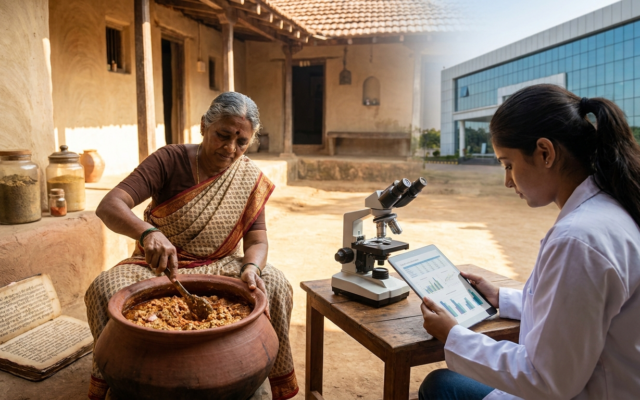
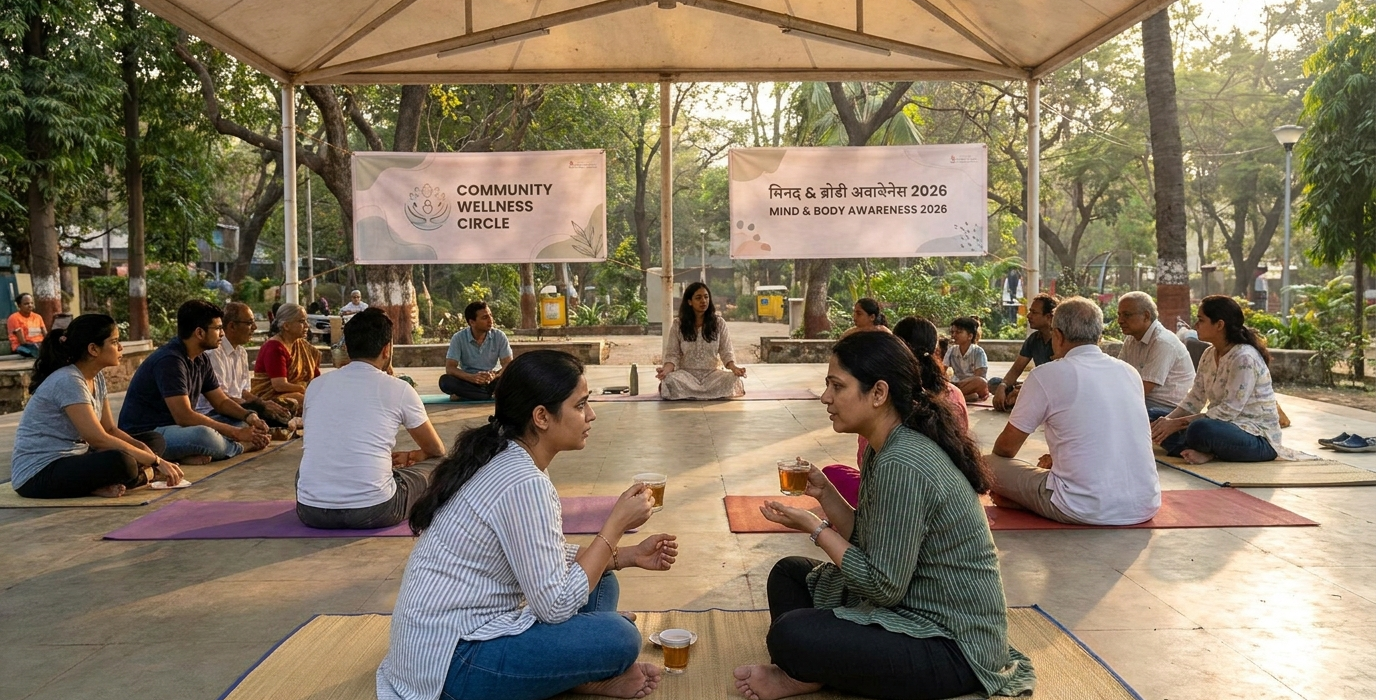
One particularly inspiring example is the rise of ‘Milaap’ (meaning ‘union’) circles in smaller towns. These informal gatherings, often held in community centres or even someone’s home, provide a safe space for people to discuss their emotional challenges. A surprising fact is that many of these circles have successfully integrated traditional healing practices with modern psychological support, creating a hybrid model that resonates deeply with local beliefs. This localised approach ensures that mental wellness is not just a concept, but a lived reality for many.
Navigating the Landscape: A Comparative Look at Support Systems
As India’s mental wellness ecosystem expands, understanding the different avenues for support is crucial for individuals seeking help. While formal clinical care remains paramount, a spectrum of options has emerged, catering to diverse needs and preferences. Here, we offer a comparative glimpse at some of these key support systems available in 2026.
| Support System Type | Accessibility | Cost (Typical Range) | Specialisation/Focus | Best Suited For |
| :———————- | :——————- | :——————- | :——————————————————————————– | :——————————————————————————————————————- |
| Clinical Therapy | Moderate to High | ₹1,500 – ₹5,000 per session | Diagnosing and treating specific mental health conditions (e.g., depression, anxiety, PTSD). | Individuals with diagnosed mental health disorders or those requiring in-depth therapeutic intervention. |
| Tele-Mental Health | High | ₹800 – ₹3,000 per session | Remote access to therapists and psychiatrists via video calls, phone, or chat. | Individuals in remote areas, those with mobility issues, or those seeking convenience and flexibility. |
| Mental Wellness Apps| Very High | Free to ₹500/month | Guided meditations, mood tracking, CBT exercises, mindfulness techniques. | General well-being, stress management, building coping skills, and as a supplement to other forms of support. |
| Community Support Groups | High | Free | Peer-to-peer support, sharing experiences, reducing isolation, practical advice. | Individuals seeking connection, empathy, and a sense of belonging with others facing similar challenges. |
| Employee Assistance Programs (EAPs) | High (for employees) | Free (to employee) | Confidential counselling, referral services, crisis intervention, work-life balance support. | Employees of participating organisations seeking confidential, professional help for personal or work-related issues. |
This table highlights that while clinical therapy offers deep intervention, digital platforms and community groups provide more accessible and often more affordable entry points. The choice depends heavily on your specific needs, geographical location, and financial capacity. Many individuals find that a combination of these approaches offers the most comprehensive support.
“In 2026, the most significant advancement isn’t just in the number of services available, but in the growing societal acceptance that caring for our mental health is not an option, but a fundamental necessity for a fulfilling life.”
Frequently Asked Questions
Is seeking mental health support still stigmatised in India in 2026?
While significant progress has been made in destigmatising mental health, some stigma unfortunately still persists, particularly in older generations and certain traditional communities. However, the widespread awareness campaigns and increased open discussions are rapidly changing public perception. You’ll find more people willing to talk about their mental health and seek help than ever before.
Are mental health services affordable and accessible across India?
Accessibility and affordability are key areas of focus in 2026. Tele-mental health services are significantly improving access in remote regions. While private therapy can still be expensive, government initiatives, non-profit organisations, and a growing number of affordable digital platforms are making support more attainable for a wider population.
What are some effective ways to support a friend or family member struggling with their mental health?
Offer a non-judgmental ear and actively listen. Encourage them to seek professional help if needed, and offer to accompany them to appointments or research options together. Small gestures of support, like checking in regularly, spending time with them, and reminding them of their strengths, can make a significant difference. Your presence and understanding are invaluable.
How are workplaces in India adapting to support employee mental well-being in 2026?
Many Indian workplaces are now implementing comprehensive mental wellness programs. This includes offering confidential counselling services, stress management workshops, promoting work-life balance, and fostering a culture where employees feel safe to discuss their mental health concerns without fear of reprisal. Some companies are even appointing dedicated mental health first aiders.