Key Takeaways
- Kerala is investing heavily in advanced flood mitigation infrastructure, moving beyond traditional sandbags and temporary barriers.
- New strategies include smart drainage systems, early warning technologies, and eco-friendly coastal protection measures.
- Community involvement and local knowledge integration are crucial components of these new defense mechanisms.
- These initiatives aim to build resilience against increasingly intense monsoon seasons, safeguarding lives and livelihoods in vulnerable regions.
The Shifting Monsoon Landscape
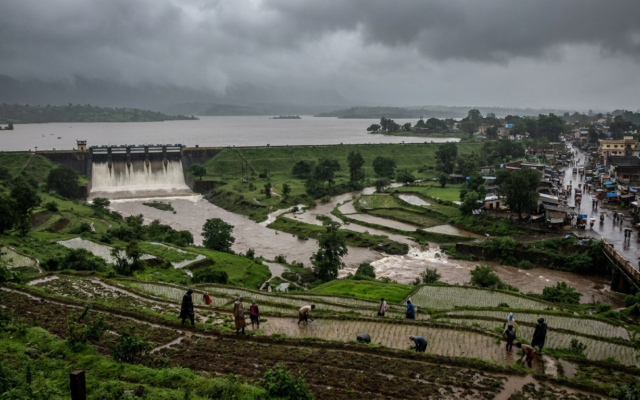
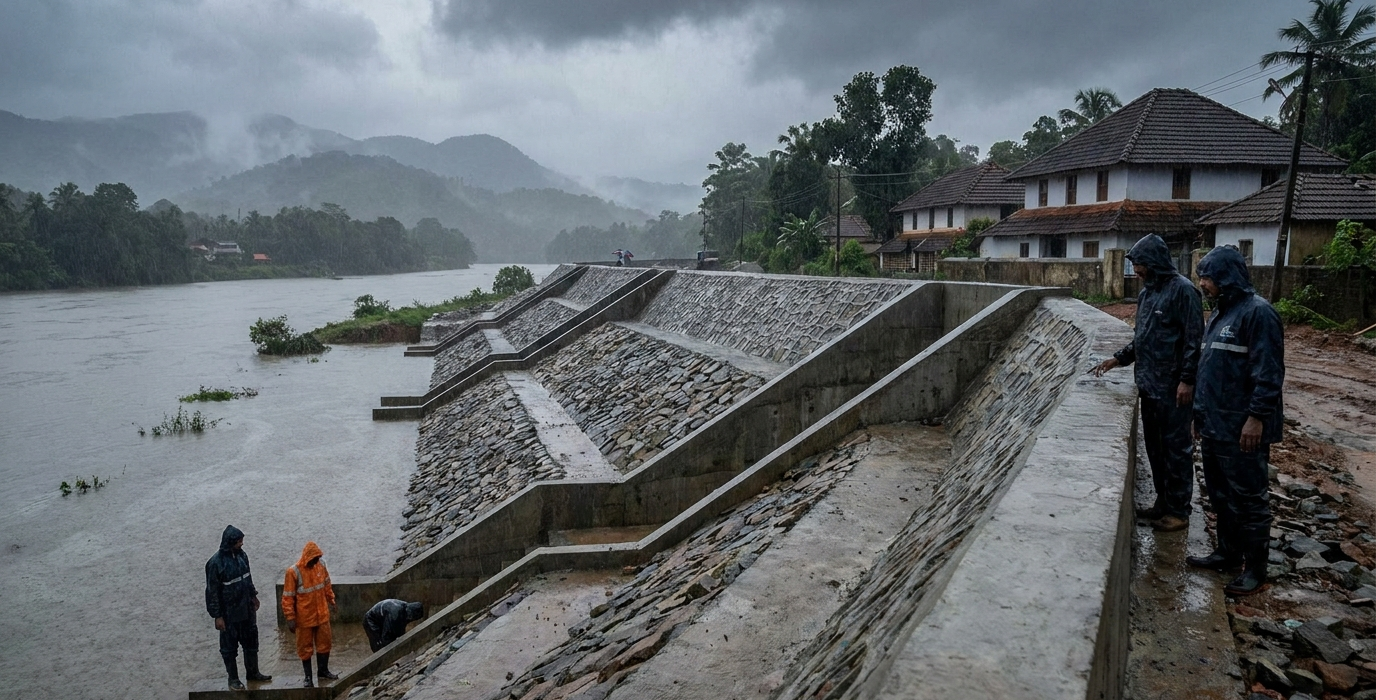
The monsoon season in India is a lifeblood, but in recent years, its intensity has become a source of deep anxiety for many, especially in states like Kerala. The devastating floods of 2018 and subsequent heavy rains have underscored the urgent need for more robust and forward-thinking flood defense strategies. We’re not just talking about higher bunds anymore; Kerala is embarking on a significant technological and ecological overhaul to brace for the monsoon’s intensified fury.
This isn’t about mere adaptation; it’s about strategic innovation. The state government, in collaboration with international experts and local communities, is rolling out a multi-pronged approach. This includes leveraging cutting-edge technology for prediction and response, alongside revitalizing natural defenses that have long been overlooked. The aim is to create a resilient infrastructure that can withstand the unpredictable nature of our changing climate.
Smart Waterways and Intelligent Drainage
One of the most significant shifts in Kerala’s flood defense strategy is the focus on ‘smart’ urban water management. Traditional drainage systems, often overwhelmed by sudden deluges, are being retrofitted and new ones designed with intelligent capabilities. These systems integrate sensors that monitor water levels in real-time, allowing for proactive management of water flow, especially in densely populated urban areas like Kochi and Thiruvananthapuram.
The concept is simple yet revolutionary: instead of reacting to floods, we aim to predict and manage them before they escalate. Sensors embedded in canals and rivers transmit data to a central command center, which can then remotely control sluice gates and pumping stations. This allows for the systematic release of excess water, preventing it from accumulating and breaching banks. Furthermore, the integration of AI algorithms helps in forecasting potential overflow scenarios based on rainfall patterns and upstream water levels, giving authorities precious time to issue warnings and evacuate residents.
A surprising aspect of this initiative is the emphasis on permeable pavements and green infrastructure in urban planning. These not only help in reducing surface runoff but also contribute to groundwater recharge, a crucial element often neglected in rapid urbanization. Cities are transforming concrete jungles into more absorbent landscapes, a subtle yet powerful defense against waterlogging.
Early Warning Systems: From Prediction to Preparedness
Timely and accurate information is paramount during flood events. Kerala is heavily investing in advanced early warning systems that go far beyond basic weather alerts. These systems combine satellite imagery, Doppler radar data, and a dense network of ground-level sensors to provide hyper-local rainfall predictions and flood risk assessments.
The Kerala State Disaster Management Authority (KSDMA) is at the forefront of this technological leap. They are deploying advanced hydrological models that can simulate the impact of heavy rainfall on river systems and coastal areas with remarkable precision. This allows for warnings to be issued not just for broad regions, but for specific villages and even individual neighborhoods deemed at high risk. This granular level of forecasting is a game-changer for effective disaster preparedness.
Beyond mere alerts, these systems are designed to trigger pre-defined response protocols. For instance, a high-risk alert in a particular village might automatically initiate the deployment of local disaster response teams, the activation of community shelters, and the dissemination of evacuation routes through mobile alerts and public address systems. The goal is to shrink the time lag between prediction and action, saving valuable lives and minimizing damage.
Eco-Friendly Coastal Resilience
Kerala’s extensive coastline is particularly vulnerable to storm surges and sea-level rise, exacerbated by climate change. The state is moving away from hard engineering solutions like concrete sea walls, which can sometimes worsen erosion elsewhere, towards more sustainable and ecologically integrated coastal protection methods.
A significant focus is on the restoration and protection of mangrove forests and coastal wetlands. These natural ecosystems act as incredibly effective buffers against storm surges, absorbing wave energy and reducing the impact of flooding on inland areas. Projects are underway in districts like Alappuzha and Ernakulam to replant mangroves and restore degraded wetland areas, turning natural assets into powerful defense lines.
Additionally, community-based initiatives are playing a vital role. Local fishermen and coastal communities, with their intimate knowledge of the sea and its patterns, are being actively involved in monitoring coastal erosion and participating in the planting and maintenance of these natural defenses. This ensures that the solutions are not only effective but also socially sustainable and culturally relevant. We’re seeing a return to wisdom that nature has provided for millennia, augmented by modern science.
Community Mobilization and Local Wisdom
While technology and infrastructure are crucial, the state recognizes that the most effective flood defense is a well-prepared and informed community. Kerala has a long history of strong community participation in disaster management, a legacy that is being revitalized and enhanced with new strategies.
The concept of ‘Ward Level Disaster Management Committees’ is being strengthened. These committees, comprising local residents, elected officials, and volunteers, are trained in basic first aid, search and rescue, and evacuation procedures. They act as the first responders in their immediate vicinity, bridging the gap between official warnings and on-ground action.
A particularly innovative aspect is the integration of traditional knowledge. Elders in flood-prone villages often possess invaluable insights into historical flood patterns, safe evacuation routes that may not be on official maps, and resilient building techniques. These insights are now being systematically documented and incorporated into the state’s disaster management plans, ensuring that modern strategies are grounded in local realities and historical experience. This fusion of ancient wisdom and modern science is a powerful combination.
Building Back Better: Resilient Infrastructure and Livelihoods
Beyond immediate flood defense, Kerala is also focusing on long-term resilience by ensuring that infrastructure development and economic activities are flood-proofed. This means rethinking how buildings are constructed, how roads are laid out, and how essential services are maintained during and after a flood event.
New building codes are being implemented, particularly in high-risk zones, mandating elevated plinths, flood-resistant materials, and improved drainage around structures. This is crucial for protecting homes and commercial establishments from inundation. The focus extends to critical infrastructure like hospitals, power substations, and communication networks, ensuring they can withstand extreme weather events and resume operations quickly.
Furthermore, livelihood restoration is a key component. For communities heavily reliant on agriculture or fishing, the state is exploring climate-resilient farming techniques and providing support for diversifying economic activities. This holistic approach aims to not only protect lives and property but also to ensure that communities can recover and thrive in the face of recurring monsoon challenges. It’s about building a future where Kerala is not just resilient, but also prosperous, despite the weather.
Frequently Asked Questions
What are the primary challenges Kerala faces with its monsoons in 2026?
Kerala faces challenges from increasingly erratic and intense rainfall patterns due to climate change, leading to more frequent and severe flooding. Urbanization also contributes by reducing natural water absorption capacity.
How are these new flood defenses different from past measures?
The new defenses are characterized by their integration of advanced technology (smart drainage, early warning systems) and a strong emphasis on eco-friendly, natural solutions like mangrove restoration, moving beyond purely structural approaches.
What role do local communities play in Kerala’s flood defense strategy?
Communities are central, forming disaster management committees, participating in rescue efforts, and contributing traditional knowledge about local flood patterns and resilient practices. Their involvement ensures strategies are practical and effective on the ground.
Can these measures truly protect against extreme weather events?
While no system can guarantee absolute protection against unprecedented events, these comprehensive measures significantly enhance preparedness, reduce response times, and mitigate damage. The goal is to build resilience, allowing communities to better withstand and recover from such events.