Key Takeaways
- Discover three unique Indian dessert recipes with modern twists, perfect for home cooks.
- Learn to prepare a Saffron-Rosewater Gulab Jamun Cheesecake, blending classic Indian flavours with Western technique.
- Master the art of Cardamom-Pistachio Phirni Panna Cotta, a smooth, elegant fusion dessert.
- Explore a Mango-Coconut Rabri Trifle, a vibrant, layered delight ideal for summer gatherings.
A Sweet Revolution: Reimagining India’s Beloved Desserts
India’s culinary landscape is a tapestry woven with vibrant flavours, and its desserts are no exception. From the syrupy bliss of Gulab Jamun to the creamy richness of Phirni, these sweet traditions have delighted generations. But what happens when we introduce a dash of innovation, a sprinkle of global influence, and a touch of modern culinary artistry? Today, we’re diving into a world where beloved Indian sweets meet contemporary techniques, creating desserts that are both familiar and thrillingly new. We’ll explore three recipes that promise to elevate your dessert game, offering a delightful fusion that respects tradition while embracing the future.
These aren’t your grandmother’s sweets – though she might approve! We’re talking about creative combinations that leverage the exquisite spices and textures India is famous for, but present them in exciting new formats. Think of it as a culinary adventure, where each bite tells a story of heritage and reinvention. Whether you’re a seasoned cook or just starting your kitchen journey, these recipes are designed to be accessible and rewarding. Get ready to impress your family and friends with these showstopping treats.
Saffron-Rosewater Gulab Jamun Cheesecake: A Fusion Masterpiece
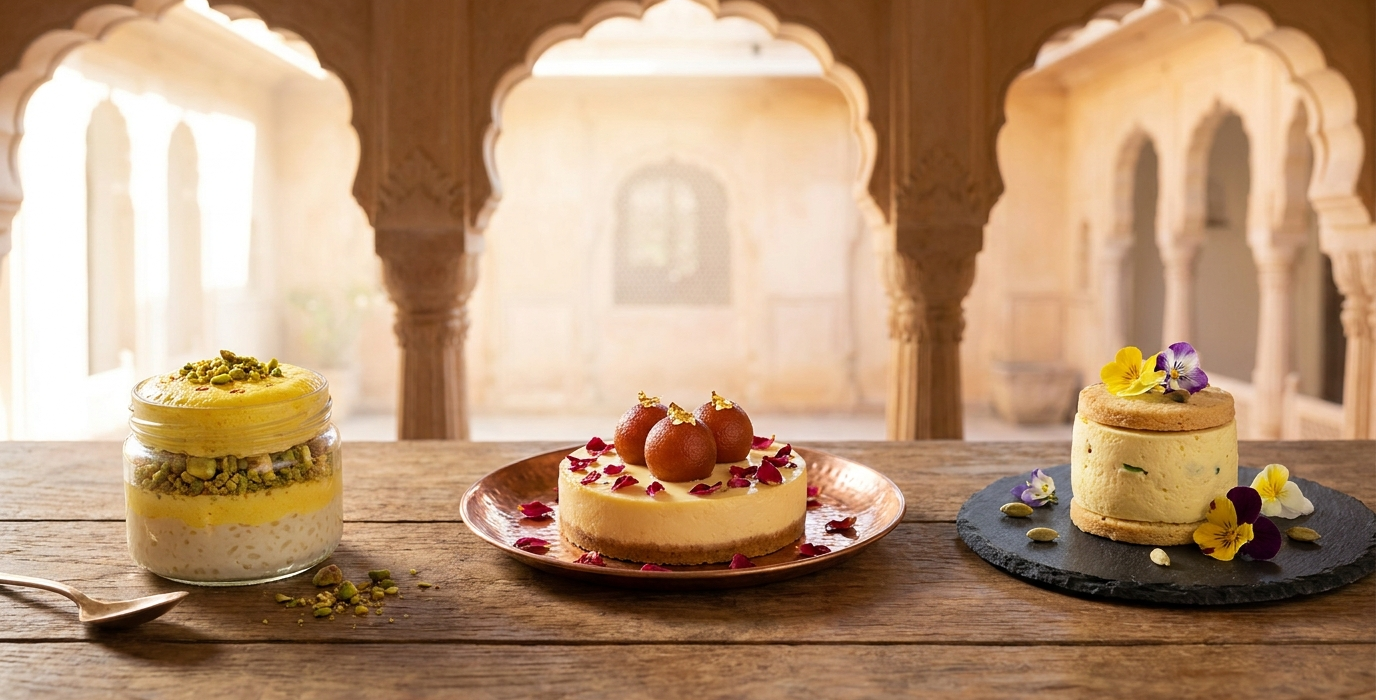
Imagine the decadent, creamy texture of a New York-style cheesecake, infused with the delicate fragrance of rosewater and saffron, and studded with soft, syrupy pieces of traditional Gulab Jamun. This Saffron-Rosewater Gulab Jamun Cheesecake is a true testament to fusion cooking, bringing together the best of East and West. It’s a dessert that looks as stunning as it tastes, making it perfect for special occasions or when you simply want to indulge.
The base of this cheesecake is a delightful departure from the usual graham cracker crumb. We’ll use a blend of crushed digestive biscuits and finely chopped pistachios, offering a slightly nutty and textural contrast. This is then bound together with melted butter and a hint of cardamom. For the filling, we’ll start with a classic cream cheese base, but elevate it with a generous swirl of saffron-infused milk and a delicate splash of rosewater. The key is to achieve a balance where the floral and aromatic notes enhance, rather than overpower, the creamy cheese.
The stars of this show, of course, are the Gulab Jamuns. You can use store-bought ones for convenience, or make your own if you’re feeling ambitious. Gently break them into bite-sized pieces and fold them into the cheesecake batter before baking. The jamuns will soften further during baking, releasing their sweet, syrupy goodness into the cheesecake. Once baked and chilled, a drizzle of rosewater-infused condensed milk or a scattering of edible rose petals will add the perfect finishing touch. This dessert offers a surprising depth of flavour and a playful textural interplay that will leave your guests asking for the recipe.
Cardamom-Pistachio Phirni Panna Cotta: Elegance Redefined
Phirni, a beloved rice pudding from North India, is known for its velvety smooth texture and comforting aroma. Panna Cotta, on the other hand, is an Italian classic, celebrated for its elegant simplicity and delicate wobble. Our Cardamom-Pistachio Phirni Panna Cotta bridges these two worlds, creating a dessert that is both sophisticated and deeply comforting, infused with the quintessential flavours of India.
The process begins by preparing a traditional phirni base, but with a slight adjustment. Instead of cooking rice grains until completely broken down, we’ll cook them to a point where they are soft but still retain a slight bite, offering a subtle textural variation. The rice is then puréed until incredibly smooth. This purée is then combined with full-fat milk, sweetened with sugar, and generously flavoured with freshly ground cardamom. This is where the magic happens: instead of setting it with just milk, we incorporate bloomed gelatin, the key to achieving that signature panna cotta wobble.
The mixture is then carefully poured into individual ramekins or elegant glasses. For an extra layer of flavour and visual appeal, we’ll add a sprinkle of finely chopped pistachios to the bottom of each mould before pouring the phirni mixture. This creates a delightful crunch beneath the silken smooth dessert. Once set, these panna cottas are a sight to behold. You can serve them chilled, perhaps with a delicate garnish of slivered pistachios and a few edible silver leaf accents for that extra touch of luxury. This dessert is a wonderful example of how familiar Indian spices can be presented in a refined, international style.
Mango-Coconut Rabri Trifle: A Tropical Summer Delight
The arrival of summer in India brings with it the king of fruits – the mango. Its sweet, tangy pulp is the inspiration for countless desserts, and our Mango-Coconut Rabri Trifle is a vibrant celebration of this seasonal bounty. This layered dessert combines the creamy richness of rabri, the tropical sweetness of mango, and the light, airy texture of coconut, creating a symphony of flavours and textures that is perfect for a warm afternoon or a festive gathering.
We start by preparing a quick rabri, a thickened, sweetened milk dessert. Instead of the traditional hours of slow simmering, we’ll use a method that involves reducing the milk while continuously stirring, perhaps with the addition of a touch of cornstarch to expedite the thickening process. This rabri will be infused with the subtle aroma of cardamom and a hint of kewra water for a floral note. Fresh, ripe mangoes are puréed to create a luscious mango coulis, bursting with natural sweetness.
The trifle assembly is where the artistry comes in. We begin with a layer of crushed digestive biscuits or a light sponge cake. This is followed by a generous dollop of the prepared rabri. Then comes a vibrant layer of the fresh mango coulis. For a touch of tropical flair and a contrasting texture, we’ll add a layer of whipped coconut cream, lightly sweetened. This layering is repeated until the serving dish or individual glasses are filled. The final touch is a garnish of diced fresh mango, toasted coconut flakes, and perhaps a few mint leaves. This dessert is a visual spectacle, with its distinct layers of colour and texture, and each spoonful offers a delightful balance of creamy, fruity, and tropical notes.
Surprising Facts & Creative Twists
Did you know that Gulab Jamun, a dessert often associated with North India, has roots that are believed to trace back to a Persian dish called Luqmat al-Qadi, which was introduced to India by the Mughals? This historical connection makes the Gulab Jamun Cheesecake even more fascinating – a dessert that unites centuries of culinary exchange. The very idea of incorporating it into a baked cheesecake challenges traditional serving methods and opens up new flavour dimensions.
Another surprising element comes into play with the Phirni Panna Cotta. While Panna Cotta is distinctly Italian, the use of rice flour or ground rice to thicken and create creamy desserts is a practice found across many Asian cuisines, including Indian. This shared principle of using starch-based ingredients for texture means that the fusion isn’t just about flavour, but also about fundamental culinary techniques that have evolved independently yet share common goals. It highlights how global cuisines, despite their differences, often arrive at similar solutions.
When it comes to the Mango-Coconut Rabri Trifle, consider the versatility of mango. While we’ve used it as a purée, you could also incorporate diced fresh mangoes for textural contrast, or even a mango-flavoured jelly for a wobbly layer. The coconut element can also be played with; instead of just cream, you could use toasted desiccated coconut for a nutty crunch, or even a layer of coconut milk-infused agar-agar for a vegan option. These small adjustments can dramatically change the final dessert, proving that culinary innovation often lies in the details.
The Versatility of Indian Spices in Modern Desserts
The true magic of Indian desserts lies in their masterful use of spices. Cardamom, saffron, rosewater, and kewra water are not mere flavourings; they are integral to the sensory experience, evoking aromas and tastes that are deeply ingrained in our cultural memory. In these modern interpretations, these spices don’t just play a supporting role; they are often the stars, carefully balanced to complement new textures and forms.
Consider the way saffron is used in the Gulab Jamun Cheesecake. Its subtle earthy notes and vibrant colour are infused into the creamy cheese filling, adding a layer of sophistication that goes beyond simple sweetness. Similarly, cardamom in the Phirni Panna Cotta provides a warm, aromatic counterpoint to the cool, smooth texture of the dessert. It’s a spice that grounds the dessert, making it feel both exotic and familiar.
Rosewater, often perceived as intensely floral, is used with restraint in the cheesecake to add a delicate perfume that enhances the overall flavour profile. For the Mango-Coconut Rabri Trifle, the spices are used to enhance the tropical notes. A hint of cardamom can surprisingly complement the sweetness of mango and the creaminess of coconut, adding an unexpected depth that prevents the dessert from becoming one-dimensionally sweet. These spices are the threads that weave the Indian heritage into these contemporary creations, making them truly special.
Making These Desserts Your Own: Tips for Success
As you embark on creating these fusion desserts, remember that the best recipes are often a starting point for your own culinary creativity. Don’t be afraid to experiment with the spice levels to suit your palate. If you find saffron too strong, reduce the quantity. If you love cardamom, add a little extra. The goal is to find a balance that you personally enjoy.
For the Gulab Jamun Cheesecake, ensuring the cream cheese is at room temperature is crucial for a smooth, lump-free filling. Also, don’t overmix the batter once the eggs are added, as this can lead to a cracked cheesecake. Patience is key when it comes to chilling; allow at least 6-8 hours, or overnight, for the cheesecake to set properly. This allows the flavours to meld and the texture to firm up beautifully.
In the case of the Phirni Panna Cotta, the quality of your gelatin matters. Ensure it’s fresh and bloomed correctly to achieve that perfect wobble. If you prefer a vegetarian option, you can experiment with agar-agar, but be mindful that the setting properties are different, and it may result in a firmer texture. For the Mango-Coconut Rabri Trifle, using ripe, sweet mangoes is paramount. If your mangoes are not sweet enough, you might need to adjust the sweetness of the coulis and rabri accordingly. Don’t shy away from tasting and adjusting as you go.
Frequently Asked Questions
Can I make these desserts vegan?
Yes, with some modifications! For the cheesecake, you can use vegan cream cheese and a plant-based binder instead of eggs. For the Phirni Panna Cotta, agar-agar is a great vegan alternative to gelatin, and you can use coconut milk or other plant-based milks for the base. The Rabri Trifle is the easiest to adapt – use coconut cream and plant-based milk for the rabri, and ensure your cake/biscuit base is vegan. You might need to adjust sweetness levels.
How far in advance can I prepare these desserts?
Cheesecakes and panna cottas are excellent make-ahead desserts. The cheesecake can be prepared 2-3 days in advance and stored in the refrigerator. The panna cotta will set best when made the day before or at least 6-8 hours in advance. The trifle can be assembled 4-6 hours before serving to prevent the layers from becoming too soggy, though some prefer to assemble it closer to serving time for maximum freshness.
What if I can’t find rosewater or saffron?
You can omit rosewater if you don’t have it, or substitute with a tiny amount of vanilla extract for a different, but still pleasant, flavour. For saffron, if unavailable, you can focus on the cardamom and rosewater in the cheesecake, or add a pinch of turmeric for colour, though it won’t impart the same flavour. For the other recipes, the core flavours will still shine through.
Are these recipes suitable for beginners?
While they involve a few more steps than a basic cookie, these recipes are designed to be accessible to intermediate home cooks. The cheesecake requires careful baking and chilling. The panna cotta involves gelatin. The trifle is more about layering and assembly. With clear instructions and a bit of practice, even enthusiastic beginners can achieve delicious results.