Key Takeaways
- Mumbai is emerging as a vibrant hub for digital nomads in 2026, offering a blend of affordability, connectivity, and cultural richness.
- We’ve identified top co-working spaces providing not just desks but also essential amenities and community networks.
- Beyond co-working, we explore how to navigate Mumbai’s dynamic urban landscape, from efficient transport to authentic culinary experiences.
- Discover practical tips for securing comfortable and budget-friendly accommodation, essential for longer stays.
- Understand the visa requirements and local regulations that digital nomads need to be aware of for a smooth experience.
Mumbai: The Unfolding Digital Nomad Metropolis of 2026
Mumbai, the city that never sleeps, is rapidly transforming into a magnet for digital nomads and remote workers from across the globe. In 2026, this sprawling metropolis offers an unparalleled blend of buzzing energy, a burgeoning tech scene, and a cost of living that, while rising, remains attractive compared to major Western cities. You can find yourself working amidst the colonial charm of South Mumbai one day and the modern skyscrapers of Bandra the next.
Forget the notion of a transient stay; Mumbai is increasingly becoming a place where remote professionals put down roots, at least for a few months. The city’s inherent dynamism, coupled with significant infrastructure improvements in public transport and digital connectivity, makes it an ideal base for those seeking both productivity and adventure. We’ve seen a surge in co-working spaces designed to cater specifically to this growing community, fostering collaboration and providing the essential infrastructure for focused work.
This guide is your essential companion to navigating Mumbai’s exciting landscape as a digital nomad in 2026. We’ll delve into the best co-working spots, explore how to make the most of city living, and offer practical advice for a seamless and enriching experience. Prepare to be captivated by the ‘Maximum City’s’ unique charm and its embrace of the modern, flexible workforce.
The Rise of Mumbai’s Co-working Havens
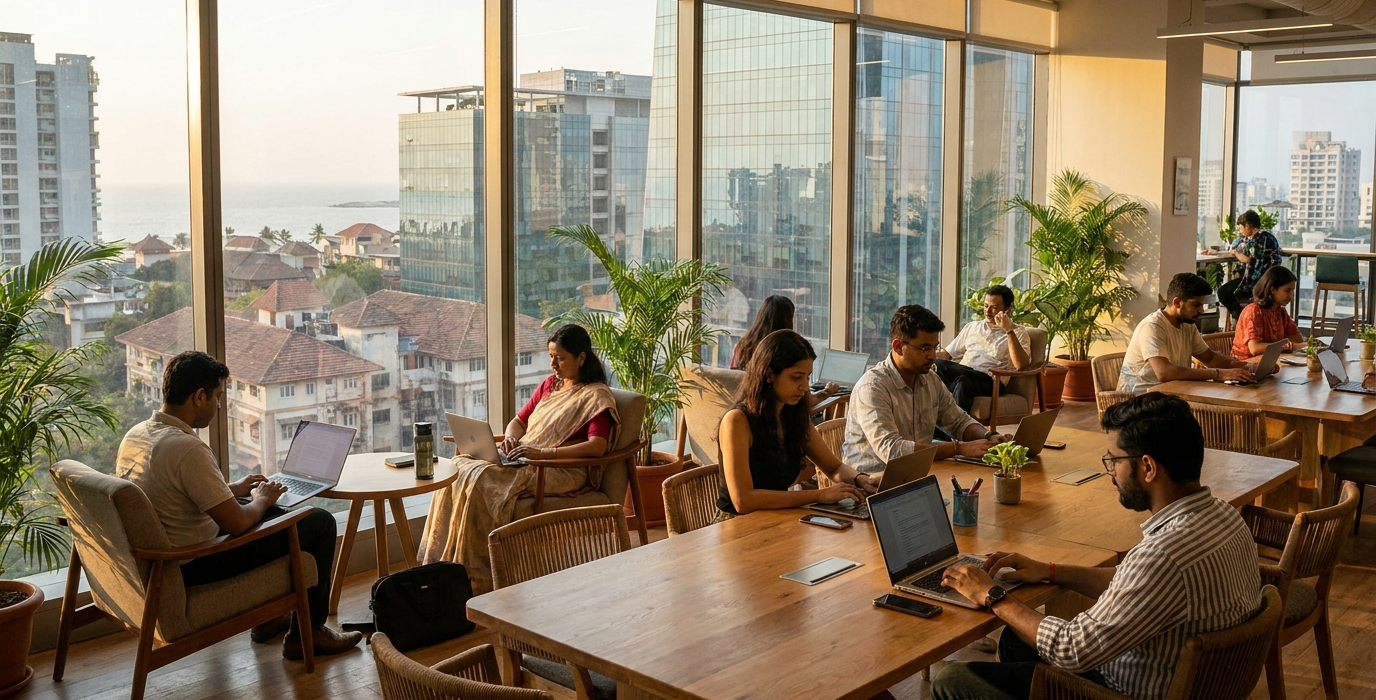
The co-working scene in Mumbai has exploded in recent years, moving far beyond basic desk rentals to become integrated community and business hubs. In 2026, these spaces are designed with the digital nomad’s diverse needs in mind, offering not just reliable internet and ergonomic seating, but also networking opportunities, workshops, and even social events. Whether you’re a solo freelancer or part of a remote team, you’ll find a perfect fit.
One standout is WeWork India, with multiple locations across the city, including the iconic Maker Max in Bandra Kurla Complex (BKC) and their Andheri East branches. They offer a premium experience with excellent amenities, from well-equipped meeting rooms to vibrant common areas designed for serendipitous encounters. Their global network also means you can access WeWork spaces in other cities if your travels take you elsewhere.
For a more boutique and locally-focused experience, consider CoHo in Lower Parel or Awfis spread across various prime locations like Chembur and Worli. CoHo often emphasizes a community-first approach, organizing regular member meetups and skill-sharing sessions. Awfis, on the other hand, provides a robust infrastructure with flexible plans that cater to individuals and growing teams alike. Many of these spaces offer day passes, weekly passes, and monthly memberships, allowing you to tailor your commitment to your stay.
A surprising aspect of Mumbai’s co-working evolution is the integration of wellness facilities. Many newer spaces now include quiet zones for meditation, yoga rooms, or even partnerships with local gyms. This reflects a broader understanding of the holistic needs of remote professionals, ensuring you can maintain both your physical and mental well-being while immersed in the city’s hustle.
Navigating Mumbai’s Urban Tapestry: Beyond the Workspace
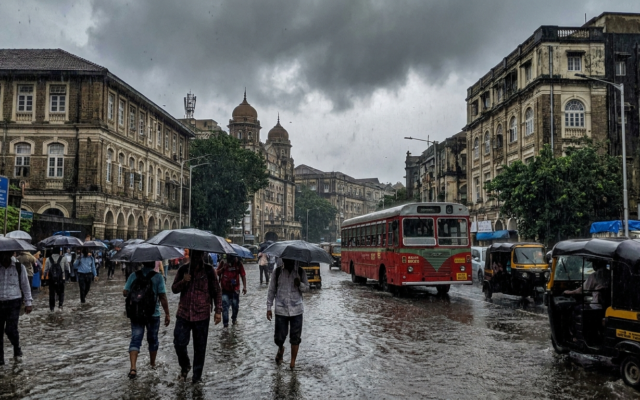
Mumbai is more than just its offices; it’s a pulsating organism of culture, history, and everyday life. For digital nomads, understanding how to navigate this urban tapestry is key to unlocking the city’s full potential. Getting around efficiently will quickly become second nature, and it’s an adventure in itself.
The Mumbai Suburban Railway, often called the ‘lifeline of Mumbai’, is an experience you won’t forget. While it can be crowded during peak hours, it offers an incredibly affordable and extensive network connecting most parts of the city. For a more comfortable journey, especially for longer distances or when carrying luggage, ride-sharing apps like Uber and Ola are ubiquitous and reasonably priced. Auto-rickshaws are also plentiful for shorter hops, but always agree on a fare beforehand or ensure the meter is used.
Beyond transport, immerse yourself in Mumbai’s diverse culinary scene. From street-side vada pav stalls in Dadar to upscale dining in Colaba, there’s a taste for every palate and budget. Explore local markets like Crawford Market for fresh produce and spices, or the bustling lanes of Bandra for trendy cafes and boutiques. Don’t miss the chance to visit iconic landmarks such as the Gateway of India or take a ferry to the Elephanta Caves for a dose of history and stunning views.
A specific tip for navigating Mumbai’s diverse neighbourhoods: each has its own distinct character. South Mumbai retains its colonial charm with grand architecture, while Bandra buzzes with a bohemian, artistic vibe. Worli and BKC are the modern business districts. Understanding these nuances will help you choose where to live, work, and explore based on your preferences.
Finding Your Home Base: Accommodation for Nomads in 2026
Securing comfortable and affordable accommodation is paramount for any digital nomad planning a significant stay in Mumbai. Fortunately, the city offers a range of options to suit different budgets and preferences, from serviced apartments to shared living spaces.
For longer stays, serviced apartments offer a great balance of home comforts and hotel-like amenities. Websites like Sonder, Zolo Stays, and various independent providers list fully furnished apartments with kitchens, Wi-Fi, and housekeeping services. These are often found in residential areas close to co-working hubs or business districts, offering convenience and a sense of local living. You can expect to pay anywhere from ₹30,000 to ₹70,000 per month for a decent studio or one-bedroom apartment, depending on the location and amenities.
Coliving spaces have also gained significant traction, providing private rooms within a shared apartment or building, complete with common areas and organized community activities. Companies like Common Ground and StayAbode curate these experiences, often including utilities and internet in a single monthly fee. This can be an excellent way to combat loneliness and build a social network quickly.
Budget-conscious nomads might explore guest houses or budget hotels, particularly in areas like Fort or Andheri. While they may lack the amenities of serviced apartments, they offer a more economical choice for shorter stints or if you plan to spend most of your time exploring. Always read recent reviews to ensure quality and safety. A surprising find for many is the availability of well-maintained, but less publicized, PG (Paying Guest) accommodations which can offer very competitive rates for private rooms with shared facilities.
Visa and Regulatory Landscape for International Nomads
For international digital nomads planning to work remotely from India, understanding the visa and regulatory landscape is crucial to avoid any unforeseen issues. As of 2026, India continues to refine its policies to attract global talent, but clarity is key.
Currently, a standard Tourist Visa allows for short stays and does not officially permit employment or remote work for Indian companies. However, for many digital nomads who are working for companies outside India, extended stays on a tourist visa have been common. It’s essential to be aware that this is a grey area, and policies can change. Always check the latest regulations with the Indian Embassy or Consulate in your home country before travelling.
There is ongoing discussion and anticipation surrounding the potential introduction of a dedicated Digital Nomad Visa for India. While not yet a reality across the board, some countries have begun experimenting with such visas, and India has indicated interest. Keep a close eye on official government announcements from the Ministry of Home Affairs or the Ministry of External Affairs for any updates. If such a visa is introduced, it would likely come with specific income thresholds and proof of remote employment.
Beyond visas, ensure you understand local laws regarding taxation and residency. While short-term stays usually don’t trigger tax obligations in India for income earned abroad, extended periods may require consultation with a tax advisor. Also, be mindful of local customs and etiquette to ensure a respectful and harmonious stay. A surprising detail for some newcomers is the mandatory requirement to register with the local police authorities if you are staying in India for more than 180 days continuously, even on a tourist visa; this is an administrative step to ensure visitor safety and monitoring.
Embracing the Mumbai Lifestyle: Health, Connectivity, and Culture
Thriving as a digital nomad in Mumbai in 2026 means more than just finding a good Wi-Fi signal; it’s about integrating into the city’s vibrant rhythm. This includes prioritizing your health, staying connected, and immersing yourself in the rich cultural tapestry.
Healthcare in Mumbai is of a high standard, with numerous reputable hospitals and clinics offering world-class medical services. For routine check-ups or unexpected illnesses, you’ll find both public and private healthcare facilities. It’s highly advisable to secure comprehensive travel insurance that covers medical emergencies, as private healthcare can be costly. Many international insurance providers offer plans tailored for expatriates and digital nomads.
Connectivity is generally excellent, especially in urban centres and co-working spaces. You can easily purchase a local SIM card from providers like Jio, Airtel, or Vodafone Idea at any mobile store. A prepaid plan offering substantial data is very affordable, typically costing around ₹500-₹700 per month for unlimited local calls and generous data packages. This ensures you remain connected for both work and personal use.
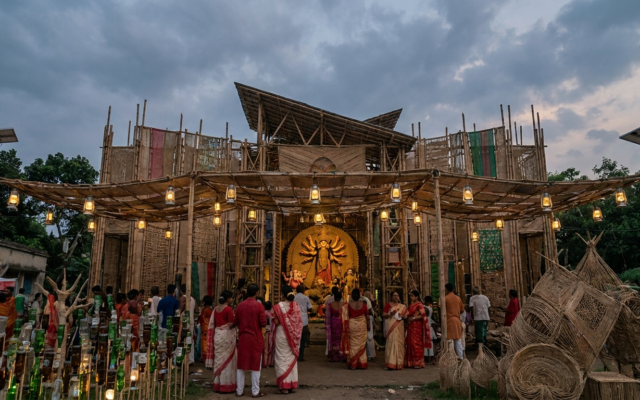
Culturally, Mumbai offers an endless array of experiences. From the traditional performing arts at the NCPA (National Centre for the Performing Arts) to the vibrant street art scene in Bandra, there’s something for everyone. Engage with local festivals, explore the diverse religious sites, and don’t shy away from striking up conversations with locals – Mumbaikars are known for their warmth and hospitality. A truly delightful aspect of embracing the Mumbai lifestyle is the sheer accessibility of diverse experiences; within a few hours, you can go from a bustling street food market to a serene beach like Juhu or a tranquil art gallery.
Frequently Asked Questions
What is the average cost of living for a digital nomad in Mumbai in 2026?
The average cost can range significantly, but a comfortable lifestyle for a digital nomad in Mumbai in 2026, including accommodation, co-working, food, and transport, can be estimated between ₹70,000 to ₹1,20,000 per month. This is highly dependent on your chosen accommodation and dining habits.
Is Mumbai safe for solo female digital nomads?
Mumbai is generally considered one of the safer metropolitan cities in India for solo female travellers and nomads. However, as with any large city, it’s important to exercise caution, be aware of your surroundings, especially at night, and avoid isolated areas. Using reputable transport services and trusted co-working spaces will enhance your safety.
What are the best neighbourhoods for digital nomads to stay in Mumbai?
Popular neighbourhoods include Bandra and Khar for their vibrant cafes, boutiques, and artistic vibe; Andheri for its proximity to the airport and numerous co-working spaces; and parts of South Mumbai like Colaba or Fort for their historical charm and access to business districts. Your choice will depend on your preference for atmosphere and proximity to work/amenities.
Do I need a local bank account to live and work in Mumbai as a nomad?
For shorter stays and if you are being paid by a company outside India, you can typically manage with international credit/debit cards and mobile payment apps. However, for longer stays or if you need to handle local transactions more frequently, opening a local bank account might be beneficial, though it can be a bureaucratic process for non-residents.
What is the most surprising thing about living in Mumbai as a digital nomad?
Many digital nomads find the sheer pace of life and the incredible resilience and optimism of its residents to be the most surprising aspects. Despite the challenges of a megacity, Mumbai offers a unique spirit of camaraderie and an almost infectious energy that makes living and working there an unforgettable experience.