Key Takeaways
- The 2026 monsoon season delivered unprecedented rainfall in several key regions, leading to significant flooding and infrastructure damage across India.
- Early warning systems, though improved, faced challenges in disseminating information effectively to remote and vulnerable communities.
- Infrastructure resilience, particularly in urban centres and along riverine belts, emerged as a critical area requiring substantial investment and upgrades.
- Community-led disaster response initiatives proved invaluable, highlighting the need for greater integration with official relief efforts.
Unprecedented Deluge: The 2026 Monsoon’s Fury
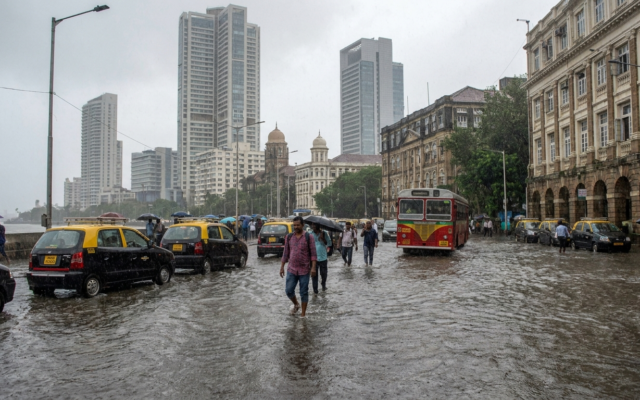
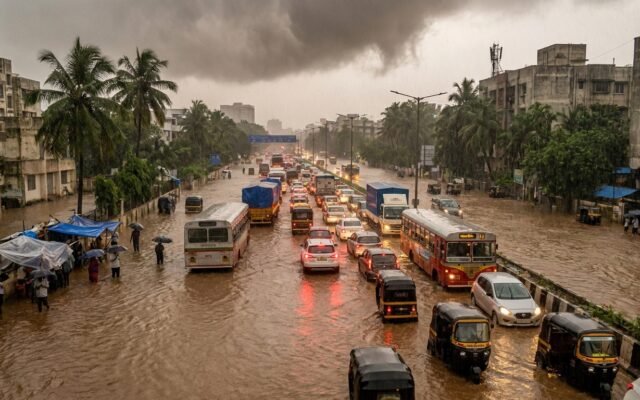
The monsoon clouds of 2026 gathered with an unusual intensity, unleashing a torrent that left many parts of India grappling with the aftermath of severe flooding. From the rain-drenched plains of Uttar Pradesh to the overflowing rivers of Assam and the coastal deluge in Kerala, the season proved to be one of the most challenging in recent memory. Major urban centres like Mumbai and Chennai, accustomed to monsoon downpours, found their drainage systems overwhelmed. Rural communities, particularly those reliant on agriculture in the Ganga-Brahmaputra delta, faced catastrophic crop losses and displacement.
The sheer volume of rainfall in short periods created flash floods and landslides in hilly regions, cutting off vital supply routes. Rivers like the Ganges, Brahmaputra, and even smaller tributaries swelled beyond their banks, submerging villages and towns. The economic impact is still being tallied, but initial estimates point to billions of dollars in damages to homes, businesses, and agricultural land. Beyond the immediate destruction, the long-term consequences for livelihoods and food security are a growing concern for millions.
The Human Cost
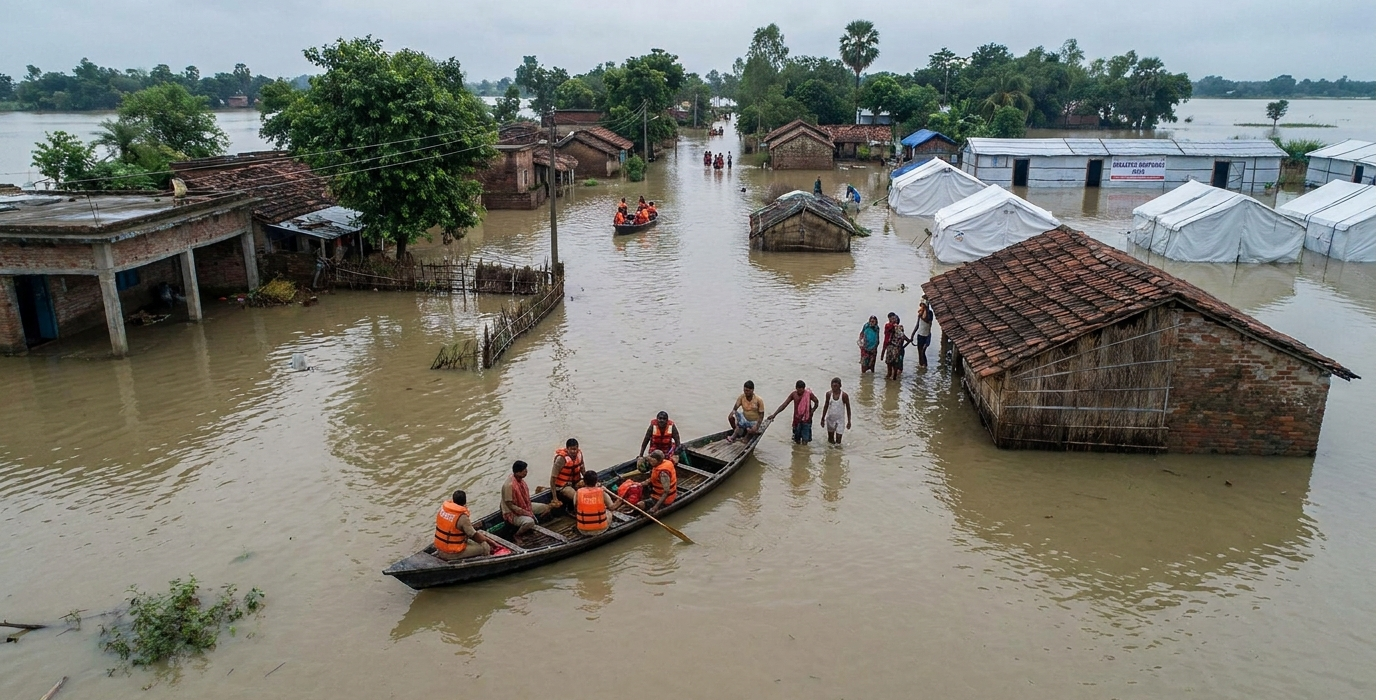
Beyond the statistics and infrastructure damage, the human cost is profound. Families in Bihar and West Bengal lost not only their homes but also generations of accumulated possessions. The emotional toll of displacement and uncertainty weighs heavily on affected populations. This season underscored the vulnerability of communities living in flood-prone areas, often those with the fewest resources to rebuild and recover.
Early Warnings: A Double-Edged Sword
India’s investment in meteorological forecasting and early warning systems has been substantial, and the 2026 monsoon saw these efforts put to a rigorous test. While meteorological departments accurately predicted the intensity and spread of the heavy rainfall in many instances, translating these warnings into actionable information for every citizen remains a significant hurdle. Mobile alerts and radio broadcasts reached many, but dense rural populations and those in areas with poor network connectivity often received delayed or no information.
The effectiveness of these warnings is directly proportional to the community’s ability to act upon them. For many, especially in low-lying areas, “acting” means evacuating homes, a process fraught with logistical challenges and often requiring pre-arranged shelter or transport. The disconnect between advanced scientific prediction and grassroots preparedness was starkly evident in several flood-affected districts. This year’s experience has renewed calls for a more integrated approach, where technological warnings are complemented by robust local disaster management committees.
Bridging the Information Gap
Efforts are underway to explore alternative communication channels, including local community leaders, satellite phones for remote areas, and even the use of drones for disseminating information in cut-off regions. The goal is to ensure that those most at risk receive timely and understandable warnings, empowering them to take necessary precautions.
Infrastructure Under Stress: What Broke and Why
The 2026 monsoon exposed critical weaknesses in India’s infrastructure, particularly in its urban centres and along its extensive river systems. Many cities, despite ongoing beautification projects, continue to rely on outdated and undersized drainage systems that simply cannot cope with extreme rainfall events. Areas like parts of Delhi and Bengaluru, which experienced unprecedented waterlogging, demonstrated this deficiency. The rapid pace of urbanization has often outstripped the development of resilient infrastructure, turning once-manageable showers into disruptive floods.
Along rivers, embankments and flood control measures, built decades ago, proved inadequate against the surge of swollen waterways. The sheer force of the water breached these barriers in numerous locations, leading to widespread inundation. Road networks and railway lines, the lifelines of the nation, were frequently disrupted by landslides and submerged tracks, impacting not just local movement but also the national supply chain. Power grids and communication networks also suffered significant damage, exacerbating the crisis.
The Cost of Neglect
The damage incurred is not merely a consequence of natural forces but also a reflection of historical underinvestment in infrastructure resilience. Retrofitting and upgrading these systems are not just an expense; they are an essential insurance policy against future monsoon calamities. The economic disruption caused by these failures far outweighs the cost of proactive upgrades.
The Resilience of Communities: Local Heroes Emerge
Amidst the devastation, the spirit of community resilience shone brightly. In villages across Uttar Pradesh and Bihar, neighbours helped neighbours, ferrying the elderly and infirm to safety, sharing dwindling food supplies, and providing shelter in elevated homes. Local disaster response teams, often comprised of volunteers and village elders, acted as the first line of defence, organising rescue operations and coordinating relief efforts even before official assistance could reach them. These on-the-ground efforts were crucial in saving lives and mitigating immediate suffering.
The effectiveness of these community-led initiatives highlights a vital lesson: disaster preparedness is not solely the responsibility of government agencies. Empowering local communities with training, resources, and clear communication channels can significantly enhance their capacity to respond. Such groups often possess invaluable local knowledge of terrain, vulnerable populations, and effective evacuation routes that external agencies might overlook. Their quick, adaptive responses often make the critical difference in the initial hours of a crisis.
A Model for the Future
Integrating these grassroots efforts more formally into national disaster management frameworks is a logical next step. Providing these communities with better equipment, regular training, and direct access to communication networks can amplify their impact and create a more robust, multi-layered disaster response system.
Lessons for 2027 and Beyond: A Call for Proactive Planning
The 2026 monsoon season serves as a stark reminder that climate change is not a distant threat but a present reality, and India must adapt its strategies accordingly. The unprecedented rainfall patterns necessitate a shift from reactive relief to proactive preparedness. This means investing significantly in climate-resilient infrastructure, from advanced urban drainage systems to reinforced river embankments and improved road connectivity in vulnerable areas.
Furthermore, the effectiveness of early warning systems must be enhanced by ensuring they reach the last mile. This involves a multi-pronged approach combining technological advancements with robust community engagement and the use of diverse communication channels. Education and awareness campaigns at the local level are crucial to ensure that warnings are understood and acted upon promptly. The focus must be on building capacity at the community level, enabling them to withstand and recover from climate-induced shocks.
The Economic Imperative
Investing in disaster preparedness is not just a humanitarian concern; it is an economic imperative. The recurring costs of flood damage and disaster relief are substantial and unsustainable. By contrast, upfront investments in resilience can save significantly more in the long run, protecting lives, livelihoods, and the nation’s developmental progress.
Surprising Insights from the 2026 Floods
This year’s monsoon brought to light some surprising aspects of flood preparedness and impact. One significant observation was the unexpected vulnerability of areas previously considered less at risk. For instance, certain highland regions in Maharashtra, not typically associated with major riverine floods, experienced severe flash floods due to intense localized rainfall and the absence of adequate natural drainage. This suggests that traditional risk assessments need to be revisited to account for the shifting patterns of extreme weather events.
Another surprising finding was the effectiveness of certain low-tech, traditional flood mitigation strategies when employed at scale. In parts of rural Odisha, communities revitalised traditional rainwater harvesting systems and constructed small, localised check dams, which significantly reduced the impact of surface runoff and flash floods in their villages. This offers a valuable lesson: while modern technology is essential, we should not overlook the wisdom embedded in indigenous practices. These methods, often low-cost and environmentally friendly, can complement larger infrastructure projects.
“The monsoon is a force of nature we must respect, not just endure. Our preparation must evolve from reacting to devastation to proactively building resilience, integrating technology with community wisdom.”
Frequently Asked Questions
What were the most severely affected regions in India during the 2026 monsoon?
The 2026 monsoon caused significant flooding in several regions, with particular severity noted in parts of Uttar Pradesh, Bihar, Assam, West Bengal, and coastal Kerala. Urban centres like Mumbai and Chennai also experienced severe waterlogging due to overwhelmed drainage systems.
How effective were the early warning systems during the 2026 floods?
Early warning systems provided accurate predictions for rainfall intensity in many areas, but their effectiveness was hampered by challenges in disseminating information to remote and less connected communities. The gap between prediction and actionable local response was a key issue.
What are the long-term implications of the 2026 monsoon flooding on India’s economy?
The long-term economic implications include substantial losses in agriculture, damage to infrastructure (roads, bridges, power grids), disruption of supply chains, and increased costs for disaster relief and rehabilitation. Rebuilding and mitigating future risks will require significant investment.
What lessons can India learn from the 2026 monsoon for future preparedness?
Key lessons include the urgent need for upgrading urban and rural infrastructure to be climate-resilient, improving the last-mile delivery of early warnings, empowering community-led disaster response initiatives, and integrating traditional, low-tech mitigation strategies with modern solutions.