Key Takeaways
- Mumbai’s urban landscape is rapidly embracing vertical farming, promising fresher produce and reduced carbon footprints.
- These high-tech farms, often housed in repurposed industrial spaces or dedicated structures, are optimizing resource use, especially water.
- The integration of AI and IoT is crucial for efficient monitoring and control, ensuring optimal growing conditions for a variety of crops.
- Challenges remain, including initial investment costs and educating consumers, but the long-term benefits for food security and sustainability are significant.
The Concrete Jungle Sprouts: Vertical Farming Takes Hold in Mumbai
Mumbai, a city synonymous with relentless energy and towering aspirations, is witnessing a quiet revolution bloom within its dense urban fabric. Beyond the iconic Gateway of India and the bustling lanes of Bandra, a new kind of agriculture is taking root – vertical farming. This innovative approach to food production is transforming forgotten corners and underutilized spaces into vibrant hubs of fresh, locally-grown produce. We’re talking about farms that ascend, not spread, stacking layers of crops under precisely controlled environments.
The urgency for such solutions in a megacity like Mumbai is palpable. With a population exceeding 20 million, the demand for fresh food is immense, and traditional agriculture often struggles to keep pace, relying on long supply chains that contribute to spoilage and carbon emissions. Vertical farms offer a compelling alternative, bringing food production closer to the consumer, drastically cutting down on transportation miles and ensuring peak freshness. This isn’t just a trend; it’s a critical adaptation for urban sustainability.
From Rooftops to Repurposed Warehouses: The New Agricultural Frontier
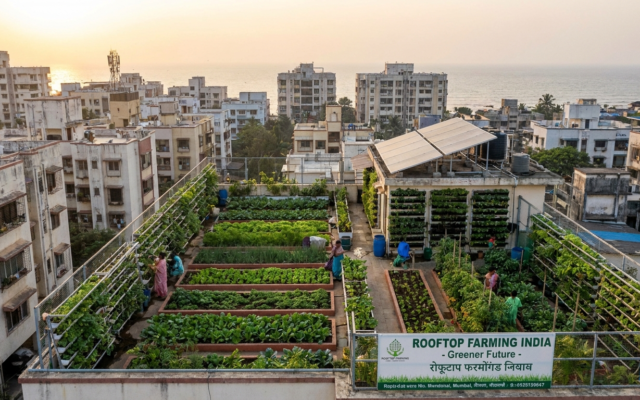
The visual of sprawling fields is being replaced by the sight of sleek, multi-tiered growing systems within the city limits. Mumbai’s vertical farms are diverse in their implementation, ranging from sophisticated, fully automated facilities to more community-driven projects on building rooftops. Many are finding homes in older, disused industrial areas, breathing new life into forgotten structures. Imagine former textile mills in areas like Parel or Worli now housing rows of vibrant greens, bathed in the glow of LED lights.
These farms utilize a variety of techniques, with hydroponics and aeroponics being the most prevalent. Hydroponics involves growing plants in nutrient-rich water solutions without soil, while aeroponics suspends plants in the air and mist their roots with nutrient-rich water. Both methods are incredibly water-efficient, using up to 95% less water than traditional farming. This is a game-changer in a city that, despite its coastal location, faces periodic water scarcity concerns.
The Technology Behind the Greens
At the heart of these modern farms lies a sophisticated interplay of technology. Sensors meticulously monitor every crucial element: temperature, humidity, CO2 levels, and nutrient concentrations. Artificial intelligence (AI) and the Internet of Things (IoT) are not just buzzwords here; they are the silent custodians of growth. These systems analyze data in real-time, making minute adjustments to optimize conditions for each specific crop.
This precision ensures consistent quality and yield, regardless of external weather patterns. Unlike conventional farming, which is at the mercy of monsoons or unexpected heatwaves, vertical farms provide a stable, predictable growing environment. This controlled approach also significantly reduces the need for pesticides and herbicides, leading to healthier produce. We’re seeing a future where your salad greens are grown just a few kilometers from your plate, not hundreds.
Beyond Leafy Greens: Diversifying the Urban Harvest
While leafy greens like lettuce, spinach, and kale often dominate the vertical farming landscape, the scope is expanding rapidly. Innovative startups are experimenting with a wider array of produce, pushing the boundaries of what can be successfully cultivated indoors. Think about strawberries, cherry tomatoes, and even certain types of herbs and medicinal plants finding their niche within these controlled environments.
The ability to grow these crops year-round, irrespective of seasons, is a significant advantage. This means Mumbai residents can enjoy a consistent supply of fresh produce, reducing reliance on imports and seasonal availability. For instance, a farm in Wadala might be supplying local restaurants with basil in August, a month when it might be scarce in traditional outdoor settings. The economic implications are also considerable, fostering local employment and creating new opportunities within the agricultural technology sector.
A Surprising Yield from Unexpected Places
One of the most fascinating aspects of Mumbai’s vertical farming surge is the sheer ingenuity in site selection. We’ve heard reports of successful operations being established in former underground parking garages in South Mumbai, utilizing the stable temperature and readily available infrastructure. Another surprising fact is the development of micro-vertical farms within residential complexes, providing hyper-local produce directly to apartment dwellers, sometimes just floors away from their kitchens.
This decentralization of food production is a powerful concept. It means that even in the most densely populated urban areas, fresh food can be cultivated. This not only enhances food security but also fosters a stronger connection between consumers and their food sources. The reduction in food miles is not just an environmental win; it’s a win for freshness and nutrition.
Economic Viability and Consumer Embrace: The Road Ahead
The economic model for vertical farming is evolving, and as technology matures, costs are gradually coming down. While the initial investment for setting up a sophisticated vertical farm can be substantial, the long-term benefits of increased yields, reduced water and land usage, and minimized spoilage often make it a sound proposition. Companies are finding creative ways to finance these ventures, from venture capital to government grants promoting sustainable agriculture.
However, consumer education remains a key area. Many people are still accustomed to the familiar sight of produce from open fields. Bridging this understanding gap, highlighting the benefits of freshness, nutritional value, and environmental sustainability, is crucial for widespread adoption. Local markets and direct-to-consumer models are proving effective in building trust and demonstrating the quality of vertically farmed produce. As more people experience the taste and convenience, the acceptance will undoubtedly grow.
The Cost Factor: A Comparative Look
Understanding the cost implications is vital for both operators and consumers. While the upfront capital for high-tech vertical farms is significant, ongoing operational costs can be competitive, especially when factoring in reduced transportation and waste. Here’s a simplified comparison to illustrate potential differences in operational expenses for different farming methods:
| Factor | Traditional Farming (Open Field) | Vertical Farming (Controlled Environment) | Community Rooftop Farm |
|---|---|---|---|
| Initial Setup Cost | Low to Moderate (Land acquisition, basic machinery) | High (Technology, infrastructure, lighting) | Moderate (Rooftop preparation, basic systems) |
| Water Usage | High (Rainfall dependent, irrigation) | Very Low (Recirculating systems, up to 95% less) | Low to Moderate (Rainwater harvesting, efficient irrigation) |
| Land Requirement | Extensive | Minimal (Vertical space utilization) | Moderate (Rooftop area) |
| Pesticide/Herbicide Use | Moderate to High | Negligible to None | Low to Moderate |
| Yield Consistency | Seasonal, weather-dependent | Year-round, consistent | Seasonal, weather-influenced |
| Transportation Costs | High (Long supply chains) | Very Low (Hyper-local) | Low (Local distribution) |
A Sustainable Future, Grown in the City
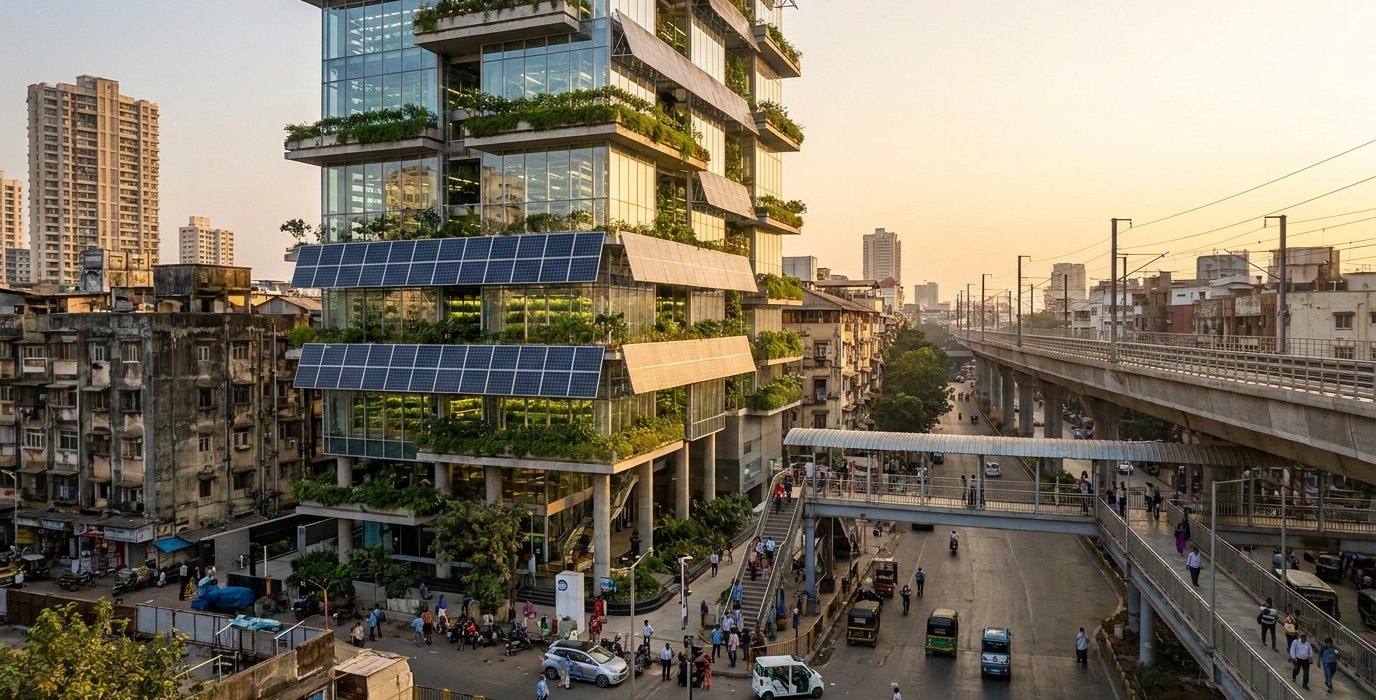
Mumbai’s embrace of vertical farming is more than just an agricultural innovation; it’s a testament to the city’s resilience and its capacity to adapt and thrive. By integrating food production into the urban fabric, these farms are contributing to a more sustainable future, reducing our environmental impact, and enhancing food security for millions. The sight of verdant layers reaching towards the sky, nestled amongst concrete and steel, is a powerful symbol of progress.
As we look ahead, the potential for vertical farming to transform urban living is immense. From reducing food deserts in underserved neighborhoods to providing fresh, nutritious food year-round, the benefits are far-reaching. We are on the cusp of a new era where our cities not only house people but also nourish them, directly from within. The green revolution in Mumbai is not just starting; it’s flourishing.
“The future of food in megacities like Mumbai isn’t about finding more land to farm, but about intelligently using the space we already have, transforming rooftops and forgotten structures into sources of fresh sustenance.”
Frequently Asked Questions
What are the main benefits of vertical farming in a city like Mumbai?
Vertical farming in Mumbai offers significantly fresher produce due to drastically reduced transportation distances. It also uses up to 95% less water than traditional agriculture and eliminates the need for pesticides, leading to healthier food and a reduced environmental footprint. Furthermore, it contributes to urban food security by providing consistent, year-round harvests.
Are vertically farmed products more expensive for consumers?
Initially, some vertically farmed products might have a slightly higher price point due to the significant investment in technology and controlled environments. However, as the industry scales and operational efficiencies improve, prices are becoming more competitive. Consumers often benefit from enhanced freshness and quality, which can offset minor price differences.
What types of crops are best suited for vertical farming in India’s climate?
While leafy greens and herbs are common, vertical farms can successfully grow a wide variety of crops. In India’s diverse climate, controlled environments are ideal for produce that might struggle outdoors, such as strawberries and certain tomato varieties. The key is the ability to precisely manage temperature, humidity, and light, making them suitable for a broader range of crops than traditional methods might allow.
How does vertical farming contribute to reducing food waste in Mumbai?
By locating farms directly within the city, often close to consumers or distribution hubs, the distance produce travels is minimized. This drastically reduces spoilage during transit, a major cause of food waste in traditional supply chains. Furthermore, controlled environments ensure consistent quality, leading to less rejection of produce due to blemishes or damage.