Key Takeaways
- Mumbai is embarking on a massive urban forest project, aiming to plant over 20 lakh trees by 2026-2027, focusing on biodiversity and climate resilience.
- The initiative involves transforming existing open spaces and underutilised land across the city, from Bandra to Borivali, into dense, native forests.
- Beyond aesthetics, the project is designed to combat air pollution, mitigate urban heat island effects, and enhance water management within the metropolis.
- Community involvement and technological integration, including AI-powered monitoring, are crucial components for the project’s long-term success and sustainability.
Mumbai’s Green Ambition: Planting a Resilient Future
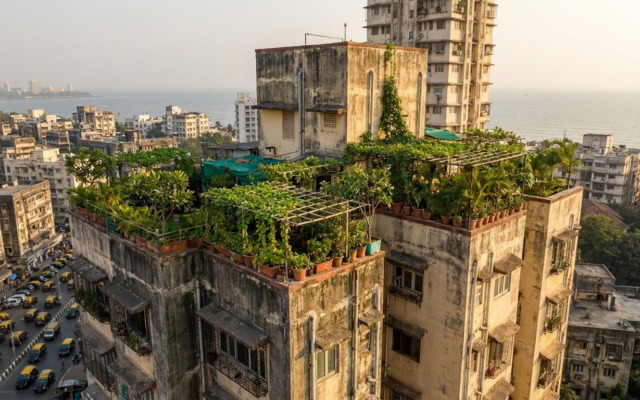
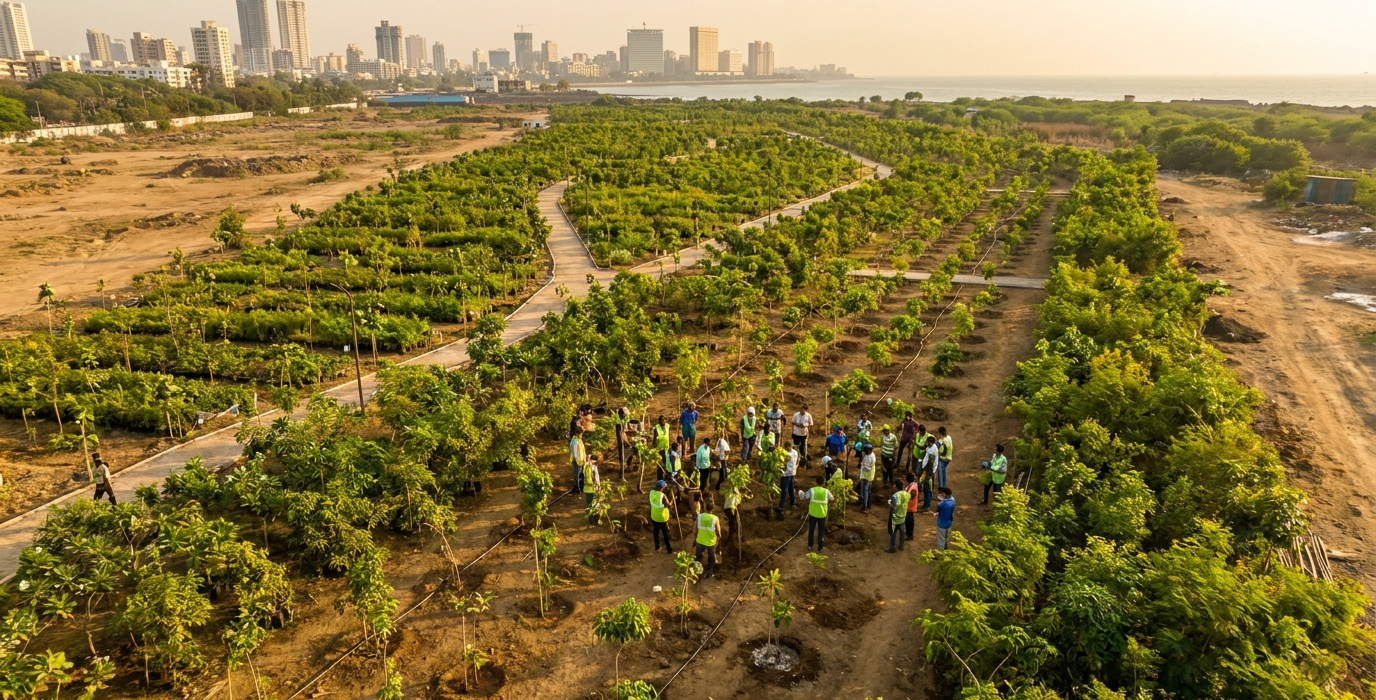
Mumbai, a city synonymous with bustling energy and relentless development, is now charting a course towards a greener, more resilient future. The Brihanmumbai Municipal Corporation (BMC) has unveiled an ambitious urban forest project, setting a target to plant a staggering 20 lakh trees by the close of the 2026-2027 financial year. This isn’t just about adding more greenery; it’s a strategic move to create vital ecological lungs for the city, addressing critical environmental challenges that plague megacities worldwide. The project aims to transform pockets of underutilised land and existing open spaces into dense, biodiverse forests, offering a much-needed sanctuary for both nature and Mumbaikars.
The vision extends beyond mere beautification. Each tree planted is a step towards a more liveable city, a commitment to combating the ever-present threat of air pollution, and a strategy to cool down the scorching urban heat island effect. We are talking about creating microclimates that can make a tangible difference in our daily lives, from breathing cleaner air to experiencing a more comfortable living environment. The project’s success hinges on meticulous planning, selecting native species that can thrive in Mumbai’s unique coastal climate, and fostering a sense of ownership among its citizens. It’s a testament to how urban planning can, and must, integrate ecological restoration for sustainable growth.
Transforming Urban Scars into Biodiversity Havens
The scale of this undertaking is immense, with the BMC identifying numerous locations across Mumbai that will be revitalised. Imagine the concrete jungles of Bandra, the sprawling suburbs of Borivali, and the industrial belts of Thane district – all envisioned to host these new urban forests. These aren’t going to be manicured gardens; the focus is on creating ecosystems that mimic natural forests, encouraging a rich tapestry of plant and animal life. This means prioritizing indigenous species that have adapted over centuries to the local soil and climate, ensuring their survival and the flourishing of associated flora and fauna.
The project aims to weave these green patches into the urban fabric, creating corridors that connect fragmented habitats and allow for the movement of wildlife. This approach is crucial for biodiversity conservation, especially in a densely populated metropolis like Mumbai. By transforming neglected patches of land, old dumping grounds, and underutilised government plots, the BMC is essentially healing urban scars and turning them into vibrant centres of ecological activity. We are not just planting trees; we are cultivating entire ecosystems that will contribute to the city’s environmental health for generations to come. This initiative is a bold declaration that development and nature can indeed coexist.
Combating Pollution and Heat: The Science of Urban Forests
The benefits of urban forests are well-documented, and Mumbai’s project is poised to leverage these advantages directly. Trees are nature’s air purifiers, absorbing harmful pollutants like particulate matter, carbon dioxide, and nitrogen oxides. As Mumbai grapples with alarming levels of air pollution, especially during certain seasons, these new forests will act as significant carbon sinks and natural filters, improving the air quality for millions. The dense canopy cover also plays a critical role in mitigating the urban heat island effect. Cities tend to be hotter than their surrounding rural areas due to the abundance of heat-absorbing surfaces like concrete and asphalt.
By increasing green cover, the urban forests will provide shade and release moisture through transpiration, effectively cooling the ambient temperature. This can lead to reduced energy consumption for cooling in buildings, a significant economic and environmental benefit. Furthermore, these green spaces will enhance water management. Tree roots help in soil stabilisation, reduce stormwater runoff, and improve groundwater recharge, which is vital for a city like Mumbai that faces both water scarcity and monsoon flooding challenges. This project is a multifaceted solution, addressing interconnected environmental issues with a single, powerful strategy.
A Surprising Fact: The ‘Miyawaki Method’ Influence
While the BMC’s approach is comprehensive, it draws inspiration from effective ecological restoration techniques. A key influence is likely the ‘Miyawaki Method’, developed by Japanese botanist Akira Miyawaki. This method advocates for planting native trees in dense, multi-layered arrangements, leading to rapid growth and the creation of self-sustaining forests in a fraction of the time traditional afforestation takes. By planting 30-50 saplings per square meter, and using a mix of native shrubs, trees, and ground cover, these mini-forests can mature into complex ecosystems within 20-30 years, compared to centuries for natural forests. This approach is known for its ability to create highly biodiverse environments that require minimal maintenance once established.
Community Power: Citizens as Guardians of the Green
A project of this magnitude cannot succeed in isolation. The BMC recognises that active community participation is paramount to the long-term success and sustainability of the urban forest initiative. Local residents, housing societies, NGOs, and educational institutions are being encouraged to adopt and nurture these green spaces. This could involve regular tree-care activities, awareness drives, and citizen science initiatives. By fostering a sense of ownership and responsibility, the project aims to ensure that these forests are not just planted but are also cherished and protected by the very communities they serve.
Imagine school children actively involved in planting and caring for trees in their neighbourhood park, or residents of a society taking turns to water saplings during dry spells. This collaborative approach creates a powerful network of guardians for Mumbai’s new green lungs. Furthermore, educational programmes will be integrated to highlight the ecological importance of these forests and the role each citizen can play in their preservation. This not only instils environmental consciousness but also builds a stronger, more connected community committed to a shared vision of a greener Mumbai.
Surprising Fact: AI-Powered Forest Monitoring
In a forward-thinking move, the BMC is exploring the integration of Artificial Intelligence (AI) for monitoring the health and growth of these newly planted urban forests. Advanced sensors and drone technology, coupled with AI algorithms, can provide real-time data on soil moisture, nutrient levels, pest infestations, and the overall vitality of the trees. This data-driven approach allows for proactive interventions, ensuring that any issues are addressed swiftly and efficiently, thereby maximising the survival rate of the saplings and optimising forest development. This technological edge ensures that Mumbai’s green leap is not just ambitious but also intelligently managed.
Economic and Social Returns: More Than Just Trees
The investment in urban forests extends far beyond environmental benefits; it promises significant economic and social returns for Mumbai. A greener city is often a more attractive city, drawing tourism and business investment. Improved air quality and reduced heat stress can lead to lower healthcare costs for residents, as the incidence of respiratory and heat-related illnesses declines. Furthermore, these green spaces offer invaluable recreational opportunities, providing residents with places to relax, exercise, and connect with nature, thereby improving mental well-being and overall quality of life.
The creation of these urban forests also generates employment opportunities, from the initial planting and maintenance to long-term ecological management and research. It stimulates a green economy within the city, fostering innovation in urban ecology and sustainability practices. Moreover, a robust urban forest can enhance property values in surrounding areas, making neighbourhoods more desirable and economically vibrant. This project is a strategic investment in Mumbai’s future, building a city that is not only economically prosperous but also environmentally healthy and socially cohesive.
Challenges and the Path Ahead: Navigating the Urban Jungle
Despite the exciting prospects, the path to establishing these urban forests is not without its challenges. Mumbai’s dense urban landscape presents unique hurdles, including land acquisition complexities, managing existing infrastructure, and ensuring adequate water supply for the saplings, especially in the initial stages. The sheer scale of planting 20 lakh trees requires robust logistical planning, including the sourcing of quality saplings, efficient transportation, and the deployment of skilled labour for planting and post-planting care.
Maintaining the momentum and ensuring the long-term health of these forests will require sustained commitment from the BMC and continued engagement from the community. Vandalism and encroachment on green spaces are perennial concerns in urban environments that will need careful management and community vigilance. Public awareness campaigns will be crucial in fostering respect for these new natural assets. The BMC’s commitment to using native species and potentially employing methods like the Miyawaki technique aims to mitigate some of these challenges by promoting faster growth and greater resilience. The journey will demand adaptability and a steadfast focus on the ultimate goal: a greener, healthier Mumbai for all.
Frequently Asked Questions
What is the main objective of Mumbai’s new urban forest project?
The primary goal is to significantly increase green cover by planting over 20 lakh trees by March 2027, creating dense, biodiverse urban forests to combat air pollution, mitigate the urban heat island effect, and improve water management.
When is the target completion date for planting the 20 lakh trees?
The target is to complete the planting of 20 lakh trees by the end of the 2026-2027 financial year.
What kind of trees will be planted?
The project prioritises planting indigenous and native species that are well-adapted to Mumbai’s coastal climate, promoting biodiversity and ensuring higher survival rates.
How will the public be involved in this project?
Community participation is a key aspect. Residents, NGOs, and educational institutions are encouraged to adopt and nurture green spaces through tree-care activities and awareness programmes. AI-powered monitoring will also be used.
What are the potential long-term benefits for Mumbai residents?
Residents can expect cleaner air, cooler temperatures, reduced healthcare costs due to fewer pollution-related illnesses, enhanced recreational spaces, and improved mental well-being.