Key Takeaways
- Discover essential Delhi street food experiences in 2026, from Chandni Chowk’s iconic chaat to Connaught Place’s evolving tastes.
- Navigate the city’s diverse culinary landscape with tips on hygiene, peak timings, and must-try regional specialties.
- Explore how traditional flavours are blending with modern influences, offering exciting new twists on beloved classics.
- Find out where to sample authentic Mughlai kebabs and refreshing North Indian curries that define Delhi’s street food scene.
Chandni Chowk: A Timeless Culinary Pilgrimage
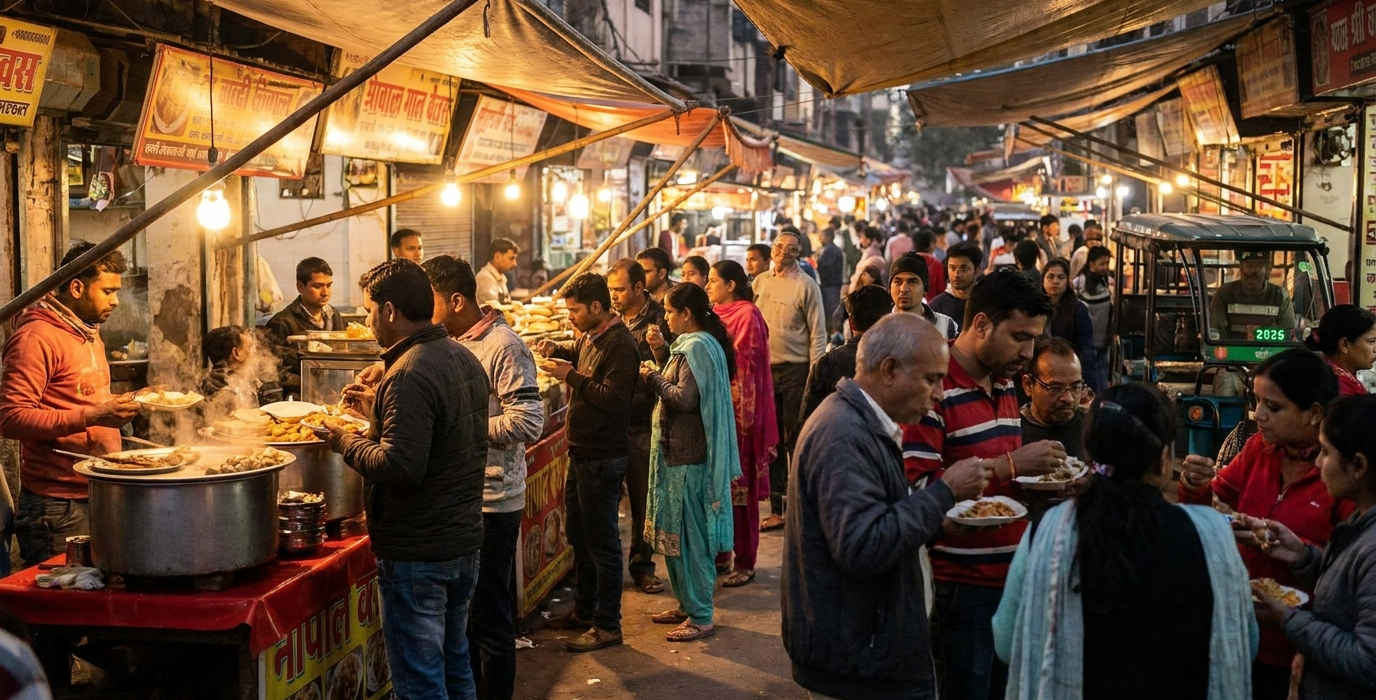
Chandni Chowk, the beating heart of Old Delhi, remains an undisputed epicentre for street food aficionados in 2026. This labyrinthine market, with its centuries-old charm, offers an unparalleled sensory feast. The aroma of frying jalebis, the sizzle of tikkis, and the vibrant colours of fresh produce create an intoxicating atmosphere that draws you in. It’s more than just food; it’s an immersion into Delhi’s rich culinary heritage.
When you venture into Chandni Chowk, be prepared for a delightful chaos. Each lane specializes in something unique. For instance, the paranthe wali gali, though some stalls have evolved, still offers a glimpse into the art of stuffing parathas with an astonishing array of fillings. Beyond this iconic lane, explore the lesser-known nooks for the most authentic tastes. Always keep an eye out for vendors with consistent crowds, a tacit endorsement of quality and taste.
One must-try here is the *aloo tikki* from a reputable stall like Ram Babu’s. The crispy potato patties, served with tangy chutneys and a dollop of yogurt, are a revelation. Another essential is the *golgappa* (pani puri), a delightful explosion of flavour. The water, often infused with mint and tamarind, is surprisingly refreshing, a testament to the careful preparation by seasoned vendors. Don’t shy away from trying the *chole bhature* either; the spicy chickpea curry paired with fluffy fried bread is a staple that never disappoints.
Connaught Place: Where Tradition Meets Trendy Bites
Connaught Place (CP), Delhi’s iconic circular market, is no longer just about branded showrooms and established restaurants. In 2026, its outer circles and street-side kiosks have transformed into a vibrant hub for contemporary street food, alongside long-standing favourites. Here, you can experience a delightful fusion of traditional Indian flavours with global influences, catering to a younger, trend-conscious crowd.
The food stalls around CP offer a more curated experience than the bustling lanes of Old Delhi. You’ll find well-organized carts and pop-up kitchens often adhering to higher standards of presentation and hygiene. This makes it an ideal spot if you’re new to Delhi street food or prefer a slightly more relaxed environment. Look out for vendors who are experimenting with innovative toppings and serving styles for classic dishes.
A significant trend in CP is the rise of fusion chaat. Imagine *papdi chaat* with a hint of sriracha or *dahi bhalla* topped with pomegranate seeds and a drizzle of balsamic glaze. While purists might raise an eyebrow, these modern interpretations offer a fresh perspective. Beyond the fusion, traditional delights like *momos* (Tibetan dumplings) are ubiquitous and incredibly popular, with vendors offering a variety of fillings and dipping sauces. Another evolving favourite is the *shawarma*, with many street vendors offering authentic and flavourful versions.
Karol Bagh: A Haven for Hearty North Indian Fare
For those seeking robust, satisfying North Indian flavours, Karol Bagh emerges as a prime destination in 2026. This busy commercial and residential area is renowned for its authentic, home-style cooking served from bustling street-side eateries and small, unpretentious restaurants. The emphasis here is on generous portions and deeply flavourful dishes that warm you from the inside out.
Karol Bagh is particularly famous for its *chole bhature* and *aloo puri*. The chole here are often slow-cooked to perfection, infused with a blend of aromatic spices that create a rich, earthy taste. The bhature, fluffy and golden-brown, are the perfect canvas for this flavourful curry. Many locals swear by the *Nathu’s Sweets* outlet here for a consistently excellent experience, though numerous smaller vendors offer equally delicious, if less polished, versions.
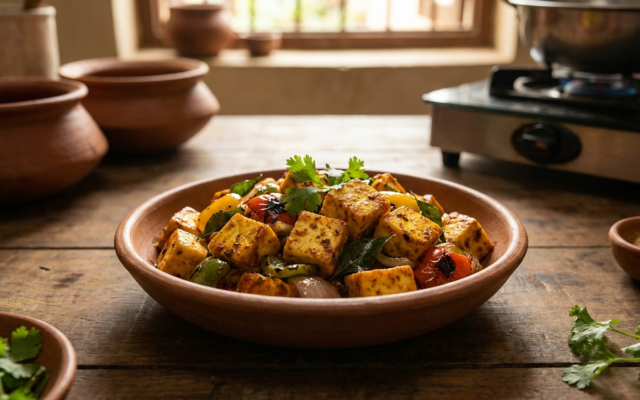
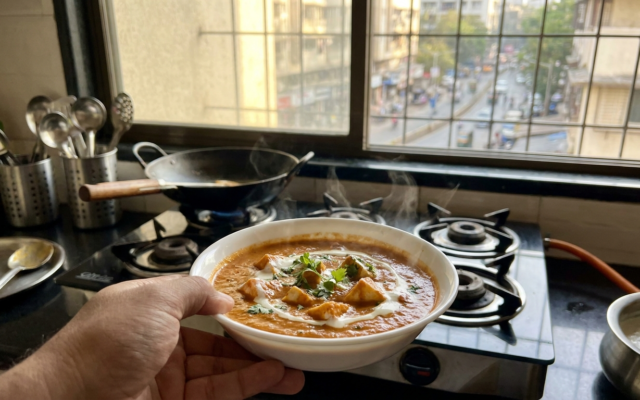
Beyond breakfast staples, Karol Bagh excels in its range of kebabs and curries. You’ll find vendors grilling succulent *seekh kebabs* and tender *malai tikkas* right before your eyes. The smoky aroma wafting through the air is simply irresistible. For a more substantial meal, explore the small eateries serving creamy *paneer butter masala* or spicy *mutton korma*. These dishes, best enjoyed with freshly made *naan* or *roti*, offer a true taste of North Indian hospitality and culinary prowess. Don’t forget to try the *lassi*, a thick, creamy yogurt drink, to balance the richness of the meal.
Jama Masjid Area: Mughlai Delights and Late-Night Cravings
As dusk settles over Delhi, the area around Jama Masjid transforms into a gastronomic wonderland, particularly famous for its Mughlai cuisine and late-night street food offerings in 2026. This is where you can experience the legacy of Mughal culinary traditions, served with an authenticity that is hard to find elsewhere. The vibrant atmosphere, especially after sunset, is electrifying, with the air thick with the scent of grilled meats and rich gravies.
The undisputed king of this area is *kebabs*. From the melt-in-your-mouth *boti kebab* to the flavourful *reshmi kebab*, the variety is astounding. Many vendors have perfected their family recipes over generations, ensuring each bite is a testament to their craft. A specific highlight is the *changezi chicken*, a rich, tomato-based curry that is both spicy and creamy, often served with flatbreads. The sheer flavour depth is remarkable.
Beyond the kebabs and curries, the Jama Masjid area is also known for its delectable *korma* and *nihari*. Nihari, a slow-cooked stew, is a breakfast delicacy for many but is also savoured late into the night. Its tender meat and flavourful broth are incredibly comforting. For dessert, you cannot leave without trying the *shahi tukda*, a rich bread pudding soaked in milk and garnished with nuts. It’s a decadent end to a truly royal meal. The best time to visit is after 9 PM, when the true magic of the area unfolds.
Hauz Khas Village: Artistic Ambiance and Global Flavours
Hauz Khas Village, with its historic fort overlooking a serene lake and its charming lanes, offers a unique blend of art, culture, and evolving street food in 2026. While it’s more known for its cafes and boutiques, the village also hosts a growing number of street food vendors, often catering to a more discerning palate. This setting provides a picturesque backdrop for enjoying delicious bites.
The street food scene here tends to be more eclectic, reflecting the cosmopolitan nature of its visitors. You’ll find international favourites like *crepes*, *waffles*, and gourmet *hot dogs* alongside Indian snacks. However, the Indian offerings are often given a creative twist. For example, you might find *pav bhaji* with a sundried tomato pesto or *pani puri* with innovative flavoured water infusions.
One of the surprising specialties you might encounter is expertly crafted *biryani* from smaller, independent vendors. Unlike the massive commercial operations, these smaller stalls often focus on a single type of biryani, perfecting its aroma and flavour. Another evolving trend is the presence of artisanal ice cream and dessert stalls, offering unique flavours inspired by Indian ingredients like cardamom, saffron, and rose. The ambiance of Hauz Khas Village, especially in the evening, makes even a simple street food snack feel like a special occasion. The proximity to the historical monuments adds a layer of charm to the culinary exploration.
South Extension and Defence Colony: Upscale Street Food Experiences
For those who prefer their street food with a side of sophistication, the markets of South Extension and Defence Colony offer a refined experience in 2026. These affluent neighbourhoods are home to popular street food vendors who have established a strong reputation for quality, taste, and hygiene. Here, you can enjoy classic Indian street food in a cleaner, more organised environment.
The focus in these areas is often on well-executed classics. Expect to find some of the city’s best *chaat*, with vendors meticulously preparing their ingredients. The *bhalla papdi* here is often praised for its perfect balance of crisp papdi, soft lentil fritters, and tangy chutneys. Similarly, the *aloo chaat* is a standout, with perfectly diced and seasoned potatoes that offer a delightful crunch.
Beyond chaat, these markets are also known for their excellent *momos* and *rolls*. Vendors here often use high-quality ingredients, ensuring that the fillings are flavourful and the rolls are packed generously. You might also discover specialized stalls selling regional Indian delicacies that have been adapted for a wider audience. For instance, a vendor might offer a unique South Indian *dosa* variation or a distinctively prepared *vada pav*. The prices might be slightly higher than in older parts of the city, but the overall experience, from the cleanliness to the quality of food, often justifies the premium. These markets are perfect for a leisurely evening stroll followed by some delicious, high-quality street food.
| Street Food Item | Typical Price Range (2026) | Best Areas to Find | Notes |
|---|---|---|---|
| Aloo Tikki | ₹40 – ₹80 | Chandni Chowk, Connaught Place | Crispy potato patties, served with chutneys and yogurt. |
| Gol Gappa (Pani Puri) | ₹30 – ₹60 (per plate) | Chandni Chowk, everywhere | Hollow puris filled with spiced water and fillings. |
| Chole Bhature | ₹80 – ₹150 | Karol Bagh, Old Delhi | Spicy chickpea curry with fluffy fried bread. |
| Kebabs (Seekh, Boti) | ₹100 – ₹250 (per plate) | Jama Masjid Area, Old Delhi | Marinated and grilled skewers of meat. |
| Momos | ₹60 – ₹120 (per plate) | Connaught Place, Hauz Khas Village | Steamed or fried dumplings, often with spicy sauce. |
| Shawarma | ₹100 – ₹180 | Connaught Place, various markets | Marinated meat wrapped in flatbread with sauces. |
| Shahi Tukda | ₹80 – ₹150 | Jama Masjid Area | Rich bread pudding, a decadent dessert. |
“Delhi’s street food scene in 2026 is a dynamic interplay of centuries-old traditions and innovative culinary spirit. It’s a place where you can taste history in a bite, but also discover exciting new flavour combinations that reflect the city’s ever-evolving identity.”
Frequently Asked Questions
What is the best time to visit Delhi for street food?
The best time to experience Delhi’s street food is generally in the evening, from 7 PM onwards, when most vendors are fully operational and the weather is cooler, making it more pleasant to eat outdoors. However, some breakfast items like chole bhature are best enjoyed in the morning. The Jama Masjid area truly comes alive after 9 PM.
How can I ensure I eat safely at street food stalls?
To eat safely, look for stalls that are busy with locals, indicating freshness and popularity. Observe the vendor’s hygiene practices: do they handle money and food separately? Are the ingredients visibly fresh? Opt for freshly prepared and hot food, and drink bottled water. If you have a sensitive stomach, start with milder options.
Are there any regional specialties I must try beyond the usual chaat?
Absolutely! Beyond the ubiquitous chaat, you should seek out Mughlai specialities like kebabs and curries near Jama Masjid, hearty North Indian fare like chole bhature and parathas in Karol Bagh, and Tibetan momos found in many busy markets. Also, don’t miss regional sweets like Shahi Tukda.
How has Delhi’s street food scene changed in 2026?
In 2026, Delhi’s street food scene is characterized by an increased focus on fusion and gourmet interpretations of classic dishes, particularly in areas like Connaught Place and Hauz Khas Village. While traditional flavours remain strong, there’s a growing trend of innovative presentations and ingredient combinations, alongside a noticeable emphasis on enhanced hygiene and quality standards across many popular stalls.