Key Takeaways
- Mumbai experienced its most intense summer on record in 2026, with prolonged heatwaves and unprecedented humidity levels impacting daily life.
- Staying hydrated with readily available, safe water sources like filtered tap water and fortified coconut water is paramount.
- Urban planning needs to integrate green spaces and sustainable infrastructure to combat the “urban heat island” effect.
- Community resilience initiatives, from neighbourhood cooling centres to early warning systems, are becoming essential for survival.
Mumbai’s Scorching Summer of 2026: A New Reality
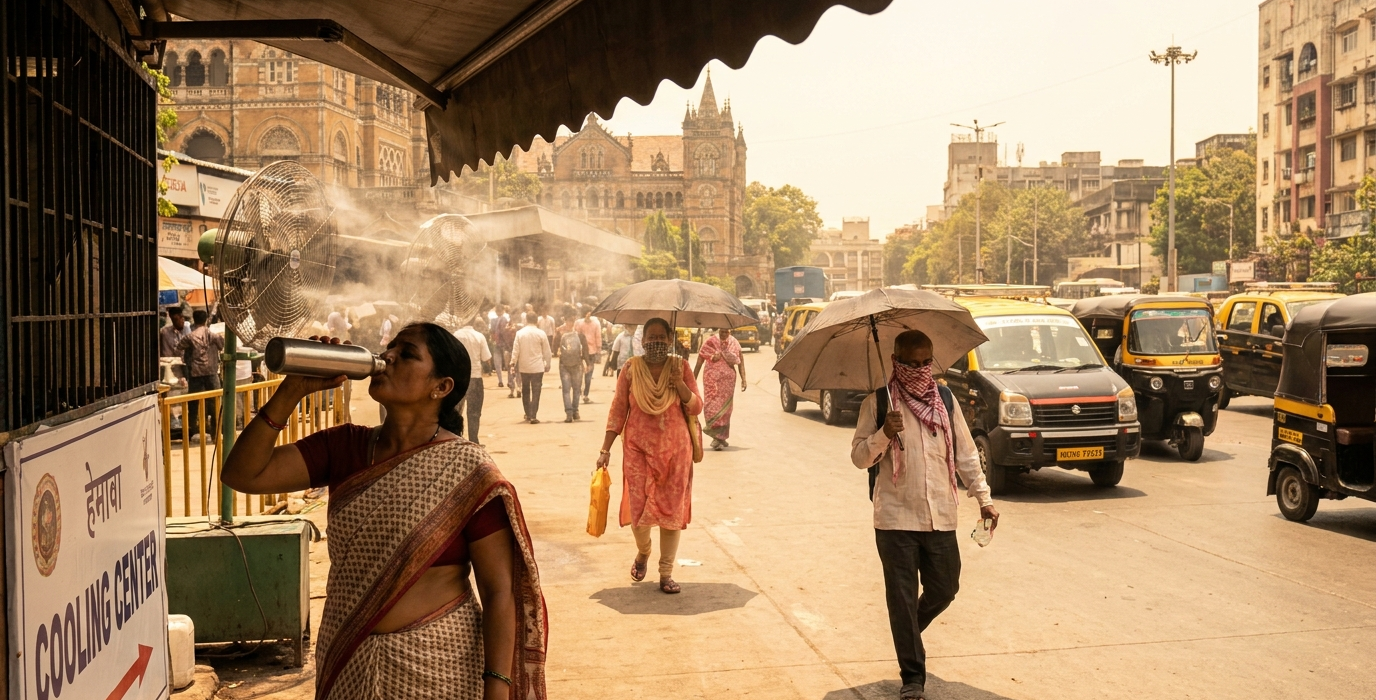
The summer of 2026 has etched itself into the collective memory of Mumbai, not with the usual monsoon anticipation, but with a relentless, suffocating heat that pushed the city to its limits. For weeks on end, temperatures consistently hovered around the 40°C mark, often feeling much higher due to the oppressive humidity. This wasn’t just another hot spell; it was a sustained assault on the city’s infrastructure and its people, particularly those most vulnerable. The familiar respite of the sea breeze offered little solace as the mercury climbed and the air grew thick and heavy.
This prolonged period of extreme heat brought with it a cascade of challenges. Power outages, once a minor inconvenience, became a serious threat to life, especially for the elderly and those with pre-existing health conditions. Water scarcity, always a concern in the monsoonedependent megacity, was exacerbated as demand surged and existing supplies strained. We saw a noticeable increase in heat-related illnesses, overwhelming local clinics and emergency services. The vibrant pulse of Mumbai seemed to slow, replaced by a collective struggle for basic comfort and survival.
The Science Behind the Swelter: Understanding the Heat Island Effect
Mumbai, like many megacities, has long grappled with the “urban heat island” (UHI) effect, but 2026 amplified this phenomenon to alarming levels. The dense concentration of concrete, asphalt, and glass absorbs and re-emits solar radiation far more efficiently than natural landscapes. This trapped heat creates a microclimate that is significantly warmer than surrounding rural areas, even at night. The relentless construction, a hallmark of Mumbai’s growth, has only intensified this effect, replacing verdant spaces with heat-absorbing surfaces.
In 2026, we witnessed the UHI effect in stark relief. Areas with less green cover, such as the bustling commercial districts of South Mumbai and the industrial belts of Thane, recorded the highest temperatures. Conversely, pockets with more established green spaces, like the Sanjay Gandhi National Park and some older residential areas with mature trees, offered marginal, yet crucial, pockets of cooler air. This stark contrast underscores the urgent need for urban planning that prioritises and integrates nature-based solutions, such as increased tree cover and permeable surfaces, to mitigate the extreme heat. It’s a battle against our own built environment, and in 2026, the concrete seemed to be winning.
Surprising Fact 1: The “Urban Canyon” Phenomenon
Did you know that the tall buildings in Mumbai’s dense urban cores can create “urban canyons”? These canyons trap heat and pollution, preventing cooler air from circulating and reflecting radiated heat back down to street level. This phenomenon significantly contributes to the extreme temperatures experienced in areas like Nariman Point and Bandra Kurla Complex during prolonged heatwaves, making them feel even hotter than official temperature readings suggest.
Hydration is Non-Negotiable: Your Guide to Staying Cool and Safe
In the crucible of Mumbai’s 2026 summer, staying adequately hydrated wasn’t just a recommendation; it was a life-saving imperative. With temperatures soaring and humidity levels making sweat evaporate slowly, the risk of dehydration and heatstroke escalated dramatically. We saw an unprecedented demand for safe, accessible drinking water across the city. Public health advisories shifted from gentle nudges to urgent calls for constant fluid intake, highlighting the critical role of water in maintaining bodily functions under duress.
The most accessible and reliable source for many remained filtered tap water. Municipal authorities, thankfully, increased the frequency of water quality checks and public awareness campaigns about the importance of boiling or filtering water, especially in older, more vulnerable neighbourhoods. Beyond tap water, the humble coconut water became a precious commodity, offering not just hydration but also essential electrolytes. Many small vendors, often working tirelessly under the sun, played a crucial role in distributing these life-saving fluids. We also saw an innovative trend: fortified electrolyte drinks becoming more widely available and affordable, a direct response to the prolonged dehydration risks.
Surprising Fact 2: The Rise of Community Water Stations
During the peak of the 2026 heatwave, several Mumbai neighbourhoods, particularly in densely populated areas like Dharavi and Malad, saw the spontaneous emergence of community-run water stations. Residents pooled resources to buy large water dispensers and ice, offering free or subsidised chilled water to anyone in need. This grassroots initiative, driven by a sense of collective responsibility, proved to be a vital lifeline for many, demonstrating the power of community action in the face of environmental crises.
Beyond the Basics: Practical Cooling Strategies for Indian Homes
Living through Mumbai’s 2026 summer demanded more than just a fan and a bottle of water. For those without consistent air conditioning, adapting our homes became a crucial survival strategy. The traditional Indian approach to cooling, often rooted in understanding natural ventilation and material properties, proved invaluable. We rediscovered the effectiveness of simple, yet powerful, techniques that have been passed down through generations, proving that innovation doesn’t always require high-tech solutions.
The most immediate and effective strategy was optimising natural ventilation. We learned to open windows and doors on opposite sides of the house during cooler early morning and late evening hours to create cross-breezes. Closing them firmly during the peak heat of the day, especially on the sun-facing side, trapped cooler air inside. Dampening curtains and bedsheets provided a surprisingly effective way to cool the immediate environment through evaporative cooling. Hanging wet cloths in front of fans also offered a temporary, localised chill. For those with access, using cooler materials like cotton and linen for clothing and bedding made a significant difference.
Adapting Traditional Homes
Older homes, often built with thick stone walls and high ceilings, inherently offered better insulation. However, even these benefited from strategic adjustments. Shading windows with bamboo mats or thick cloth prevented direct sunlight from entering and heating up the interiors. Keeping lights and electronic devices off whenever possible also reduced internal heat gain. While not always feasible for everyone, exploring options like roof insulation or green roofs, even on a small scale for balconies, offered long-term benefits for reducing heat absorption.
Community Resilience: Building Neighbourhoods that Weather the Storm
The intense heat of 2026 highlighted a crucial truth: individual survival is deeply intertwined with community strength. As the mercury climbed, it became clear that organised, collective action was not just beneficial, but essential. Neighbourhoods that fostered a strong sense of solidarity and cooperation were better equipped to support their most vulnerable members and manage the cascading challenges posed by the prolonged heatwaves. This wasn’t just about sharing resources; it was about building a safety net woven with human connection.
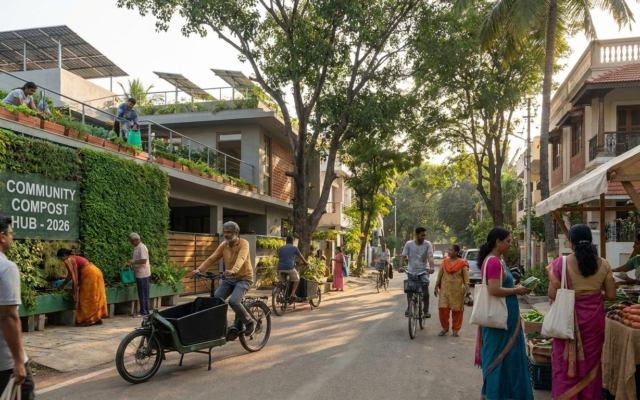
Establishing neighbourhood cooling centres became a priority for many Resident Welfare Associations (RWAs) and community groups. These could be as simple as a community hall or a library with adequate ventilation and access to drinking water, offering a refuge for those without adequate cooling at home. Early warning systems, leveraging local WhatsApp groups and volunteer networks, proved invaluable in disseminating information about extreme heat advisories, power outage schedules, and the availability of cooling centres. Volunteer-led initiatives to check on the elderly and infirm became a lifeline, ensuring that no one was left to suffer in isolation.
The Power of Shared Resources
In areas like Bandra and Juhu, we saw the organisation of shared access to coolers and fans. Neighbours with the means lent their appliances to those who didn’t, creating a tangible sense of mutual support. In communities where traditional water wells still exist, there was a renewed effort to maintain their cleanliness and ensure they remained a reliable source of water. This collective spirit, a hallmark of Indian social fabric, was truly tested and, in many instances, emerged stronger.
The Future of Mumbai: Climate-Resilient Urban Planning is Now
The summer of 2026 has served as an undeniable wake-up call for Mumbai. The traditional approaches to urban development are no longer sufficient in the face of escalating climate change impacts. We need a radical rethinking of how our cities are built, managed, and sustained to ensure they can withstand and adapt to extreme weather events. This isn’t a future concern; it’s an urgent necessity that requires immediate and sustained action from policymakers, developers, and citizens alike.
The core of this transformation lies in integrating green infrastructure. This means significantly increasing tree cover, creating more parks and urban forests, and promoting vertical gardens and green roofs. These natural elements not only cool the environment through shade and evapotranspiration but also help manage stormwater and improve air quality. Sustainable building materials and designs that promote natural ventilation and reduce heat absorption are paramount. Encouraging the use of reflective surfaces on roofs and pavements can also significantly reduce ambient temperatures.
Rethinking Transportation and Water Management
Furthermore, transportation networks need to be designed with climate resilience in mind. This includes investing in public transport that is less exposed to direct heat and developing strategies to manage heat stress for commuters and transport workers. Water management systems must be adapted to handle both intense rainfall and prolonged dry spells, with a focus on rainwater harvesting, water recycling, and efficient distribution. The lessons from 2026 must translate into concrete policies and actions that build a more resilient and liveable Mumbai for generations to come.
| Cooling Strategy | Effectiveness Rating (1-5) | Cost Implication (Low/Medium/High) | Implementation Difficulty (Easy/Medium/Hard) | Notes |
|---|---|---|---|---|
| Optimising Natural Ventilation | 4 | Low | Easy | Open windows/doors strategically; close during peak heat. |
| Dampening Curtains/Sheets | 3 | Low | Easy | Provides temporary evaporative cooling. |
| Using Bamboo Mats/Thick Cloth for Shading | 4 | Low | Easy | Prevents direct sunlight ingress. |
| Community Cooling Centres | 5 | Medium (Shared) | Medium | Requires coordination and resources; vital for vulnerable groups. |
| Increasing Green Cover (Trees, Parks) | 5 | High (Long-term) | Hard (Requires policy & planning) | Fundamental for mitigating UHI effect. |
| Reflective Roofs/Pavements | 4 | Medium | Medium | Reduces heat absorption in urban areas. |
“The summer of 2026 has taught us that our cities must become more like living organisms, adapting to and coexisting with a changing climate, rather than fighting against it.”
Frequently Asked Questions
What were the average temperatures in Mumbai during the 2026 summer heatwave?
While official readings varied, many parts of Mumbai experienced sustained periods with temperatures exceeding 40°C (104°F). Combined with high humidity, the “feels like” temperature often reached well over 45°C (113°F) for extended durations.
Are there government initiatives planned to combat future heatwaves in Mumbai?
Yes, following the severe 2026 summer, the Maharashtra government and BMC have announced plans to expand urban greening projects, implement stricter building codes for heat resilience, and enhance public water infrastructure. However, the success of these initiatives will depend on their timely and effective implementation.
What are the immediate steps I can take if I feel unwell due to the heat?
If you experience symptoms like dizziness, nausea, or severe headache, immediately move to a cooler, shaded area. Drink plenty of water or oral rehydration solution, and if symptoms persist or worsen, seek medical attention promptly. Staying hydrated throughout the day, even when you don’t feel thirsty, is crucial.
How can I make my home cooler without air conditioning?
Focus on natural ventilation: open windows during cooler parts of the day and close them during peak heat. Use damp cloths or curtains to create evaporative cooling, shade windows from direct sunlight, and minimise internal heat sources like electronics and lights. Consider using fans to circulate air.