Key Takeaways
- The much-anticipated Aqua Line (Line 6) of the Mumbai Metro, opening in late 2026, promises to drastically cut travel times across the city.
- This expansion connects key commercial hubs like Goregaon and Kanjurmarg, easing congestion on arterial roads and offering a greener commute.
- Expect enhanced last-mile connectivity with integrated feeder services and improved pedestrian infrastructure around stations.
- The Aqua Line is set to boost real estate values and economic activity in the areas it serves, making these locales more attractive for residents and businesses alike.
Mumbai’s Aqua Line: A New Era of Commuting Dawns
The hum of progress is palpable in Mumbai. As the city gears up for the grand unveiling of the Mumbai Metro’s Aqua Line (Line 6) in late 2026, a new chapter in urban mobility is set to begin. This isn’t just another transport project; it’s a lifeline, a promise of smoother commutes, and a catalyst for economic growth across the sprawling metropolis. For millions of Mumbaikars, the daily struggle of navigating traffic jams and overcrowded local trains is a reality they hope to leave behind.
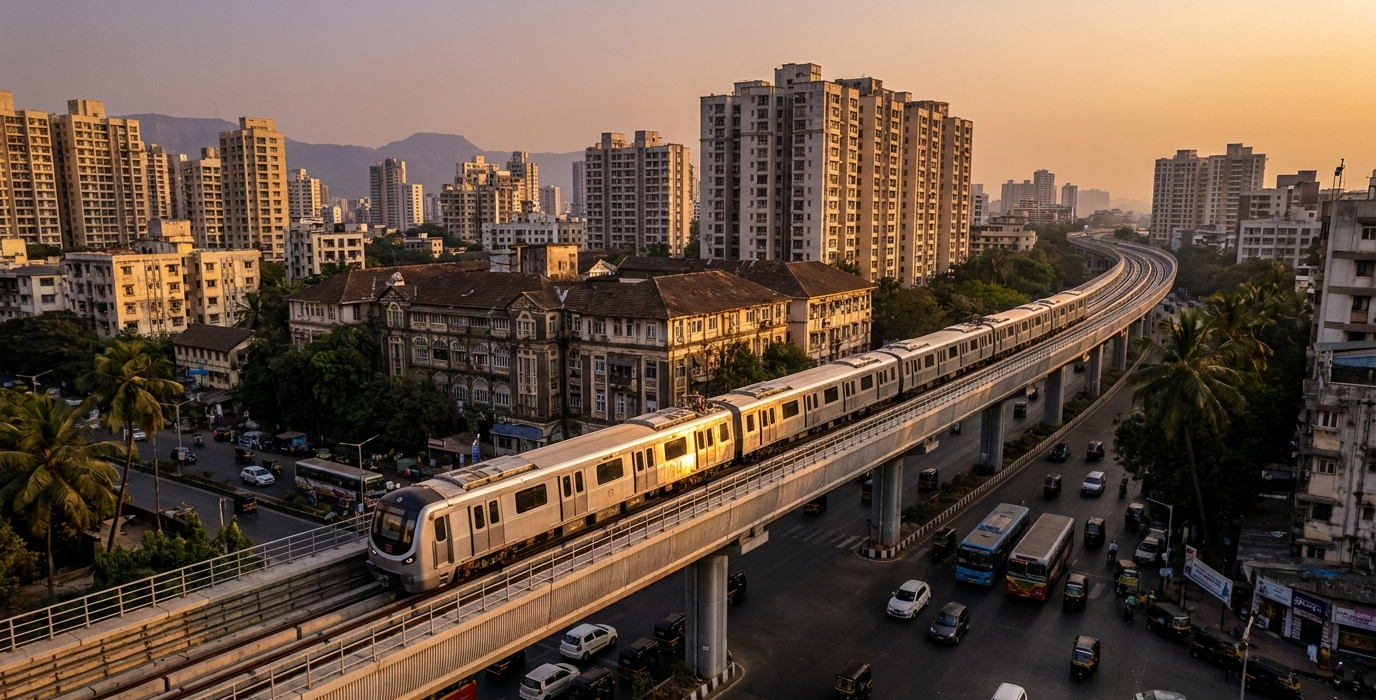
The Aqua Line stretches a significant 14.5 kilometers, weaving through some of Mumbai’s most dynamic and congested corridors. Its strategic alignment connects the eastern and western suburbs, bridging a critical gap in the existing metro network. This expansion is expected to shave off considerable travel time, turning arduous journeys into manageable commutes. We’re talking about transforming hours spent in transit into precious time reclaimed for work, family, or leisure.
The anticipation is mounting, and rightly so. This new line is more than just steel and concrete; it represents Mumbai’s relentless drive towards a more connected, efficient, and sustainable future. Get ready to experience your city in a whole new light.
Bridging the Divide: Connecting Key Hubs
The Aqua Line’s primary strength lies in its strategic route, connecting the bustling western suburb of Goregaon to the eastern commercial hub of Kanjurmarg. This connection is a game-changer for thousands who currently face grueling commutes between these two pivotal areas. Imagine travelling from Goregaon, a major residential and business district, directly to Kanjurmarg, home to numerous IT parks and corporate offices, in a fraction of the current time. The line will feature 13 stations, each designed to be an accessible gateway to different parts of the city.
Key stations along the route include Oberoi Mall in Goregaon, Film City, Gokuldham, and the crucial interchange points at Andheri (East) and Ghatkopar. These interchange stations are vital, allowing seamless switching to other metro lines and the suburban railway network, further amplifying the connectivity benefits. The integration with existing transport infrastructure is a testament to thoughtful urban planning, ensuring that the Aqua Line doesn’t operate in isolation but as a vital node in a larger, interconnected web.
The impact on daily commuters will be profound. Reduced travel times mean less stress, increased productivity, and more disposable income for individuals who currently spend a fortune on fuel or fares. For businesses, it translates to a wider talent pool and easier access for clients and employees. The efficiency gained will ripple through the city’s economy, making Mumbai an even more attractive place to live and work. One surprising fact is that the construction involved nearly 2,000 individual piles for the elevated sections, a testament to the sheer scale of engineering required.
Beyond the Commute: Economic and Lifestyle Impacts
The arrival of the Aqua Line is poised to trigger a significant uplift in real estate values and economic activity in the areas it serves. Neighbourhoods that were once considered peripheral or difficult to access are now becoming prime locations. Developers are already eyeing opportunities, with new residential and commercial projects expected to spring up around station areas. This influx of development promises to create new jobs and amenities, further enhancing the quality of life for residents.
For homebuyers and investors, this presents a golden opportunity. Areas like Powai, which is now more easily accessible, are likely to see a surge in demand. The improved connectivity makes these localities more desirable for professionals working in the nearby business districts. We can anticipate a more balanced development across Mumbai, with the Aqua Line encouraging growth in areas that have historically been underserved by public transport.
Furthermore, the enhanced accessibility will foster a more vibrant social and cultural scene. Residents will find it easier to visit entertainment hubs, parks, and cultural institutions, enriching their leisure time. The reduction in traffic congestion will also lead to cleaner air and a more pleasant urban environment. It’s not just about getting from point A to point B; it’s about creating a more liveable and dynamic city for everyone. The project’s sheer scale is underscored by the fact that it required the acquisition of over 100 acres of land, a monumental task in a city as densely populated as Mumbai.
Sustainability and the Green Advantage
In an era where environmental consciousness is paramount, the Mumbai Metro’s Aqua Line stands as a beacon of sustainable urban development. By offering a viable and attractive alternative to private vehicles, the metro plays a crucial role in reducing carbon emissions and combating air pollution. Each person who opts for the metro over their car contributes to a greener Mumbai, a city striving to breathe easier.
The metro’s energy efficiency is another key factor. Modern electric trains consume significantly less energy per passenger-kilometre compared to conventional road transport. This translates into a lower carbon footprint for the city’s transportation sector. The Mumbai Metro Rail Corporation (MMRC) has also incorporated measures to minimize environmental impact during construction, including waste management protocols and efforts to protect local flora and fauna.
Beyond the direct environmental benefits, the reduction in traffic congestion leads to less fuel wastage and a quieter urban environment. This shift towards public transport is not merely a matter of convenience; it’s a conscious choice towards a healthier planet. The Aqua Line is an investment in Mumbai’s future, ensuring that its growth does not come at the irreparable cost of its environment. We are looking at a future where the sky over Mumbai is clearer, partly thanks to initiatives like this.
Navigating the Network: Integration and Last-Mile Connectivity
The success of any public transport system hinges on its ability to seamlessly integrate with existing networks and provide effective last-mile connectivity. The Aqua Line has been designed with this principle at its core. The interchange stations at Andheri and Ghatkopar will offer direct access to the Western and Central Railway lines respectively, allowing commuters to transition smoothly between different modes of transport. This integration is crucial for creating a truly comprehensive urban mobility solution.
Beyond rail connectivity, plans are in place to enhance last-mile options around each of the 13 stations. This includes improved pedestrian pathways, dedicated bicycle lanes in some areas, and designated pick-up/drop-off zones for app-based taxis and auto-rickshaws. Feeder bus services are also being considered to connect residential clusters and commercial areas that might be a short distance from the metro stations. The aim is to ensure that reaching your final destination is as hassle-free as the metro journey itself.
This focus on integrated mobility aims to reduce reliance on private vehicles for short distances, further contributing to decongestion and reduced pollution. For residents living in areas like Powai or near the Film City, the Aqua Line, coupled with these last-mile solutions, promises to make daily travel significantly more convenient. The MMRC is also exploring smart signage and real-time information systems to help commuters navigate the expanded network with ease. This holistic approach is what will truly make the Aqua Line a success.
Fare Structure and Future Prospects
While the exact fare structure for the Aqua Line will be announced closer to its operational launch in late 2026, we can anticipate it to be competitive and aligned with the existing Mumbai Metro fare policy. Typically, metro fares in Mumbai are distance-based, aiming to be affordable for the average commuter. The goal is to make the metro an attractive option compared to the rising costs of fuel and vehicle maintenance.
The introduction of the Aqua Line is part of a larger vision for Mumbai’s public transportation. It complements the existing Red Line (Line 1) and upcoming lines, gradually creating a robust metro network that crisscrosses the city. Future phases of the Mumbai Metro project envision further expansions and interconnections, promising an even more integrated and efficient transit system for Mumbaikars. The long-term plan aims to connect not just different suburbs but also to improve links to neighbouring Navi Mumbai and Thane.
The success of the Aqua Line will undoubtedly pave the way for faster implementation of these future phases. As ridership numbers grow and the benefits become more apparent, there will be increased momentum and support for further expansion. This investment in public transport is a critical step towards making Mumbai a truly world-class city, capable of handling its massive population and economic dynamism with efficiency and sustainability. The MMRC has indicated that plans for the next phase, potentially extending the Aqua Line further, are already in advanced stages of study.
| Feature | Mumbai Metro Aqua Line (Line 6) | Current Commute Options (Goregaon-Kanjurmarg) |
|---|---|---|
| Estimated Travel Time | Approx. 30-40 minutes | 1.5 – 2+ hours (by road, depending on traffic) |
| Environmental Impact | Low (electric, reduced emissions) | High (vehicle emissions, fuel consumption) |
| Cost Efficiency (per trip) | Likely competitive and predictable | Variable (fuel costs, tolls, maintenance) |
| Congestion Impact | Reduces road congestion | Contributes to road congestion |
| Comfort & Reliability | High (air-conditioned, scheduled) | Low (traffic delays, unpredictable schedules) |
“The Aqua Line isn’t just about reducing travel time; it’s about reclaiming hours of life for Mumbaikars and fostering a more sustainable, connected urban ecosystem.”
Frequently Asked Questions
When will the Mumbai Metro Aqua Line (Line 6) officially open?
The Aqua Line is slated to open for public operations in late 2026. Specific dates will be announced by the Mumbai Metro Rail Corporation (MMRC) closer to the launch.
What are the major areas the Aqua Line will connect?
The Aqua Line (Line 6) will primarily connect Goregaon (West) to Kanjurmarg (East), passing through key areas like Andheri and Powai, and offering crucial interchange points.
How will this line impact property prices?
Improved connectivity and reduced commute times are expected to boost property values in the vicinities of the Aqua Line stations. Areas like Powai and surrounding residential pockets are likely to see increased demand.
Is the Aqua Line integrated with other transport modes?
Yes, the Aqua Line features significant integration with existing metro lines and the suburban railway network at interchange stations like Andheri and Ghatkopar. Efforts are also underway to improve last-mile connectivity with feeder services and pedestrian infrastructure.