Key Takeaways
- India’s Central Bank Digital Currency (CBDC), the e-Rupee, offers a secure, efficient, and direct channel for transactions, bypassing intermediaries.
- Two distinct e-Rupee tokens exist: the retail token for everyday use and the wholesale token for interbank settlements, each with unique benefits.
- Using the e-Rupee is straightforward via participating bank apps and specialized digital wallets, requiring minimal technical expertise.
- Security features, including end-to-end encryption and distributed ledger technology, ensure a robust and trustworthy digital payment ecosystem.
The Dawn of the e-Rupee: What You Need to Know in 2026
The Reserve Bank of India’s (RBI) digital currency, officially known as the e-Rupee, has moved from pilot phase to widespread adoption across India. This isn’t just another digital payment app; it’s a sovereign currency in digital form, issued by the central bank itself. Think of it as the digital equivalent of physical cash, but with enhanced security and efficiency. As we navigate 2026, understanding its nuances is crucial for every Indian consumer and business looking to leverage this revolutionary technology.
The e-Rupee aims to offer a seamless and secure transaction experience. It’s designed to be a more direct and efficient payment method, potentially reducing costs and settlement times associated with traditional banking systems. You can use it for everyday purchases, just like you would with your debit card or UPI, but with the added assurance of direct RBI backing. This guide will demystify its workings and empower you to use it with confidence.
Understanding the Two Faces of the e-Rupee: Retail vs. Wholesale
It’s important to grasp that the e-Rupee isn’t a monolithic entity; it operates in two distinct forms, each tailored for specific purposes. The first, and the one most relevant to you as a consumer, is the Retail e-Rupee. This is the digital token designed for everyday transactions, much like the cash in your wallet. You can use it to buy your morning chai in a bustling market in Mathura or pay for groceries at a local kirana store in Guwahati.
The second form is the Wholesale e-Rupee. This version is exclusively for interbank transactions and other eligible financial institutions. It facilitates the efficient settlement of large-value transactions in the financial markets, enhancing liquidity and reducing counterparty risk. While you won’t directly interact with the Wholesale e-Rupee, its successful operation underpins the stability and efficiency of the entire financial system, indirectly benefiting you through smoother economic activity.
The retail token is designed for accessibility and ease of use for the general public. It will be available through various intermediaries, primarily your existing bank’s mobile applications or dedicated e-Rupee wallets. The RBI has ensured that the technology behind it is robust, leveraging distributed ledger technology (DLT) to ensure transparency and security. One surprising fact is that unlike some other digital currencies, the e-Rupee is designed to be interest-free, meaning it won’t accrue any interest, mirroring the behaviour of physical cash.
How to Access and Use the e-Rupee: A Step-by-Step Approach
Getting started with the e-Rupee is simpler than you might imagine. The primary method for consumers is through participating bank applications. If you already use a banking app for UPI payments or managing your accounts, you’ll likely find an integrated e-Rupee feature within it. Look for an option to load or access your e-Rupee wallet directly from your banking interface.
Alternatively, specialized e-Rupee wallets are also available. These are separate applications designed solely for managing your digital rupee holdings. You can download these from your app store and link them to your bank account to load funds. The process is akin to setting up any other digital payment wallet, requiring a few simple verification steps.
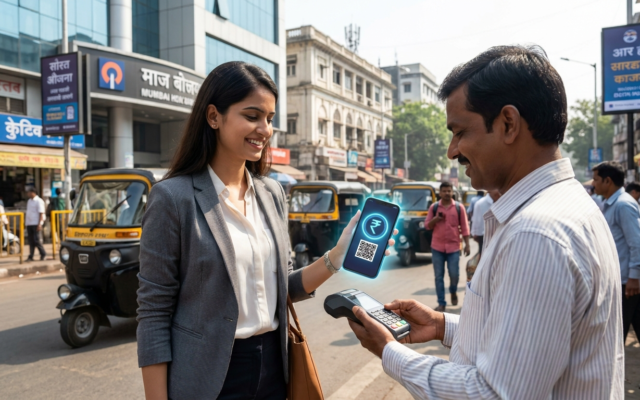
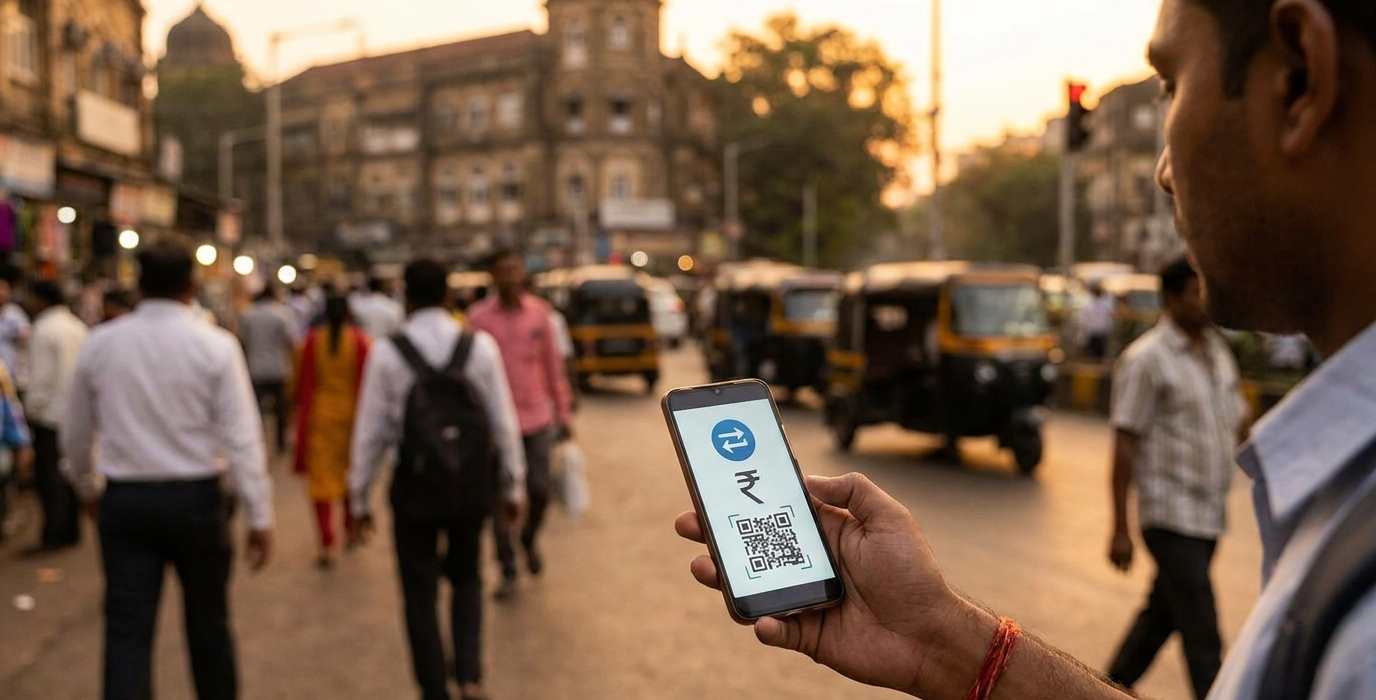
Once loaded, using the e-Rupee is intuitive. For peer-to-peer transactions, you can scan QR codes, similar to UPI, or exchange wallet addresses. For point-of-sale purchases, merchants will display their QR codes, which you can scan with your e-Rupee app or wallet. The transaction is typically instantaneous, and you’ll receive a confirmation on your device. A fascinating detail is that the e-Rupee can function both online and offline, a significant advantage in areas with intermittent internet connectivity. This offline capability ensures that payments can be completed even without a live network connection, a feature that will be particularly beneficial in rural and remote parts of India.
Security and Trust: The Pillars of the e-Rupee Ecosystem
The RBI has placed paramount importance on security and trust for the e-Rupee. At its core, the digital rupee is built on a foundation of advanced cryptography and distributed ledger technology. This means that every transaction is securely encrypted, ensuring that your financial data remains confidential and protected from unauthorized access. The DLT aspect provides an immutable record of transactions, enhancing transparency and auditability.
Unlike some cryptocurrencies that rely on decentralized networks with varying degrees of regulation, the e-Rupee is a central bank-issued liability. This means it carries the full faith and credit of the Indian government, offering a level of security and stability unmatched by private digital assets. Your e-Rupee holdings are as safe as the physical currency in your bank vault. The RBI has implemented multi-layered security protocols to safeguard against fraud and cyber threats. This includes robust authentication mechanisms and continuous monitoring of the network.
“The e-Rupee represents a paradigm shift, offering a secure, sovereign, and efficient digital currency that bridges the gap between traditional cash and emerging digital payment systems.”
The regulatory oversight by the RBI ensures that the e-Rupee operates within a well-defined legal framework. This governance structure is critical for maintaining public trust and preventing illicit activities. The RBI’s commitment to a secure and reliable digital currency ecosystem is a testament to its forward-thinking approach to financial innovation. You can be assured that your digital transactions are backed by the highest standards of financial integrity.
Benefits and Advantages for the Indian Consumer in 2026
For you, the Indian consumer, the e-Rupee brings a host of tangible benefits. Firstly, it offers enhanced transaction efficiency. Payments are near-instantaneous, and the process is streamlined, eliminating the delays often associated with traditional bank transfers or card payments. This speed is particularly beneficial for small businesses and everyday shoppers who value quick settlements.
Secondly, the e-Rupee promises reduced transaction costs. By potentially cutting out intermediaries, the fees associated with digital payments can be lowered. This can translate into savings for both consumers and merchants, making transactions more affordable. Imagine paying less for your online shopping or your favourite street food because the payment processing is more direct and cost-effective.
Thirdly, the integration of the e-Rupee with existing payment infrastructure, like UPI, aims to create a unified digital payment experience. This interoperability means you won’t need to juggle multiple apps or platforms; your preferred banking or payment app will likely handle all your digital transactions seamlessly. A particularly surprising benefit is its potential to foster financial inclusion. For individuals in remote areas with limited access to traditional banking services, the e-Rupee, with its offline capabilities, can serve as a vital tool for accessing digital financial services.
The Future of Payments: How e-Rupee Shapes Transactions Ahead
As we look beyond 2026, the e-Rupee is poised to fundamentally reshape India’s payment landscape. Its widespread adoption is expected to drive further innovation in digital financial services. We could see new business models emerge that leverage the unique features of the e-Rupee, such as programmable money, where payments can be automatically triggered upon meeting certain conditions. This could revolutionize areas like salary disbursements, insurance payouts, and even government welfare schemes.
The enhanced security and efficiency of the e-Rupee are also expected to boost e-commerce and digital entrepreneurship. Businesses will benefit from faster settlements, lower transaction fees, and a more robust payment infrastructure. This, in turn, can lead to more competitive pricing and better services for consumers. The RBI’s careful rollout strategy, focusing on user education and integration with existing systems, suggests a thoughtful approach to ensuring widespread acceptance and understanding.
Furthermore, the e-Rupee could play a significant role in India’s ambition to become a digital economy. By providing a stable, sovereign digital currency, it reinforces trust in the digital financial ecosystem. This can attract more investment and foster greater participation in online economic activities. The journey of the e-Rupee is still unfolding, but its potential to transform how we transact is immense, marking a new era of digital finance for India and potentially serving as a model for other nations.
Frequently Asked Questions
What is the difference between e-Rupee and UPI?
UPI (Unified Payments Interface) is a payment system that facilitates instant fund transfers between bank accounts. The e-Rupee, on the other hand, is a digital form of India’s fiat currency, issued by the RBI. While UPI uses existing bank infrastructure, the e-Rupee is a direct liability of the central bank, offering potentially greater security and efficiency.
Do I need a special bank account for the e-Rupee?
No, you do not need a special bank account. You can access and use the e-Rupee through your existing bank’s mobile application or dedicated e-Rupee wallets, which are linked to your regular bank account. The goal is to integrate it seamlessly with your current banking experience.
Is the e-Rupee safe from hacking?
The e-Rupee is designed with advanced security features, including end-to-end encryption and distributed ledger technology, to protect against hacking and fraud. As a central bank-issued currency, it is backed by the RBI’s robust security infrastructure and regulatory oversight, making it a highly secure digital asset.
Can I use e-Rupee offline?
Yes, one of the key features of the retail e-Rupee is its ability to function both online and offline. This offline capability ensures that transactions can be completed even in areas with poor or no internet connectivity, enhancing its accessibility and usability across India.