Imagine standing on a ferry deck. The crisp Norwegian air fills your lungs. The only sound is the gentle lapping of waves. No rumbling engines. No exhaust fumes. This isn’t a futuristic dream. It’s becoming a daily reality.
Norway, renowned for its stunning fjords and commitment to sustainability, is quietly leading a global revolution. This revolution is in green technology. It spans silent, emissions-free ferries. It includes groundbreaking battery advancements. These could reshape how we all live.
Key Takeaways:
Advertisement300×250 / native
- Norway is aggressively pioneering electric ferry technology. This drastically reduces emissions in its crucial coastal transport.
- The nation’s focus extends to next-generation battery solutions. These are crucial for decarbonizing sectors beyond transport.
- Consumer adoption of electric vehicles is high. This is driven by supportive government policies and a cultural embrace of sustainability.
- Innovations in hydrogen and offshore wind power are further solidifying Norway’s green tech leadership.
- These advancements offer a glimpse into a more sustainable future. They impact everything from local communities to global energy markets.
The Silent Revolution on the Fjords
The Norwegian coastline is a marvel. It’s a complex tapestry of islands, peninsulas, and deep fjords. These have shaped its culture and economy for centuries. For generations, ferries have been the lifeblood of these communities. They connect isolated villages. They transport goods. They enable daily commutes.
However, these vital arteries have historically been powered by diesel engines. This contributed significantly to air and noise pollution. Picture the busy ferry terminal in Stavanger. It’s a hub for commuters and tourists alike. Just a decade ago, the air would be thick with the smell of diesel. The constant thrum of engines was a familiar, if not always pleasant, soundtrack. Now, a different soundscape is emerging.
The shift began subtly. Pilot projects emerged. There was a growing awareness of environmental impact. But Norway, with its strong maritime heritage, has rapidly accelerated this transition. Its government is keen to leverage its oil wealth for a sustainable future.
The world’s first fully electric ferry, the Ampere, began service in 2015. It operated on the Lavik-Oppedal route. This connected the Sognefjord. This wasn’t just a technological showcase. It was a practical, everyday solution.
The Ampere runs on battery power. It’s recharged by hydropower at the terminals. This eliminates local emissions. It significantly reduces noise pollution. Crucially, it cuts operational costs for ferry operators. Electricity is cheaper than diesel. Imagine the difference for the residents of Oppedal. This small community’s daily life is now less impacted by fossil fuels.
The technology has since been scaled up. Dozens of electric and hybrid ferries now operate across the country. The Norwegian Public Roads Administration (Statens vegvesen) has been a driving force. They’ve set ambitious targets for electrifying its ferry fleet. By 2030, the goal is for all public ferries to run on renewable energy.
This ambitious plan has spurred innovation. Shipbuilders and technology providers are involved. This has created a vibrant ecosystem for maritime green tech. The success of early adopters, like Torghatten Nord, provides a compelling case study. They operate several electric routes. Other nations grappling with decarbonizing their transport sectors can learn from them.
The economic benefits are also becoming clear. Fuel savings and reduced maintenance costs make electric vessels increasingly competitive. It’s a win-win.
Beyond the Water: Battery Breakthroughs Shaping Tomorrow
Norway’s green ambitions don’t stop at the water’s edge. The nation is a powerhouse of innovation in energy storage. This is a critical component for any sustainable future. Electric vehicles (EVs) are a visible manifestation of this. But the underlying battery technology is where profound breakthroughs are happening.
Think about the sheer number of batteries powering our lives today. Smartphones, laptops, electric cars, grid-scale storage. Improving their efficiency, lifespan, and environmental impact is a global imperative. Norway, with its abundant renewable energy, particularly hydropower, is an ideal testbed.
Companies like Freyr Battery are at the forefront. They are headquartered in Mo i Rana. Freyr focuses on developing and manufacturing high-density, low-cost lithium-ion batteries. Their Gigafactory project aims for industrial-scale battery production. This isn’t just for vehicles. It’s also for stationary energy storage solutions. These can stabilize the electricity grid.
Imagine a future where excess solar or wind power is stored efficiently. It can then be deployed when needed. This reduces reliance on fossil fuel peaker plants. This is where battery innovation plays a crucial role.
Freyr’s approach emphasizes sustainability. This is throughout the battery lifecycle. It includes sourcing raw materials and recycling. They explore less energy-intensive manufacturing. They design batteries that are easier to disassemble and reuse. This focus on circular economy principles is a significant differentiator.
Another area of intense research is solid-state batteries. These promise higher energy density. They offer faster charging times. Improved safety is also a key benefit. This is compared to current lithium-ion technology. While still largely in research, Norwegian institutions and companies are actively involved. They are exploring these next-generation technologies.
The potential impact is enormous. Longer-range EVs are possible. Smaller, more powerful portable electronics could be developed. Power grids could become more resilient. This isn’t just about incremental improvements. It’s about fundamentally rethinking how we store and use energy.
The insights from these advanced battery projects could unlock new possibilities. This includes electric aviation. It also includes powering remote communities with renewable energy. The sheer volume of investment in this sector underscores its perceived importance.
One surprising statistic: Norway, with a population of just over 5.5 million, is home to some of the most ambitious battery manufacturing projects globally. This indicates a strategic bet on future energy technologies.
Consumer Power: Norway’s EV Embrace
The most visible sign of Norway’s green transformation for many is its astonishing adoption of electric vehicles. Walk down the streets of Oslo or Bergen. You’ll see more Teslas, Volvos, and Hyundais with charging cables. This isn’t accidental. It’s the result of a deliberate, long-term strategy.
This strategy has made EVs not just an environmental choice. It’s made them a financially smart one. The Norwegian government has been a pioneer in incentivizing EV adoption. This began in the early 2000s. They recognized the potential to reduce carbon emissions and reliance on fossil fuels.
The incentives are multifaceted. They have evolved over time. Historically, this included significant tax exemptions. The high value-added tax (VAT) and registration fees were waived. These typically make cars expensive in Norway. This made EVs significantly cheaper to purchase. They were cheaper than comparable gasoline or diesel cars.
For example, a typical family in Trondheim looking for a new car might find the electric option saves them tens of thousands of Kroner upfront. This is after all incentives.
Beyond the purchase price, EV owners benefit from reduced road tolls. Cheaper parking is also a perk. Some cities offer access to bus lanes. These perks make the day-to-day experience of owning an EV highly attractive.
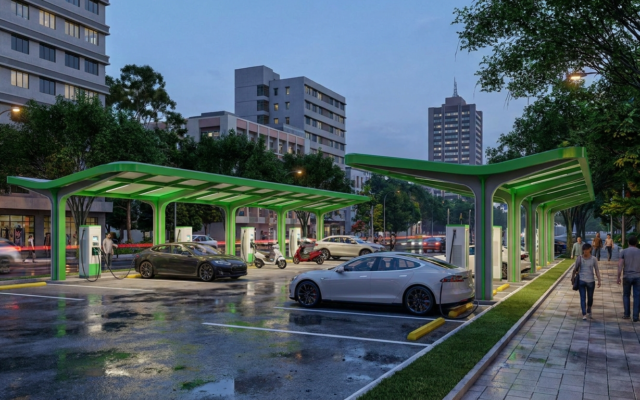
The result has been remarkable. Norway consistently ranks among the top countries globally for EV market share. In recent years, electric vehicles have accounted for more than 80% of new car sales. This widespread adoption has created a robust charging infrastructure. Public charging stations are increasingly common in cities and along major highways. Range anxiety is a diminishing concern for most drivers.
The cultural shift is also palpable. Owning an EV has become a status symbol for many. It’s a clear statement of environmental consciousness and forward-thinking. It’s integrated into the fabric of Norwegian society. Much like hiking in the mountains or enjoying a “koselig” evening at home.
The success story of Norway’s EV market offers a powerful blueprint for other nations. It demonstrates that with the right policy framework and consumer support, a rapid transition to electric mobility is achievable. The sheer scale of EV ownership has also provided invaluable real-world data. This data covers battery performance, charging habits, and infrastructure needs. This is now being fed back into the development of even better EVs and charging solutions. It’s a virtuous cycle of innovation and adoption.
Hydrogen and Offshore Wind: Powering the Future
While electric ferries and batteries are capturing headlines, Norway’s green tech push extends into other crucial areas. Notably, hydrogen and offshore wind power. These technologies are not only diversifying the country’s renewable energy portfolio. They are also positioning Norway as a leader in emerging green industries.
The nation’s deep waters and strong winds provide a natural advantage. This is combined with its expertise in offshore operations from the oil and gas sector. This is ideal for developing large-scale offshore wind farms. Furthermore, Norway sees significant potential in green hydrogen production.
Consider the vast, untapped wind resources off the coast of western Norway. Projects like Hywind Tampen are a testament to this. It’s the world’s first floating offshore wind farm. It powers oil and gas platforms.
Floating wind turbines are particularly well-suited for Norway’s deep waters. Fixed-bottom foundations are not feasible there. This technology allows for the development of wind farms in previously inaccessible areas. This unlocks massive potential for renewable energy generation.
The electricity generated can then be used to power communities. It can also power industries. Crucially, it can be used to produce green hydrogen. Green hydrogen is produced through electrolysis. This uses renewable electricity to split water into hydrogen and oxygen.
This hydrogen can then be used as a clean fuel. It’s ideal for heavy transport like ships and trucks. It can also be used for industrial processes or energy storage. Norway aims to become a major producer and exporter of green hydrogen. It will leverage its renewable energy surplus.
The Port of Narvik, for instance, is exploring becoming a hub for green hydrogen production. This would be for maritime use. This dual approach – harnessing wind power and producing hydrogen – is seen as a strategic imperative. It’s for deep decarbonization. This is especially in sectors that are difficult to electrify directly.
It requires significant investment and technological advancement. But the potential rewards are immense. The development of these technologies also creates high-skilled jobs. It generates economic opportunities. This helps Norway transition away from its historical reliance on fossil fuels. It’s a complex undertaking. It involves intricate logistics, sophisticated engineering, and international partnerships.
The global demand for clean energy solutions is surging. Norway is positioning itself to be a key supplier. A surprising fact: Norway’s offshore wind potential is estimated to be significantly larger than its current total electricity consumption. This highlights the scale of opportunity.
The Road Ahead: Challenges and Opportunities
The path to a fully sustainable future is rarely smooth. Norway’s green tech journey is no exception. While the progress made is undeniable, significant challenges remain. Scaling up these technologies is one. Ensuring their affordability is another. Managing the transition for existing industries requires careful planning and sustained effort.
The sheer scale of investment needed for projects like massive offshore wind farms and widespread green hydrogen production is substantial. Securing this funding, both public and private, is a constant endeavor. Furthermore, the development of new energy infrastructure, such as hydrogen pipelines or advanced grid connections for renewables, requires extensive planning and regulatory approval.
One of the key challenges is ensuring that the benefits of the green transition are shared broadly. While EV incentives have been highly successful, questions arise about their long-term sustainability and equity. As the cost of EVs decreases and battery technology improves, some argue that broad-based tax exemptions may no longer be as necessary. They suggest revenue could be better directed towards other sustainable initiatives or supporting lower-income households.
The transition also impacts traditional industries. This includes those involved in fossil fuel extraction and processing. While Norway has been proactive in planning for this diversification, ensuring a just transition for workers and communities that have historically relied on these sectors is a complex socio-economic challenge. For instance, communities in the north of Norway, whose economies are deeply tied to oil and gas, are looking at how to pivot towards renewable energy and related industries.
The development of a robust circular economy for batteries is another area that needs continued focus. While recycling technologies are advancing, efficiently recovering valuable materials like lithium, cobalt, and nickel at scale remains a significant engineering challenge. This is crucial for reducing reliance on new mining and minimizing the environmental impact of battery production.
Despite these hurdles, the opportunities are immense. Norway’s early leadership in green tech has positioned it as an innovation hub. It attracts talent and investment. The technologies being developed here have the potential to be exported globally. They can contribute to a worldwide effort to combat climate change.
The country’s commitment to research and development, coupled with its ambitious policy goals, provides a strong foundation for continued progress. The proactive approach taken by Norwegian policymakers, working closely with industry and research institutions, offers a model for other nations. They seek to accelerate their own green transitions. It requires a long-term vision. It demands a willingness to adapt as new technologies emerge and challenges arise.
A Glimpse of a Greener Tomorrow
Standing on that silent ferry, gliding through the serene Norwegian fjords, one can’t help but feel a sense of profound optimism. The innovations happening across Norway, from the quiet hum of electric ferries to the ambitious strides in battery technology and renewable energy, are not just technological marvels. They are tangible steps towards a more sustainable and equitable future.
This is a country that has understood the urgency of the climate crisis. It has responded with a blend of ingenuity, strategic policy, and a deep respect for its natural environment. The impact of these advancements extends far beyond Norway’s borders. The lessons learned from electrifying ferry routes, the breakthroughs in energy storage, and the development of new renewable energy sources are all vital pieces in the global puzzle of decarbonization.
It’s a future where our cities are quieter. Our air is cleaner. Our energy systems are more resilient. It’s a future where technology serves humanity and the planet, rather than exploiting them. The commitment shown by individuals, companies, and the government in Norway offers a powerful testament. It shows what can be achieved when collective will meets innovative spirit.
As we navigate the complexities of the 21st century, the story of Norway’s green tech push serves as an inspiring beacon. It reminds us that a cleaner, brighter tomorrow is not just possible. It is actively being built, one electric ferry, one advanced battery, and one wind turbine at a time. It’s a journey that continues to unfold. It promises further innovation and a deeper integration of sustainable practices into our daily lives. The quiet revolution on the fjords is just the beginning.