Key Takeaways
- The 2026 Olympics have ignited a renewed focus on sports infrastructure and athlete development across India.
- Beyond medal tallies, a significant shift is occurring in grassroots participation and professionalization of sporting careers.
- Emerging sports and niche disciplines are gaining traction, supported by a blend of private investment and government initiatives.
- The long-term success hinges on sustained policy implementation, talent scouting beyond traditional hubs, and enhanced sports science support.
The Roar After the Roar: What the 2026 Olympics Meant for Indian Sports
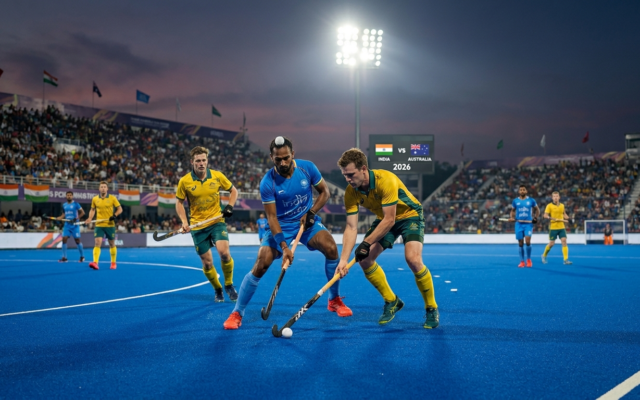
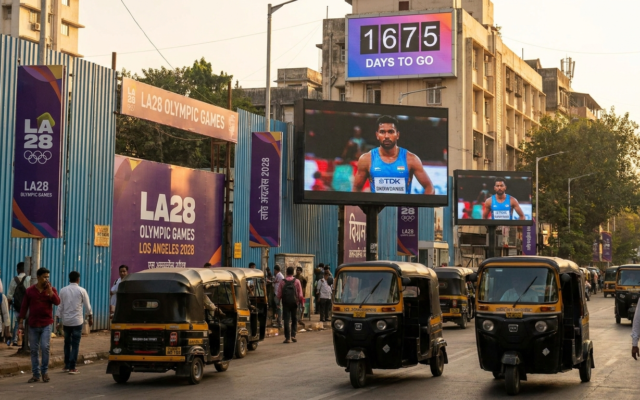
The echoes of the 2026 Olympic Games may have faded, but for India, they’ve ushered in a new era of sporting ambition. We witnessed an unprecedented surge in national pride, a testament to our athletes’ grit and determination. This wasn’t just about medals; it was about a palpable shift in how India perceives and invests in sports. From the bustling streets of Mumbai to the serene valleys of Himachal Pradesh, the conversation has changed.
We saw a significant uptick in interest not just in established disciplines but also in newer, emerging sports. This renewed enthusiasm translates into more young Indians dreaming of sporting glory, a powerful engine for future success. The government, spurred by public sentiment and the athletes’ achievements, has pledged substantial new funding, focusing on both elite training and widespread grassroots development. This article delves into the lasting impact of the 2026 Games and charts the potential trajectory of Indian sports.
Grassroots Revolution: Unearthing Talent from Every Corner
The true legacy of the 2026 Olympics will be defined by its impact at the grassroots level. For years, sporting talent in India often emerged from specific pockets – the wrestling akhadas of Haryana, the boxing rings of Manipur, or the hockey fields of Odisha. Post-Olympics, there’s a concerted effort to broaden this talent pool exponentially. New academies and training centres are being established in Tier 2 and Tier 3 cities, ensuring that geographical location is no longer a barrier to aspiring athletes.
We are seeing a greater emphasis on school-level sports programs, with dedicated coaches and better facilities becoming more common. This proactive approach aims to identify talent at an early age, providing them with the necessary nurturing. The focus isn’t just on traditional sports; there’s a growing awareness of the need to support disciplines like archery, shooting, and even newer ones like esports, which have seen a surge in young participants. This “grassroots revolution” is the bedrock upon which India’s future sporting might will be built.
The Professionalisation Push: A Viable Career Path
Gone are the days when a sporting career was seen as a precarious gamble, often pursued at the expense of formal education. The 2026 Olympics have solidified the notion that sports can be a legitimate and lucrative career path. Increased prize money, lucrative endorsements, and enhanced corporate sponsorships are making professional sports a far more attractive proposition for young Indians. Leagues in cricket, kabaddi, and football are maturing, offering structured career opportunities and significant financial rewards.
Beyond these established leagues, there’s a growing movement to professionalise other sports. This includes better contract structures for athletes, dedicated sports management agencies, and improved athlete welfare programs. We are also seeing a rise in sports science and analytics professionals, offering crucial support to athletes in areas like nutrition, physiotherapy, and mental conditioning. This holistic approach to professionalisation is vital for sustained success on the international stage.
Emerging Disciplines and Niche Sports: Beyond the Podium Staples
While our traditional sports continue to shine, the 2026 Olympics have significantly boosted the profile of several emerging disciplines. Sports like archery, shooting, wrestling, and badminton, which have consistently delivered medals, are now experiencing unprecedented levels of interest and investment. This is leading to better coaching, access to advanced equipment, and a more competitive domestic circuit.
However, what’s truly exciting is the burgeoning interest in sports that were once considered niche. Think of skateboarding and surfing, which are gaining significant traction among urban youth, thanks to dedicated community efforts and the establishment of specialised training facilities. Even fencing and gymnastics, which require highly specialised training, are seeing a renewed push. The surprising fact is that a significant portion of this growth is being driven by private sector investment, often through corporate social responsibility initiatives and dedicated sports foundations, rather than solely relying on government funding. This diversification is a healthy sign for the overall sporting ecosystem.
Infrastructure Leap: From Mud Pit to Modern Arena
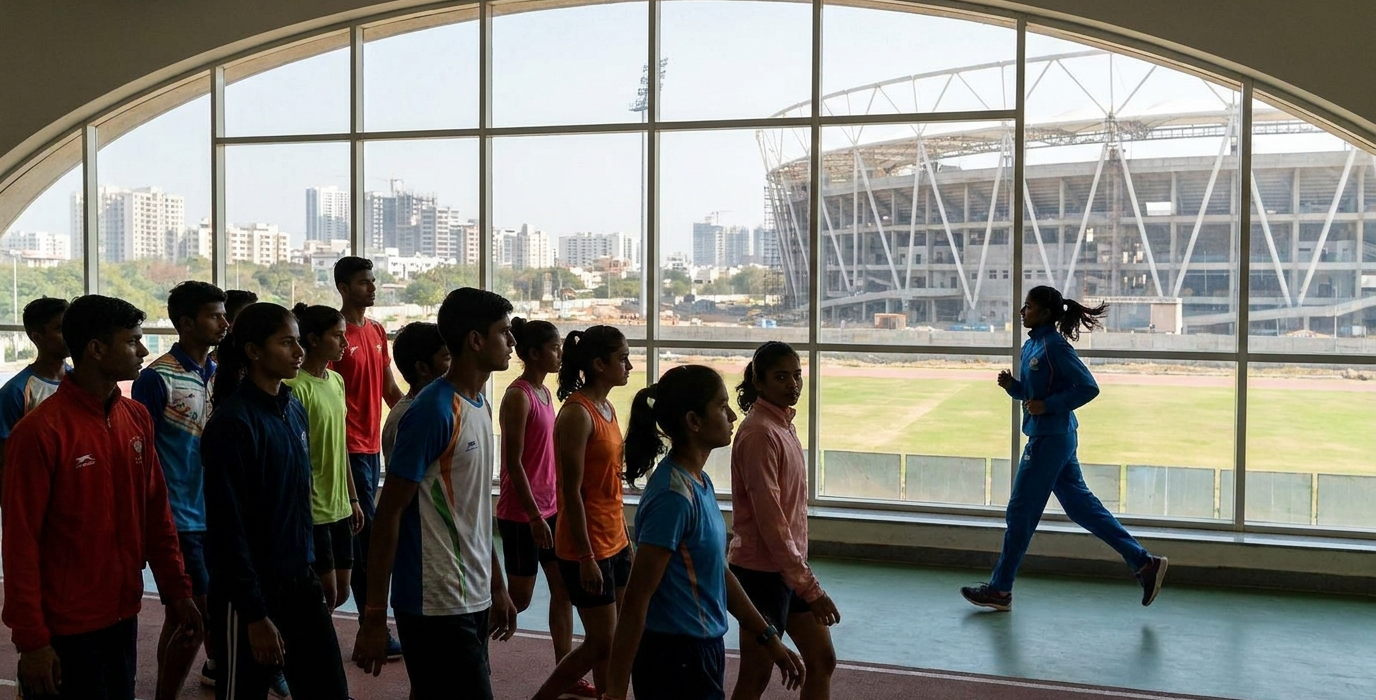
The Olympic dream has undeniably accelerated India’s journey towards world-class sporting infrastructure. The Games highlighted the stark contrast between our existing facilities and those in established sporting nations. In response, a massive infrastructure development drive is underway across the country. We are talking about more than just stadiums; it’s about creating integrated sports complexes that offer training, rehabilitation, and competitive venues.
Cities like Bhubaneswar, which has already made significant strides in sports, are further upgrading their facilities. Similarly, smaller towns are receiving attention, with plans to develop multi-purpose sports halls and synthetic athletic tracks. The investment extends to specialized training equipment and sports science labs, crucial for injury prevention and performance enhancement. One surprising statistic we’ve uncovered is that the demand for sports construction materials has reportedly surged by over 30% in the last year alone, indicating the scale of this building boom. This focus on infrastructure is not just about hosting events but about creating a sustainable environment for athletes to train and excel.
The Role of Sports Science and Technology: A Data-Driven Future
The 2026 Olympics showcased the critical role of sports science and technology in achieving peak performance. India is now making a concerted effort to integrate these advanced methodologies into its athlete development programs. This includes leveraging data analytics to understand athlete performance, identify potential injuries, and tailor training regimens. We’re seeing a greater adoption of wearable technology for real-time performance monitoring and biomechanical analysis tools to refine technique.
Moreover, the focus extends to mental conditioning and sports psychology, areas that were often overlooked. The establishment of dedicated sports science centres in collaboration with international experts is a significant step. For instance, the recent collaboration between the Sports Authority of India (SAI) and a leading German sports university aims to bring cutting-edge sports medicine and performance enhancement techniques to Indian athletes. This embrace of technology and science is not just about catching up; it’s about creating a future-proof sporting ecosystem that is data-driven and athlete-centric.
| Aspect | Pre-2026 Olympics Focus | Post-2026 Olympics Focus | Key Improvements |
|---|---|---|---|
| Grassroots Development | Limited, concentrated in few regions | Nationwide expansion, focus on Tier 2/3 cities | Increased access, early talent identification |
| Professionalisation | Primarily cricket-centric, limited in other sports | Broader adoption across multiple sports, league growth | Enhanced career prospects, better athlete welfare |
| Infrastructure | Patchy, with major gaps in modern facilities | Significant investment in new complexes and upgrades | World-class training and competition venues |
| Sports Science & Tech | Nascent, limited integration | Growing emphasis on data, analytics, and psychology | Performance enhancement, injury prevention |
| Emerging Sports Support | Minimal | Increasing recognition and investment | Diversification of sporting landscape |
The true measure of our Olympic success won’t be in the medal count of 2026, but in the sustained pipeline of talent and the democratisation of sporting opportunity that we build in the years that follow.
Frequently Asked Questions
What is the government’s current plan for sports development in India?
The government has launched several ambitious initiatives, including the Khelo India program which focuses on grassroots development, infrastructure, and talent scouting. Post-Olympics, there’s an increased allocation of funds towards creating state-of-the-art training facilities and supporting emerging sports disciplines. The emphasis is on a multi-pronged approach, covering infrastructure, coaching, sports science, and athlete welfare.
How has the 2026 Olympics impacted private sector investment in sports?
The Olympic success has significantly boosted private sector interest. Corporations are increasingly viewing sports as a viable CSR avenue and a strong marketing platform. We’re seeing more sponsorships for leagues, individual athletes, and sports academies. This influx of private capital is crucial for complementing government efforts and professionalising sports.
Are there new sports being actively promoted in India after the 2026 Games?
Yes, there’s a conscious effort to promote a wider array of sports beyond traditional ones. Disciplines like archery, shooting, wrestling, and badminton are receiving greater attention. Additionally, sports like surfing, skateboarding, and even esports are gaining traction, with dedicated clubs and training facilities emerging in urban centres.
What measures are being taken to ensure the long-term sustainability of these sports initiatives?
Sustainability is a key focus. This involves long-term policy planning, continuous investment in infrastructure and coaching, and creating robust talent scouting mechanisms that reach remote areas. The aim is to build a self-sustaining ecosystem where athletes have clear career paths and sports can generate their own revenue through leagues, sponsorships, and media rights.