Key Takeaways
- The Pro Kabaddi League 2026 auction is set to electrify fans, with dates and key details now confirmed.
- This year’s auction promises a dynamic mix of seasoned veterans and emerging talent, making team building crucial.
- Understand the auction dynamics, player categories, and how your favourite teams might reshape their squads for the upcoming season.
- Prepare for strategic bidding wars and potential upsets as franchises invest in building championship-contending teams.
Pro Kabaddi League 2026: Auction Buzz Begins!
The air is thick with anticipation as the Pro Kabaddi League (PKL) gears up for its most thrilling event outside the season itself: the player auction for the 2026 edition. This is where dreams are forged and dynasties are built, as franchises meticulously scout and bid for the talent that will define their campaigns. For fans across India and around the globe, this auction is not just about acquiring players; it’s a strategic chess match unfolding in real-time, setting the stage for rivalries and triumphs to come.
The dates have been officially announced, sending ripples of excitement through the kabaddi fraternity. Mark your calendars, as this promises to be a spectacle you won’t want to miss. We’ll delve into what makes this auction so pivotal, exploring the strategies teams will employ and the types of players likely to be in high demand. Understanding the nuances of the auction process can offer a deeper appreciation for the sport and the business behind your favourite teams.
The Road to the Auction: Preparation and Strategy
Long before the auctioneer’s gavel falls, franchises have been engaged in intense preparation. This involves extensive scouting, performance analysis, and a deep understanding of their team’s strengths and weaknesses. The retention window, a period where teams can secure a certain number of their existing players, has already closed, shaping the initial landscape of available talent. Now, the focus shifts entirely to the open market, where every player not retained becomes a potential prize.
Teams will have a specific purse value to spend, and how they allocate this budget will be critical. Will they go for a few marquee players to anchor their squad, or spread their investment across a wider pool of talent? The strategy often depends on the team’s philosophy, their existing roster, and their ambitions for the season. Some franchises might aim for a complete overhaul, while others will look to make targeted additions to fine-tune their winning formula. The decisions made in these few days can impact a team’s fortunes for years to come.
Unpacking the Auction Dynamics: Categories and Player Pools
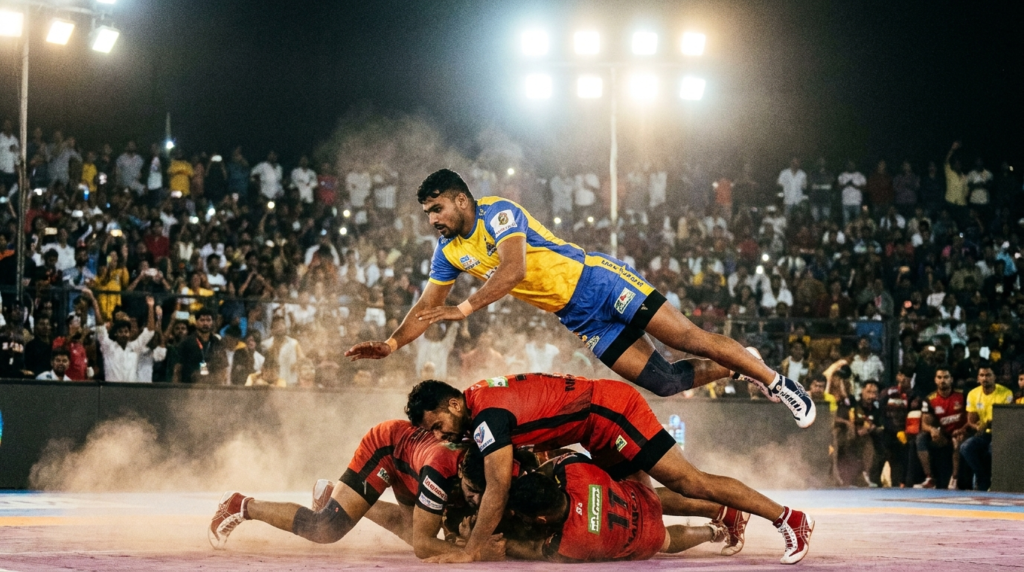
The Pro Kabaddi League auction operates with a structured approach, categorizing players to ensure fairness and strategic depth. Players are typically divided into categories – Elite Retained Players (ERPs), New Young Players (NYPs), and Category A, B, C, and D players. While ERPs are pre-selected by teams, the bulk of the action unfolds with the remaining categories. Each category has a base price, and bidding can escalate significantly beyond these initial figures.
This year, we can expect a fascinating mix of established stars and promising newcomers. Veterans who have consistently performed at the highest level will command significant attention, offering proven leadership and game-winning ability. Simultaneously, the auction is a golden opportunity for young talent to make their mark. Many players who have shone in junior leagues or performed admirably in previous seasons will be eager to prove their worth on the grand PKL stage. The success of a franchise often hinges on its ability to identify and nurture this emerging talent.
The Importance of Player Categories
Understanding the player categories is key to following the auction closely. Category A players, often the most experienced and sought-after, will have the highest base prices and are expected to be the subject of intense bidding wars. Categories B, C, and D represent players with varying levels of experience and potential, offering teams a range of options to fit different budget constraints and strategic needs. The New Young Players (NYPs) category is particularly exciting, as it showcases the future of Indian kabaddi, with teams often investing in these raw talents with the hope of developing them into stars. The official Pro Kabaddi League website will provide detailed information on the player pool and auction rules closer to the date.
Key Players to Watch: Who Will Spark a Bidding Frenzy?
As the auction date looms, speculation is rife about which players will become the centre of attention. Certain stars, due to their exceptional performances, leadership qualities, and marketability, are almost guaranteed to ignite bidding wars. We’re talking about raiders who can single-handedly turn the tide of a match with their speed and agility, and defenders whose formidable tackles can shut down opposition attacks. The presence of such players can elevate a team’s entire dynamic.
Consider the impact of a player like Pawan Sehrawat, whose raiding prowess has made him a household name. Or perhaps a defensive wall like Fazel Atrachali, whose experience and tactical acumen are invaluable. Teams will be vying for players who not only possess individual brilliance but also complement their existing squad composition. The decision to bid high for a star player often comes with the expectation of immediate impact and a significant return on investment in terms of wins and fan engagement.
The Impact of Marquee Signings
Securing a marquee player isn’t just about skill; it’s also a statement of intent. These signings can galvanize a fanbase, attract sponsorship, and provide a focal point for the team’s strategy. However, the immense financial commitment involved means that teams must balance this pursuit with the need to build a well-rounded squad. The art of the auction lies in finding that sweet spot between acquiring game-changers and ensuring depth across all positions. The Sportstar, a reputable sports publication, often provides in-depth analyses of potential auction strategies and player valuations.
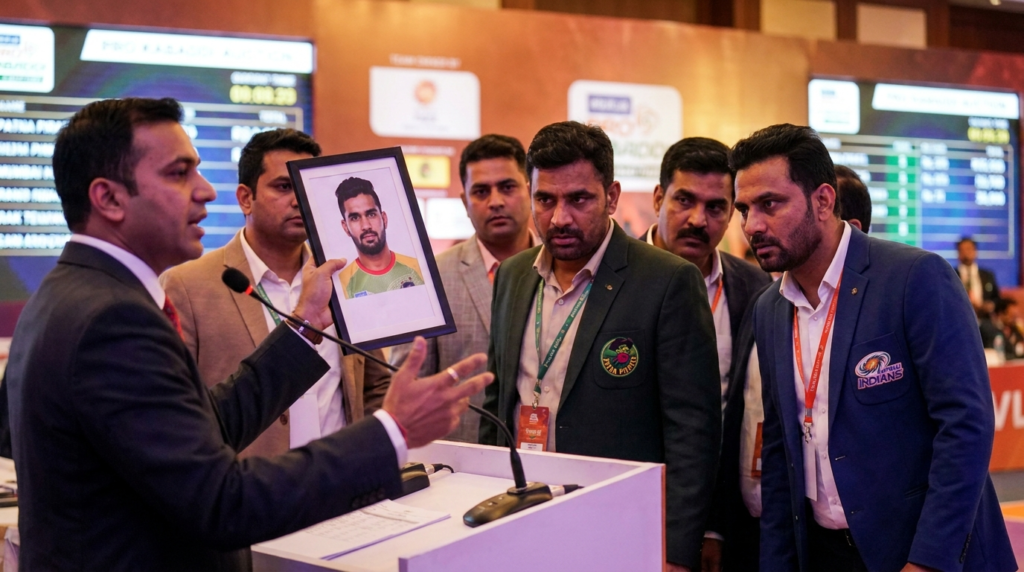
Franchise Strategies: Building a Champion Squad
Each Pro Kabaddi League franchise approaches the auction with a unique blueprint for success. Some teams, having identified key areas of weakness, will be laser-focused on acquiring specific types of players. For instance, a team struggling with defence might prioritize a strong corner defender or an agile cover. Conversely, a team needing more offensive firepower will target prolific raiders. This targeted approach requires meticulous planning and a clear understanding of team dynamics.
Other franchises might adopt a more fluid strategy, adapting their bidding based on the ebb and flow of the auction. If their primary target is acquired by another team, they will need to pivot quickly and identify alternative options. The ability to react and adapt is a hallmark of successful auction strategies. Furthermore, teams with larger purse values might be more aggressive, willing to engage in bidding wars for top talent. Those with tighter budgets, however, will need to be more strategic, looking for value buys and emerging talents who can outperform their price tag.
The Role of the Coach and Management
The success of a franchise’s auction strategy is heavily reliant on the synergy between the coaching staff and the management. Coaches provide crucial insights into player roles and team fit, while management handles the financial aspects and strategic negotiations. This collaborative effort ensures that the players acquired not only possess individual talent but also have the potential to integrate seamlessly into the team’s playing style and culture. The ESPN often provides detailed previews and analyses of these strategic aspects leading up to major sporting auctions.
Beyond the Bids: Emerging Trends and Surprises
The Pro Kabaddi League auction is rarely without its surprises, and 2026 is unlikely to be an exception. We often see players who were considered fringe talents suddenly skyrocket in value due to strategic bidding or a team’s specific requirement. Conversely, some established names might find themselves going for lower than expected, perhaps due to age, recent form, or an overloaded market in their specific skill set. These unpredictable shifts are what make the auction so captivating for viewers.
One significant trend we’ve observed is the increasing importance of all-rounders – players who can contribute effectively in both raiding and defence. Teams are realizing the value of versatility, especially in a fast-paced sport like kabaddi where momentum can shift rapidly. Furthermore, with the league’s continued growth, we’re seeing a greater emphasis on scouting and developing talent from diverse regions within India, bringing a richer tapestry of styles and techniques to the fore. This year, keep an eye out for players from lesser-known kabaddi hubs who might just steal the show.
A Surprising Fact: The Impact of Young Talent
Did you know that in the 2025 PKL auction, a New Young Player from a small village in Maharashtra, who had no prior professional experience, was picked up by a major franchise for a surprisingly high sum? His exceptional performance in a national junior championship, where he showcased incredible agility and strategic raiding, caught the scouts’ eyes. This highlights how the PKL is increasingly becoming a platform for raw, unproven talent to shine, often defying expectations and becoming instant fan favourites.
Another fascinating aspect is the rising influence of tactical flexibility. Teams are no longer solely relying on individual brilliance. Instead, they are investing in players who can adapt to different formations and strategies mid-game. This has led to a greater demand for players with high kabaddi IQ, those who can read the game and make intelligent decisions under pressure. The Business Standard often reports on the financial and strategic implications of these sporting leagues, including player valuations and team investments.
The Pro Kabaddi auction is more than just a bidding war; it’s a strategic exercise in building a cohesive unit capable of enduring the rigors of a long season. Success lies not just in acquiring star power, but in fostering synergy and finding players who embody the team’s spirit.
Frequently Asked Questions
When is the Pro Kabaddi League 2026 auction scheduled?
The official dates for the Pro Kabaddi League 2026 player auction have been announced. While the exact dates will be widely publicized by the league, fans can expect it to take place in the period leading up to the commencement of the 2026 season, likely in the latter half of 2025 or early 2026.
What are the player categories in the PKL auction?
Players are typically categorized into Elite Retained Players (ERPs), New Young Players (NYPs), and then further into categories like A, B, C, and D. Each category has a specific base price, and players within these categories possess varying levels of experience and proven performance.
How much money do teams have to spend at the auction?
Each franchise is allocated a specific purse value for the auction. This purse is a fixed amount of money that teams can spend to acquire players. The exact purse value for the 2026 auction will be confirmed by the Pro Kabaddi League, but it usually remains consistent with previous seasons, with some adjustments.
Where can I watch or follow the Pro Kabaddi League 2026 auction?
The Pro Kabaddi League auction is typically broadcast live on television by the official broadcasting partners. Additionally, fans can follow real-time updates, player acquisitions, and results through the official Pro Kabaddi League website and its social media channels. Reputable sports news outlets will also provide extensive coverage.