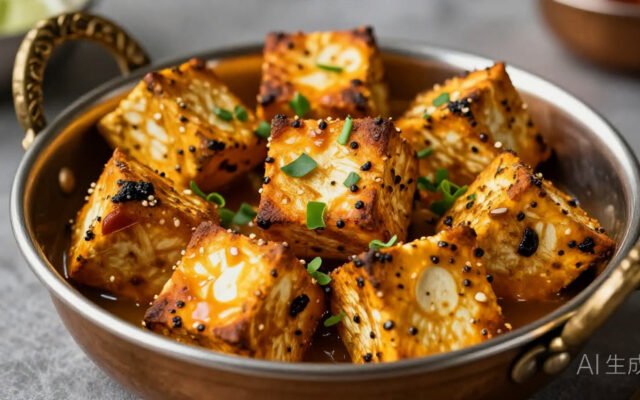
In the rush of a typical Wednesday evening in Bengaluru or Gurugram, the last thing you want is a kitchen full of dirty dishes and a complex ingredient list. These paneer and rice recipes are designed to get a nutritious, protein-rich meal on your table in under 30 minutes, keeping your 2026 weeknights stress-free.
Key Takeaways
- Learn to master one-pot paneer rice dishes that balance high protein with quick preparation times.
- Discover the science of starch gelatinization to ensure your rice grains stay fluffy every single time.
- Understand how to store and reheat paneer to maintain its signature soft texture without turning it rubbery.
- Get actionable tips on batch-prepping aromatics to shave 10 minutes off your daily cooking routine.
The Science of Perfect One-Pot Rice
Cooking rice and paneer together requires a delicate balance of moisture and heat. If you add too much water, the paneer turns mushy; too little, and the rice remains chalky. According to the Food Safety and Standards Authority of India, managing the hydration levels is critical to preventing bacterial growth in leftover starch, which is a common concern in tropical climates.
For the fluffiest results, you must rinse your basmati rice until the water runs clear. This removes excess surface starch that causes clumping. A surprising fact is that soaking your rice for exactly 20 minutes before cooking allows the grains to absorb water evenly, leading to a 25% increase in grain length during the steaming process. This small step is the secret difference between a home-cooked meal and a restaurant-quality dish.
When you integrate paneer, add it during the final five minutes of the steaming cycle. Because paneer is a fresh, unaged cheese, it does not need to be cooked for long periods. Overcooking it causes the proteins to tighten and expel their internal moisture, which is why your paneer often feels like chewing on a pencil eraser if left in the pan too long. Keep the lid sealed tight to let the steam do the heavy lifting.
Building Flavor with Aromatics
The foundation of any great paneer rice dish lies in your “tarka” or tempering. In 2026, many urban kitchens are shifting toward using cold-pressed oils like mustard or groundnut to enhance the earthy profile of the paneer. Start by heating your oil until it just shimmers, then bloom your whole spices like cumin seeds, cloves, and a single bay leaf. This process extracts the essential oils, creating a aromatic base that elevates simple ingredients.
Don’t be afraid to use fresh ginger and garlic paste. While store-bought pastes are convenient, grinding a small batch of ginger and garlic in a mortar and pestle releases a pungent freshness that bottled versions simply cannot replicate. You can store a week’s worth of this paste in an airtight glass jar to save time. Did you know that the volatile compounds in garlic are released most effectively when crushed and allowed to sit for ten minutes before hitting the hot oil?
If you prefer a tangy undertone, add a tablespoon of tomato puree or finely chopped tomatoes to the tempering. Cook until the oil separates from the masala. This separation, known as “bhuna,” is the hallmark of a well-cooked Indian gravy. It ensures that the raw taste of the vegetables is replaced by a concentrated, savory depth that clings perfectly to the rice grains.
Comparison of Popular Paneer-Rice Methods
Depending on your equipment, the texture of your meal will vary. Whether you use a traditional pressure cooker, an electric rice cooker, or a heavy-bottomed kadhai, each method offers a unique trade-off between speed and flavor development. The table below compares the most efficient ways to prepare your dinner this year.
| Method | Cooking Time | Texture Result | Best Use Case |
|---|---|---|---|
| Pressure Cooker | 12 Minutes | Soft, integrated grains | Maximum speed for busy families |
| Electric Cooker | 25 Minutes | Consistent, fluffy | “Set and forget” multitasking |
| Stovetop Kadhai | 20 Minutes | Firm, toasted rice | When you want a smoky, charred flavor |
The beauty of a one-pot paneer meal is that it forces you to prioritize quality ingredients over quantity. When you limit your cooking vessel to just one, the individual flavors of the paneer, spices, and grains have no choice but to meld into a singular, cohesive experience.
Advertisement300×250 / native
The Nutritional Power of Paneer
As we navigate the demands of 2026, prioritizing protein is essential for sustained energy levels throughout the workday. Paneer is a dense source of casein protein, which digests slowly and keeps you feeling full longer than simple carbohydrates alone. According to data from the National Institute of Nutrition, paneer is also rich in calcium and phosphorus, which are vital for maintaining bone density in an increasingly sedentary workforce.
To make your rice dish even healthier, swap half the white rice for brown rice or quinoa. While brown rice takes longer to cook, you can mitigate this by pressure cooking it alongside the paneer in a higher water-to-grain ratio. Combining paneer with fiber-rich vegetables like peas, carrots, or spinach creates a complete meal that provides a steady release of glucose into your bloodstream, preventing the dreaded “after-dinner crash.”
Another surprising fact is that paneer acts as an excellent vehicle for fat-soluble vitamins found in your vegetables. When you sauté carrots or spinach alongside paneer, the fat in the cheese actually helps your body absorb nutrients like Vitamin A and Vitamin K more efficiently. It is a functional food that works as hard as you do during your busy week.
Pro-Tips for Busy Professionals
Efficiency in the kitchen is a skill that can be developed with practice. One of the most effective strategies is “mise en place,” or having everything in its place before you turn on the stove. Chop your paneer into uniform 1-inch cubes so they cook at the same rate. If you are using frozen peas, soak them in warm water for five minutes before tossing them into the pot to ensure they reach the same temperature as the rice.
Consider the temperature of your paneer. If you take it straight from the refrigerator, it will cool down your cooking pan too quickly, leading to uneven searing. Let your paneer sit at room temperature for 15 minutes before you begin. This simple habit ensures the outside gets that lovely golden-brown crust without the inside becoming rubbery or remaining cold.
Finally, always garnish with fresh herbs. A handful of freshly chopped coriander or mint added just before serving adds a brightness that cuts through the richness of the cheese. It is the cheapest and most effective way to make your weeknight dinner feel like a curated culinary event rather than just another meal on the table.
Frequently Asked Questions
How do I stop my paneer from becoming rubbery?
The secret is to never overcook it. Always add your paneer cubes in the last 3-5 minutes of the cooking process. If you are searing the paneer first, do it over medium-high heat for only 2 minutes per side until golden, then remove it and add it back to the rice at the very end.
Can I use brown rice instead of basmati?
Yes, but you must adjust your water ratio and cooking time. Brown rice usually requires a 1:2.5 ratio of rice to water and needs about 35-40 minutes in a standard pot or 4-5 whistles in a pressure cooker. Keep the paneer separate until the final stage to avoid disintegrating the cheese during the long cook time.
How long can I store paneer rice in the refrigerator?
According to general food safety guidelines, you should consume cooked rice dishes within 24 hours when stored in an airtight container in the refrigerator. Always ensure the food is cooled to room temperature before placing it in the fridge to prevent condensation, which can lead to rapid bacterial growth.
What is the best way to reheat paneer rice?
Avoid the microwave if possible, as it tends to dry out the paneer. Instead, place the rice in a pan with a splash of water, cover it with a lid, and heat over low heat for 5-7 minutes. The steam will rehydrate the rice and soften the paneer cubes effectively.