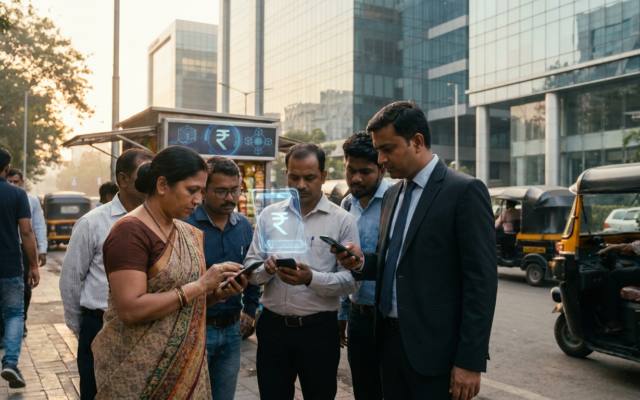
RBI’s New Policy: A Look at the Evolving Landscape of Digital Payments
Remember the days of fumbling for exact change at the kirana store in Karol Bagh? Or the anxious wait for a bank transfer to clear before a big purchase? For many of us in India, those memories are fading fast, replaced by the seamless tap of a phone or the quick scan of a QR code. The digital payments revolution has transformed how we transact, making our lives undeniably easier. But what happens when the very architects of this system, the Reserve Bank of India (RBI), decide to tweak the blueprints? A recent policy shift from the RBI signals a new chapter for digital payments in India, and understanding it is crucial for every Indian navigating this rapidly evolving financial landscape.
Key Takeaways:
- RBI’s new policy aims to enhance security and user protection in digital payments.
- Expect stricter Know Your Customer (KYC) norms for certain digital wallet services.
- The policy introduces measures to combat digital fraud and unauthorized transactions.
- Consumers will likely see more robust dispute resolution mechanisms.
- Businesses need to adapt to new compliance requirements for digital payment processing.
The Shifting Sands of Digital Wallets
Imagine you’re on a weekend trip to Jaipur, exploring the vibrant Hawa Mahal, and you decide to grab a quick bite. You pull out your phone, ready to pay with your go-to digital wallet. But suddenly, you’re met with a message asking for more verification. This isn’t a glitch; it’s likely the ripple effect of the RBI’s latest policy directives concerning digital wallets, particularly those offering prepaid instruments. For years, these wallets have been incredibly convenient, allowing us to store money and make quick payments without needing to link directly to a bank account for every small transaction. They’ve become ubiquitous, from topping up your mobile bill in a bustling Mumbai market to buying train tickets for a journey back home to your ancestral village in Uttar Pradesh.
The RBI’s move is designed to bolster security and prevent misuse. Think about it: if a wallet is too easy to set up, it can become a playground for fraudsters. The new rules are likely to introduce enhanced Know Your Customer (KYC) requirements for certain types of prepaid payment instruments (PPIs). This means you might need to provide more detailed identification, perhaps even an Aadhaar-based e-KYC or a physical verification, for wallets that offer higher transaction limits or more extensive features. This isn’t about making things harder; it’s about building a stronger defence against identity theft and financial crime. The RBI’s data from a few years ago showed a significant surge in digital transactions, and with that growth comes a proportional increase in potential risks. By tightening the screws on wallet onboarding, the central bank aims to ensure that the convenience we enjoy isn’t at the cost of our financial security. It’s a delicate balancing act, and this policy is a clear indication that security is now taking centre stage.
Fortifying the Payment Gateway: A Shield Against Fraud
The sheer volume of digital transactions in India is staggering. Every day, millions of us are sending money, paying bills, and shopping online. This digital highway, while incredibly efficient, also presents tempting opportunities for those looking to exploit vulnerabilities. The RBI, acting as the vigilant guardian of our financial system, has recognized the need to erect more robust barriers against digital fraud. Their new policy is essentially reinforcing the security infrastructure that underpins these transactions. One of the key areas of focus is likely to be the mandating of stricter security protocols for payment gateways and aggregators. These are the intermediaries that facilitate payments between merchants and consumers.
Consider a small business owner in a town like Coimbatore, running an online store for handloom textiles. They rely on payment gateways to accept credit card payments, UPI transfers, and other digital methods. If these gateways are not adequately secured, they become a weak link, potentially exposing both the business and its customers to data breaches. The RBI’s new guidelines are expected to push for more advanced encryption standards, regular security audits, and stricter data protection measures for these entities. Furthermore, the policy might introduce stricter authentication mechanisms for merchants themselves, ensuring they are legitimate businesses and not fronts for fraudulent activities. This proactive approach is vital. While UPI has made payments incredibly simple, the underlying technology needs constant vigilance. The RBI’s proactive stance means that while the convenience of tapping your phone to pay for your morning chai remains, the behind-the-scenes mechanics are becoming significantly more secure, offering you greater peace of mind. This is about building trust, ensuring that every transaction, whether it’s for a ₹10 vada pav or a ₹10,000 appliance, is as safe as possible.
Empowering You: Dispute Resolution and Recourse
We’ve all been there. You make a payment, but the goods or services never arrive. Or perhaps you’re charged twice for the same transaction. In the pre-digital age, resolving such issues could be a frustrating, time-consuming ordeal involving physical visits to banks and lengthy paperwork. The RBI’s new policy recognizes that as digital payments become more ingrained in our daily lives, the mechanisms for addressing grievances must evolve in parallel. The aim is to empower you, the consumer, with clearer, more accessible avenues for recourse. This means that when something goes wrong, you should have a straightforward path to resolution, rather than feeling lost in a labyrinth of unhelpful customer service.
The policy is expected to introduce more defined timelines and processes for dispute resolution. For instance, if you report an unauthorized transaction on your account, there should be a clear expectation of how quickly the bank or payment provider must investigate and respond. This might involve setting specific timeframes for blocking disputed amounts or initiating refunds. Additionally, the RBI might be strengthening the powers and scope of existing grievance redressal mechanisms, such as the banking ombudsman. Imagine a scenario where a digital payment for a flight ticket booked from Delhi to Guwahati fails, but the amount is debited from your account. Under the new framework, you should be able to escalate this issue more effectively and expect a swifter resolution. This isn’t just about fixing individual problems; it’s about building confidence in the digital payment ecosystem. When consumers know that there are strong protections in place and that their complaints will be heard and acted upon, they are more likely to embrace digital transactions with greater enthusiasm and less apprehension. This focus on consumer protection is a crucial element in India’s journey towards becoming a truly digital economy.
The Unseen Hand: Enhancing Interoperability and Standards
While we enjoy the ease of sending money from our bank accounts to a friend’s UPI ID, or using a particular app to pay at a merchant, there’s a complex web of technology and standards working behind the scenes. The RBI’s new policy isn’t just about security and consumer protection; it’s also about ensuring that the digital payment infrastructure itself is robust, efficient, and interoperable. Interoperability means that different payment systems can communicate and work together seamlessly. Think of it like different mobile networks being able to call each other. Without this, your payment experience would be fragmented, forcing you to use specific apps or systems for specific people or merchants.
The RBI has long been a proponent of interoperability, and its latest directives are likely to further push this agenda. This could involve setting stricter standards for how payment service providers integrate with national payment infrastructures like UPI. For businesses, this means they can accept payments from a wider array of sources without needing multiple, complex integrations. For you, the consumer, it means greater freedom to choose your preferred payment method, knowing it will likely work across a broad spectrum of merchants. Furthermore, the policy may introduce updated technical standards for data security and transaction processing. This ensures that as technology evolves, so do the underlying rules that govern our digital payments, keeping them secure and efficient. For example, a merchant in a small town like Madurai, who might have only recently adopted digital payments, will benefit from standardized, secure, and interoperable systems, allowing them to reach a wider customer base without needing to invest in disparate, proprietary technologies. This unseen work by the RBI is fundamental to the smooth functioning and continued growth of India’s digital economy.
A Counter-Intuitive Truth: Growth Through Regulation
It might seem counter-intuitive. In a world that celebrates innovation and disruption, why would a central bank introduce new regulations that could, on the surface, appear to add layers of complexity? However, the RBI’s new policy on digital payments offers a compelling counter-argument: sustainable growth in a digital economy is often built on a foundation of strong, well-thought-out regulation. The surprising truth is that these new rules, while perhaps initially perceived as restrictive, are designed to foster deeper trust and ensure long-term resilience. Without clear guidelines and robust oversight, a rapidly growing sector like digital payments can become prone to instability, fraud, and a loss of consumer confidence.
Consider the early days of the internet. Unfettered growth led to a Wild West scenario where scams and data breaches were rampant, ultimately hindering widespread adoption until stronger regulatory frameworks emerged. The RBI’s approach mirrors this lesson. By introducing stricter KYC, enhancing security protocols, and improving dispute resolution, the central bank is not stifling innovation; it’s channeling it. It’s ensuring that the innovation happens within a secure and trustworthy environment. This builds confidence, not just among individual users like yourself in Kolkata, but also among businesses, investors, and international partners. A regulated and secure digital payment system is far more attractive for long-term investment and sustainable growth than a chaotic, unregulated one. This policy, therefore, is a strategic move to de-risk the sector and pave the way for even greater adoption and technological advancement in the years to come. The RBI’s focus is on building a digital payment ecosystem that is not just fast and convenient, but also reliable and secure for everyone.
The Human Element: Trust in a Digital World
At its core, finance is about trust. Whether you’re handing over cash at a street-side vendor in Delhi or tapping your phone to pay for groceries, you’re trusting that the transaction will be fair and that your money is safe. The digital revolution has amplified this need for trust. As we entrust more of our financial lives to algorithms, servers, and online platforms, the potential for breaches of that trust grows. The RBI’s new policy on digital payments, therefore, is not merely a set of technical guidelines; it’s a profound statement about the importance of maintaining and strengthening the human element of trust in an increasingly digital world.
When the RBI mandates stricter KYC, it’s not just about compliance; it’s about ensuring that the person on the other end of the transaction is who they claim to be, reducing the risk of impersonation and fraud that could shatter your trust. When it enhances dispute resolution mechanisms, it’s acknowledging the human reality that mistakes happen and that individuals need a clear, empathetic path to rectify them. This policy is about reassuring you, the everyday Indian, that your financial well-being is a priority. It’s about building confidence so that you can continue to embrace the convenience of digital payments without constant anxiety about security. The ultimate success of digital payments in India hinges on this trust. If people feel secure, if they know they have recourse when things go wrong, and if they believe the system is fair, they will continue to adopt and innovate. The RBI’s actions are a deliberate effort to fortify that trust, ensuring that India’s remarkable digital payment journey continues on a path of secure, inclusive, and sustainable growth. It’s about ensuring that the convenience we’ve come to expect doesn’t come at the expense of our peace of mind.