Key Takeaways
- A balanced Marathi diet rich in whole grains, lean proteins, and vegetables is crucial for diabetes management in 2026.
- Portion control and mindful eating are key, with emphasis on local, seasonal produce.
- Understanding the glycemic index (GI) of foods can help you make smarter choices.
- Regular physical activity complements dietary changes for optimal blood sugar control.
Navigating Your Plate: A 2026 Marathi Diabetes Diet Blueprint
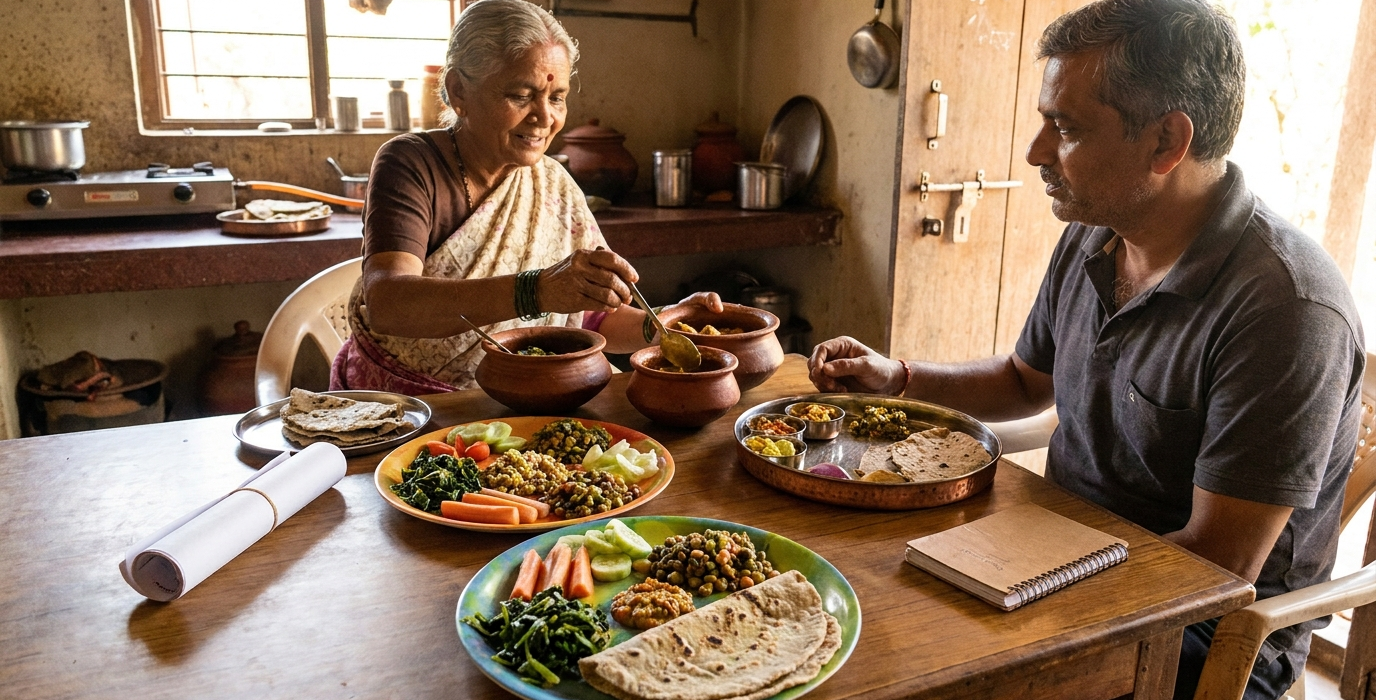
Managing diabetes in 2026, especially within the rich culinary landscape of Maharashtra, requires a nuanced approach. Gone are the days of overly restrictive diets; the focus is now on intelligent food choices that embrace local flavours while promoting optimal blood sugar control. We understand that for many of you, traditional Maharashtrian cuisine is not just food, but a way of life, intertwined with festivals, family gatherings, and daily routines. Our aim is to guide you in adapting these beloved dishes and ingredients into a healthy, sustainable diabetes management plan. This isn’t about deprivation; it’s about empowerment, equipping you with the knowledge to enjoy delicious, wholesome meals that support your well-being.
We’ll delve into the specifics of what makes a Marathi diet suitable for diabetes, from the humble jowar bhakri to the celebratory puran poli. You’ll learn how to balance macronutrients, understand portion sizes, and incorporate a variety of nutrient-dense foods. The guidance here is practical, designed to be implemented in your everyday life, whether you’re cooking in a Pune kitchen or a village home in Konkan. We’ll also touch upon the importance of consulting with healthcare professionals, as individual needs can vary significantly. Remember, consistency and a positive outlook are your greatest allies in this journey.
The Foundation: Grains and Carbohydrates in Your Marathi Diet
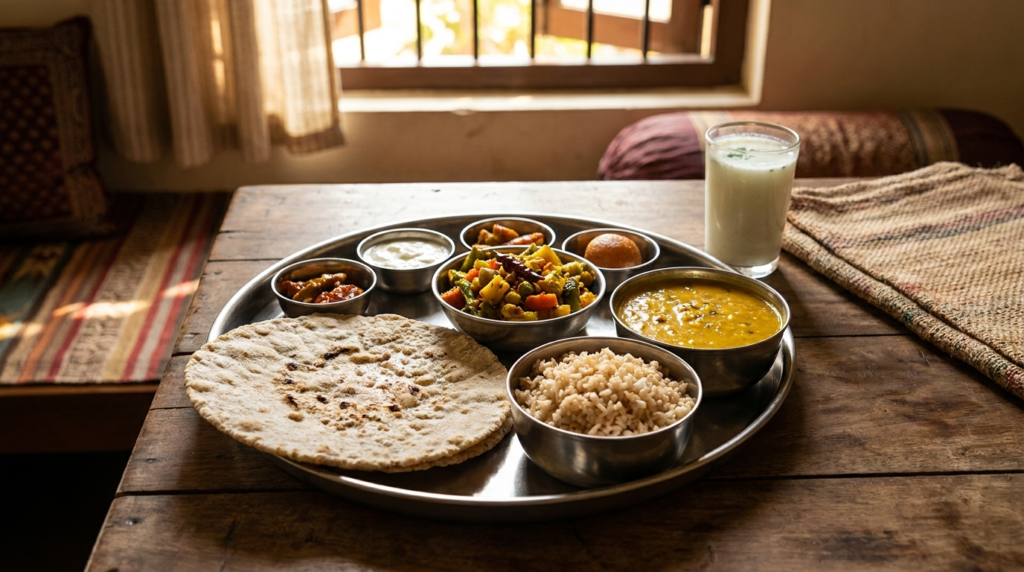
Carbohydrates are a vital source of energy, but for individuals managing diabetes, their type and quantity are paramount. In the Marathi diet, grains form a significant part of this carbohydrate intake. Traditional staples like *jowar* (sorghum), *bajra* (pearl millet), and *nachni* (finger millet) are excellent choices. These millets are rich in fiber, which helps slow down the absorption of sugar into the bloodstream, leading to more stable blood glucose levels. Unlike refined grains, they have a lower glycemic index (GI), meaning they cause a smaller and slower rise in blood sugar after consumption.
While *chawal* (rice) is a staple, opt for unpolished or brown rice varieties when possible. These retain more of their natural fiber and nutrients compared to white rice. We recommend limiting the intake of *maida* (refined wheat flour) products like white bread and biscuits, as they are quickly digested and can cause sharp spikes in blood sugar. When preparing traditional dishes like *poha* or *upadya*, focus on whole grains and incorporate plenty of vegetables to increase fiber content and nutrient density. Understanding portion sizes is key; even healthy carbohydrates should be consumed in moderation. For instance, a single *jowar bhakri* (sorghum flatbread) is generally a good serving size, rather than multiple large ones.
Protein Power: Building Blocks for Better Blood Sugar Control
Protein plays a crucial role in diabetes management by promoting satiety, helping to stabilize blood sugar levels, and supporting muscle health. The Marathi diet offers a diverse array of protein sources that are both nutritious and delicious. Lentils and legumes, known as *dals* and *phasal* in Marathi, are dietary powerhouses. Varieties like *toor dal* (split pigeon peas), *moong dal* (mung beans), and *chana dal* (split chickpeas) are excellent sources of plant-based protein and fiber. They can be incorporated into daily meals as *varan* (plain dal), *amti* (spiced dal), or *usal* (sprouted legumes curry).
When it comes to animal protein, lean meats and fish are preferred. Chicken breast, without the skin, and fish like *pomfret* or *surmai* are good options. It’s advisable to prepare them using healthier cooking methods such as baking, grilling, or stir-frying rather than deep-frying. Eggs are another excellent and versatile source of protein. For vegetarians, *paneer* (Indian cottage cheese) and *tofu* are valuable protein additions. They can be used in various curries and stir-fries. It’s important to be mindful of how these proteins are prepared; excessive oil or creamy gravies can negate their health benefits. Aim for dishes where the protein is the star, not hidden under layers of fat.
The Colorful Contribution: Vegetables and Fruits
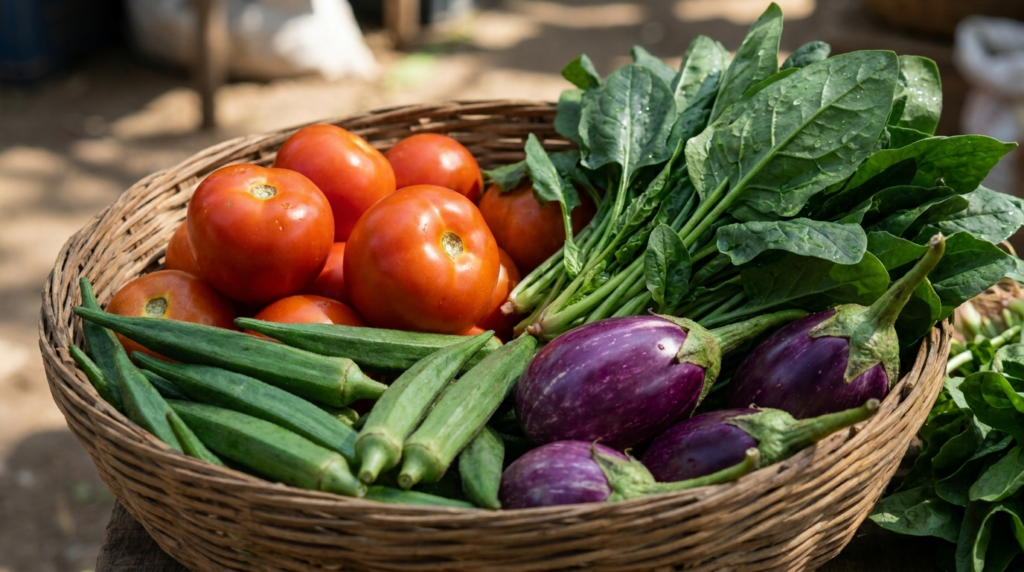
Vegetables and fruits are the cornerstone of a healthy diabetes diet, providing essential vitamins, minerals, antioxidants, and fiber. The Marathi cuisine is blessed with an abundance of seasonal vegetables that can be incorporated into your daily meals. Think of the vibrant *bhajis* (vegetable preparations) like *palak bhaji* (spinach), *methi bhaji* (fenugreek leaves), *gavar bhaji* (cluster beans), and *bhendi bhaji* (okra). These leafy greens and cruciferous vegetables are low in calories and carbohydrates but high in fiber and nutrients. They are excellent for helping to manage blood sugar levels and promoting overall health.
When selecting fruits, prioritize those with a lower glycemic index. Berries, apples, pears, and citrus fruits like oranges and grapefruits are generally good choices. It’s often recommended to consume whole fruits rather than their juices, as whole fruits contain fiber that helps regulate sugar absorption. For example, a whole apple will have a slower impact on your blood sugar than a glass of apple juice. We encourage you to explore the vast variety of local, seasonal fruits available in Maharashtra, from *chikoo* (sapodilla) to *jamun* (java plum). Portion control is still key, even with fruits, as they do contain natural sugars. A small bowl of mixed berries or one medium-sized apple is a sensible serving.
Fats and Oils: Making Wise Choices for Heart Health
While often demonized, healthy fats are essential for our bodies and play a role in managing diabetes. The key is to distinguish between beneficial unsaturated fats and less healthy saturated and trans fats. In the Maharashtrian kitchen, common cooking oils include groundnut oil, sunflower oil, and mustard oil. These are primarily unsaturated fats and can be used in moderation. It’s advisable to rotate your cooking oils to ensure a broader spectrum of fatty acids. For instance, mustard oil, rich in monounsaturated and polyunsaturated fats, is a traditional staple in many parts of Maharashtra.
We strongly recommend limiting the intake of saturated fats found in butter, ghee, and coconut oil, and avoiding trans fats altogether, which are often present in processed and fried foods. When preparing traditional sweets or snacks that use ghee, consider using it sparingly or opting for healthier alternatives where possible. Nuts and seeds, such as almonds, walnuts, and flaxseeds, are excellent sources of healthy fats, protein, and fiber. A small handful of these can be a nutritious addition to your diet, perhaps sprinkled over your morning *dahi* (yogurt) or incorporated into *chutneys*. These provide sustained energy and contribute to satiety, helping you feel fuller for longer and manage your appetite effectively.
Beyond the Plate: Lifestyle Integration for Diabetes Management
Managing diabetes in 2026 is not solely about diet; it’s a holistic approach that integrates healthy eating with regular physical activity, adequate sleep, and stress management. Physical activity is paramount for improving insulin sensitivity, helping your body use glucose more effectively, and maintaining a healthy weight. Aim for at least 150 minutes of moderate-intensity aerobic activity per week. This could include brisk walking, cycling, swimming, or dancing – perhaps even trying out a traditional Garba routine!
Incorporating strength training exercises at least twice a week is also beneficial for building muscle mass, which further aids in glucose metabolism. If you’re unsure about where to start, consider consulting a fitness professional who can design a personalized exercise plan. Beyond exercise, prioritize sufficient sleep, aiming for 7-9 hours per night. Poor sleep can negatively impact blood sugar control. Stress management techniques like yoga, meditation, or spending time in nature can also make a significant difference. Remember, the goal is not perfection, but consistent effort and a commitment to a healthier lifestyle. This integrated approach will empower you to live a fuller, more vibrant life with diabetes.
“The most significant shift in diabetes care for 2026 is moving away from rigid restrictions towards a personalized, lifestyle-driven approach that embraces cultural foods and daily routines.”
Frequently Asked Questions
What are the best grains for a Marathi diabetes diet?
For a Marathi diabetes diet in 2026, prioritize whole grains like jowar (sorghum), bajra (pearl millet), and nachni (finger millet) due to their high fiber content and lower glycemic index. Opt for unpolished or brown rice over white rice when possible.
How can I manage my sweet cravings with diabetes?
Instead of artificial sweeteners, try satisfying sweet cravings with whole fruits like berries, apples, or pears in moderation. You can also explore healthier versions of traditional Indian sweets using natural sweeteners sparingly and focusing on ingredients like nuts and millets. Small, controlled portions are key.
Is it safe to eat traditional Maharashtrian snacks like chakli or bhajiya?
Traditional snacks like *chakli* or *bhajiya* are often deep-fried and can be high in unhealthy fats and refined carbohydrates, which can impact blood sugar levels. If you choose to indulge, do so in very small portions and infrequently. It’s better to focus on healthier snack alternatives such as roasted makhana, a small handful of nuts, or a piece of fruit.
What role does dahi (yogurt) play in a diabetes diet?
Plain, unsweetened *dahi* is an excellent source of protein and probiotics, which can be beneficial for gut health and blood sugar management. It helps in slowing down sugar absorption. You can enjoy it plain, or add a few berries or a sprinkle of chia seeds for added nutrients and flavor.