Key Takeaways
- Delhi’s street food scene is undergoing a significant transformation in 2026, blending tradition with modern culinary techniques and hygiene standards.
- New ventures are focusing on authentic regional flavours, often sourcing ingredients directly from their origins, offering a more refined experience.
- Technology plays a crucial role, with digital ordering, delivery apps, and even QR code menus becoming standard, enhancing accessibility and convenience.
- Expect to see a rise in curated street food tours and pop-up events, catering to both seasoned foodies and curious newcomers.
The Rebirth of Chandni Chowk’s Charm
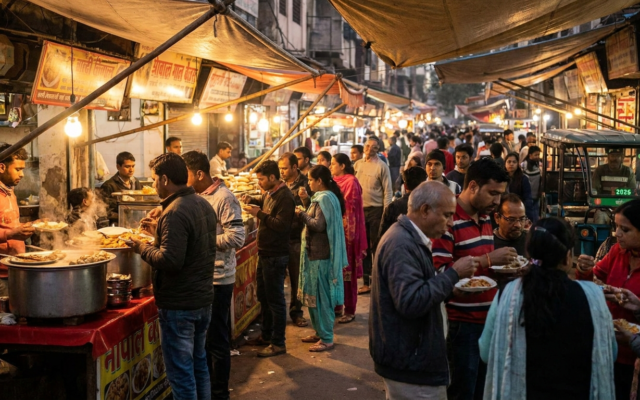
Step into Chandni Chowk in 2026, and you’ll notice a palpable shift. The familiar chaos, the symphony of clanging utensils, and the intoxicating aromas of spices are still very much present. However, a new wave of entrepreneurs is breathing fresh life into this historic heart of Delhi’s street food. They aren’t just replicating old recipes; they are reverently preserving them while elevating the presentation and hygiene, making it accessible to a broader audience. Imagine your favourite aloo tikki, now served on artisanal ceramic plates at a beautifully appointed kiosk, or a steaming plate of chole bhature with a side of microgreens. This isn’t about losing the soul of the dish; it’s about showcasing its brilliance with a touch of contemporary finesse.
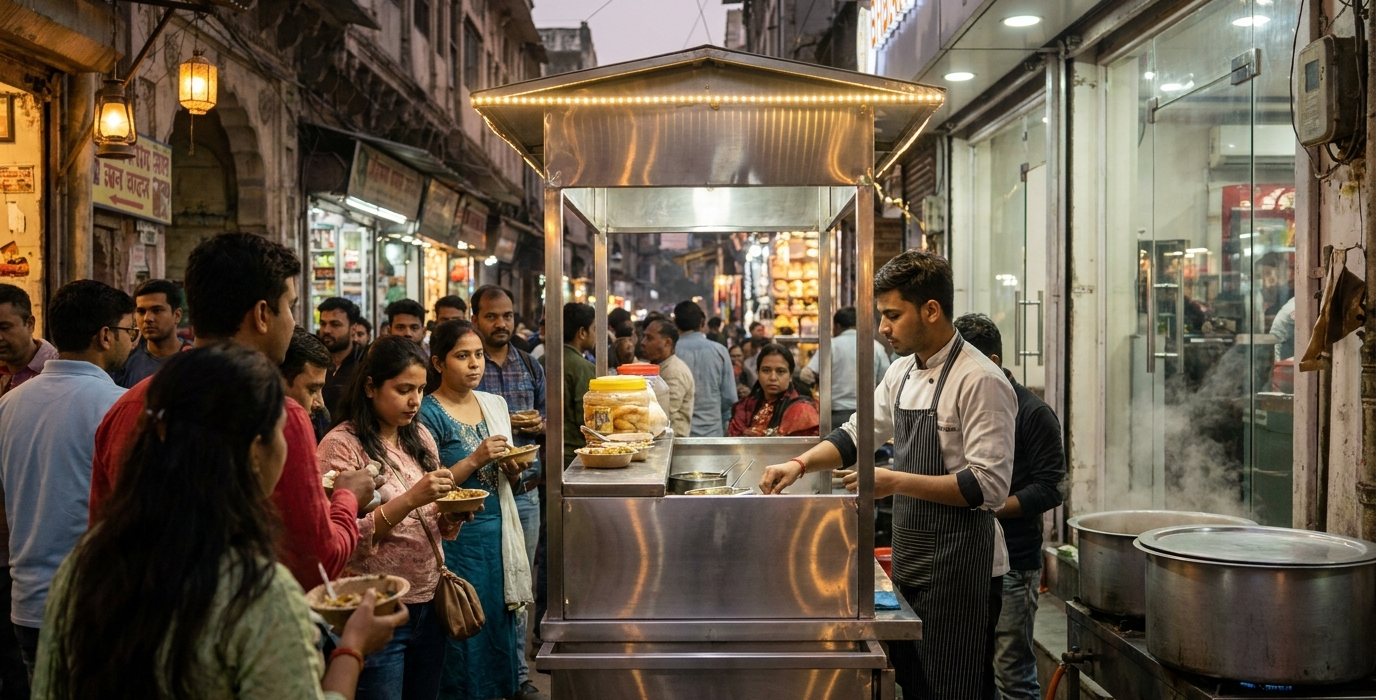
The old guard, the families who have perfected their craft over generations, are also adapting. Many are now collaborating with younger chefs or investing in better infrastructure, understanding that the future demands both authenticity and a commitment to modern standards. You’ll find dedicated hand-washing stations, clearer labelling of ingredients, and even contactless payment options becoming the norm. This blend of the age-old and the new is creating an exciting culinary landscape where tradition is not just remembered but actively celebrated and improved upon. The result is a street food experience that is safer, more organised, and arguably, more delicious than ever before.
Beyond Parathas: Exploring Regional Delights
While Delhi is synonymous with its own iconic street food, 2026 marks a significant expansion of regional culinary exploration. Gone are the days when you had to travel to the source for authentic flavours from across India. Now, dedicated stalls and pop-up kitchens across the capital are bringing the tastes of Kolkata’s puchka, Mumbai’s vada pav, and even the spicy flavours of Lucknow’s galawati kebabs right to your doorstep. These aren’t watered-down versions; many vendors are passionately sourcing spices and ingredients directly from their home states, ensuring an unparalleled level of authenticity. This focus on true regional representation is a testament to the evolving palate of the Indian consumer and the increasing desire for genuine culinary experiences.
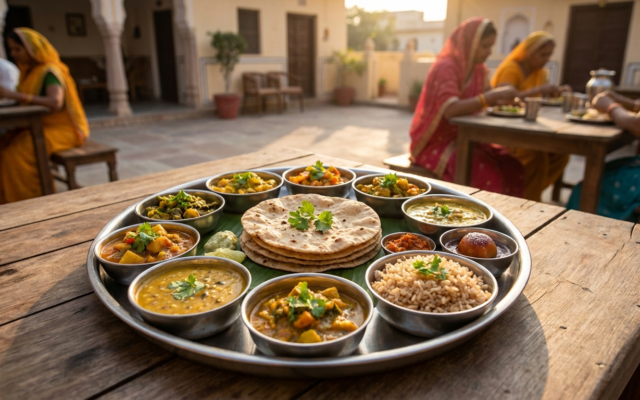
One of the most surprising trends is the emergence of specialized “regional corners” within popular food hubs. Think of a dedicated section in Connaught Place or a cluster of stalls near Dilli Haat, each focusing on a specific state’s street food specialities. You can now embark on a culinary journey from North to South, East to West, all within a few hours. For instance, we’ve seen a surge in vendors offering authentic Assamese fish curries served with sticky rice, or the complex flavours of Rajasthani dal baati churma prepared with traditional methods. This expansion is not just about variety; it’s about celebrating the incredible diversity of Indian cuisine on a single platform, making it easier for you to discover your next favourite dish.
The Tech-Infused Foodie Experience
The digital revolution has fully embraced Delhi’s street food scene in 2026, making your culinary adventures more seamless and convenient than ever before. Gone are the days of fumbling for cash or struggling to communicate your order amidst the din. Most popular street food vendors now proudly display QR codes, allowing you to browse interactive menus, view ingredient details, and even place your order with a few taps on your smartphone. This not only speeds up the ordering process but also significantly improves transparency, especially for those with dietary restrictions or allergies. You can often see pictures of the dishes, read customer reviews, and even track the preparation of your food in real-time.
Delivery apps have also cemented their role, bringing your favourite street food directly to your home or office. But it’s not just about convenience; technology is also being used to enhance the on-site experience. Many newer establishments feature digital display boards, showcasing daily specials, nutritional information, and even the origin stories of their dishes. Some vendors are even experimenting with augmented reality (AR) filters that you can use to enhance your food photos before sharing them on social media. This integration of technology is not replacing the human element of street food but rather augmenting it, making it more accessible, informative, and engaging for the modern diner.
Hygiene and Sustainability: The New Staples
In 2026, hygiene and sustainability are no longer afterthoughts in Delhi’s street food landscape; they are integral to its revival. Patrons now expect to see vendors using disposable, biodegradable packaging, separate bins for different types of waste, and clearly marked areas for food preparation and consumption. This heightened awareness is a direct response to growing consumer demand for healthier and more environmentally conscious food options. Many vendors are actively promoting their use of fresh, locally sourced ingredients, reducing their carbon footprint and supporting local farmers. You’ll find clear signage detailing their commitment to these practices, building trust and confidence.
This shift is also being driven by proactive government initiatives and food safety certifications. While not universally adopted yet, the trend towards formalization and adherence to stricter guidelines is undeniable. Some innovative food hubs are even setting up centralized composting facilities for the organic waste generated by their vendors, further bolstering their sustainability credentials. We’ve also noticed a rise in vendors offering “zero-waste” meal options, encouraging customers to bring their own reusable containers for takeaways. This commitment to responsible practices is not just good for the planet; it’s also enhancing the overall quality and appeal of Delhi’s street food, making it a more responsible choice for conscious consumers.
Curated Experiences: Food Tours and Pop-Ups
The street food scene in 2026 is no longer solely about stumbling upon a hidden gem; it’s also about curated experiences designed to guide you through the best of what the city has to offer. Professional food tours have become incredibly popular, offering expertly guided journeys through iconic food districts like Old Delhi, Lajpat Nagar, and Sarojini Nagar. These tours often go beyond just sampling food; they delve into the history, culture, and stories behind each dish and vendor. You’ll learn about the evolution of a paratha from the Mughals to modern times or the secret behind a perfectly crisp golgappa, often directly from the chefs themselves.
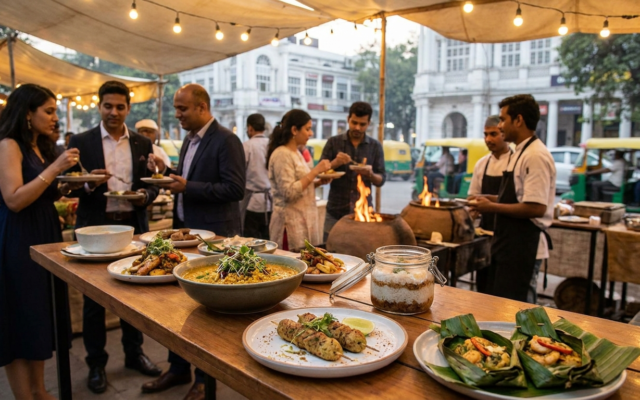
Complementing these tours are the burgeoning number of pop-up events and food festivals. These events bring together a diverse array of street food vendors under one roof, offering a concentrated dose of culinary delights. Think of weekend markets showcasing regional street food, or themed pop-ups focusing on specific ingredients like chilies or regional sweets. These gatherings provide a fantastic opportunity for both locals and tourists to sample a wide variety of dishes in a vibrant, festive atmosphere. They also serve as crucial platforms for emerging chefs and food entrepreneurs to test new concepts and gain exposure, further enriching the dynamic street food ecosystem.
A Surprising Staple: The Rise of Artisanal Chai
While the classic masala chai remains a beloved staple, a fascinating trend in 2026 is the emergence of artisanal chai across Delhi’s street food landscape. This isn’t just about adding a new spice; it’s about rethinking the entire chai-making process. Vendors are experimenting with premium tea leaves, exotic spices like cardamom, saffron, and even hints of rose petals, creating complex and aromatic brews. You can now find “single-origin” chai, where the tea leaves are sourced from specific estates, much like in the coffee world, offering a nuanced flavour profile that changes with the season. This elevated approach to a humble beverage is drawing in a new demographic of chai enthusiasts.
These artisanal chai stalls often boast a more sophisticated aesthetic, with clean designs and comfortable seating areas, transforming the simple act of drinking chai into a more relaxed and enjoyable experience. Some vendors are even offering cold brews and nitro infusions of chai, catering to warmer days and a more modern palate. We’ve also seen a delightful trend of pairing specific artisanal chais with particular street food items, creating flavour combinations that enhance both. For example, a delicate saffron-infused chai might be recommended alongside a plate of crisp samosas, or a robust, spiced chai paired with a sweet jalebi. This unexpected evolution of a daily beverage highlights the ongoing innovation within India’s food culture.
Frequently Asked Questions
What are the best times to visit Delhi’s street food hubs in 2026?
For a less crowded experience, aim for weekday afternoons, typically between 2 PM and 5 PM. Weekends and evenings, especially around dinner time (7 PM to 10 PM), are when popular spots like Chandni Chowk and Connaught Place truly come alive but can be very busy. Early mornings are great for specific breakfast items like parathas.
Are there any specific street food areas in Delhi that have seen significant improvement in hygiene in 2026?
Yes, many areas have. Notably, the newer food courts and designated street food zones in areas like Hauz Khas Village and Khan Market have invested heavily in modern infrastructure, including better waste management and handwashing facilities. Many individual vendors in established hubs like Chandni Chowk and Karol Bagh are also proactively adopting improved hygiene practices due to increased customer expectation.
Can I find vegetarian and vegan street food options easily in Delhi in 2026?
Absolutely. Delhi’s street food scene is incredibly diverse. While many traditional dishes are inherently vegetarian, there’s a growing conscious effort to offer clearly labelled vegan options. Look for stalls specialising in chaat, dosas, idlis, and various vegetable-based curries. Many vendors are now happy to customize dishes to accommodate dietary needs, so don’t hesitate to ask.
How has technology changed how I order street food in Delhi in 2026?
Technology has made ordering significantly easier. Most popular vendors now accept digital payments (UPI, cards). Many have QR codes on their stalls for contactless ordering and payment, and you can also find them listed on major food delivery apps. This means you can often browse menus, see prices, and even pre-order your food remotely.