Key Takeaways
- Explore the evolving culinary landscape of Delhi’s street food scene in 2026, with a focus on established icons and emerging trends.
- Discover specific dishes and vendors at key locations like Chandni Chowk, Connaught Place, and Lajpat Nagar, offering both classic and innovative flavours.
- Learn about hygiene practices and smart ordering tips to maximise your street food experience safely and deliciously.
- Understand the cultural significance and economic impact of Delhi’s vibrant street food culture.
Chandni Chowk: The Enduring Heartbeat of Delhi’s Street Food
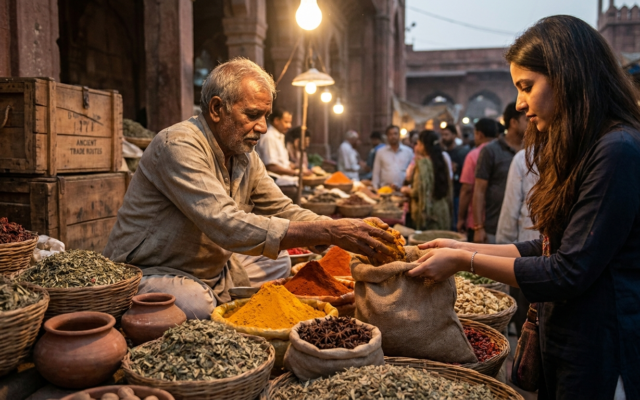
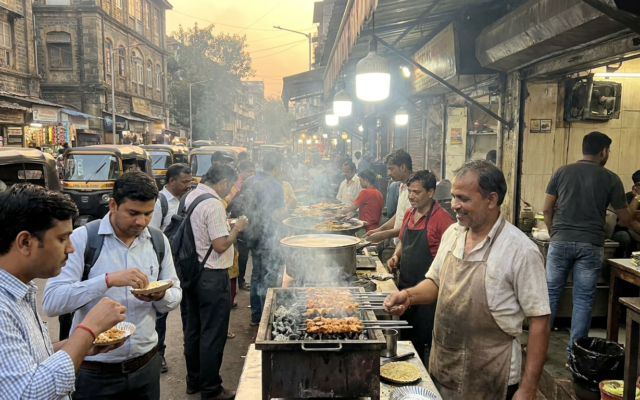
Chandni Chowk, the historic heart of Old Delhi, continues its reign as the undisputed king of street food in 2026. This labyrinthine bazaar, alive with a cacophony of sounds and aromas, offers an unparalleled sensory journey. For decades, it has been the go-to destination for authentic flavours, and this year is no different. You’ll find generations-old recipes served with pride, a testament to culinary heritage.
The sheer variety is staggering. From the crispy, flavour-packed ‘golgappas’ (pani puri) at the iconic Natraj Dahi Bhalla Corner to the rich, creamy ‘parathas’ at Paranthe Wali Gali, every corner offers a new delight. Many vendors here have perfected their craft over lifetimes, ensuring consistent quality and taste that draws crowds from across the city and beyond. It’s not just about the food; it’s about the experience – the bustling crowds, the vibrant colours, and the sheer energy of the place.
A surprising fact: while many associate Chandni Chowk solely with savoury delights, the sweets here are equally legendary. Head to Ghantewala Halwai, despite its modern renovations, for their signature ‘sohan halwa,’ a dense, nutty confection that has been a royal favourite for centuries. The sheer density of iconic food establishments within such a concentrated area makes it a must-visit for any serious food lover. We recommend visiting in the late afternoon to experience the transition from daytime hustle to evening foodie paradise.
Connaught Place: Modern Flavours Meet Classic Comforts
Connaught Place (CP), Delhi’s colonial-era commercial hub, has evolved significantly, and its street food scene in 2026 reflects this dynamic blend of old and new. While retaining its iconic status for classic snacks, CP is increasingly becoming a playground for culinary innovation. The inner circle, with its distinctive architecture, offers a more organised and often cleaner street food experience compared to its older counterparts.
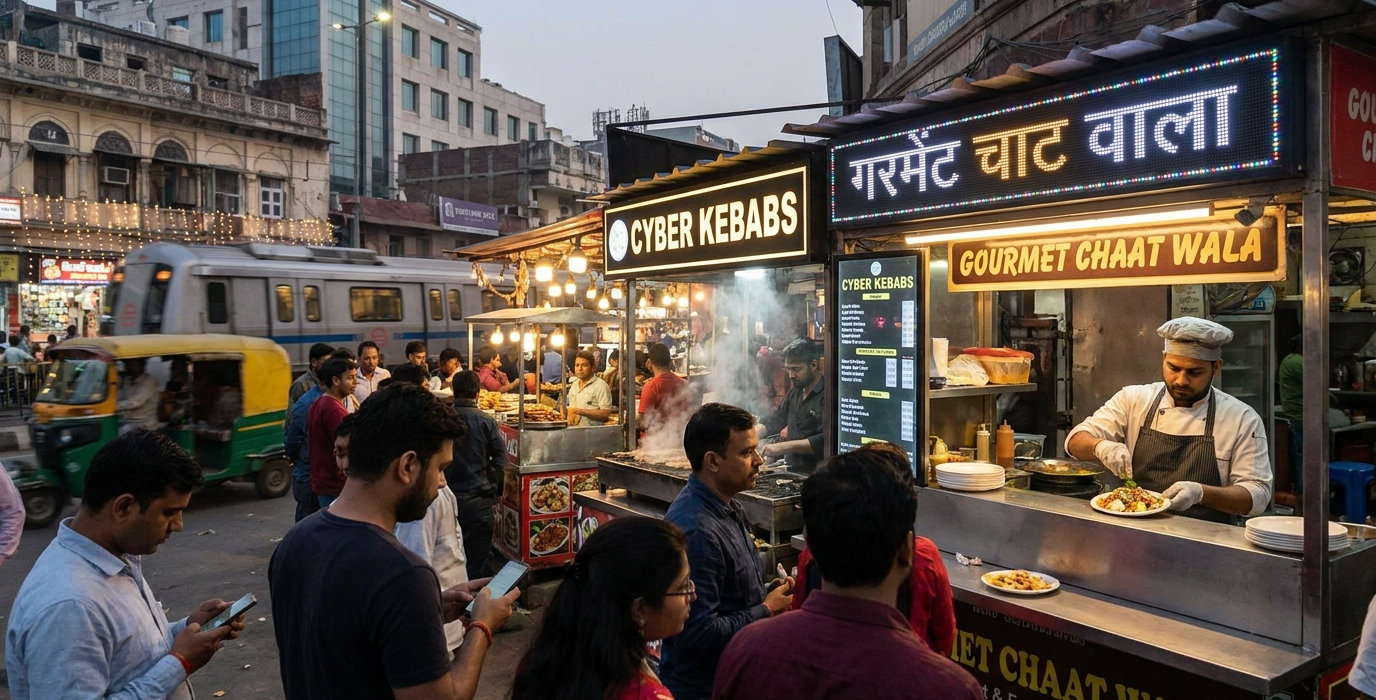
Here, you can find everything from the legendary ‘aloo chaat’ and ‘papri chaat’ from roadside vendors to more contemporary fusion snacks. Don’t miss the opportunity to sample the ‘chole bhature’ from a popular stall, often accompanied by a long queue of eager patrons. The vendors here are often more attuned to modern hygiene standards, making it a comfortable choice for those who are a little more cautious. We’ve seen a rise in vendors offering gluten-free or vegan options, catering to a broader audience.
A lesser-known gem in CP is the array of ‘momos’ available. While originating from Tibetan cuisine, Delhi has truly made them its own. You’ll find stalls offering a bewildering variety of fillings and sauces, from classic vegetable and chicken to more adventurous options like paneer tikka or tandoori chicken. The affordability and quick service make them a perfect snack for shoppers and office-goers alike. Many of these stalls operate well into the night, providing a delicious late-night option.
Lajpat Nagar: A Shopping Hub’s Delicious Diversification
Lajpat Nagar, a bustling market famous for its textiles and fashion, has quietly emerged as a significant street food destination in 2026. The area surrounding the Central Market is now dotted with numerous food stalls, offering a diverse range of snacks and meals that cater to the shoppers looking for a quick and tasty bite. It’s a place where you can shop for your next festive outfit and then refuel with some of Delhi’s best street food.
The food here mirrors the market’s vibrancy and variety. You’ll find popular North Indian staples like ‘samosas’ and ‘pakoras,’ but also regional specialties that have found a loyal following. Look out for stalls serving South Indian ‘dosas’ and ‘idlis,’ offering a welcome change of pace. The accessibility and relatively moderate pricing make it an attractive spot for students and families. It’s a more laid-back experience compared to Chandni Chowk, making it ideal for a relaxed afternoon of food exploration.
A truly surprising culinary discovery in Lajpat Nagar is the growing popularity of ‘kathi rolls.’ While not exclusively a Delhi invention, the vendors here have put their unique spin on these flavour-packed wraps. Expect generous fillings of spiced meats, paneer, or vegetables, all expertly rolled in flaky parathas. Many vendors offer customisation, allowing you to choose your spice level and extra toppings. This has become a go-to for a hearty and satisfying meal on the go, proving that Lajpat Nagar is more than just a shopping paradise.
Hauz Khas Village: Bohemian Bites and Global Influences
Hauz Khas Village, known for its bohemian vibe, art galleries, and historic fort, has also cultivated a surprisingly robust street food scene in 2026. The narrow lanes, leading up to the picturesque lake and ancient ruins, are now home to a cluster of vendors offering a more curated, often fusion-inspired, street food experience. It’s a destination that appeals to those seeking a blend of culture, ambiance, and delicious, modern flavours.
Unlike the traditional markets, Hauz Khas Village street food often leans towards creative twists on classics. You’ll find gourmet versions of ‘pani puri’ with exotic fillings, artisanal ‘momos’ with unique dipping sauces, and innovative ‘chaat’ creations. The vendors here are often younger entrepreneurs, bringing a fresh perspective to street food. The setting itself, with its ancient architecture and lovely views, adds a unique charm to the dining experience.
One of the most exciting developments here is the influence of global street food. Expect to see stalls offering ‘bao buns’ with Indian fillings, ‘gyozas’ with a spicy desi kick, or even Mexican-inspired tacos with tandoori chicken. This fusion approach is a hallmark of Hauz Khas Village, making it a fascinating place for adventurous eaters. We also noticed a rise in vendors focusing on healthy options, such as quinoa salads and fresh fruit bowls, catering to a health-conscious demographic. It’s a testament to how Delhi’s street food is constantly evolving.
Karol Bagh: A Local Favourite for Classic Delights
Karol Bagh, a commercial hub often associated with wholesale markets and electronics, is also a treasure trove for authentic Delhi street food in 2026, particularly for those seeking classic, unpretentious flavours. The area around Arya Samaj Road and the main market streets is teeming with vendors who have been serving the local community for years, maintaining high standards of taste and quality.
This is where you’ll find some of the city’s most beloved staples done exceptionally well. The ‘aloo tikki’ here is often a standout – crispy on the outside, soft and flavourful on the inside, usually served with spicy chutneys and a dollop of cooling yogurt. Another must-try is the ‘chole kulche,’ a hearty and satisfying combination that’s perfect for a filling snack or light meal. The vendors here often focus on perfecting a few key dishes, ensuring they do them better than anyone else.
A truly surprising fact we uncovered is the prevalence of exceptional ‘lassi’ stalls in Karol Bagh. Beyond the typical sweet or salted varieties, you can find vendors offering rich, creamy malai lassis, often topped with a generous spoonful of clotted cream. These are not just beverages; they are indulgent desserts in themselves. The unadorned setting of these stalls belies the incredible flavour packed into each glass, making them a local secret worth seeking out. Karol Bagh offers a taste of Delhi that feels deeply rooted and authentic.
Safety and Smart Eating: Navigating Delhi’s Street Food Scene
Exploring Delhi’s vibrant street food scene in 2026 is an unforgettable adventure, but it’s essential to approach it with a degree of caution and awareness. While the flavours are incredible, maintaining good hygiene practices is paramount to enjoying your culinary journey without any unwelcome surprises. We’ve seen significant improvements in hygiene standards across many popular spots, but it always pays to be observant.
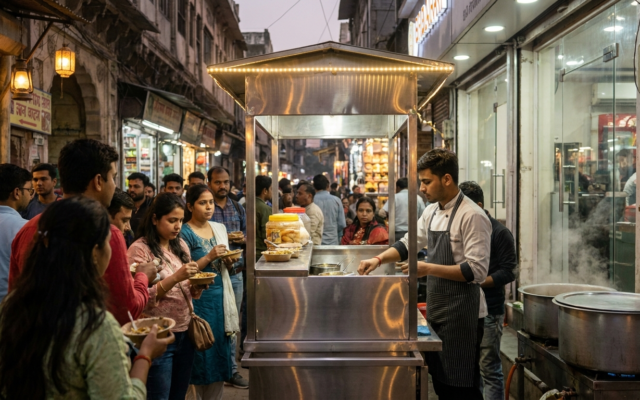
When choosing a vendor, look for signs of cleanliness. Are the utensils clean? Is the food being prepared hygienically, with hands washed or gloves used? Are the ingredients fresh and stored properly? Opt for vendors who have a steady stream of customers, as this usually indicates fresh food and popularity. It’s also wise to choose food that is cooked fresh in front of you, rather than items that have been sitting out for a long time. Using bottled water for drinks is always a good precaution.
“The best street food isn’t just about taste; it’s about the story behind it – the generations of skill, the local ingredients, and the sheer passion of the vendors. Approach it with an open mind and a keen eye, and you’ll be rewarded.”
For those new to Delhi’s street food, we recommend starting with drier items like ‘tikki’ or ‘chaat’ that are prepared fresh. Avoid raw salads or cut fruits from vendors if you are unsure about their water source. When it comes to drinks, stick to bottled water or freshly squeezed juices from reputable stalls. Embrace the local way of eating by observing what others are doing, and don’t hesitate to ask vendors about their preparation methods. A little common sense goes a long way in ensuring a delightful and safe street food experience.
Frequently Asked Questions
What are the most iconic street food dishes to try in Delhi?
You absolutely must try ‘pani puri’ (golgappa), ‘aloo tikki,’ ‘chole bhature,’ ‘papri chaat,’ ‘samosas,’ and ‘momos.’ For sweets, look for ‘jalebis’ and ‘rabri.’ Each offers a distinct taste of Delhi’s culinary soul.
When is the best time to visit Delhi’s street food markets?
Late afternoons and evenings are generally the best times, as most vendors are fully operational and the atmosphere is most vibrant. Weekends can be very crowded, so weekdays might offer a more relaxed experience.
How can I ensure I’m eating safely from street food vendors?
Look for busy stalls with high customer turnover, observe hygiene practices (cleanliness of stalls, utensils, and vendors), opt for freshly cooked food, and always drink bottled water. Avoid raw foods if you have any doubts about the water source.
Are there any street food areas suitable for vegetarians?
Yes, Delhi’s street food scene is incredibly vegetarian-friendly. Most ‘chaat’ items, ‘aloo tikki,’ ‘parathas,’ ‘chole bhature,’ ‘dosas,’ and ‘momos’ (with vegetable fillings) are widely available and delicious vegetarian options.