Key Takeaways
- Embrace a multi-pronged approach to zero-waste, focusing on reducing, reusing, and refusing, rather than just recycling.
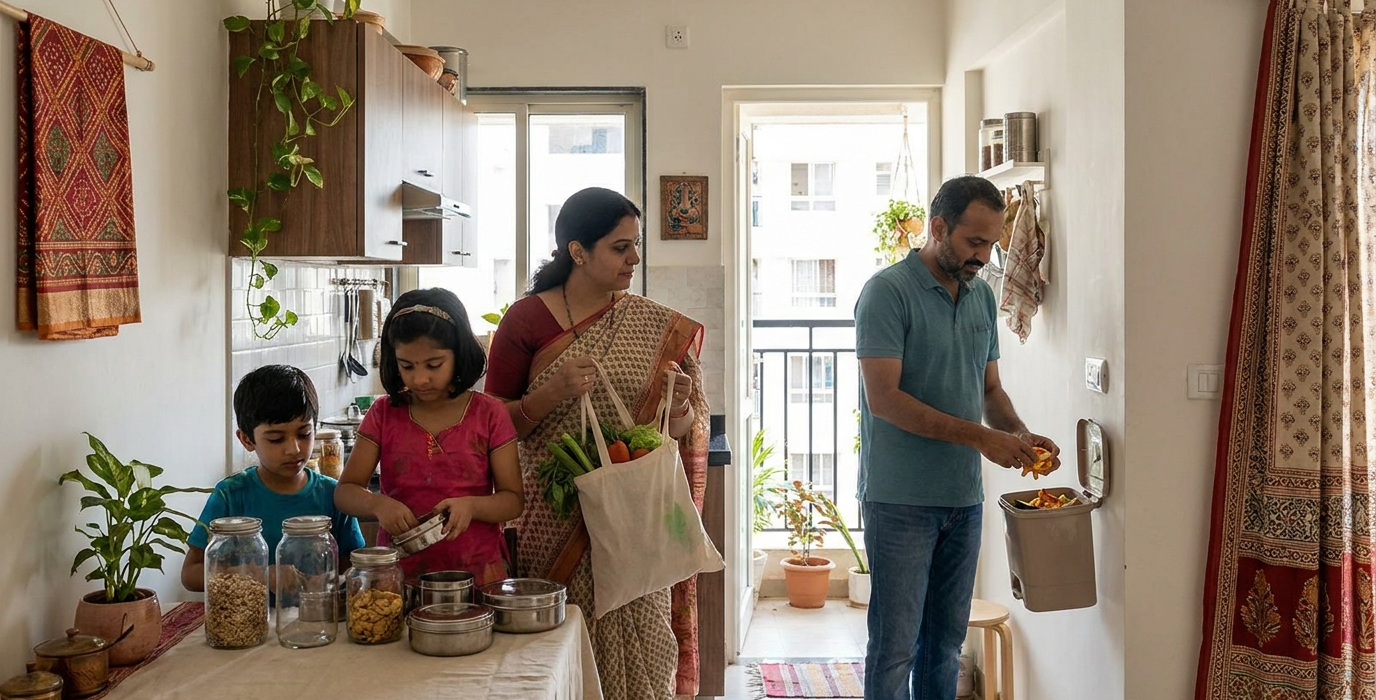
- Composting organic waste at home, even in apartments, significantly cuts down landfill burden and provides valuable garden nutrients.
- Smart shopping habits, like carrying reusable bags and buying in bulk, are crucial for preventing single-use plastic from entering your home.
- Upcycling everyday items can lead to unique decor and practical solutions, saving money and resources.
The Rise of the Conscious Consumer: Why Zero-Waste Matters Now
As we navigate the complexities of 2026, the conversation around sustainability has moved from the periphery to the core of our daily lives. For us in India, a nation steeped in traditions of resourcefulness and mindful consumption, the principles of zero-waste living resonate deeply. It’s not just about environmental activism; it’s about a practical, cost-effective, and profoundly rewarding way of life. We’re seeing a significant shift, from urban centres like Bengaluru and Mumbai to smaller towns, where individuals are actively seeking ways to minimise their ecological footprint. This movement is driven by a growing awareness of the strain on our planet’s resources and a desire to build a healthier future for ourselves and generations to come.
The sheer volume of waste generated by modern lifestyles is staggering. Landfills are overflowing, and the pollution generated impacts our air, water, and soil. For many of us, the initial thought of “zero-waste” might seem daunting, conjuring images of extreme deprivation. However, the reality is far more accessible and adaptable to our Indian context. It’s about making conscious choices, one small step at a time. We can learn from ancient practices of repairing, reusing, and making do, integrating them with modern innovations to create a sustainable lifestyle that’s both practical and fulfilling.
From Kitchen Scraps to Garden Gold: Mastering Home Composting
One of the most impactful steps you can take towards a zero-waste lifestyle is managing your organic waste. In India, a significant portion of household refuse consists of food scraps, vegetable peels, and other biodegradable materials. When this organic matter decomposes in landfills, it releases methane, a potent greenhouse gas. Composting offers a powerful alternative, transforming these “wastes” into a valuable resource.
For those in apartments, the idea of composting might seem challenging. However, several effective methods are available. Bokashi composting is a fermentation process that can be done indoors, breaking down food waste, including meat and dairy, into a nutrient-rich liquid and a pre-compost material. This pre-compost can then be buried in pots or community gardens. Another popular method is using worm bins (vermicomposting). Red wigglers, a specific type of earthworm, efficiently break down kitchen scraps, producing nutrient-dense worm castings that are a fantastic natural fertiliser for your plants. Even simple pit composting in a small garden space can dramatically reduce your household waste. A surprising fact is that a well-maintained compost bin can reduce your household’s landfill waste by up to 30%.
Choosing the Right Composting Method for Your Space
Your choice of composting method will depend on your living situation and the amount of organic waste you generate. For small urban households, bokashi or worm bins are ideal due to their compact size and odour control. If you have a small balcony garden, a compact tumbler composter can also be a good option. For those with access to a larger garden or community gardening space, traditional heap composting can handle larger volumes. It’s essential to maintain the right balance of “greens” (nitrogen-rich materials like fruit and vegetable scraps) and “browns” (carbon-rich materials like dry leaves and shredded paper) for optimal decomposition.
Rethinking Your Shopping Cart: The Power of the Reusable
The journey to zero-waste truly begins before items even enter our homes, and that’s in the marketplace. Our shopping habits are a primary source of single-use plastic and excessive packaging. Embracing reusable alternatives is not just an eco-conscious choice; it’s a smart financial decision in the long run. Think about the ubiquitous plastic bags that are handed out at grocery stores and local markets across India, from the bustling lanes of Chandni Chowk in Delhi to the fish markets of Kochi.
A simple yet powerful shift is to carry your own reusable shopping bags. Cotton totes, jute bags, and sturdy cloth sacks are widely available and far more durable than their plastic counterparts. Beyond bags, consider reusable produce bags for fruits and vegetables, eliminating the need for those flimsy plastic ones. When buying grains, pulses, or spices from your local kirana store or a larger supermarket, opt for bulk bins and fill your own cloth or glass containers. This not only reduces packaging waste but often allows you to buy exactly the amount you need, preventing food spoilage.
The Rise of the ‘Naked’ Product and Bulk Stores
In cities like Pune and Chennai, we’re seeing an encouraging trend of “naked” product sections in supermarkets, where items like soaps, detergents, and even some food products are sold without individual packaging. Similarly, dedicated bulk stores are popping up, allowing consumers to refill their own containers. This model is a direct challenge to the conventional packaged goods industry and empowers consumers to make more sustainable choices.
| Item | Single-Use Alternative | Reusable Solution | Typical Cost (Initial) | Long-Term Savings | Environmental Impact |
|---|---|---|---|---|---|
| Shopping Bags | Plastic/Paper Bags (₹2-₹5 per bag) | Cotton Tote/Jute Bag (₹50-₹200) | Low | High (avoids recurring costs) | Significantly reduced plastic pollution |
| Produce Bags | Small Plastic Bags (often free/nominal) | Mesh Produce Bags (₹100-₹300 for a set) | Low | Moderate (avoids many small plastic bags) | Reduced microplastic pollution |
| Water Bottles | Single-use Plastic Bottles (₹10-₹30 per bottle) | Stainless Steel/Glass Bottle (₹300-₹1000) | Moderate | Very High (especially if buying bottled water regularly) | Dramatically cuts plastic waste and resource consumption |
| Coffee Cups | Disposable Paper Cups (₹5-₹20 per cup) | Reusable Travel Mug (₹200-₹600) | Low-Moderate | High (especially for daily coffee drinkers) | Reduced landfill waste and paper consumption |
Beyond the Bin: Creative Upcycling for a Beautiful Home
The concept of upcycling is a cornerstone of zero-waste living, transforming discarded items into something new and valuable. This practice is deeply embedded in Indian culture, where generations have ingeniously repurposed materials. Think of how old sarees are often stitched into quilts or how tin cans become decorative planters. In 2026, we’re seeing a resurgence of these traditions, infused with modern aesthetics and creativity.
Consider the humble glass jar. Instead of discarding it after use, it can become a chic storage container for spices, pulses, or even stationery. Old newspapers can be rolled and glued to create unique wall art or decorative bowls. Fabric scraps from old clothing can be fashioned into colourful patchwork cushion covers or even used to create new garments. Even items like broken ceramic plates can be used to create beautiful mosaic patterns for garden paths or tabletops. This not only diverts waste from landfills but also adds a personal, artisanal touch to your living space, something mass-produced items can’t replicate.
Surprising Transformations: From Tyres to Tables
One of the most surprising yet practical applications of upcycling we’ve encountered is the transformation of old car tyres. In many parts of India, these are often discarded haphazardly. However, with a bit of creativity and some sturdy materials, old tyres can be repurposed into durable and stylish outdoor furniture, such as coffee tables or seating. Wrapped in rope or painted in vibrant colours, they become a statement piece. Another fascinating example is the use of discarded plastic bottles to create innovative building materials, offering a sustainable solution for construction projects.
“Zero-waste isn’t about perfection; it’s about progress. Every small, conscious choice you make contributes to a larger, positive impact on our planet and our communities.”
The Art of Refusal: Saying ‘No’ to Unnecessary Items
Perhaps the most powerful, yet often overlooked, aspect of zero-waste living is the art of refusal. This means consciously choosing not to bring unnecessary items into your life in the first place. It’s about questioning every purchase and every freebie. Think about the countless promotional items, flyers, and samples that often end up in the dustbin within minutes of receiving them.
When you’re out and about, politely refuse plastic straws, disposable cutlery, and unnecessary packaging. If a shop offers a bag for a small item that you can easily carry, simply say “no, thank you.” This simple act of refusal sends a message to businesses about consumer demand for more sustainable practices. It also helps you declutter your home and your mind. Many of us fall into the trap of impulse buying, often driven by marketing or perceived need. Before making a purchase, ask yourself: “Do I truly need this? Will it add value to my life? Is there a more sustainable alternative?”
Navigating Social Norms and Saying ‘No’ Gracefully
Saying “no” can sometimes feel awkward, especially in social situations. For instance, at festivals or parties, there might be an abundance of disposable decorations or single-use serving ware. You can politely explain your commitment to reducing waste and offer to bring your own reusable alternatives. Many friends and family members are increasingly understanding and supportive of these choices. A surprising insight we’ve gathered is that often, people are looking for an excuse to adopt more sustainable habits themselves, and your proactive approach can be an inspiration.
Beyond Individual Actions: Community and Policy’s Role
While individual actions are crucial, achieving a truly zero-waste society requires collective effort and supportive policies. In India, communities are increasingly coming together to drive change. Swachh Bharat Abhiyan, though primarily focused on sanitation, has also inadvertently spurred greater awareness about waste management. We’re seeing local initiatives, from neighbourhood waste segregation drives in cities like Hyderabad to community repair cafes in smaller towns, fostering a culture of reuse and responsibility.
Policy plays a vital role in enabling and enforcing zero-waste practices. The Extended Producer Responsibility (EPR) frameworks, which hold producers accountable for the end-of-life management of their products, are gaining traction. Bans on certain single-use plastics, while sometimes facing implementation challenges, are crucial steps. Furthermore, investing in better waste management infrastructure, including efficient recycling and composting facilities, is paramount. A significant development we’re observing is the increased focus on circular economy models within government and industry, aiming to keep resources in use for as long as possible, extracting maximum value from them before recovering and regenerating products and materials at the end of each service life.
The Future is Circular: Embracing a Regenerative Economy
The shift towards a circular economy is not just an environmental imperative but also an economic opportunity. It fosters innovation in product design, encourages repair and refurbishment industries, and creates green jobs. As consumers, our continued demand for sustainable products and services will drive this transition. It’s a future where waste is viewed not as an endpoint, but as a valuable resource, fueling a more resilient and equitable world for all of us.
Frequently Asked Questions
What is the single most effective way to reduce household waste in India?
The single most effective way is to actively compost your organic kitchen and garden waste. This significantly reduces the volume of material going to landfills and creates a valuable soil amendment.
Are there affordable zero-waste options for everyday items in India?
Yes, absolutely. Many zero-waste solutions are more affordable in the long run. Reusable cloth bags, water bottles, and food containers are initial investments that save money by eliminating recurring purchases of disposables. Local markets often offer unpackaged goods.
How can I encourage my family and friends to adopt zero-waste habits?
Lead by example and make it easy and appealing. Share your successes and the benefits you’re experiencing. Offer to help them find sustainable alternatives or gift them reusable items. Focus on small, achievable steps rather than overwhelming them.
What are the biggest challenges to zero-waste living in India?
Challenges include limited access to bulk stores and proper waste segregation infrastructure in some areas, as well as deeply ingrained consumer habits favouring convenience and disposability. However, these are rapidly changing with growing awareness and innovation.
Can I really achieve “zero” waste, or is it a continuous journey?
For most individuals, true “zero” waste is an aspirational goal rather than a strict reality. The focus should be on continuous improvement and significantly reducing your waste footprint. Every step towards less waste is a victory.