Key Takeaways
- Indian chefs are leading a global movement towards hyper-local, sustainable fine dining, focusing on indigenous ingredients and ancient farming practices.
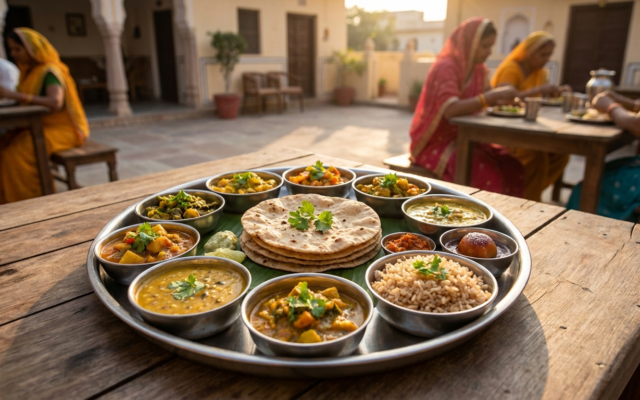
- Expect to see forgotten grains like barnyard millet and ancestral legumes feature prominently on upscale menus, often prepared using traditional techniques.
- Innovative approaches to zero-waste cooking are transforming kitchen scraps into gourmet elements, from vegetable peel crisps to fermented sauces.
- The rise of urban farming and direct farmer partnerships ensures unparalleled freshness and supports rural economies, fundamentally changing the farm-to-table concept in India.
The Resurgence of Ancient Grains: A Culinary Awakening
The fine dining scene in India is undergoing a profound transformation, driven by a conscious shift towards sustainability and a deep respect for our culinary heritage. Gone are the days when exotic imported ingredients exclusively defined luxury. Today, the most exciting chefs are looking inward, rediscovering and celebrating the incredible diversity of indigenous produce and ancient grains that have sustained our land for millennia. Imagine a plate where the star isn’t truffle oil, but the subtle nuttiness of kodo millet, or the earthy depth of black rice, grown using traditional, water-conserving methods. This is the new frontier of Indian gastronomy, a movement that’s not just about taste, but about traceability, environmental stewardship, and reclaiming our food identity.
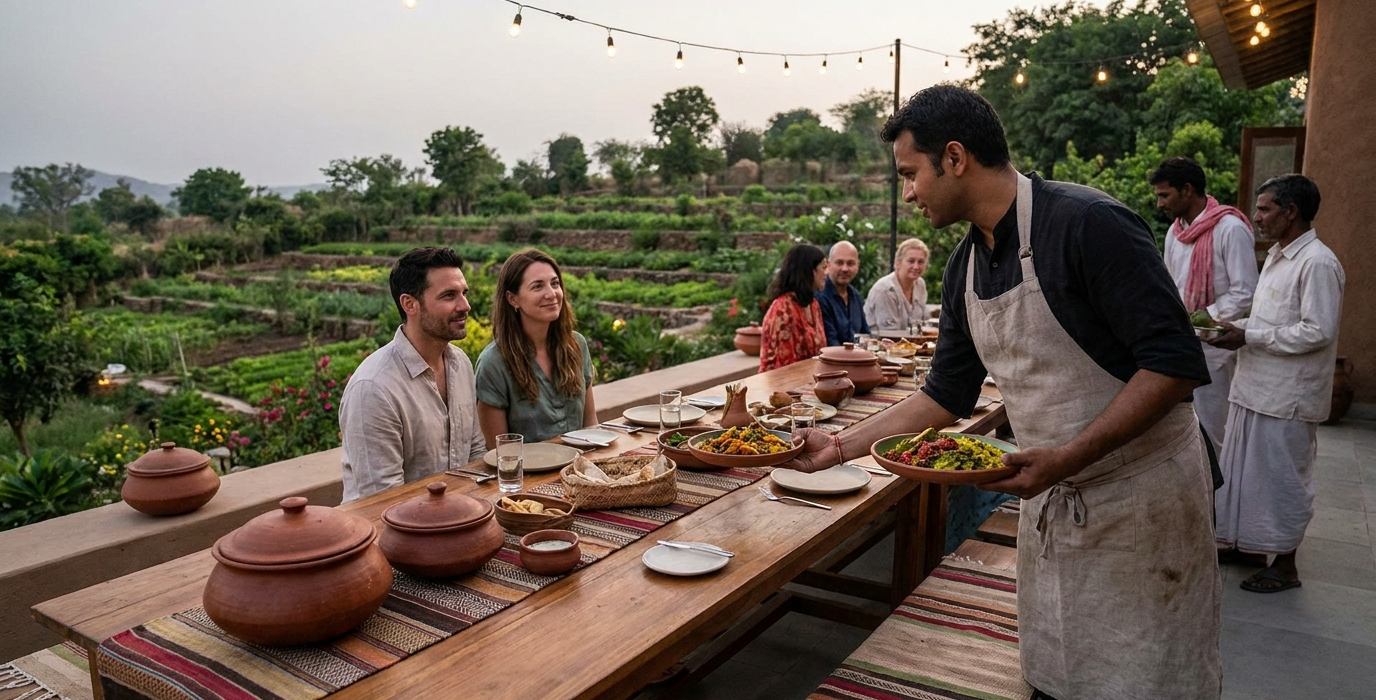
Chefs across cities like Bengaluru, Chennai, and even smaller, burgeoning culinary hubs are actively seeking out farmers who practice organic and biodynamic agriculture. They are forging direct relationships, ensuring fair prices for producers and gaining access to ingredients at their peak freshness. This isn’t just a trend; it’s a fundamental re-evaluation of what “premium” means in the culinary world. It’s about understanding the narrative behind each ingredient – its journey from soil to plate, the hands that nurtured it, and the ecological footprint it leaves. This focus on provenance adds an unparalleled layer of richness and meaning to the dining experience, appealing to a growing segment of diners who are increasingly aware of the impact of their food choices.
Zero-Waste Kitchens: Transforming Scraps into Gold
The concept of “waste” is being systematically dismantled in India’s leading kitchens. Chefs are embracing zero-waste principles not as a limitation, but as a powerful catalyst for creativity. What was once discarded – vegetable peels, herb stems, overripe fruit – is now being transformed into exquisite components of gourmet dishes. Think of delicate crisps made from dehydrated carrot peels, or a vibrant, umami-rich broth simmered for days from fish bones and vegetable trimmings. This approach requires immense skill and ingenuity, pushing chefs to rethink traditional cooking methods and explore new techniques.
Fermentation plays a crucial role in this culinary alchemy. Kitchen scraps are often preserved and transformed through lacto-fermentation, developing complex flavours and textures that can elevate a dish from ordinary to extraordinary. A common example is using overripe mangoes or discarded citrus rinds to create tangy, probiotic-rich chutneys or potent vinegars. Even coffee grounds and tea leaves are finding new life, perhaps infused into artisanal ice creams or used to create an aromatic rub for meats. This meticulous approach to resourcefulness not only minimizes environmental impact but also unlocks unique flavour profiles that are impossible to achieve through conventional cooking. It’s a testament to the fact that true culinary innovation often lies in respecting and maximizing the potential of every single ingredient.
The Rise of Indigenous Legumes and Ancestral Wisdom
Beyond grains, the humble legume is experiencing a renaissance on upscale menus. For generations, pulses like kulthi (horsegram), moth bean, and various lentils have been staples in rural Indian diets, prized for their nutritional value and resilience. Now, chefs are rediscovering their subtle complexities and showcasing them in sophisticated preparations. Imagine a delicate kulthi bean consommé, infused with local herbs, or pan-seared moth beans served alongside heritage vegetables. These ingredients, often overlooked in urban settings, are being elevated to star status.
This resurgence is deeply intertwined with a renewed appreciation for ancestral farming practices. Many of these indigenous legumes thrive in arid or semi-arid regions, requiring minimal water and no chemical fertilizers. Chefs are partnering with farmer collectives in states like Rajasthan and Maharashtra who are dedicated to preserving these traditional cultivation methods. This direct connection not only ensures the quality and authenticity of the ingredients but also empowers these farming communities. It’s a powerful narrative that resonates with diners seeking not just a meal, but a connection to the land and its people. The surprising fact here is that many of these “forgotten” pulses contain significantly higher levels of protein and essential micronutrients than their more commonly consumed counterparts, making them nutritional powerhouses in disguise.
Urban Farms and Rooftop Gardens: The New Culinary Landscapes
The farm-to-table movement in India is taking on a radical new dimension with the proliferation of urban farms and sophisticated rooftop gardens. Gone are the days when “fresh” meant sourcing from a distant agricultural belt. Now, chefs are cultivating their own produce mere metres from their kitchens, often in the heart of bustling metropolises like Delhi and Mumbai. These urban oases are dedicated to growing heirloom varieties of vegetables, edible flowers, and aromatic herbs, ensuring an unparalleled level of freshness and flavour.
These initiatives are not just about convenience; they represent a commitment to reducing food miles to virtually zero, drastically cutting down on transportation emissions and the spoilage associated with long-haul logistics. Imagine a salad featuring microgreens harvested just hours before serving, or a dessert garnished with edible flowers picked that morning from the restaurant’s own rooftop. The biodiversity cultivated in these small-scale farms is astonishing, often featuring forgotten regional varieties that would be difficult to source commercially. This direct control over cultivation allows chefs to experiment with unique ingredients and flavour combinations, pushing the boundaries of contemporary Indian cuisine. It’s a tangible demonstration of how culinary innovation can actively contribute to a more sustainable urban environment.
The Art of Fermentation: Ancient Techniques for Modern Palates
Fermentation, an ancient preservation technique, is experiencing a spectacular revival in Indian fine dining, offering a gateway to complex, nuanced flavours and enhanced nutritional profiles. Chefs are harnessing the power of beneficial microbes to transform ingredients, unlocking a spectrum of tastes from tangy and effervescent to deeply savoury and umami-rich. This isn’t merely about preservation; it’s a deliberate culinary art form that adds layers of complexity to dishes.
Consider the humble carrot. While often served steamed or roasted, in a zero-waste kitchen, its peels might be fermented to create a vibrant, probiotic-rich brine used to dress a salad. Even common ingredients like turmeric and ginger are being transformed into potent fermented pastes, offering a zesty kick and digestive benefits. The traditional Indian repertoire of pickles and chutneys, many of which rely on natural fermentation, is a rich source of inspiration. Chefs are now innovating on these classic preparations, creating small-batch ferments with unexpected flavour pairings, such as fermented starfruit with chili or pickled amla with local spices. These fermented elements act as powerful flavour enhancers, adding brightness, depth, and a unique tangy counterpoint to richer dishes. The surprising fact is that many modern fermentation techniques being employed by these chefs are rooted in specific regional practices that have been passed down through generations, making them a truly indigenous innovation.
Redefining Luxury: From Scarcity to Stewardship
The very definition of luxury in the culinary world is being rewritten. It’s no longer solely about rare, imported ingredients or opulent settings. Today, true luxury lies in thoughtful sourcing, minimal environmental impact, and a deep connection to heritage. Diners are increasingly seeking experiences that align with their values, and this translates into a demand for transparency, ethical practices, and food that tells a compelling story. This shift is evident in the growing popularity of restaurants that prioritize local, seasonal produce, often working with small-scale farmers and artisans.
This new paradigm of luxury is about stewardship – of the land, of tradition, and of resources. It means understanding the delicate ecosystems that produce our food and actively working to protect them. It involves supporting rural economies and preserving indigenous knowledge. When you dine at a restaurant that champions these principles, you’re not just enjoying a meal; you’re participating in a movement towards a more responsible and equitable food future. The experience is enriched by the knowledge that your indulgence contributes positively to the environment and the communities that sustain it. This is the future of fine dining in India, and it’s a future that tastes remarkably good.
Frequently Asked Questions
What are the most popular indigenous grains being featured on fine dining menus in 2026?
Chefs are increasingly showcasing grains like barnyard millet (Sanwa), kodo millet, foxtail millet, and black rice. These ancient grains are prized for their unique textures, subtle flavours, and superior nutritional profiles compared to refined grains.
How are Indian chefs implementing zero-waste principles?
They are using vegetable peel crisps, making broths from bones and trim, fermenting food scraps into sauces and condiments, and utilizing herb stems and coffee grounds in innovative ways. The goal is to transform what was once considered waste into delicious and valuable culinary components.
What is the role of urban farming in the new fine dining scene?
Urban farms and rooftop gardens provide chefs with ultra-fresh, hyper-local produce, often heirloom varieties, harvested just before use. This significantly reduces food miles, minimizes spoilage, and allows for unique ingredient experimentation.
Are traditional Indian pickles and chutneys part of the new fermentation trend?
Absolutely. Chefs are drawing inspiration from traditional Indian fermentations, but they are also innovating by creating small-batch ferments with novel flavour combinations and incorporating them into modern, upscale dishes.