Key Takeaways
- Digital wallets are no longer just for daily transactions; they’re becoming crucial for micro-investments and wealth management in India.
- Expect seamless integration of investment features within popular wallet apps by late 2026, lowering entry barriers for new investors.
- Security and data privacy remain paramount, with enhanced biometric authentication and encryption becoming standard.
- The next wave of innovation will focus on AI-driven personalised investment advice delivered directly through wallet interfaces.
The Wallet Revolution: More Than Just Cash
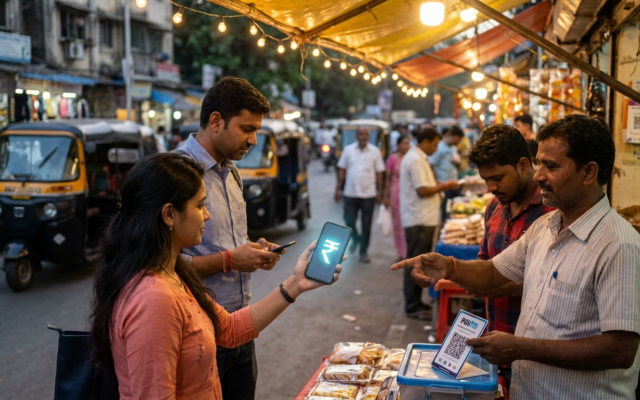
Remember when your mobile wallet was just for ordering that late-night paneer tikka or paying for your Ola ride? Those days are rapidly becoming a distant memory. In 2026, we’re witnessing a profound shift where the humble digital wallet is transforming into a powerful gateway for wealth creation. For millions across India, from the bustling streets of Mumbai to the serene backwaters of Kerala, the familiar interface of their favourite payment app is now the first point of contact for their investment journeys. This isn’t just about convenience; it’s about democratising access to financial instruments previously considered complex or out of reach.
The speed of adoption has been staggering. What started as a trickle of investment options within wallets has become a flood. We’re seeing integrated offerings for mutual funds, sovereign gold bonds, and even fractional ownership in real estate being rolled out. This evolution caters perfectly to the burgeoning aspirations of young India, who are digitally native and seek immediate, intuitive solutions. The days of needing a separate Demat account and navigating labyrinthine forms are fading, replaced by a few simple taps within an app you already trust with your daily finances. This accessibility is the true game-changer, bringing investment into the everyday lives of more people than ever before.
From Transactions to Transformations: Integrated Investment Features
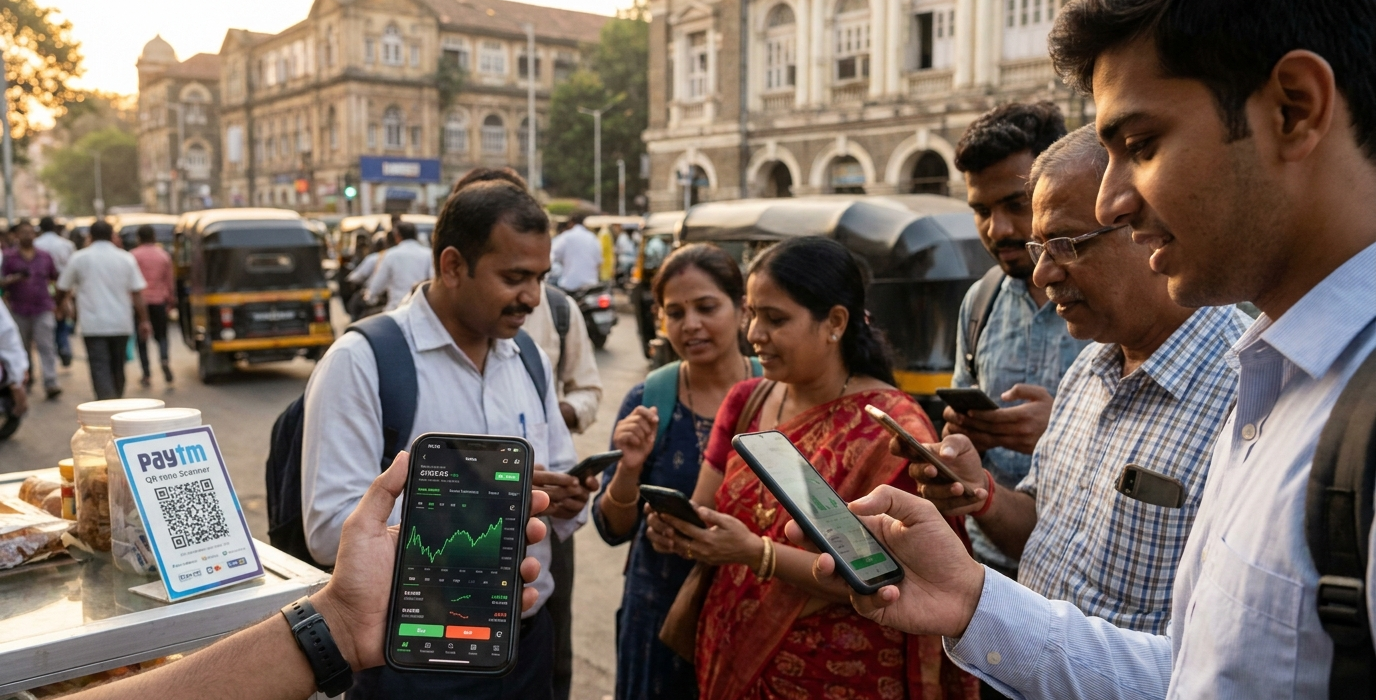
The real magic lies in the seamless integration of investment functionalities directly into the digital wallet experience. Imagine topping up your wallet for your grocery run and then, with a few more clicks, investing a small sum into a diversified equity mutual fund. This is the reality unfolding across India today. Platforms like Paytm, PhonePe, and Google Pay are no longer just payment aggregators; they are rapidly evolving into comprehensive financial super-apps. They are leveraging their vast user bases and transactional data to offer personalised investment recommendations and simplified onboarding processes.
This approach significantly lowers the barrier to entry for new investors. Gone are the days of needing extensive financial literacy or a significant initial capital. Micro-investment options, allowing users to invest as little as ₹100, are becoming commonplace. This caters to a wide demographic, from students saving their pocket money to salaried professionals looking to build a long-term corpus. The user interface is designed for simplicity, often employing gamified elements and clear visualisations to make complex financial concepts digestible. This strategic integration is not just about offering new products; it’s about fundamentally changing how Indians approach saving and investing.
Security and Trust: The Bedrock of Digital Wallets
As digital wallets expand their financial horizons, the spotlight on security and trust intensifies. For users in India, where financial scams are a persistent concern, the assurance of safety is paramount. Fortunately, wallet providers are investing heavily in robust security measures to safeguard user assets and data. We’re seeing the widespread adoption of advanced encryption protocols and multi-factor authentication, including biometric verification like fingerprint and facial recognition, becoming standard practice. This ensures that only the legitimate account holder can access their funds and investment portfolios.
Furthermore, regulatory bodies like the Reserve Bank of India (RBI) are continuously updating guidelines to ensure a secure digital payment and investment ecosystem. Compliance with these stringent regulations is non-negotiable for wallet operators. Transparency in transactions and investment performance is also a key focus. Users can expect clear, detailed statements and real-time updates on their portfolio’s performance directly within the app. This commitment to security and transparency builds the necessary confidence for users to entrust their hard-earned money to these digital platforms for their investment needs.
The Rise of Micro-Investing and Fractional Ownership
One of the most exciting developments facilitated by digital wallets is the explosion of micro-investing and fractional ownership opportunities. This concept allows individuals to invest small amounts of money into assets that were traditionally out of reach due to high entry costs. Think about investing in a sliver of a high-value commercial property in Bengaluru or owning a tiny fraction of a gold bar. Digital wallets are making this a reality, breaking down the financial barriers that once excluded many from wealth-building opportunities.
Platforms are partnering with real estate developers and asset management companies to offer these fractional shares. A user might invest ₹5,000 in a property portfolio, which is then pooled with funds from thousands of other users to acquire a tangible asset. Similarly, gold can be bought in gram quantities, allowing even modest savers to participate in the precious metal market. This democratisation of investment is particularly impactful for younger generations and those in Tier 2 and Tier 3 cities who may not have access to traditional investment channels. It empowers them to start building wealth early and diversify their portfolios effectively.
AI and Personalisation: The Future is Here
The next frontier for digital wallets in the investment space is undoubtedly artificial intelligence (AI) and hyper-personalisation. By analysing user spending habits, financial goals, and risk appetites, these wallets will offer tailored investment advice and product recommendations. Imagine your wallet suggesting an investment in a particular tech fund because your spending patterns indicate a keen interest in gadgets and digital services. This predictive and proactive approach is set to revolutionise how individuals manage their finances.
AI algorithms can sift through vast amounts of market data to identify optimal investment opportunities that align with individual user profiles. This goes beyond generic advice; it’s about creating bespoke investment strategies delivered through an intuitive interface. For instance, an AI might identify that a user consistently saves a certain amount each month and suggest automatically investing a portion of it into a low-risk liquid fund, with the option to rebalance into higher-return assets as their risk tolerance grows. This intelligent guidance, available 24/7, will empower users to make more informed decisions and achieve their financial goals faster.
Navigating the New Investment Landscape: What You Need to Know
As you embrace the convenience of investing through your digital wallet, it’s crucial to stay informed and exercise due diligence. While these platforms offer unprecedented accessibility, understanding the underlying investments and associated risks is vital. Firstly, always verify the legitimacy of the investment options offered. Ensure the wallet provider is regulated and partners with SEBI-registered investment advisors or asset management companies. Don’t be swayed solely by flashy marketing; look for the credentials.
Secondly, understand the fees and charges associated with any investment. While micro-investing aims for low entry points, hidden charges can erode your returns. Read the fine print carefully. Thirdly, diversification remains key, even with small amounts. Don’t put all your eggs in one basket, even if it’s within the same wallet app. Explore different asset classes like mutual funds, gold, and even fractional equities if available. Finally, stay updated on your portfolio’s performance regularly. While AI can offer insights, your active involvement is crucial for long-term success.
Here’s a quick comparison of how some popular wallet features are evolving:
| Feature | Early 2025 Offering | Expected Late 2026 Offering | Key User Benefit |
|---|---|---|---|
| Mutual Funds | Limited selection, basic search | AI-powered recommendations, goal-based investing, SIP auto-debit from wallet balance | Simplified fund selection, automated savings |
| Gold Investment | Digital gold purchase in grams | Sovereign Gold Bonds (SGBs) integration, fractional gold bar ownership | Direct participation in government-backed bonds, more tangible gold assets |
| Real Estate | Information portals only | Fractional ownership of REITs and direct property shares | Access to high-value real estate with minimal capital |
| User Interface | Basic transaction history | Personalised dashboards, real-time portfolio tracking, in-app financial literacy content | Enhanced user experience, better financial understanding |
“The digital wallet is no longer just a tool for spending; it’s becoming the primary conduit for wealth building for a new generation of Indian investors. The focus is shifting from mere convenience to empowerment.”
Frequently Asked Questions
What are the biggest risks of investing via digital wallets?
The primary risks include cybersecurity threats if your account is compromised, misunderstanding investment products leading to poor choices, and the potential for over-spending if investment and spending features are too closely linked. Always ensure strong passwords and verify investment details.
Can I use my digital wallet balance to invest directly?
Yes, many platforms now allow you to directly invest your wallet balance into various instruments like mutual funds or digital gold. This significantly streamlines the process, eliminating the need to transfer funds to a separate bank account first. You can often set up recurring investments (SIPs) directly from your wallet.
Are the investment options in digital wallets regulated?
Reputable digital wallets partner with SEBI-registered entities for their investment offerings. This means mutual funds are offered through AMCs, and other products are managed by regulated financial institutions. However, it’s always wise to check the specific regulations for each investment type within the app.
How do digital wallets ensure the security of my investments?
They employ a multi-layered security approach, including end-to-end encryption, multi-factor authentication (like OTPs and biometrics), and compliance with strict RBI guidelines. Regular security audits and fraud detection systems are also in place to protect your assets.
What is fractional ownership, and how is it offered through wallets?
Fractional ownership allows you to own a small piece of a larger asset, such as a property or a gold bar, by pooling your money with other investors. Wallets facilitate this by partnering with specialized platforms that manage these pooled investments, making high-value assets accessible with minimal capital.