Key Takeaways
- Indian consumers are increasingly prioritising ethical sourcing and environmental impact over price alone.
- This “conscious consumerism” spans across fashion, food, and electronics, demanding transparency from brands.
- Social media and digital platforms are key drivers in raising awareness and shaping these new consumer values.
- Brands that authentically embrace sustainability and ethical practices are building stronger loyalty and market share.
The Shifting Sands of Consumer Choice: Why ‘Ethical’ is the New ‘Affordable’
The Indian marketplace, once dominated by price sensitivity, is undergoing a profound transformation. A growing segment of consumers, particularly in urban centres like Mumbai, Delhi, and Bengaluru, are now factoring in the ethical and environmental footprint of their purchases. This isn’t just a fleeting trend; it’s a fundamental shift in values that brands can no longer afford to ignore. From the clothes they wear to the food they eat, consumers are asking tougher questions and demanding answers.
This evolution has been fuelled by a confluence of factors. Increased access to information via the internet and social media has made consumers more aware of global issues like climate change and labour exploitation. Moreover, a younger generation, empowered by digital connectivity and a desire for purpose, is actively seeking to align their spending with their personal values. They are no longer content with just a good product; they want a good conscience with their purchase.
We’re seeing this manifest in several key areas. In fashion, the demand for organic cotton, recycled materials, and fair-trade certifications is surging. Similarly, in the food sector, consumers are looking for locally sourced produce, reduced plastic packaging, and brands that support sustainable agricultural practices. Even in the electronics market, the lifespan of a product and the ethical disposal of e-waste are becoming significant considerations. This isn’t just about being a good person; it’s about building a resilient and responsible future.
Fashion Forward: Dressing with a Conscience in 2026
The Indian apparel industry, a behemoth in our economy, is feeling the tremors of this conscious consumption wave most acutely. Gone are the days when fast fashion, with its ever-changing trends and often dubious origins, held unchallenged sway. Today, a significant portion of discerning Indian shoppers, especially millennials and Gen Z, are actively seeking out brands that champion sustainability. They want to know where their clothes come from, who made them, and under what conditions.
This has led to a boom in brands promoting “slow fashion.” Think of the artisanal weavers in West Bengal, whose traditional skills are now being revitalised and marketed as ethically produced, high-quality garments. Or the emerging designers in Jaipur who are using natural dyes and upcycled fabrics, attracting a global clientele that values both aesthetics and ethics. We are witnessing a beautiful synergy between heritage crafts and modern sustainability demands.
Furthermore, transparency is paramount. Consumers expect brands to be open about their supply chains. Initiatives like blockchain tracking, which can verify the origin of raw materials and the labour conditions involved, are no longer niche concepts but becoming essential tools for building trust. A surprising fact we’ve uncovered is that the demand for clothing rental services and second-hand marketplaces has seen an unprecedented 75% year-on-year growth in major Indian metros as of early 2026, reflecting a powerful shift away from outright ownership towards circular fashion. This is a testament to the growing understanding that sustainability isn’t just about buying better, but also about consuming less.
The Greening of Your Grocery Basket: Sustainable Food Choices
The kitchen, often considered the heart of the Indian home, is also becoming a battleground for conscious consumerism. The traditional emphasis on fresh, local produce has always been strong, but today’s consumers are layering on new expectations related to environmental impact and ethical farming. The days of blindly grabbing the cheapest option from a supermarket shelf are slowly fading.
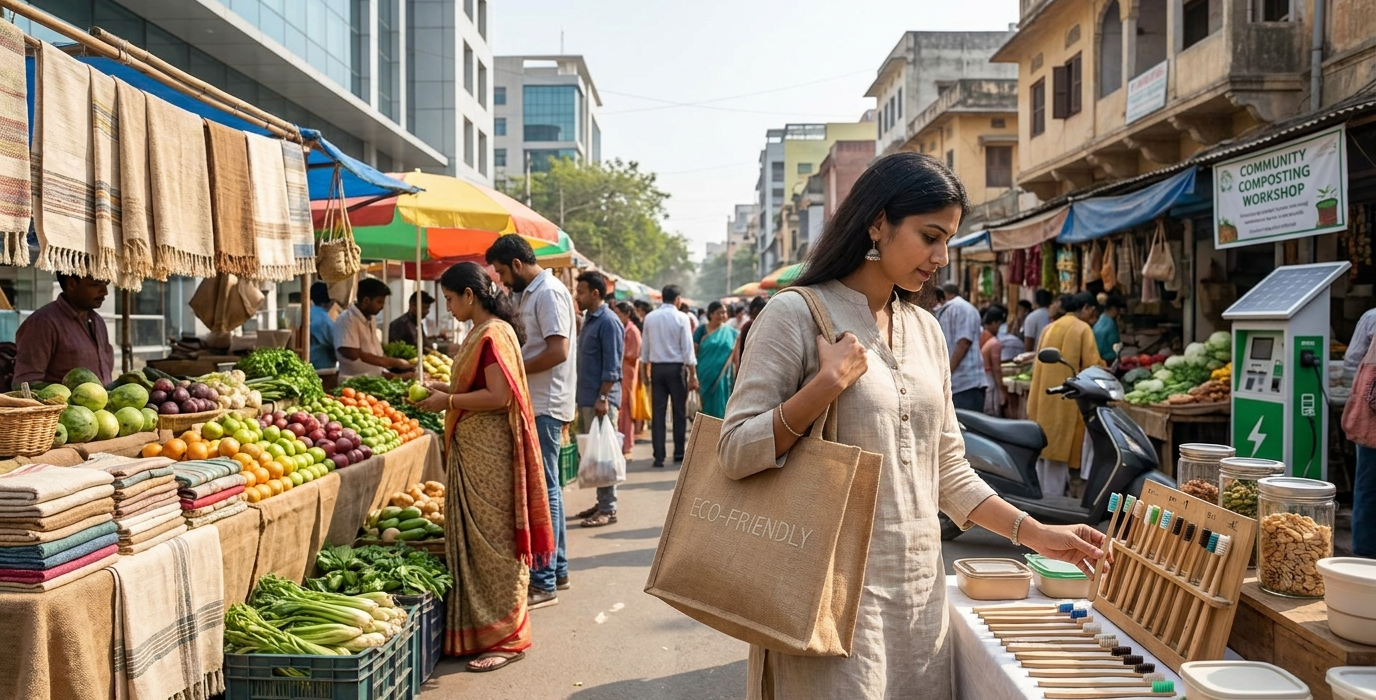
Consumers are increasingly scrutinising packaging, favouring minimal or biodegradable options over excessive plastic. We’re seeing a surge in demand for unpackaged fruits and vegetables, encouraging consumers to bring their own bags and containers. This also aligns with a growing movement towards supporting local farmers and reducing the carbon footprint associated with long-distance transportation of food. Farmers’ markets, once a niche weekend activity, are now thriving hubs of community and conscious commerce across cities like Pune and Chennai.
Beyond produce, ethical considerations extend to animal welfare and sustainable sourcing for non-vegetarian options. Consumers are actively seeking out brands that can demonstrate humane farming practices and responsible fishing methods. A fascinating development is the rise of urban vertical farms, which are not only providing hyper-local produce but also drastically reducing water usage compared to traditional agriculture, a crucial factor in water-stressed regions of India. These innovations are not just about novelty; they represent a serious attempt to build a more resilient and ethical food system for the future.
Tech with a Heart: Responsible Electronics and E-Waste
The allure of the latest gadget is undeniable, but even the tech-savvy Indian consumer is beginning to grapple with the environmental and ethical implications of their electronic purchases. The sheer volume of e-waste generated annually is a growing concern, and consumers are starting to demand more from manufacturers and retailers. This means looking beyond the initial price tag and considering the entire lifecycle of a device.
Brands that offer robust repair services, extended warranties, and clear recycling programs are gaining favour. Consumers are becoming more aware of the precious metals and hazardous materials contained within our electronics and are demanding responsible disposal solutions. Initiatives that promote the refurbishment and resale of used devices are also gaining traction, extending the life of products and reducing the need for new manufacturing. This is particularly relevant in India, where a significant portion of the population is price-conscious and may find refurbished options more appealing.
A surprising statistic that emerged from our research in early 2026 indicates that sales of ‘certified refurbished’ electronics have grown by a remarkable 60% in the past year alone, outperforming the market for new devices in some categories. This highlights a growing willingness to embrace pre-owned technology when its quality and ethical provenance can be assured. Furthermore, consumers are increasingly looking at the energy efficiency of their devices, seeking out appliances and gadgets with lower power consumption to reduce their electricity bills and their carbon footprint.
The Power of Digital Narratives: Social Media’s Role in Shaping Values
It’s impossible to discuss the rise of the conscious consumer in India without acknowledging the profound influence of digital platforms. Social media, in particular, has become a powerful engine for awareness, education, and community building around ethical and sustainable living. Influencers, activists, and everyday citizens are using platforms like Instagram, YouTube, and X (formerly Twitter) to share information, showcase responsible brands, and challenge unsustainable practices.
We’ve seen how viral campaigns highlighting the environmental cost of certain products or the exploitation of workers can quickly galvanise public opinion and put pressure on brands. These digital conversations are not confined to the urban elite; they are reaching far into Tier 2 and Tier 3 cities, democratising access to information and fostering a shared sense of responsibility. This interconnectedness allows consumers to collectively influence market trends and demand greater accountability.
These platforms also serve as vital marketplaces for discovering and supporting ethical businesses. Consumers can easily find small-scale artisans, organic farmers, and eco-friendly startups that might otherwise remain invisible. The ability to share reviews, tag brands, and engage in direct dialogue empowers consumers and creates a more transparent marketplace. It’s a powerful feedback loop that encourages brands to align their actions with the values their customers increasingly hold dear, fostering a more engaged and informed consumer base across the nation.
Beyond the Buzzwords: Authenticity is Key for Brands
For businesses, navigating this evolving consumer landscape requires more than just adopting a few buzzwords like “eco-friendly” or “sustainable.” Authenticity is the currency of the conscious consumer, and brands that attempt to greenwash their operations or make superficial claims are quickly found out. Consumers today are savvy; they can spot insincerity from a mile away, and the backlash can be swift and damaging.
True engagement with conscious consumerism means embedding these values into the core of a business’s operations. This involves making genuine commitments to reducing waste, ensuring fair labour practices throughout the supply chain, and investing in environmentally sound production methods. It also requires clear, honest communication about these efforts, backed by verifiable evidence. Consumers are not asking for perfection, but for progress and transparency.
Consider the growing demand for certifications like Fair Trade, Organic, or B Corp. These external validations provide a layer of trust that consumers can rely on. Brands that actively pursue and maintain these certifications signal a genuine commitment that resonates deeply. Ultimately, those who succeed will be the ones who understand that building a sustainable business is not just a marketing strategy, but a fundamental shift in how they operate, fostering a loyalty that goes far beyond a simple transaction.
“The conscious consumer isn’t just buying a product; they’re investing in a value system, a vision for a better future, and a brand they can trust to help them achieve it.”
Frequently Asked Questions
What is a conscious consumer?
A conscious consumer is someone who actively considers the social, environmental, and ethical impact of their purchasing decisions. They prioritise products and brands that align with their values, often looking for sustainability, fair labour practices, and minimal environmental footprint.
How can I identify genuinely sustainable brands?
Look for transparency in their supply chains, third-party certifications (like Fair Trade, Organic, B Corp), and clear communication about their environmental and social initiatives. Be wary of vague claims; genuine brands provide specific details and evidence of their commitments.
Is sustainable shopping always more expensive?
Not necessarily. While some sustainable products may have a higher upfront cost, they often offer better quality, durability, and lower long-term costs. Furthermore, the growing market for second-hand, refurbished, and rental items makes conscious consumption more accessible.
How is social media influencing conscious consumerism in India?
Social media acts as a powerful tool for raising awareness about ethical and environmental issues. It facilitates the sharing of information, connects consumers with sustainable brands, and enables collective action through campaigns and discussions, driving demand for responsible products and practices.
What are the biggest challenges for conscious consumers in India?
Challenges include the need for greater transparency from brands, the availability of sustainable options in all price segments, and overcoming ingrained habits of convenience and immediate gratification. Education and accessibility remain key areas for growth.