Key Takeaways
- Discover how traditional Indian staples like paneer, lentils, and sprouted grains are powerhouses of protein, essential for muscle building and satiety.
- Learn about regional variations and lesser-known protein-rich ingredients that can easily be incorporated into your daily Indian meals.
- Understand the science behind protein’s role in weight management and overall well-being, with practical tips for maximizing intake.
- Explore delicious and convenient ways to boost your protein consumption without compromising on flavour or cultural authenticity.
The Unsung Heroes: Traditional Indian Proteins You Need Now
In today’s health-conscious world, protein often takes centre stage. But for many of us in India and across the globe, the answer to our protein needs has been right under our noses, woven into the very fabric of our culinary heritage. Forget the expensive imported supplements; our kitchens are already brimming with potent, flavourful, and incredibly effective protein sources. We’re talking about staples that have nourished generations, providing not just energy but also the building blocks for a healthy, vibrant life.
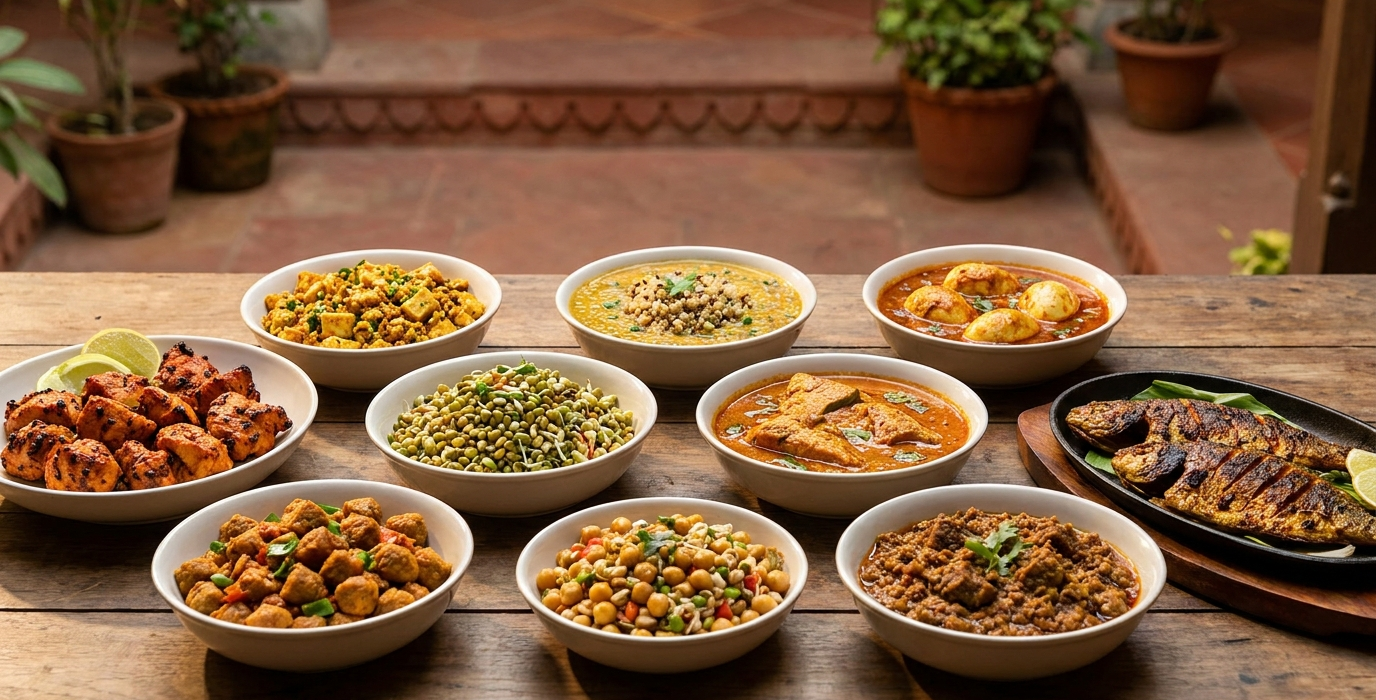
This exploration dives deep into the protein-rich landscape of Indian cuisine, revealing the powerhouses you might be overlooking. We’ll look beyond the obvious to uncover the true champions of plant-based and dairy protein, demonstrating how they can form the cornerstone of your fitness goals and daily nutrition. Whether you’re an athlete looking to refuel, someone managing their weight, or simply aiming for a more balanced diet, these traditional foods offer a delicious and accessible path. Get ready to rediscover the protein potential of your plate.
Lentils and Legumes: The Foundation of Indian Protein Power
When you think of Indian food, you almost immediately picture dals. These humble legumes are the undisputed kings of protein in our diet. Varieties like masoor dal (red lentils), toor dal (split pigeon peas), and urad dal (black gram) are not only versatile but also packed with protein. A single serving can contribute significantly to your daily requirement, making them indispensable for vegetarians and vegans.
Beyond just protein, dals offer a wealth of fibre, iron, and other essential micronutrients. Their complex carbohydrates ensure sustained energy release, preventing those dreaded mid-afternoon slumps. Sprouted lentils, known as ‘sprouts’ or ‘ankurit dal’, take this nutritional profile to another level. Sprouting dramatically increases the bioavailability of nutrients and can make them easier to digest. A simple bowl of sprouted moong (mung beans) salad, perhaps with chopped onions, tomatoes, and a squeeze of lemon, is a complete protein meal in itself.
“Our ancestral wisdom recognized the power of legumes not just as food, but as fuel for life itself. These are not just dals; they are potent protein packages.”
Consider the ever-popular chana (chickpeas) and rajma (kidney beans). These larger legumes are staples in North Indian cuisine, forming the base of iconic dishes like Chana Masala and Rajma Chawal. They are protein-dense and incredibly satisfying, making them excellent choices for promoting satiety and aiding in weight management. Even smaller beans like matki (moth beans) are used in dishes like Misal Pav, a fiery Maharashtrian delicacy that’s surprisingly rich in protein and flavour.
Paneer and Dairy: Creamy Protein Delights
For those who consume dairy, paneer (Indian cottage cheese) stands out as a remarkable protein source. This fresh, non-aged cheese is a staple across North India and is incredibly versatile. It’s low in lactose, making it a good option even for some who are sensitive to other dairy products. A 100-gram serving of paneer typically contains around 18-20 grams of protein, putting it in league with many meats.
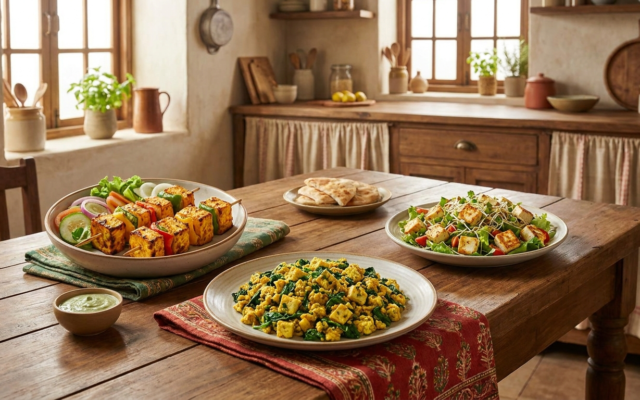
Paneer can be incorporated into a myriad of dishes, from the rich and creamy Shahi Paneer to the spicy Paneer Tikka. Its ability to absorb flavours makes it a culinary chameleon. Beyond main courses, paneer can also be enjoyed as a snack, perhaps lightly grilled or sautéed with spices. Its slow digestion rate means it keeps you feeling fuller for longer, making it an excellent choice for evening meals or post-workout recovery.
Beyond paneer, other dairy products also contribute valuable protein. Dahi (yogurt), especially thick, Greek-style dahi, is a fantastic source. It contains casein and whey proteins, both highly beneficial. Including a bowl of plain dahi with your meals, or using it as a base for raita, adds a significant protein boost. Even milk itself, particularly full-cream varieties, offers a good amount of protein.
A surprising fact: While paneer is often associated with rich Mughlai dishes, it’s also a common ingredient in everyday Gujarati cooking, often sautéed with turmeric and mustard seeds as a simple, quick protein addition to meals. This highlights its widespread appeal and adaptability across different regional Indian cuisines, proving it’s more than just a festive indulgence.
Grains and Seeds: Beyond Carbohydrates
While grains are often lauded for their carbohydrate content, many Indian grains and seeds are also surprisingly good sources of protein. Quinoa, though not traditionally Indian, has gained immense popularity in India for its complete protein profile. However, let’s focus on our indigenous powerhouses.
Millets, such as jowar (sorghum), bajra (pearl millet), and ragi (finger millet), are ancient grains that are making a strong comeback. These are not just gluten-free alternatives; they are nutritional powerhouses in their own right. Ragi, in particular, is remarkably high in protein, alongside calcium and iron. A ragi roti or a bowl of ragi porridge can provide a substantial protein contribution to your diet, especially for vegetarians.
Seeds are tiny but mighty protein bombs. Chia seeds, flax seeds (alsi), and pumpkin seeds (kaddu ke beej) are increasingly being added to Indian diets. A tablespoon of chia seeds, for instance, contains about 2 grams of protein, along with healthy fats and fibre. Flax seeds, when ground, are easier to digest and offer protein and omega-3 fatty acids. Pumpkin seeds are particularly rich, offering around 9 grams of protein per ounce.
These seeds can be sprinkled over salads, added to smoothies, incorporated into batters for dosas or uttapams, or even roasted and seasoned as a healthy snack. Their versatility allows for easy integration into everyday meals. Consider a simple upma made with ragi flour or a topping of roasted seeds on your morning poha.
Nuts and Other Plant-Based Powerhouses
Nuts and certain other plant-based foods play a crucial role in rounding out our protein intake. Peanuts (moongphali), though often considered a legume, are botanically fruits and are a fantastic, affordable source of protein. Roasted peanuts, eaten as a snack or incorporated into chutneys and curries, provide a good amount of protein and healthy fats. A handful can keep you satiated for hours.
Almonds (badam) and walnuts (akhrot) are also valuable additions. While more expensive, they offer a concentrated dose of protein, healthy fats, and antioxidants. Including a few almonds in your morning soak or adding walnuts to your salads can make a difference. Their nutrient density means a small portion goes a long way.
Soybeans and soy products, such as tofu and tempeh, are complete proteins, meaning they contain all nine essential amino acids. While not native to India, soy has been adopted and adapted, particularly in vegetarian diets seeking high-quality protein. Tofu, similar to paneer in texture, can be used in similar dishes, offering a plant-based alternative.
A surprising fact: While peanuts are widely available, the amount of protein they offer is often underestimated. A 100-gram serving of dry roasted peanuts can contain up to 25-30 grams of protein, making them one of the most protein-dense plant-based foods accessible in India. This makes them an excellent and economical choice for boosting protein intake.
Sprouts and Fermented Foods: Maximizing Nutrient Absorption
Sprouts and fermented foods are where traditional Indian wisdom truly shines in enhancing nutrient value, including protein. As mentioned earlier, sprouting legumes like moong, chana, and matki significantly boosts their protein content and makes them easier to digest. The process activates enzymes that break down complex nutrients into simpler, more absorbable forms.
Fermented foods, such as idli and dosa batter, are also protein powerhouses. The fermentation process, driven by lactic acid bacteria, predigests the carbohydrates and proteins in the rice and lentils. This not only enhances flavour and texture but also increases the availability of amino acids and vitamins. A typical South Indian breakfast of idli or dosa, made from a fermented blend of rice and urad dal, provides a significant amount of protein in a highly digestible form.
“Fermentation is not just about taste; it’s about transformation. It unlocks the hidden nutritional potential within our everyday ingredients, making them better for our bodies.”
The probiotics present in fermented foods also contribute to gut health, which is intrinsically linked to nutrient absorption. A healthy gut microbiome can better process and utilize the protein and other nutrients you consume. Even simple preparations like curd (yogurt) are fermented and offer similar benefits.
Consider the traditional practice of soaking and grinding ingredients for dishes like dhokla (from Gujarat) or various South Indian batters. These preparatory steps, combined with fermentation, ensure that you’re not just eating food, but truly nourishing your body with easily accessible nutrients. This emphasis on digestibility and nutrient bioavailability is a testament to the enduring value of these ancient food preparation techniques.
Incorporating Protein-Rich Foods into Your Daily Diet
Making protein-rich foods a regular part of your Indian diet is simpler than you might think. It’s about mindful additions and smart substitutions rather than radical overhauls. Start by assessing your current meals and identifying opportunities to boost protein.
For breakfast, move beyond just carbohydrates. Consider adding a side of sprouts salad, a bowl of dahi with nuts and seeds, or opting for poha made with added sprouts or roasted peanuts. Idli and dosa, with their lentil base, are already excellent protein choices. If you prefer parathas, try incorporating grated paneer or finely chopped nuts into the dough.
Lunch and dinner are prime opportunities to pack in protein. Make dals a daily affair, experimenting with different varieties and regional preparations. Include a generous portion of legumes like chana or rajma in your curries. If you consume dairy, ensure paneer features in at least one meal a week, prepared in a way you enjoy, from tikka to bhurji. For those who eat eggs, they are a complete protein source that can be easily added.
Snacking can also be protein-focused. Instead of fried savouries, opt for roasted chana, a handful of mixed nuts, a small bowl of sprouts, or a glass of lassi or buttermilk. Even simple additions like sprinkling pumpkin seeds on your sabzi or adding a tablespoon of ground flaxseed to your roti dough can contribute significantly over time.
Frequently Asked Questions
What is the best high-protein Indian breakfast?
A fermented breakfast like idli or dosa made from rice and urad dal is excellent. Alternatively, a bowl of sprouted moong salad with vegetables or a paneer bhurji with whole wheat roti are also great protein-rich options.
How much protein do I need daily?
Your daily protein needs vary based on age, activity level, and health goals. A general guideline for adults is 0.8 grams of protein per kilogram of body weight. Active individuals or those looking to build muscle may need 1.2-2.0 grams per kilogram.
Are Indian vegetarian protein sources complete?
While many Indian vegetarian foods are rich in protein, few are complete proteins on their own (containing all essential amino acids). However, by eating a variety of sources throughout the day—such as combining lentils with grains (like in dal-rice or dal-roti)—you can easily achieve a complete amino acid profile.
Can I get enough protein without eating meat or fish?
Absolutely. India has a rich tradition of plant-based and dairy-based protein consumption. Lentils, legumes, paneer, yogurt, seeds, nuts, and certain grains like millets provide ample protein for a healthy, balanced diet.
Which Indian seeds offer the most protein?
Pumpkin seeds (kaddu ke beej) are exceptionally high in protein, offering around 9 grams per ounce. Chia seeds and flax seeds (alsi) also provide a good amount of protein, along with fiber and omega-3 fatty acids, making them valuable additions to your diet.