Delhi remains the undisputed street food capital of the world, where 2026 brings a refined focus on hygiene without sacrificing the bold, chaotic flavors that define our culinary soul. Whether you are navigating the narrow veins of Old Delhi or the polished corners of South Delhi, the city is ready to serve you a plate of history.
Key Takeaways
- Delhi street food in 2026 blends traditional recipes with modern safety certifications mandated by the Food Safety and Standards Authority of India.
- The best time to start your trail is mid-afternoon, avoiding the peak heat and the absolute chaos of lunch crowds.
- Digital payments are now ubiquitous, meaning you can navigate the capital’s best stalls with nothing but a smartphone.
- Street food culture is evolving; many iconic stalls have successfully moved into organized food courts while retaining their ancestral recipes.
The Legacy of Chandni Chowk
You cannot claim to know Delhi until you have navigated the labyrinthine alleys of Chandni Chowk. This historic district is the heartbeat of Indian street food, where generations of families have guarded secret spice blends. As of 2026, the area has undergone significant infrastructural upgrades to manage the footfall, making it easier for you to reach the legendary stalls near the Paranthe Wali Gali.
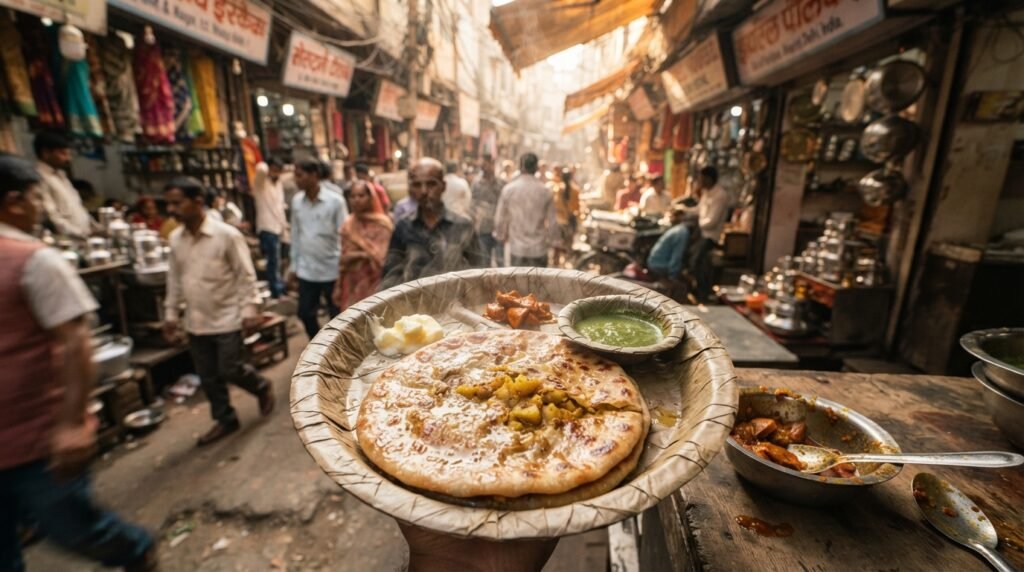
When you arrive, prioritize the deep-fried paranthas. Unlike the oily versions found elsewhere, these are prepared in pure ghee, a practice that has remained unchanged for over a century. You will find that these stalls serve as communal hubs where locals and tourists rub shoulders. Interestingly, the Delhi Tourism and Transportation Development Corporation notes that the culinary heritage here is protected under local zoning laws, ensuring that these vendors cannot be replaced by modern franchises.
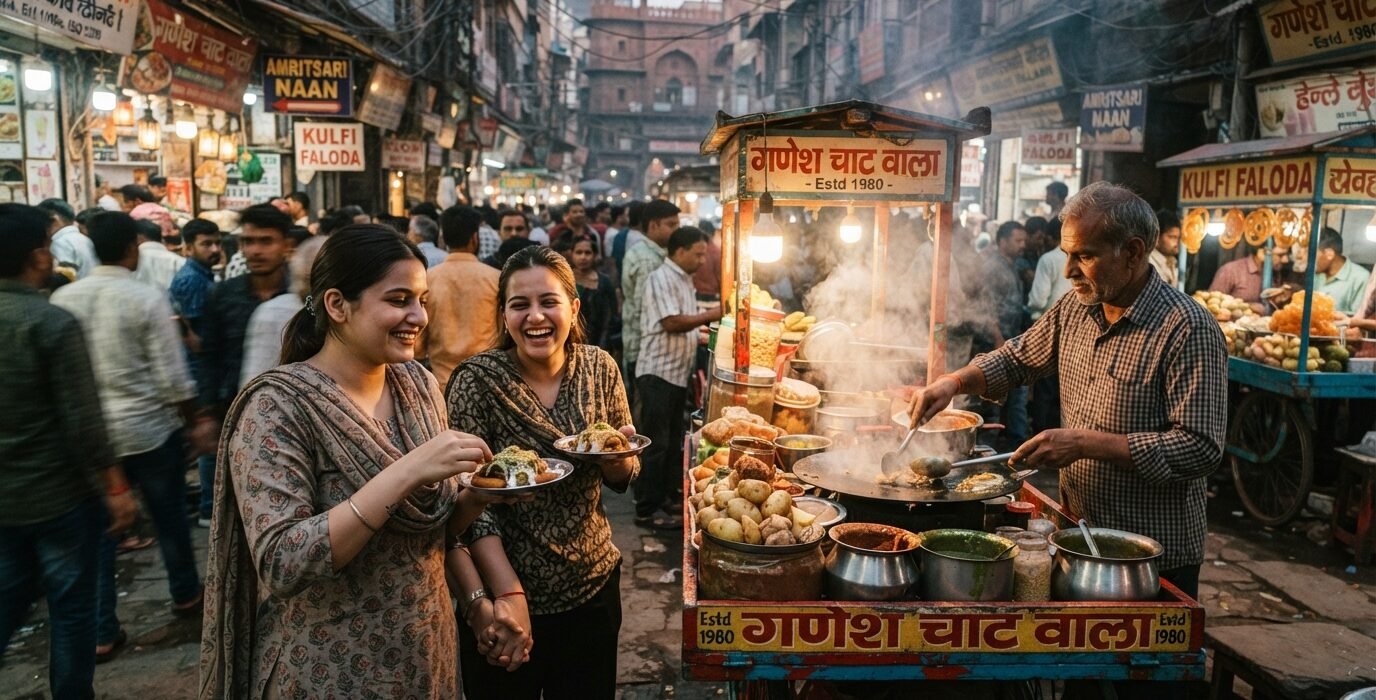
Beyond the paranthas, look for the legendary chaat vendors positioned near the spice market. The secret here is the use of “kachori” that has been fried just minutes before it hits your plate. The contrast of cold, sweetened yogurt against the piping hot, spiced potato filling is a sensory experience that defines the Delhi palate. Keep your digital wallet ready, as almost every stall now uses integrated QR codes, making transactions seamless even in the most crowded corners.
South Delhi’s Modern Street Evolution
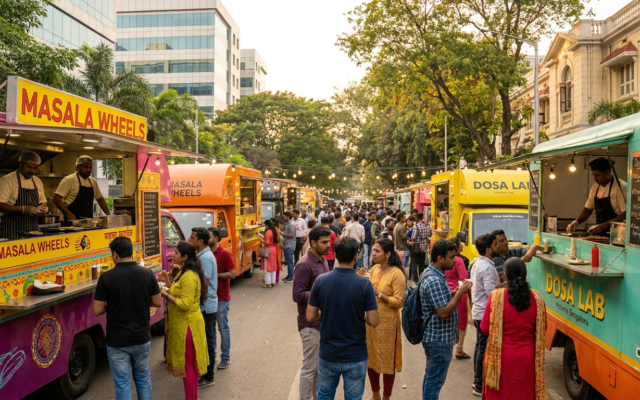
While Old Delhi offers history, South Delhi offers accessibility and a distinct evolution of the street food model. Places like Hauz Khas and Greater Kailash have transformed the street food experience into a destination activity. You will notice that many vendors here have adopted glass-fronted carts, adhering to the updated Government of India cleanliness guidelines for urban food vendors.
The variety here is expansive, ranging from Tibetan momos to fusion kathi rolls. If you are a fan of spice, the momo culture in Safdarjung Enclave is non-negotiable. The vendors here have perfected a dipping sauce made from fermented chili and garlic that is arguably the most addictive condiment in the city. Unlike the stall-bound traditions of the north, these vendors often operate in organized pods, providing ample seating for you to enjoy your meal.
Another surprising aspect of the South Delhi scene is the rise of health-conscious street food. You can now find stalls specializing in millet-based chaats and cold-pressed juices that maintain the traditional flavor profile while catering to modern dietary preferences. This transition shows that Delhi’s street food culture is not static; it is a living, breathing entity that adapts to the needs of its people.
Comparing the Iconic Bites
To help you navigate your food trail, we have compared the must-try staples that define the Delhi street food experience. Each location offers a different atmosphere, but the core essence remains rooted in the quality of ingredients and the technique of preparation.
| Dish | Best Location | Signature Element | Price Range (Approx) |
|---|---|---|---|
| Aloo Parantha | Chandni Chowk | Ghee preparation | ₹80 – ₹120 |
| Mutton Galouti | Jama Masjid Area | Melting texture | ₹150 – ₹250 |
| Veg Momos | Safdarjung Enclave | Garlic chili dip | ₹60 – ₹100 |
| Papdi Chaat | Bengali Market | Tangy tamarind chutney | ₹70 – ₹110 |
The Art of the Evening Snack in Bengali Market
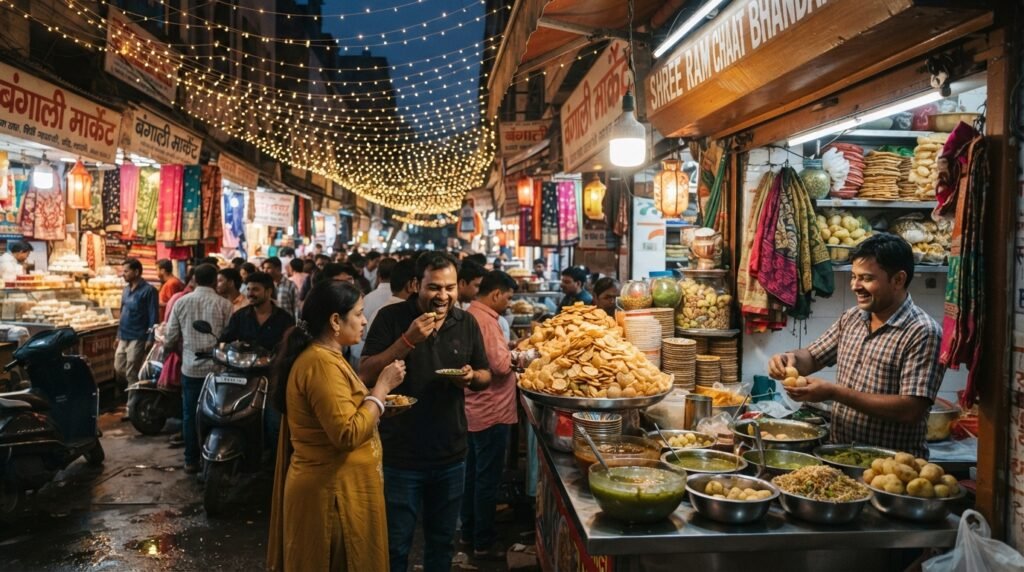
Bengali Market is the refined sister of the more chaotic Old Delhi markets. It serves as a perfect evening pit stop, especially if you are looking for a cleaner, more organized environment. The market is famous for its “chaat papdi” and “golgappas,” which are prepared with filtered water, a massive shift from the practices seen a decade ago.
The highlight here is the sheer consistency of the food. Whether you visit on a Tuesday or a Sunday, the flavor of the chutneys remains identical. This is because these stalls are often family-run businesses that have passed down their secret recipes through three or four generations. You will find that the crowds here are a mix of corporate employees from the nearby Connaught Place and local families enjoying a post-work snack.
One fascinating fact is that the water used in the golgappas here is infused with a specific blend of roasted cumin and black salt, sourced directly from the spice markets of Khari Baoli. This attention to detail is what elevates a simple snack to a gourmet experience. When you visit, do not hesitate to ask the vendor for “extra teekha” (extra spicy) if you really want to test your mettle against the city’s finest spices.
Navigating Hygiene and Health in 2026
As a visitor in 2026, you might be concerned about the health implications of eating on the street. Fortunately, the city has made significant strides in public health awareness. Most vendors are now required to display a QR-based certificate that links to their official health and hygiene rating. We strongly recommend you look for these stickers before ordering.
Beyond official certifications, look for the “busy stall” rule. If a vendor has a high turnover of customers, the ingredients are guaranteed to be fresh. The high demand ensures that food is constantly being prepared in small, fresh batches rather than sitting out in the sun. This natural cycle of supply and demand is your best indicator of safety.
Additionally, carrying your own water bottle is a smart move. While most vendors have upgraded their water sources, having your own supply ensures you stay hydrated without relying on external sources. If you feel hesitant about a particular stall, observe how the vendor handles money and food; if they use a separate hand for each or utilize gloves, you are likely in a safe spot.
Street food in Delhi is not just about the consumption of calories; it is an immersive study in the city’s social fabric, where class, caste, and culture dissolve over a plate of spicy chaat.
The Future of Delhi’s Culinary Identity
The landscape of Delhi’s food scene is currently undergoing a shift toward digitalization and sustainability. You will notice more vendors using biodegradable leaf-based plates and bamboo cutlery, a move heavily encouraged by municipal authorities. This transition is not just about aesthetics; it is a conscious effort to reduce the massive plastic waste that once plagued these markets.
Furthermore, the rise of food delivery apps has allowed these street vendors to reach a wider audience than ever before. However, the true experience remains in the physical act of standing at the stall, feeling the heat from the stove, and hearing the clatter of pans. As we look toward the end of 2026, it is clear that while technology will continue to play a role in how we order and pay, the soul of the dish will always remain in the hands of the cook.
Keep exploring, keep tasting, and do not be afraid to venture into the smaller, less-known lanes. Some of the best meals in Delhi are found in stalls that do not even have a name, identified only by the long queue of locals waiting patiently for their turn. These are the hidden gems that keep the city’s culinary tradition alive and thriving.
Frequently Asked Questions
Are street food stalls in Delhi safe for international tourists in 2026?
Yes, provided you follow the “busy stall” rule and look for vendors who display updated hygiene certification stickers. Stick to stalls with a high turnover of customers and avoid raw salads if you have a sensitive stomach.
What is the best time of day to go on a street food trail?
Late afternoon, between 4:00 PM and 7:00 PM, is ideal. This is when the freshest batches are prepared for the evening rush, and the weather is generally cooler, making the experience much more enjoyable.
Should I carry cash or rely on digital payments?
While carrying a small amount of cash is always useful for very small vendors, almost every street food stall in Delhi is now equipped to accept UPI-based digital payments, making it very convenient for travelers.
Can I find vegetarian options at all these stalls?
Delhi is a paradise for vegetarians. While some stalls specialize in meat dishes like kebabs, the vast majority of street food, including paranthas, chaats, and momos, offer excellent vegetarian-only versions.