Key Takeaways
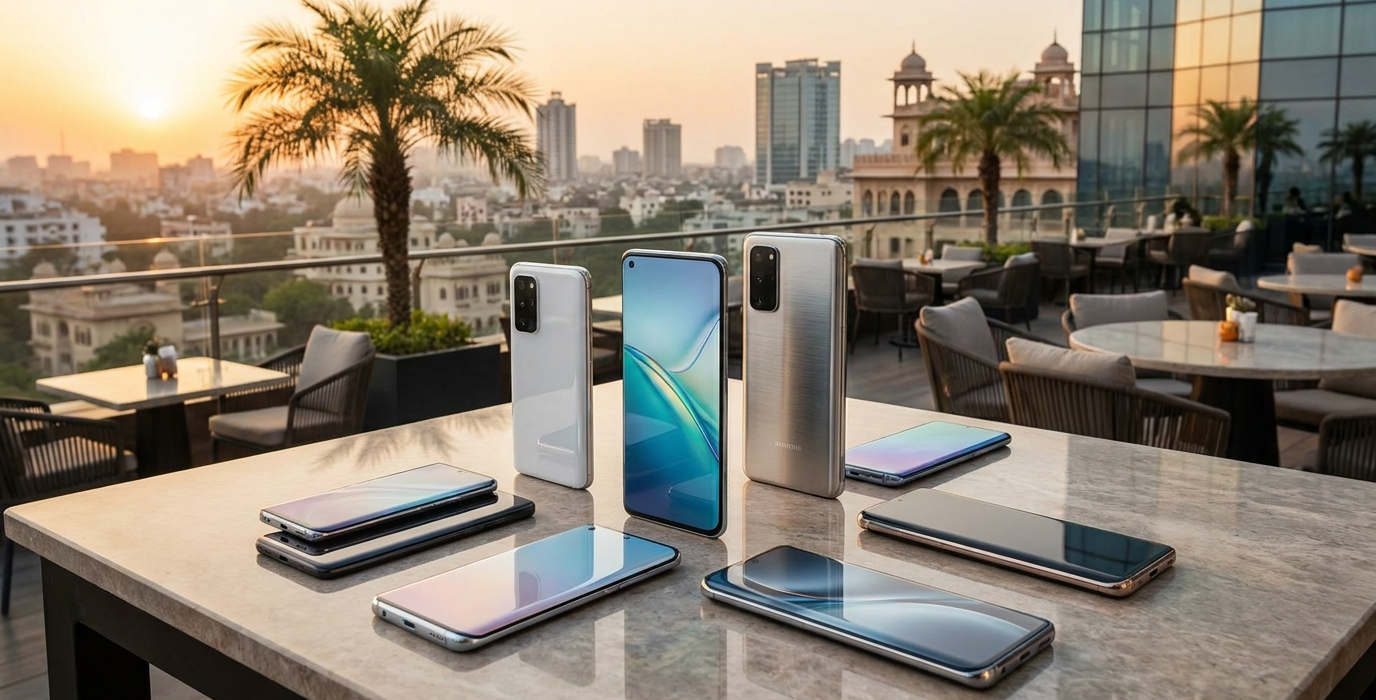
- The Indian smartphone market in 2026 is set for a dynamic year with innovations in camera technology, battery life, and AI integration across all price segments.
- Expect foldable devices to become more mainstream and affordable, challenging traditional smartphone form factors.
- Sustainability and eco-friendly materials will gain prominence, influencing design and manufacturing choices from major brands.
- Enhanced gaming performance and immersive display technologies will be key selling points for mid-range and premium devices.
The Foldable Frontier: More Than Just a Gimmick in 2026
The foldable smartphone, once a futuristic dream, is rapidly becoming a tangible reality for Indian consumers. By 2026, we anticipate a significant surge in foldable device launches, moving beyond niche premium offerings to a more accessible market segment. Brands are honing their hinge mechanisms, improving screen durability, and crucially, bringing down manufacturing costs. This means you might find a foldable device that fits your budget and daily needs, offering the versatility of a tablet with the portability of a phone.
Imagine unfolding your device to enjoy a movie on a larger screen or effortlessly multitasking with two apps side-by-side, all without carrying an extra tablet. Several manufacturers are reportedly exploring clamshell designs that are more compact, as well as book-style foldables that offer expansive displays. The focus in 2026 will be on refining the user experience, ensuring these devices can withstand daily wear and tear, and integrating software that truly leverages the foldable form factor. We’re not just talking about a larger screen; we’re talking about a reimagined mobile computing experience.
One surprising trend we’re tracking is the potential for some manufacturers to introduce foldable phones with secondary, functional displays on the outside that are as large as some budget smartphones – blurring the lines between single and dual-screen devices even further. This strategic move aims to offer immediate utility without needing to unfold the device for every quick task. We’re also seeing a push towards more robust hinge designs that promise significantly longer lifespans, addressing one of the primary consumer concerns of earlier generations.
Beyond the Hinge: Durability and Design Evolution
While the folding mechanism is central, the overall durability and design language of these devices will also see a major leap. Expect stronger glass materials, improved water and dust resistance ratings, and sleeker profiles. The days of bulky, creaky foldables are numbered. The focus is on creating devices that feel as premium and robust as their traditional counterparts, if not more so, due to their intricate engineering.
AI Unleashed: Smarter Phones for a Smarter India
Artificial intelligence is no longer just a buzzword; it’s becoming the core of smartphone innovation. In 2026, expect AI capabilities to be deeply embedded in everything from camera performance to battery management and user interface personalization. This means your phone will not only take better photos but will also learn your habits, anticipate your needs, and optimize its performance for a truly seamless experience.
We’re looking at AI-powered features that can intelligently manage background apps to extend battery life, suggest relevant information based on your context, and even offer real-time language translation that feels natural and fluid. The camera systems, in particular, will be revolutionized. Think AI that can identify subjects, adjust settings in real-time for perfect shots in any lighting, and even help you edit photos with professional-grade results with just a few taps.
One particularly exciting development is the progress in on-device AI processing. This means more powerful AI features will be available even without a constant internet connection, enhancing privacy and speed. This shift towards efficient, localized AI processing is a game-changer, making your smartphone a more capable and independent assistant. The goal is to create devices that feel intuitive and helpful, proactively assisting you throughout your day without being intrusive.
Personalization at its Peak
AI will also drive unprecedented levels of personalization. Your smartphone in 2026 will adapt its interface, notifications, and even app suggestions based on your unique usage patterns. This intelligent adaptation will make navigating your device more efficient and enjoyable, cutting down on clutter and bringing forward what matters most to you. It’s about a phone that truly understands you.
Camera Wars: Megapixels Meet Smarts and Optics
The battle for camera supremacy in the Indian smartphone market is fiercer than ever, and 2026 promises to be a landmark year for mobile photography. While high megapixel counts will continue to be a headline feature, the real innovation lies in computational photography, advanced sensor technology, and improved optical zoom capabilities. You can expect smartphones to rival dedicated cameras in image quality, especially in challenging lighting conditions.
Brands are investing heavily in larger sensors and improved lens apertures, allowing more light to enter the camera. This, combined with sophisticated AI algorithms, will result in stunning low-light performance, sharper details, and more natural colours. We’re also anticipating a significant leap in optical zoom, enabling you to get closer to your subjects without sacrificing image quality, a feature traditionally reserved for high-end digital cameras.
Expect advancements in video recording as well. Higher resolutions, improved stabilization, and advanced HDR capabilities will make your smartphone the go-to device for capturing high-quality videos. Features like real-time cinematic bokeh effects and AI-powered video enhancement will become more commonplace, allowing you to create professional-looking content with ease. The focus is shifting from simply capturing an image to intelligently enhancing and refining it.
“By 2026, the smartphone camera will be so advanced, it will feel like having a professional photographer in your pocket, capable of capturing memories with unprecedented detail and artistic flair.”
The Sensor Revolution
Under the hood, expect to see new sensor technologies emerge, offering better dynamic range and faster autofocus. These advancements will mean fewer missed shots and more vibrant, true-to-life images, even in fast-paced situations. This attention to detail in the core imaging hardware, coupled with software enhancements, is what will truly differentiate the top contenders.
Gaming and Entertainment: Immersive Displays and Powerhouse Performance
For the millions of mobile gamers and entertainment enthusiasts in India, 2026 is shaping up to be an exciting year. Smartphones are increasingly becoming powerful gaming consoles, and the upcoming launches will further blur the lines. We’re looking at devices with incredibly smooth displays, capable of handling the most graphically intensive games with ease, and processors that deliver desktop-level performance.
High refresh rate displays, perhaps exceeding 144Hz, will become more prevalent, offering buttery-smooth visuals that give you a competitive edge in gaming. Coupled with advanced cooling systems to prevent overheating during extended play sessions, these devices will provide an unparalleled gaming experience. The audio experience will also be enhanced, with stereo speakers and advanced sound tuning designed to immerse you in your games and movies.
Beyond gaming, these display technologies will also elevate your streaming and viewing experience. Expect brighter, more vibrant displays with better colour accuracy and HDR support, making your favourite movies and shows come alive. With the growing popularity of OTT platforms across India, manufacturers are recognizing the need for a premium visual and auditory experience on your mobile device.
Powering the Pixels
The processors powering these experiences will be equally impressive. We’re expecting new chipsets designed with AI acceleration and graphics processing in mind, ensuring that your apps and games run at peak performance. This sustained power will be crucial for multitasking and demanding applications. The raw power available in your hand will be astonishing.
Sustainability and Eco-Consciousness: A Growing Priority
As environmental awareness grows globally and within India, smartphone manufacturers are increasingly focusing on sustainability. In 2026, expect to see a greater emphasis on eco-friendly materials, reduced packaging, and improved repairability. This isn’t just a marketing trend; it’s a genuine shift towards more responsible product design and manufacturing.
This means you might find phones made with recycled plastics and metals, or devices designed for easier disassembly and repair, extending their lifespan and reducing electronic waste. Brands are also exploring more energy-efficient manufacturing processes and supply chains to minimize their carbon footprint. The goal is to offer you cutting-edge technology with a conscience.
Even the packaging will be reconsidered. Expect less plastic, more biodegradable materials, and potentially innovative, reusable packaging solutions. This conscious effort extends to the device’s lifecycle, with some manufacturers exploring enhanced software update support to keep devices relevant and functional for longer periods. It’s about building devices that are not only smart but also responsible.
The Circular Economy in Tech
We’re also seeing early signs of brands investing in take-back programs and refurbishment initiatives. This move towards a more circular economy for electronics is crucial. It means your old device might have a second life, or its components could be recycled responsibly, minimizing the environmental impact of our ever-evolving tech landscape. This is a trend we’ll see accelerate.
Affordability Meets Innovation: The Mid-Range Revolution
The mid-range smartphone segment in India has always been a battleground for value, and 2026 will see this segment punch even higher. Manufacturers are bringing premium features and technologies down to more accessible price points, meaning you don’t have to break the bank to get a fantastic smartphone experience. Expect innovations that were once exclusive to flagship devices to become standard in mid-range offerings.
This includes improved camera setups, larger and brighter displays with higher refresh rates, and processors capable of handling demanding tasks and moderate gaming. You’ll likely see more devices with 5G connectivity becoming the norm, ensuring future-proofing for high-speed internet access across India’s expanding network. Battery life will also remain a key focus, with larger batteries and faster charging technologies becoming more common.
One particularly noteworthy development is the increasing inclusion of AI-powered features in mid-range devices. This means you’ll benefit from smarter battery management, enhanced camera performance, and more intuitive user experiences without paying a premium. Brands are strategically leveraging AI to offer compelling value propositions. We’re also seeing a rise in the adoption of higher-quality build materials, moving beyond basic plastic construction.
A Surprising Innovation: Under-Display Fingerprint Sensors
A surprising development we’re tracking is the increasing likelihood of under-display fingerprint sensors becoming a standard feature in mid-range smartphones by late 2026. This technology, once a premium-only feature, is becoming more cost-effective to implement, offering a cleaner aesthetic and more convenient unlocking experience for a wider audience. This is a significant leap in user experience for this segment.
| Feature | Premium 2026 | Mid-Range 2026 | Budget 2026 |
|---|---|---|---|
| Display Refresh Rate | 120Hz+ Adaptive LTPO | 90-120Hz Standard | 60-90Hz Standard |
| Camera System | Advanced Multi-lens, Periscope Zoom, Large Sensors | Dual/Triple Camera, Improved Main Sensor, Ultra-wide | Dual Camera, Focus on Main Sensor Quality |
| Processor | Latest Flagship Chipset, Advanced AI Cores | Performance-Oriented Mid-Range Chipset, Good AI Capabilities | Efficient Entry-Level Chipset, Basic AI Support |
| Battery & Charging | 4500-5000mAh, 100W+ Fast Charging | 4800-5500mAh, 45-67W Fast Charging | 4500-5000mAh, 25-33W Fast Charging |
| Foldable Options | Abundant, Advanced Designs | Emerging, Value-Oriented Foldables | Rare, Primarily Standard Form Factors |
Frequently Asked Questions
What will be the biggest trend in smartphones in 2026?
The biggest trend will likely be the mainstream adoption of foldable smartphones and the deep integration of AI across all device functions, making phones more personalized and intuitive.
Will foldable phones become more affordable in 2026?
Yes, manufacturers are focused on reducing production costs, which should make foldable devices more accessible to a wider range of consumers in 2026.
How will AI impact smartphone cameras in 2026?
AI will significantly enhance camera performance by improving low-light photography, offering advanced scene recognition, and enabling sophisticated editing features, making professional-quality photos easier to capture.
What about the environmental impact of smartphones in 2026?
Expect a greater focus on sustainability, with more devices using recycled materials, improved repairability, and reduced, eco-friendly packaging.
Can I expect better battery life on smartphones in 2026?
Yes, manufacturers are continuing to innovate in battery technology and AI-driven power management, alongside faster charging solutions, to ensure longer usage times and quicker top-ups.