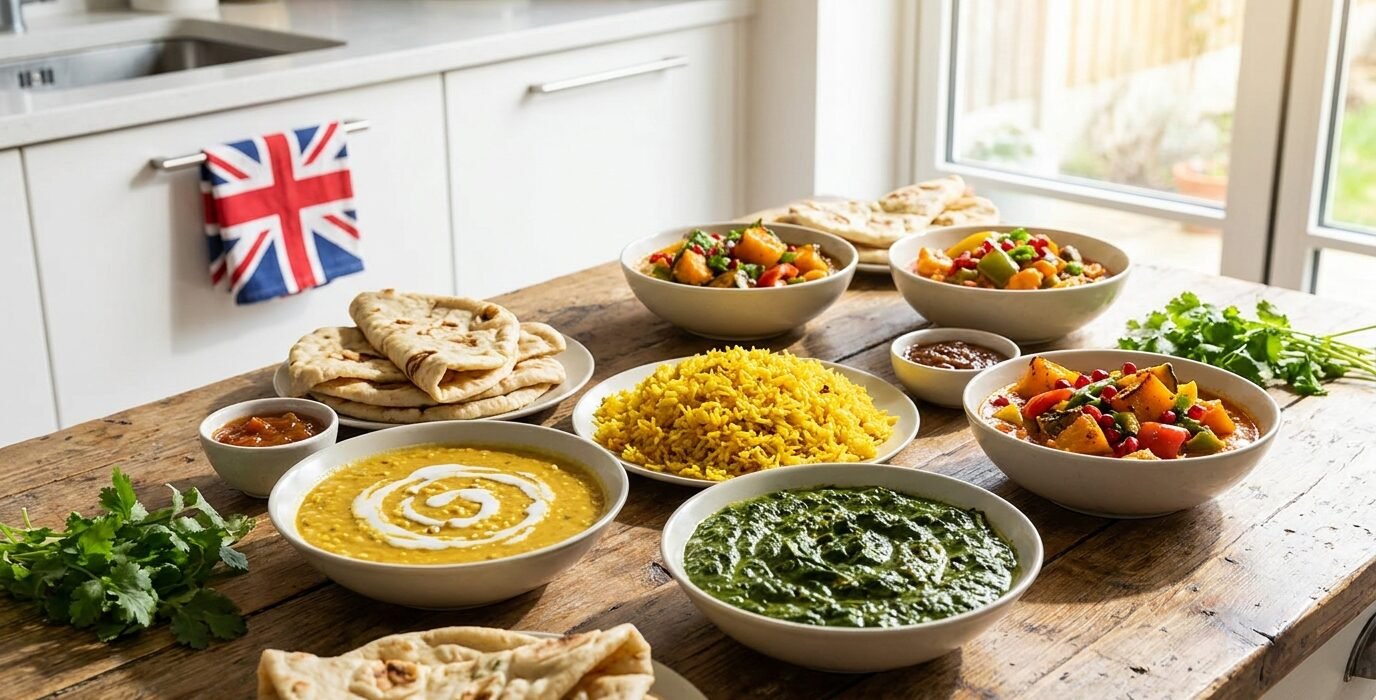
A quiet revolution is sweeping through kitchens across the United Kingdom. It’s not about a fleeting trend; it’s a fundamental shift in how we eat. Health concerns, environmental awareness, and a growing ethical consciousness are driving this change. This wave of plant-based and vegan eating is profoundly influencing culinary landscapes. Nowhere is this impact more fascinatingly evident than in the evolution of Britain’s beloved Indian cuisine. Once a domain where ghee and dairy often played starring roles, Indian food is now experiencing an exciting period of innovation. Centuries-old traditions are adapting to meet the demands of a greener plate.
Key Takeaways:
- Vegan and plant-based diets are rapidly gaining popularity in the UK, influencing diverse food sectors.
- Traditional Indian cuisine, rich in vegetarian dishes, is naturally well-positioned to adapt to these trends.
- Restaurants and home cooks are actively experimenting with plant-based alternatives for dairy and meat.
- This shift is leading to innovative new dishes and a deeper appreciation for the versatility of Indian ingredients.
- The future of Indian food in the UK is likely to be a dynamic fusion of tradition and modern dietary preferences.
The Shifting Sands of British Palates
Walk into any supermarket in London, Manchester, or even smaller towns like Bristol, and the evidence is undeniable. Shelves once dominated by dairy milk now boast an impressive array of oat, almond, soy, and coconut alternatives. The vegetarian section has blossomed. Dedicated vegan aisles are becoming commonplace. This isn’t a niche movement anymore. It’s a mainstream phenomenon.
Data from the Vegan Society highlights this surge. The number of vegans in Great Britain has quadrupled since 2014. Estimates suggest over a million people now follow a vegan diet. Beyond strict veganism, a larger segment identifies as “flexitarian” or “plant-curious.” They are actively reducing their meat and dairy intake. This growing demographic isn’t just seeking to cut down on animal products. They are actively seeking delicious, satisfying alternatives. These alternatives don’t compromise on flavour or experience. They want meals that nourish their bodies. They want meals that align with their values. They want meals that contribute to a healthier planet. This cultural shift has created fertile ground for culinary exploration. This is particularly true for cuisines that already possess a strong heritage of plant-forward cooking.
The implications for the UK’s vibrant food scene are immense. Restaurants, from high-end dining establishments to bustling local eateries, are re-evaluating their menus. Diners are increasingly asking questions about ingredients, sourcing, and dietary options. This demand for transparency and choice is pushing chefs and food businesses to be more creative and inclusive. The traditional Sunday roast, a cornerstone of British dining, now frequently features a hearty nut roast or a mushroom Wellington. The popularity of street food has also played a significant role. Vendors showcase inventive vegan burgers, tacos, and wraps. This openness to new ingredients and preparation methods is precisely why Indian cuisine is thriving. Its vast repertoire of vegetarian dishes and expertly spiced vegetables makes it a natural fit. It’s a cuisine that understands the power of spices. Spices transform humble ingredients into culinary masterpieces. The UK’s embrace of plant-based eating isn’t just about saying “no” to animal products. It’s about saying “yes” to a world of exciting new flavours and textures. The sheer variety of pulses, grains, and vegetables in Indian cooking provides an incredible foundation for this culinary evolution.
From Ghee to Coconut Oil: Indian Kitchens Adapt
For generations, many traditional Indian dishes, particularly those from North India, have relied on dairy products. Ghee (clarified butter), paneer (a type of fresh cheese), and yogurt were used for richness, flavour, and texture. Think of a creamy Butter Chicken. Or a decadent Korma. These beloved classics, however, present a delightful challenge for those embracing a plant-based lifestyle. Yet, the ingenuity of Indian cooks has risen to meet this challenge. This is true in home kitchens across Birmingham and professional kitchens in Glasgow.
The substitution of ghee with plant-based oils is now commonplace. Coconut oil, mustard oil, or even flavourful infused oils are used. Coconut oil, in particular, offers a rich, slightly sweet profile. It can complement the spices beautifully. For paneer, ambitious home cooks and innovative chefs are experimenting. They are creating homemade tofu and plant-based cheese alternatives. These mimic its texture and ability to absorb flavours.
Consider the humble lentil. It’s a staple across India for millennia. Dishes like dal makhani, traditionally enriched with butter and cream, are now being reimagined. Chefs are discovering that a generous swirl of cashew cream works wonders. A rich, slow-cooked tomato and onion base provides equally satisfying depth of flavour. It offers a creamy mouthfeel. Yogurt, used extensively in marinades and raitas, is being replaced. Plant-based yogurts derived from coconut, soy, or almond are now common. These alternatives work well in marinades, tenderising meats and adding tang. They also provide a cooling counterpoint in dishes like raita.
One chef I spoke with at a popular restaurant in Leeds mentioned a new vegan lassi. It uses a blend of silken tofu and mango. It has become a bestseller. “People are surprised,” she told me. “But once they taste it, they can’t tell the difference. It’s all about balancing those familiar flavours with the right textures.” This adaptability is a testament to the deep understanding of flavour profiles that Indian cuisine possesses. It’s not about removing ingredients; it’s about intelligently and deliciously substituting them. The adaptability extends beyond mere substitution. It’s about finding new ways to achieve those same comforting, complex tastes.
A Deeper Dive into Plant-Based Indian Classics
The beauty of Indian cuisine lies in its vast regional diversity. Happily, many of its most iconic dishes are already inherently vegetarian, if not entirely vegan. This rich heritage provides a natural springboard for the current plant-based trend. Take the humble dal, a lentil soup or stew. It forms the bedrock of countless meals across India. From the simple yellow dal tadka tempered with cumin and garlic to the hearty black urad dal in dal makhani, lentils are a nutritional powerhouse. They are incredibly versatile. Many traditional dal recipes are naturally vegan. They require only minor adjustments. No dairy should be used in the tempering or finishing.
Similarly, vegetable-based curries like aloo gobi (potato and cauliflower), bhindi masala (okra), and chana masala (chickpea curry) are staples. They require little to no modification. These dishes, bursting with spices like turmeric, coriander, cumin, and garam masala, are already flavour-packed. They are satisfying without relying on meat or dairy.
The UK’s adoption of plant-based eating is, in many ways, simply shining a brighter spotlight on these already magnificent dishes. Restaurants are rediscovering and re-emphasising these plant-forward options. Take the popularity of vegan versions of biryani, a fragrant rice dish. Traditionally, it can be made with meat or vegetables. The vegan versions are often enriched with a medley of roasted vegetables. They are infused with spices. Sometimes they are topped with crispy fried onions or cashews for added texture and richness. The traditional samosa, a beloved snack, is commonly filled with spiced potatoes and peas. This makes it naturally vegan. The accompaniments, however, are where adaptations are most visible. Tamarind chutney and mint-coriander chutney are already vegan staples. But the traditional yogurt-based dips are now often replaced with coconut or cashew alternatives. This isn’t a radical departure. It’s an affirmation of the inherent strengths of Indian cooking. It’s about celebrating the ingredients that have sustained populations for centuries. The UK’s burgeoning interest in plant-based eating has, paradoxically, led to a renewed appreciation for the deeply rooted, plant-centric traditions of Indian food. This resurgence allows for an exploration of regional nuances that might have been overlooked in the past.
The Unexpected Rise of Vegan Indian Street Food
Street food culture in the UK has exploded in recent years. It has become a vibrant hub of culinary innovation. From bustling markets in London’s Shoreditch to vibrant food festivals in Edinburgh, vendors are pushing boundaries. Vegan Indian street food is leading the charge. This is where some of the most exciting, experimental, and downright delicious plant-based adaptations are happening. Forget the idea that vegan food is boring. Street food vendors are proving the opposite. They are taking familiar Indian flavours. They present them in exciting, accessible formats. These appeal to a broad audience. This includes those who might not typically seek out Indian cuisine. Think of vada pav, a popular Mumbai street food. It consists of a deep-fried potato dumpling served in a bread roll. Vegan versions are readily available. They are often enhanced with spicy chutneys and vegan mayo. Another example is the pani puri or golgappa. These are hollow fried crisps filled with spiced water and tamarind. The traditional fillings are typically vegetarian. But vendors are now offering creative plant-based potato and chickpea variations. These are alongside innovative spiced water flavours.
One particularly inspiring example I encountered was a vendor at a market in Manchester. They specialised in vegan dosas. The dosa, a thin, crispy crepe made from fermented rice and lentil batter, is a South Indian staple. While traditionally served with sambar (a lentil and vegetable stew) and coconut chutney, this vendor offered a range of unique vegan fillings. One popular option was a spicy jackfruit filling. It was slow-cooked with classic Indian spices, mimicking the texture of pulled meat. Another was a vibrant mix of finely chopped vegetables and spices. It was served with a tangy tamarind sauce. “People love the familiar comfort of a dosa,” the vendor explained. “But they’re also excited by the new flavours we’re bringing. The jackfruit is a real game-changer; it’s hearty and satisfying, and it shows you don’t need meat to make something truly delicious.” This entrepreneurial spirit, evident across the UK’s street food scene, is directly responding to the growing demand for plant-based options. It proves that tradition and innovation can go hand-in-hand to create something truly special. The accessibility and affordability of street food make it the perfect testing ground for these new culinary creations.
Beyond the Plate: The Cultural Resonance of Plant-Based Indian Food
The shift towards plant-based eating within Indian cuisine in the UK is more than just a culinary trend. It’s a cultural dialogue. It reflects a growing awareness of the interconnectedness of our food choices, our health, and the environment. For many in the Indian diaspora, food is deeply intertwined with identity, family, and tradition. As younger generations in the UK embrace plant-based lifestyles, they are finding ways to honour their heritage. They do this while aligning with their modern values. This has led to a beautiful fusion. Ancient Indian wisdom about the healing properties of plants and spices is being rediscovered and reinterpreted. The Ayurvedic principles, which advocate for a balanced diet that includes plenty of fresh vegetables, fruits, and grains, resonate strongly with the current wellness movement.
Consider the concept of ahimsa, or non-violence. This underpins many Indian philosophical traditions. For some, choosing a plant-based diet is a direct expression of this principle. It extends compassion to all living beings. This ethical dimension adds a profound layer of meaning to the food. Restaurants are not just serving meals. They are offering an experience that aligns with a growing ethical consciousness. This cultural resonance is palpable. You see it in the way families are discussing their meal choices. You see it in the growing number of Indian influencers sharing vegan recipes. You see it in the way community events are beginning to cater to plant-based diets. The UK’s vibrant multicultural landscape has always been a source of culinary richness. This plant-based movement is adding another exciting chapter. It’s a testament to the adaptability and enduring appeal of Indian flavours. It proves they can transcend dietary boundaries. They continue to nourish and delight. The evolution of Indian food in the UK is a story of adaptation, innovation, and a deep respect for both tradition and the changing needs of the people. It’s a story that is still unfolding. It promises even more exciting culinary discoveries. The influence of Indian spices and cooking techniques on global plant-based cuisine is a testament to their inherent power and versatility.
The Future is Spiced: Innovation and Inclusivity
The future of Indian cuisine in the United Kingdom looks incredibly bright. It is distinctly green. The plant-based movement isn’t a passing fad. It’s a fundamental shift that is reshaping how we think about food. For Indian restaurants and home cooks, this presents an unparalleled opportunity for creativity and innovation. We’re likely to see even more inventive dishes emerge. They will push the boundaries of what’s considered traditional. Imagine complex, layered vegetable gratins infused with cardamom and star anise. Or plant-based “mock meats” that expertly replicate the textures and flavours of classic Indian dishes. The focus will continue to be on celebrating the inherent strengths of Indian ingredients. This includes the incredible versatility of pulses. It includes the vibrant flavours of spices. It includes the nourishing qualities of grains and vegetables.
This evolution is not about replacing the old with the new. It’s about enriching the existing tapestry. It’s about inclusivity. It ensures everyone, regardless of their dietary choices, can enjoy the incredible flavours and experiences that Indian cuisine offers. This means more clearly labelled menus. It means more dedicated vegan options. It means a continued commitment to flavour and satisfaction. The UK’s journey with plant-based eating has, perhaps unexpectedly, amplified the appeal and depth of Indian food. It has revealed its inherent capacity for delicious, ethical, and healthy cooking. It’s a culinary adventure that benefits us all. It promotes a more sustainable and compassionate way of eating. This happens one flavourful bite at a time. The story of plant-based Indian food in the UK is a testament to culinary evolution. It proves that tradition can adapt and flourish in the most exciting ways. This leaves us all with more delicious options.