Key Takeaways
- Prioritise protein and fibre for sustained energy and satiety, crucial for weight management.
- Incorporate whole grains and healthy fats to boost metabolism and provide essential nutrients.
- Explore diverse options like traditional Indian breakfasts, smoothies, and quick grab-and-go meals for busy schedules.
- Mindful eating and portion control are as important as the food choices themselves for effective weight loss.
The Power of a Smart Start: Why Breakfast Matters for Weight Loss
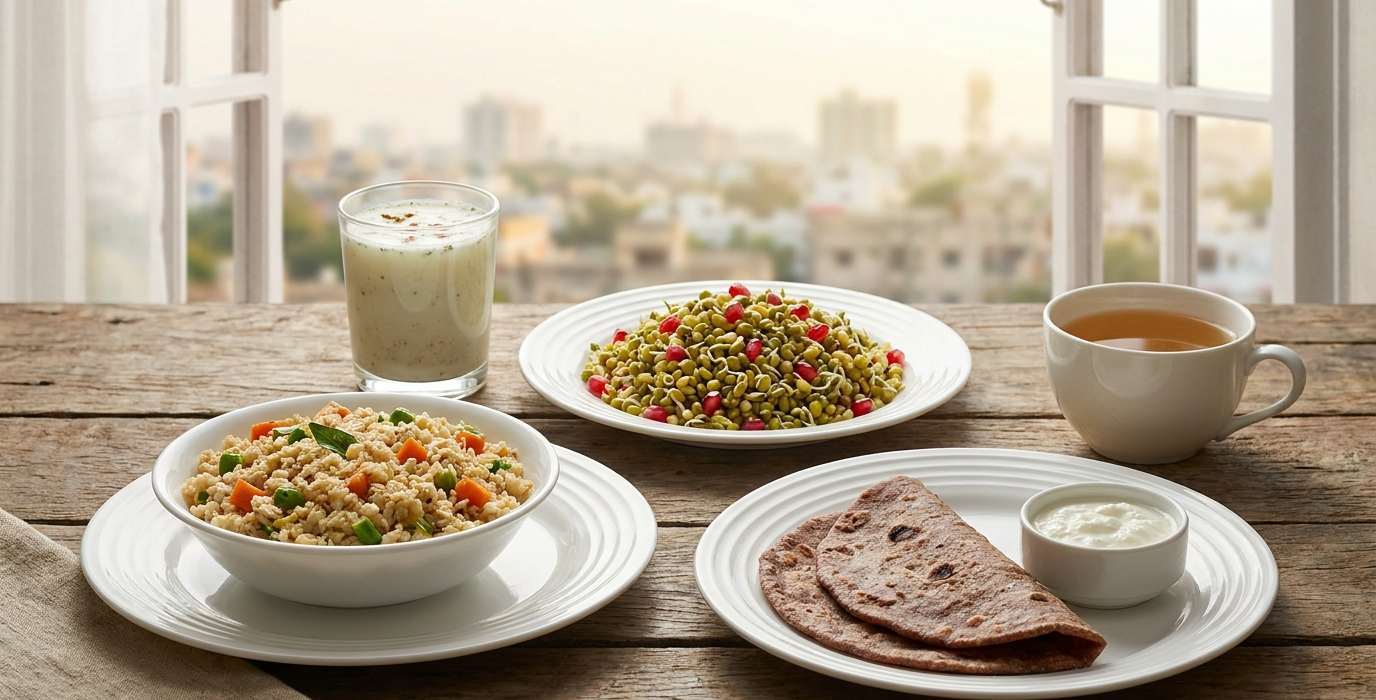
Your morning meal is more than just a way to break your overnight fast; for those aiming to shed a few kilograms, it’s a strategic opportunity. A well-planned breakfast can set the tone for your entire day, influencing your food choices, energy levels, and even your metabolism. Skipping breakfast or opting for sugary, processed options can lead to mid-morning cravings and overeating later, derailing your weight loss efforts. We’re talking about building a foundation of sustained energy and satiety, not just a quick fix.
The science is clear: a balanced breakfast helps regulate blood sugar levels, preventing the sharp spikes and crashes that trigger hunger. This stability is key to maintaining consistent energy and reducing the urge to reach for unhealthy snacks. Furthermore, studies suggest that individuals who eat a nutritious breakfast tend to have healthier body weights overall. They are often more physically active and make better dietary choices throughout the day. This isn’t about deprivation; it’s about intelligent nourishment that supports your body’s natural processes for fat burning and energy expenditure.
We’ll guide you through creating delicious, satisfying, and effective breakfast routines. From quick fixes for hectic mornings to more elaborate weekend treats, these options are designed to be both practical and beneficial for your weight loss journey. You’ll discover how to leverage the power of protein, fibre, and healthy fats to keep you feeling full and focused, helping you achieve your goals without feeling deprived. Let’s redefine your morning meal from a mere habit to a powerful ally in your health quest.
Protein Powerhouses: Building a Foundation of Fullness
Protein is your weight loss superhero, especially at breakfast. It takes longer to digest than carbohydrates, keeping you feeling fuller for significantly longer and reducing the urge to snack between meals. This sustained satiety is critical for managing calorie intake effectively. Moreover, your body uses more energy to metabolise protein compared to fats and carbohydrates, giving your metabolism a slight, but welcome, boost.
For a truly protein-packed start, consider options like eggs. A simple omelette with a variety of vegetables like spinach, tomatoes, and onions offers a complete protein source alongside essential vitamins and minerals. If you’re looking for plant-based protein, scrambled tofu is an excellent alternative, easily seasoned with turmeric, cumin, and a pinch of asafoetida for a flavourful Indian twist. Greek yogurt is another fantastic choice; its thick, creamy texture is incredibly satisfying, and it’s loaded with protein. Top it with a few berries and a sprinkle of nuts for added fibre and healthy fats.
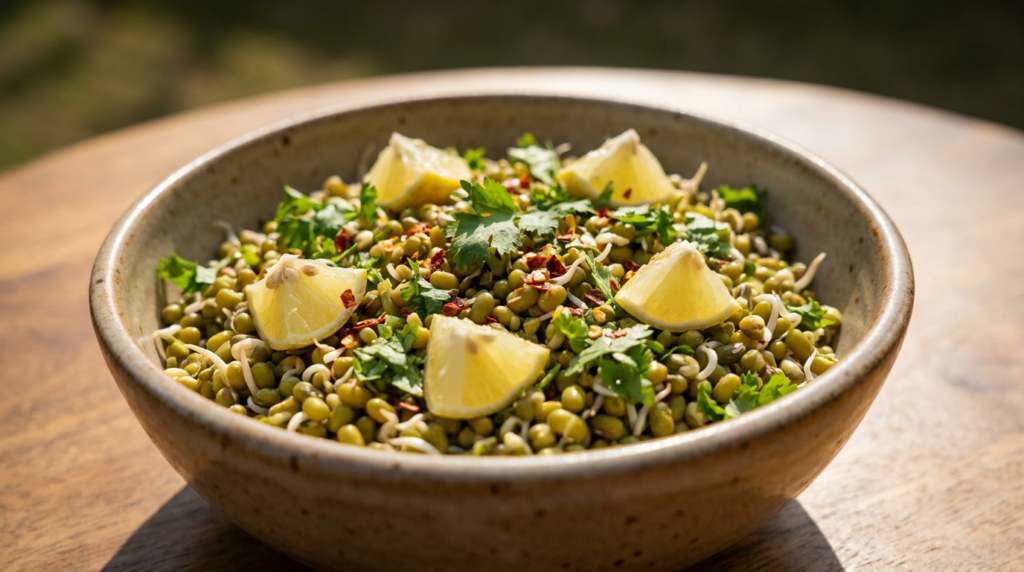
We also can’t overlook the power of legumes. A small bowl of sprouted moong dal (mung beans) salad, seasoned with lemon juice, chopped coriander, and a hint of chilli, provides a good dose of protein and fibre. Even a spoonful of peanut butter on a slice of whole-wheat toast can make a significant difference. Remember, the goal is to choose protein sources that are as close to their natural state as possible, avoiding processed meats or sugary yogurts. The National Health Profile highlights the importance of balanced nutrition, and protein is a cornerstone of that balance for overall well-being and weight management.
Fibre-Rich Foods: The Slow Burn for Sustained Energy
Fibre is your other indispensable ally in the weight loss battle. It adds bulk to your meals without adding significant calories, promoting a feeling of fullness and aiding digestion. This slower digestion process means a more gradual release of energy, preventing those energy slumps that often lead to unhealthy snacking. Think of fibre as the slow-burning fuel for your body, keeping you going steadily throughout the morning.
Whole grains are excellent sources of dietary fibre. Instead of refined white bread or processed cereals, opt for options like oats, whole wheat roti, or even quinoa. A bowl of warm oatmeal, cooked with water or milk and topped with chia seeds and a handful of almonds, is a classic for a reason. The oats provide complex carbohydrates and soluble fibre, while the chia seeds and almonds contribute additional fibre, protein, and healthy fats. Even a simple whole wheat roti with a side of vegetable curry can be a fibre-rich breakfast.
Don’t forget fruits and vegetables! They are packed with fibre, vitamins, and antioxidants. A smoothie made with spinach, banana, a scoop of protein powder, and almond milk is a quick and easy way to pack in both fibre and protein. Similarly, a colourful vegetable upma, made with semolina and plenty of mixed vegetables like carrots, peas, and beans, offers a delicious and filling fibre boost. The Food Safety and Standards Authority of India (FSSAI) consistently promotes the consumption of whole grains and fruits for a healthy diet, recognising their vital role in preventing chronic diseases and supporting weight management.
Embracing Indian Flavours: Healthy Twists on Traditional Favourites
India’s rich culinary heritage offers a treasure trove of breakfast options that can be easily adapted for weight loss. Many traditional dishes are inherently nutritious, focusing on lentils, grains, and vegetables. The key is to make mindful choices regarding preparation methods and portion sizes, steering clear of excessive oil and refined ingredients. We can embrace these beloved flavours while keeping our health goals in focus.
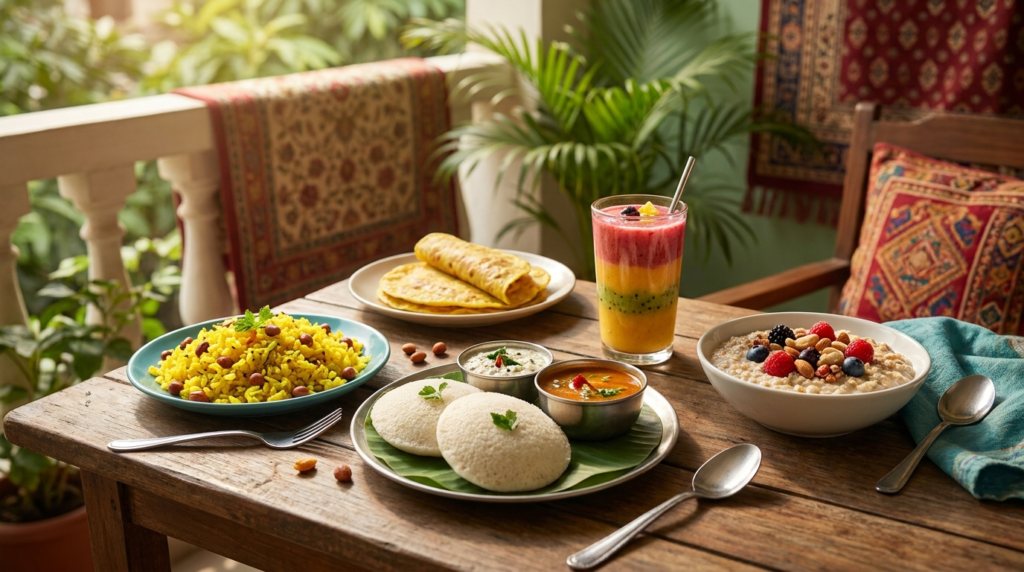
Consider Poha, a flattened rice dish. While often prepared with a generous amount of oil and potatoes, you can make it lighter by using minimal oil, adding more vegetables like peas, carrots, and bell peppers, and incorporating a good amount of peanuts for added protein and healthy fats. Similarly, Idli, made from fermented rice and lentil batter, is a naturally light and healthy option. Serve it with a fibre-rich sambar packed with vegetables and a moderate amount of coconut chutney. Dosa, while delicious, can be calorie-dense. Opt for thinner, crispier versions made with less oil, or try out millet-based dosas for an added fibre and nutrient punch.
Upma, a savoury porridge, can be made exceptionally healthy by using whole wheat or semolina and loading it with a variety of vegetables. Even a simple Besan Cheela (chickpea flour pancake) is a protein-rich and satisfying breakfast, especially when packed with finely chopped onions, tomatoes, and coriander. The surprising fact is that many regional Indian breakfasts, like Ragi Mudde (finger millet balls) from Karnataka, are naturally high in fibre and complex carbohydrates, making them excellent choices for sustained energy and weight management, often overlooked in the global health discourse. The Ministry of AYUSH also champions traditional Indian foods as part of holistic health practices, recognising their inherent nutritional benefits.
Quick & Convenient: Smart Breakfasts for the Time-Strapped
We understand that not everyone has the luxury of leisurely preparing breakfast every morning. For those with demanding schedules, quick, grab-and-go options are essential. The good news is that convenience doesn’t have to mean compromising on nutrition or weight loss goals. With a little planning, you can assemble healthy breakfasts in minutes.
Smoothies are a lifesaver for busy mornings. Blend your choice of fruits (berries, bananas, apples), a handful of leafy greens (spinach is mild and nutrient-dense), a protein source (Greek yogurt, protein powder, or nut butter), and a liquid base (water, almond milk, or coconut water). You can even add oats or chia seeds for extra fibre. Prepare smoothie packs by pre-portioning ingredients into freezer bags for even faster assembly. Another excellent option is overnight oats. Combine rolled oats, milk (dairy or non-dairy), and your preferred toppings like chia seeds, nuts, and a touch of honey or maple syrup in a jar the night before. By morning, you’ll have a creamy, fibre-rich breakfast ready to eat.
Hard-boiled eggs are another portable protein source. Boil a batch at the beginning of the week and keep them in the refrigerator for a quick breakfast you can eat on the go. A small container of cottage cheese or Greek yogurt with a piece of fruit also makes for a balanced and filling meal. Even a whole-wheat toast topped with avocado and a sprinkle of chilli flakes can be a surprisingly satisfying and nutrient-dense option. The key is to have healthy ingredients readily available and to think about assembly, not complex cooking.
Beyond the Plate: Mindful Eating and Portion Control
While the food choices we make are paramount, how we eat and how much we eat also play a critical role in weight loss. Mindful eating involves paying attention to your hunger and fullness cues, savouring your food, and eating without distractions. This practice can help you recognise when you’ve had enough, preventing overeating and improving your relationship with food.
Portion control is equally vital. Even healthy foods can contribute to weight gain if consumed in excessive amounts. Use smaller plates and bowls to visually manage portion sizes. Be aware of recommended serving sizes for different food groups. For instance, a serving of poha might be around 1-1.5 cups, and a standard roti is about 6-8 inches in diameter. When in doubt, it’s better to start with a smaller portion and go back for more if you’re still hungry, rather than serving yourself too much initially.
We encourage you to slow down during your meals. Put down your cutlery between bites, chew your food thoroughly, and engage your senses. Notice the textures, aromas, and flavours. This conscious approach not only enhances your dining experience but also allows your brain to register satiety signals, which can take up to 20 minutes to reach. A surprising fact is that the practice of “Mindful Eating,” heavily influenced by Buddhist traditions, is now widely adopted globally as a powerful tool for weight management and improving overall well-being. The World Health Organization (WHO) in India also stresses the importance of dietary habits and portion awareness in preventing non-communicable diseases, which are often linked to weight management.
Frequently Asked Questions
What are the best protein sources for a weight loss breakfast?
Excellent protein sources include eggs, Greek yogurt, cottage cheese, tofu, lean meats, fish, and legumes like lentils and beans. Incorporating these helps you feel fuller for longer, reducing overall calorie intake.
How much fibre should I aim for in my breakfast?
Aim for at least 5-10 grams of fibre in your breakfast. This can be achieved through whole grains, fruits, vegetables, nuts, and seeds. Fibre aids digestion and promotes satiety.
Can I have Indian breakfast dishes for weight loss?
Absolutely! Many traditional Indian breakfasts like idli, dosa (prepared with less oil), poha (with added vegetables and less oil), upma (using whole grains and lots of veggies), and cheelas are excellent choices. Focus on preparation methods and added ingredients.
What if I have very little time in the morning?
For busy mornings, opt for quick options like smoothies, overnight oats, hard-boiled eggs, or a pre-made yogurt parfait. Preparing ingredients the night before can save significant time.