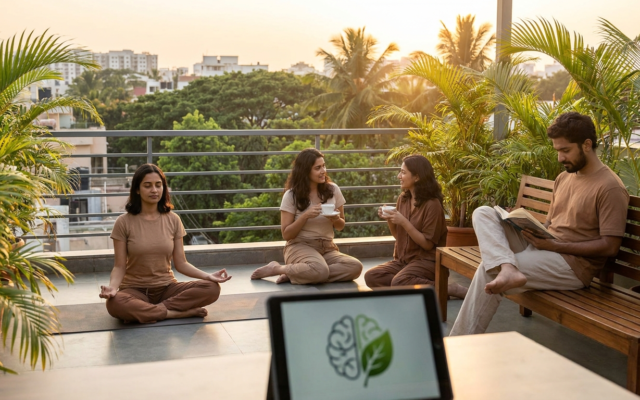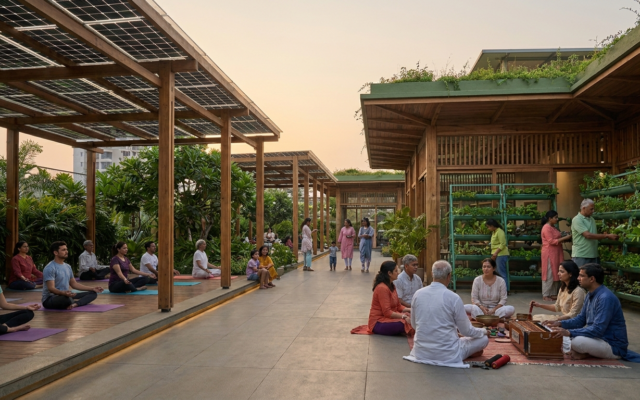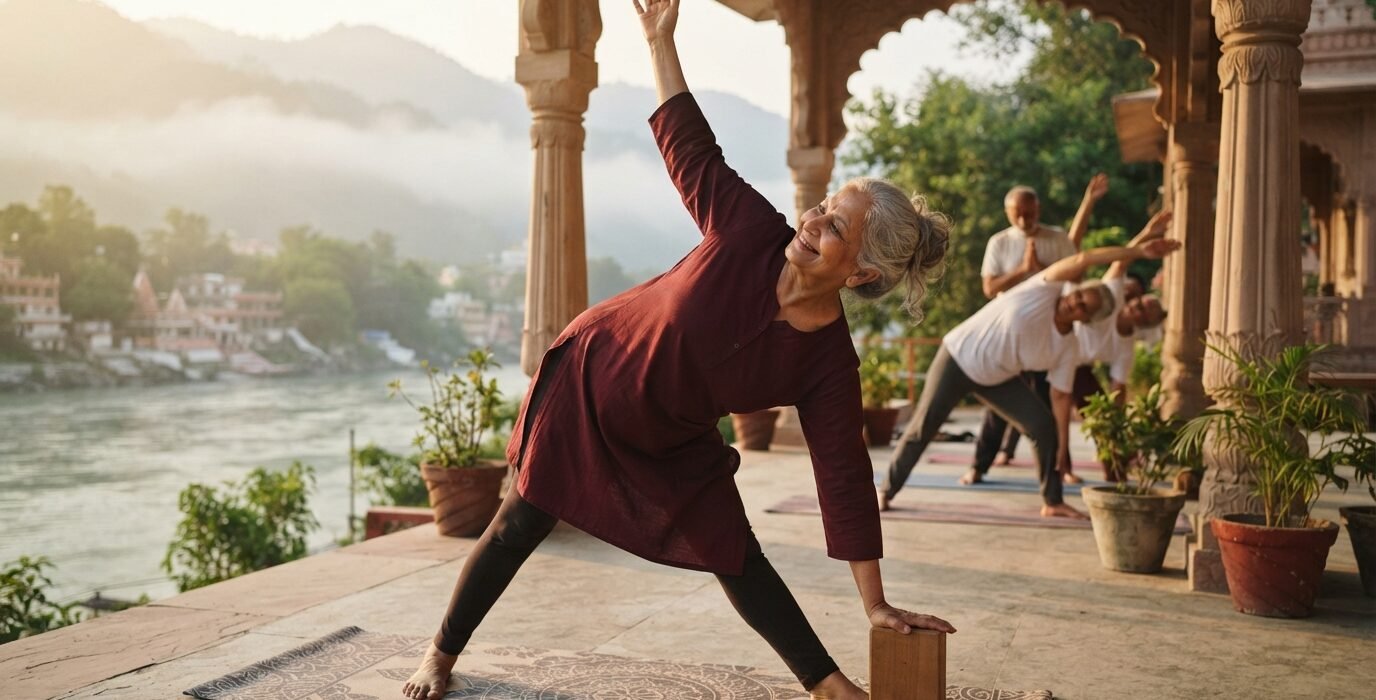
As you step into the later chapters of life, your body’s requirements shift from high-intensity output to sustainable maintenance, making daily movement more critical than ever for longevity. By integrating specific, low-impact yoga practices into your morning routine, you can significantly improve your balance, joint health, and overall cognitive vitality in this new year of 2026.
Key Takeaways
- Yoga for seniors focuses on stability, spinal health, and joint mobility rather than extreme flexibility or athletic performance.
- Consistency matters more than intensity; 20 minutes of daily practice is superior to an hour-long session once a week.
- Breathing techniques (pranayama) are as vital as physical poses for regulating blood pressure and reducing stress levels.
- Consult with your healthcare provider before beginning any new fitness regimen, especially if you have pre-existing cardiovascular conditions.
Understanding the Physiology of Ageing
Ageing brings a natural decrease in bone density and muscle mass, a process known as sarcopenia. In India, where the demographic shift toward an older population is accelerating, maintaining physical independence has become a national health priority. According to the Ministry of Health and Family Welfare, geriatric care focuses on preventing frailty through mobility exercises.
Yoga addresses these changes by promoting weight-bearing movement without the jarring impact of high-intensity aerobics. When you hold a pose, you are not just stretching; you are engaging your muscles to support your skeletal structure. This mechanical stress is essential for signaling to your body that it needs to maintain bone mineral density.
Furthermore, many older adults struggle with balance, which is the primary cause of accidental falls in urban areas like Bengaluru or Pune. Yoga teaches you to be aware of your center of gravity. By strengthening the core muscles that stabilize your spine, you essentially build an internal corset that protects you from back pain and postural decline.
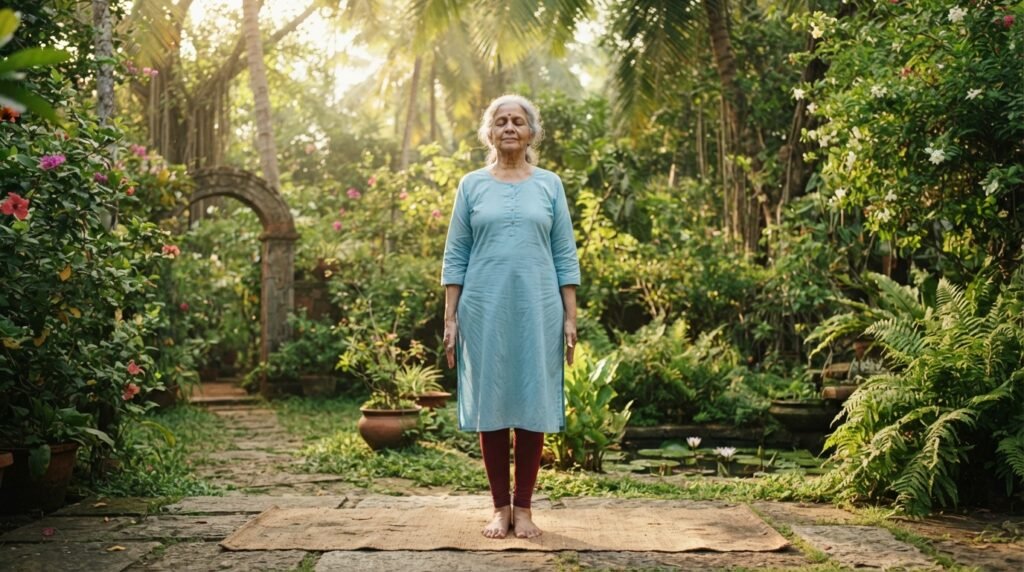
The Foundation: Tadasana for Postural Alignment
Often dismissed as merely standing still, Tadasana, or Mountain Pose, is the cornerstone of all standing postures. It requires active engagement of the feet, legs, and core, which is essential for correcting the forward-leaning posture that often develops with age. To perform this, stand with your feet hip-width apart and distribute your weight evenly.
As you draw your shoulder blades back and down, you open your chest and improve your lung capacity. This simple action counters the hunched posture that many seniors develop from spending long hours in chairs. It is a powerful mental exercise as well, as it demands focus and presence.
Did you know that the simple act of intentional standing can improve your proprioception? Proprioception is your body’s ability to sense its location in space. As we age, these internal sensors can become less sensitive, leading to dizziness or instability. Regular practice of Tadasana helps recalibrate these sensors, ensuring you remain steady on your feet during daily walks through your local park or market.
Vrikshasana: Building Balance and Confidence
Vrikshasana, or Tree Pose, is perhaps the most effective yoga move for fall prevention. It challenges your vestibular system, which controls balance, while strengthening the ligaments in your ankles and knees. If you find standing on one leg difficult, you can start by using a wall for support or keeping your toes on the floor.
The goal here is not to hold the pose perfectly, but to move safely into a position that challenges your stability. By focusing your gaze on a stationary point in front of you—a technique called Drishti—you calm the mind and stabilize the body. The Ministry of Ayush emphasizes that such mindful movements are fundamental to maintaining physiological harmony in the elderly.
Beyond physical balance, this pose builds immense psychological confidence. Knowing that you can recover your balance if you stumble is a vital skill. Practicing this for just three minutes each morning can drastically reduce your anxiety about falling while navigating uneven sidewalks or public transport stairs.
Chair Yoga: Accessibility for Every Body
Not every person is comfortable getting down onto a yoga mat on the floor, and that is perfectly fine. Chair yoga has revolutionized how older adults interact with fitness, allowing for spinal twists and stretches that are just as effective as their floor-based counterparts. You can perform seated cat-cow stretches to lubricate the vertebrae and release tension in the lower back.
Using a sturdy chair, you can perform seated leg extensions to build quadricep strength. Strong quadriceps are the primary defense against knee pain and difficulty in standing up from a chair. By adding a simple yoga strap or towel, you can also perform seated shoulder stretches that improve your range of motion significantly.
An interesting fact: India has seen a 40% increase in senior-centric yoga classes in the last two years, many of which utilize chairs to ensure inclusivity. This movement ensures that even those with limited mobility can enjoy the cardiovascular and mental benefits of yoga. You do not need expensive equipment; a simple, non-rolling kitchen chair is often all that is required.
Yoga is the journey of the self, through the self, to the self; it is not about the shape of your body, but the shape of your life.
Pranayama: The Breath as Medicine
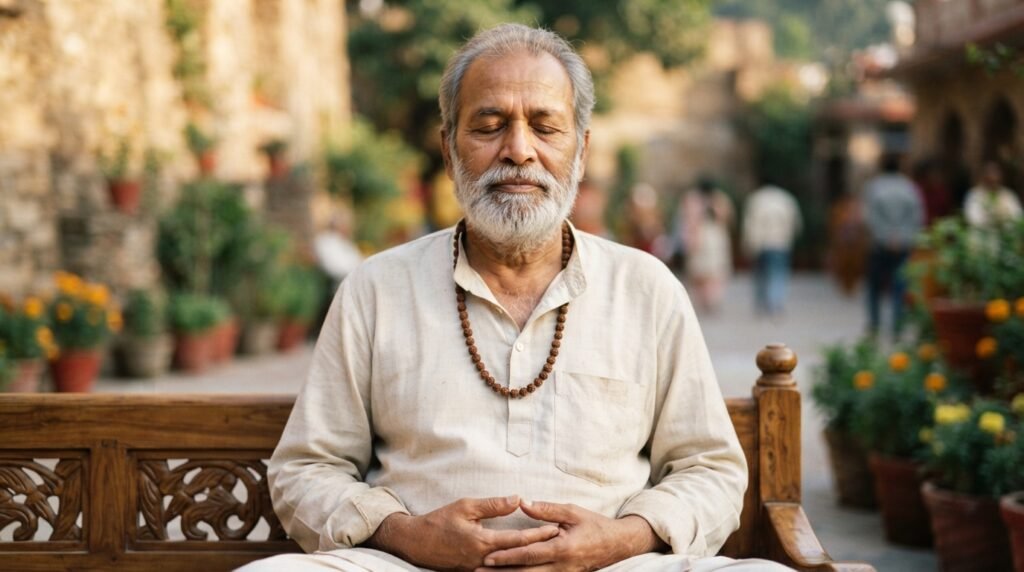
Physical poses are only half the story; the other half is the breath. As we age, our respiratory efficiency can decline, making us prone to fatigue. Pranayama, or breath control, helps expand lung capacity and lower the heart rate, providing a natural remedy for the stress and hypertension common in later life.
Nadi Shodhana, or alternate nostril breathing, is particularly effective for balancing the nervous system. By regulating your breath, you signal to your parasympathetic nervous system that you are safe and relaxed. This lowers cortisol levels, which is essential for managing blood sugar and sleep quality in the long term.
You should aim to practice at least five minutes of deep, diaphragmatic breathing every evening. You will find that this not only aids in better sleep but also improves your mental clarity throughout the following day. It is perhaps the most accessible tool in your health kit, requiring nothing more than a quiet corner and a few moments of your time.
Comparing Traditional Yoga and Senior-Specific Variations
When selecting a routine, it is important to distinguish between general fitness yoga and styles tailored for longevity. The following table highlights why specific adjustments are necessary for healthy ageing.
| Feature | Standard Power Yoga | Senior-Focused Yoga |
|---|---|---|
| Intensity | High (Cardio focused) | Low (Mobility focused) |
| Transitions | Fast (Flow-based) | Slow and controlled |
| Support | Minimal (Mat only) | High (Chairs, blocks, walls) |
| Primary Goal | Muscle building | Joint health & stability |
Frequently Asked Questions
Is it safe to start yoga if I have never done it before at age 70?
Yes, yoga is highly adaptable for all ages. Start with chair-based classes or gentle Hatha yoga led by an instructor who understands geriatric physiology. Always prioritize comfort over depth; if a movement causes sharp pain, stop immediately and consult your doctor.
How do I find a qualified yoga instructor in my city?
Look for instructors certified by recognized bodies like the Yoga Certification Board. It is often beneficial to ask for a trial session to see if the instructor emphasizes modifications and safety over complex poses.
Can yoga help with chronic conditions like arthritis?
Yes, low-impact yoga is often recommended by rheumatologists to keep joints mobile and reduce stiffness. Consistent, gentle movement helps circulate synovial fluid in the joints, which can provide significant relief for those suffering from arthritic pain.
How often should I practice to see real benefits?
Consistency is more important than duration. Even 15 to 20 minutes of daily practice will yield better results for flexibility and balance than a single long session once a week. Make it a part of your morning ritual, just like brushing your teeth.