Key Takeaways
- Specific yoga poses like Balasana (Child’s Pose) and Marjaryasana-Bitilasana (Cat-Cow Pose) can help improve blood circulation in the pelvic region, potentially aiding in menstrual cycle regulation.
- Incorporating practices such as Pranayama (breathing exercises) can significantly reduce stress, a common contributor to irregular periods.
- Consistency is key; aim for a daily or near-daily practice, even if it’s just for 15-20 minutes, to observe the most effective results.
- While yoga offers substantial benefits, it’s crucial to consult with a healthcare professional, especially for persistent or severe menstrual irregularities.
Understanding Menstrual Irregularities and Yoga’s Role
Irregular menstrual cycles are a common concern for many women, affecting everything from fertility to overall well-being. Factors like stress, hormonal imbalances, lifestyle changes, and underlying medical conditions can all contribute to skipped periods, unpredictable bleeding patterns, or unusually heavy or light flows. While medical intervention is often necessary, a growing body of evidence and anecdotal reports suggest that yoga can play a significant complementary role in restoring balance. We’re looking at how specific yoga practices, when integrated thoughtfully, can support your body’s natural rhythms and help bring regularity to your menstrual cycle in 2026.
Yoga’s approach is holistic. It doesn’t just focus on physical postures but also incorporates breathwork (Pranayama) and meditation, all of which are powerful tools for managing stress. Chronic stress is a well-documented disruptor of the endocrine system, which governs hormone production, including those responsible for menstruation. By calming the nervous system and reducing cortisol levels, yoga can create a more conducive environment for hormonal balance. Furthermore, certain poses are designed to stimulate blood flow to the pelvic region, which is vital for reproductive health. This enhanced circulation can help nourish reproductive organs and support healthy uterine function.
Foundational Poses for Pelvic Health and Circulation
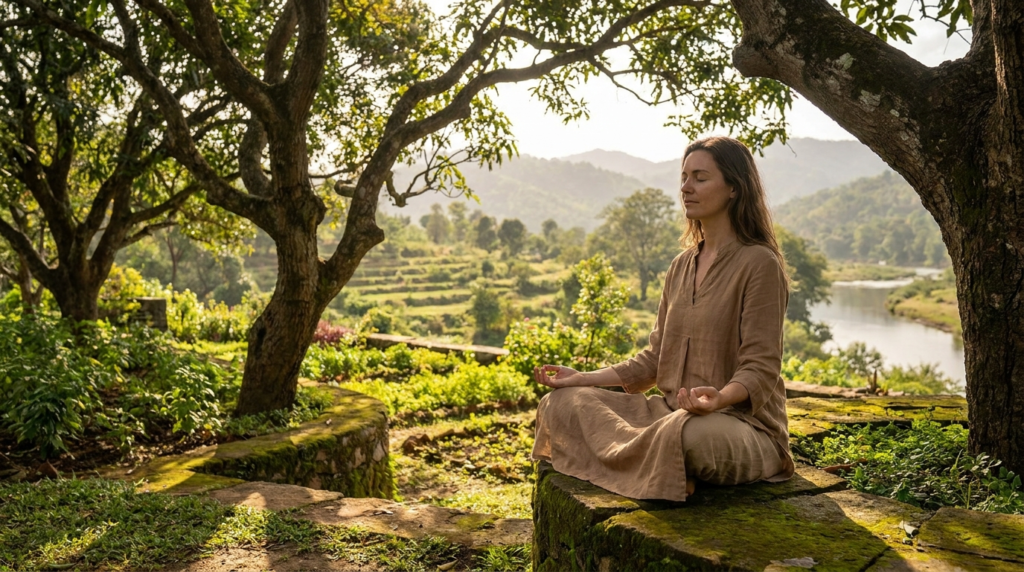
To begin addressing menstrual irregularities through yoga, we need to focus on poses that gently stimulate the pelvic area and promote relaxation. These are not about strenuous effort but about mindful movement and breath. Our goal is to create a supportive environment within the body for hormonal balance to emerge.
Balasana (Child’s Pose) is a cornerstone for relaxation. It gently stretches the hips and thighs and calms the mind. Kneeling on the floor, you bring your big toes to touch and widen your knees to hip-width apart. Then, you exhale and lay your torso down between your thighs, resting your forehead on the mat. Your arms can be stretched out in front of you or resting alongside your body. This pose is a powerful stress reliever, allowing your abdominal organs to rest and promoting a sense of grounding.
Marjaryasana-Bitilasana (Cat-Cow Pose) is another essential sequence that moves the spine and gently massages the abdominal organs. Starting on your hands and knees in a tabletop position, you inhale as you drop your belly, lift your chest and tailbone to arch your back into Cow pose. Then, you exhale as you round your spine towards the ceiling, tucking your chin and tailbone in, entering Cat pose. This rhythmic movement helps improve circulation to the pelvic region and can alleviate menstrual cramps.
Another beneficial pose is Apanasana (Knees-to-Chest Pose). Lie on your back and draw both knees towards your chest, hugging them with your arms. This pose gently massages the lower abdomen and can help relieve bloating and discomfort associated with menstruation. It also aids in releasing tension in the lower back, which is often exacerbated during periods. Practicing these poses consistently can make a noticeable difference in how your body feels during your cycle.
Harnessing the Power of Pranayama for Stress Reduction
Stress is a silent saboteur of menstrual regularity. When we are constantly under pressure, our body’s stress response kicks in, releasing hormones like cortisol. High cortisol levels can interfere with the production and regulation of reproductive hormones such as estrogen and progesterone, leading to disruptions in your menstrual cycle. This is where the ancient art of Pranayama, or yogic breathing techniques, becomes invaluable.
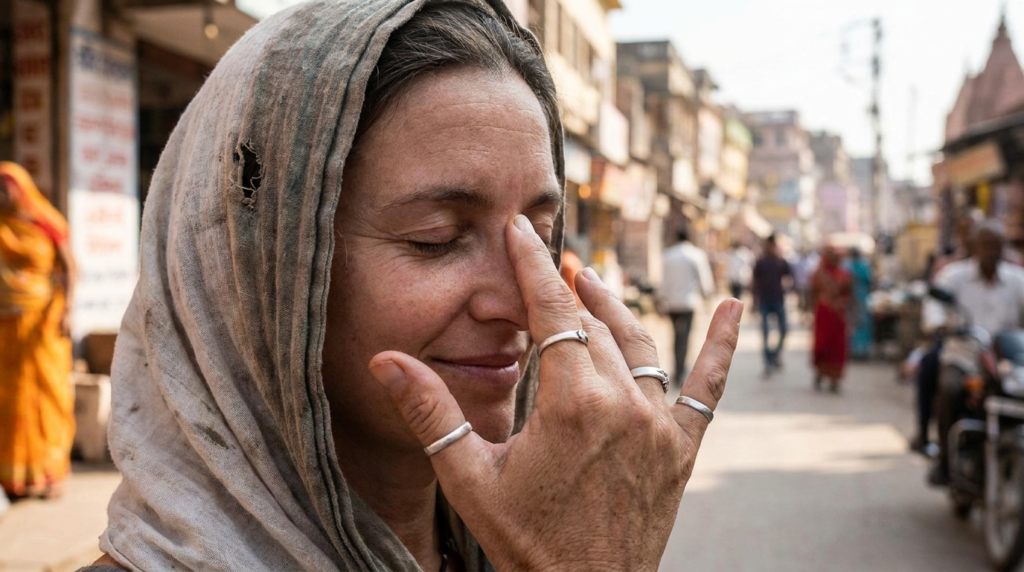
One of the most accessible and effective breathing exercises is Nadi Shodhana Pranayama (Alternate Nostril Breathing). This technique is renowned for its ability to balance the nervous system and calm the mind. To practice, sit comfortably with your spine erect. Use your right thumb to close your right nostril and inhale deeply through your left nostril. Then, close your left nostril with your ring finger and exhale through your right. Inhale through your right nostril, close it with your thumb, and exhale through your left. Continue this alternating pattern for several minutes. It’s a powerful way to de-stress and promote a sense of equilibrium.
Dirga Pranayama (Three-Part Breath) is another excellent practice. It involves consciously breathing into the belly, then the rib cage, and finally the upper chest. This deep, diaphragmatic breathing ensures full oxygenation of the lungs and promotes relaxation. Place one hand on your belly and the other on your chest. As you inhale, feel your belly rise, then your rib cage expand, and finally your chest lift. Exhale slowly, reversing the process. This practice helps to deepen your breath and calm your entire system.
Regular practice of Pranayama can significantly reduce feelings of anxiety and overwhelm. By consciously controlling your breath, you send a signal to your brain that you are safe, which helps to downregulate the stress response. This can, in turn, help your body re-establish its natural hormonal rhythms. You can find detailed instructions and demonstrations of these techniques on resources provided by organizations such as The Yoga Sutra, which offers a comprehensive library of yogic practices.
Poses to Balance Hormones and Regulate Cycles
Beyond general relaxation and circulation, specific yoga poses are believed to directly influence the endocrine system and reproductive organs, aiding in hormonal balance and menstrual regularity. These poses often involve gentle inversions, twists, and poses that stimulate the abdominal area.
Baddha Konasana (Bound Angle Pose), also known as Cobbler’s Pose, is excellent for opening the hips and stimulating the ovaries. Sit with the soles of your feet together, letting your knees fall out to the sides. You can hold your feet with your hands and gently lean forward if comfortable. This pose can help to release tension in the pelvic floor and improve blood flow to the reproductive organs.
Supta Matsyendrasana (Supine Spinal Twist) is a gentle yet effective twist that can aid in digestion and detoxification, indirectly supporting hormonal balance. Lie on your back and draw your right knee to your chest. Then, gently guide your right knee across your body to the left, extending your right arm out to the side and looking over your right shoulder. Hold for several breaths, then repeat on the other side. This pose helps to stimulate the abdominal organs and release tension in the spine.
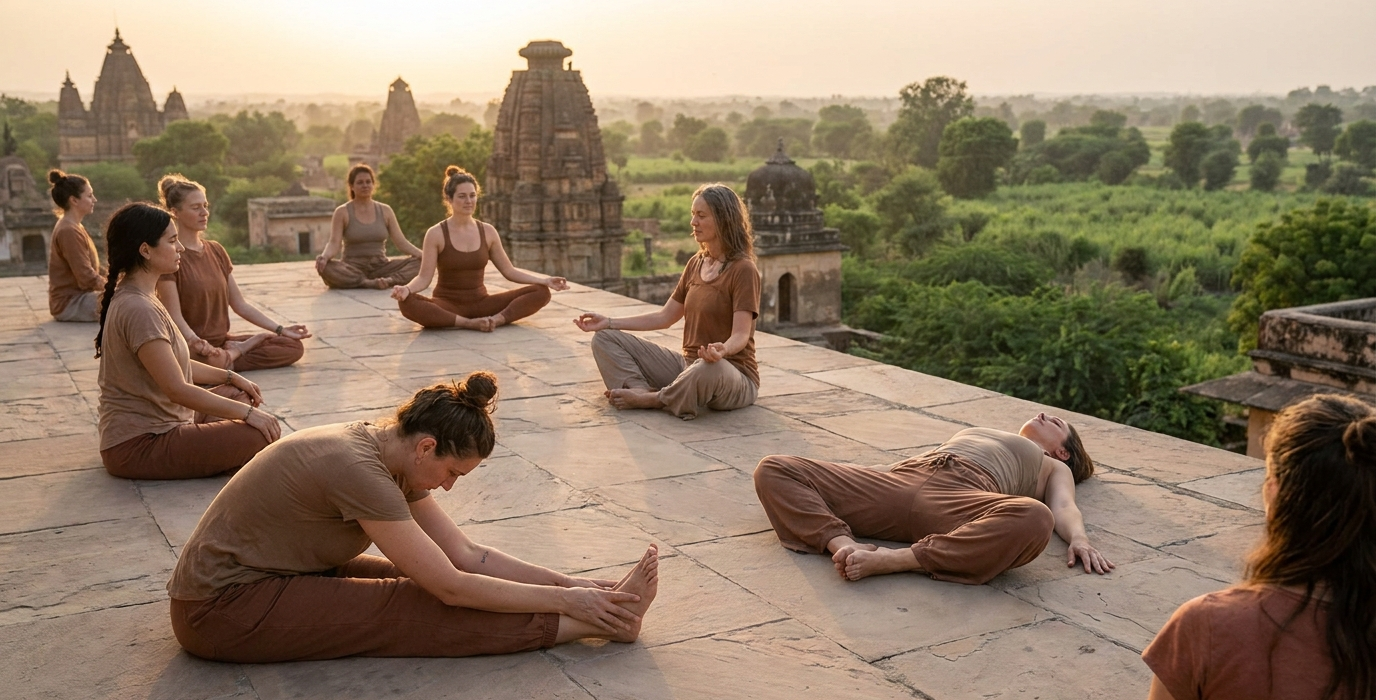
Paschimottanasana (Seated Forward Bend), when done mindfully, can be beneficial. Sit with your legs extended in front of you. Inhale and lengthen your spine, then exhale and hinge forward from your hips, reaching towards your feet. Avoid forcing the pose; the goal is a gentle stretch. This pose is believed to stimulate the abdominal organs and can help calm the nervous system, which is crucial for hormonal regulation. Remember that consistency is more important than the depth of the stretch.
Incorporating Gentle Inversions and Abdominal Stimulation
Gentle inversions and poses that stimulate the abdominal area can be particularly effective in supporting a regular menstrual cycle. These postures are thought to encourage the flow of blood and lymph, aiding in the removal of toxins and promoting the healthy functioning of reproductive organs.
Viparita Karani (Legs-Up-the-Wall Pose) is a restorative inversion that is incredibly beneficial for hormonal balance. Lie on your back with your hips close to a wall. Extend your legs straight up the wall, allowing gravity to assist blood flow. Rest your arms by your sides or on your belly. This pose is deeply relaxing and can help to calm the nervous system, reduce fatigue, and alleviate symptoms of PMS. It’s a gentle way to experience the benefits of inversion without the strain of more strenuous poses.
For abdominal stimulation, Ardha Matsyendrasana (Half Lord of the Fishes Pose), a seated spinal twist, can be very helpful. Sit with your legs extended, then bend your right knee and place your right foot flat on the floor outside your left thigh. Place your right hand on the floor behind you for support. Inhale and lengthen your spine, then exhale and twist your torso to the right, bringing your left elbow to the outside of your right knee. This twist gently massages the abdominal organs and can aid in improving their function.
It’s important to approach inversions and abdominal stimulation with care. If you have any contraindications, such as high blood pressure or certain menstrual conditions, it’s best to consult with a qualified yoga instructor or healthcare provider. Organizations like Yoga India provide resources and information on safe and effective yoga practices. A surprising fact is that some studies suggest inversions may also help in reducing the severity of dysmenorrhea (painful periods) by promoting better circulation and reducing inflammation.
Consistency, Mindfulness, and When to Seek Professional Help
The efficacy of yoga for menstrual regularity hinges on consistency and a mindful approach. It’s not about achieving perfect poses but about creating a regular ritual of self-care that supports your body’s natural processes. Aim to practice these yoga sequences daily, or at least 4-5 times a week, even if it’s for just 15-20 minutes. The cumulative effect of regular practice is far more impactful than sporadic, intense sessions.
Mindfulness is key. Pay attention to how your body feels during and after each pose. Notice any shifts in your energy levels, mood, or physical sensations. This heightened awareness can help you understand your body’s unique needs and respond accordingly. Pair your physical practice with mindful breathing and a positive affirmation. For example, you might silently repeat “I am calm, I am balanced” as you move through your poses.
While yoga can be a powerful tool, it’s crucial to recognize its limitations. If you are experiencing severe menstrual irregularities, persistent pain, very heavy bleeding, or other concerning symptoms, it is essential to consult with a healthcare professional. Conditions such as Polycystic Ovary Syndrome (PCOS), endometriosis, or thyroid issues require medical diagnosis and treatment. Yoga can be a supportive practice alongside conventional medical care, but it should not replace it. The National Health Portal of India offers extensive information on various health conditions and recommended approaches. Remember, your health is paramount, and combining yoga with expert medical advice offers the most comprehensive path to well-being. A specific guideline from the Reserve Bank of India, while not medical, emphasizes financial prudence and planning; similarly, proactively managing your health with consistent practices and professional guidance is a prudent long-term strategy for your well-being.
“The greatest wealth is health.” – Virgil. This ancient wisdom holds true, especially when it comes to the intricate balance of our bodies, and yoga offers a profound pathway to nurturing that fundamental wealth.
Frequently Asked Questions
What are the most common causes of irregular periods?
Common causes include stress, significant weight changes, excessive exercise, hormonal imbalances (like PCOS or thyroid issues), certain medications, and perimenopause. It’s always best to consult a doctor to rule out any underlying medical conditions.
Can yoga really regulate my period in 2026?
Yoga can significantly support menstrual regularity by reducing stress, improving circulation, and promoting hormonal balance. While it may not be a guaranteed cure for all irregularities, consistent practice often leads to more predictable cycles and reduced discomfort.
How long does it typically take to see results from yoga for irregular periods?
Results vary from person to person. Some individuals may notice subtle improvements within a few weeks, while others might take a few months of consistent practice to experience more significant changes. Patience and persistence are key.
Are there any yoga poses I should avoid if I have irregular periods?
Generally, avoid intense inversions or abdominal compressions during your actual period if they cause discomfort. Poses that involve deep twists or strenuous backbends might also be best avoided if they feel aggravating. Always listen to your body and modify poses as needed.