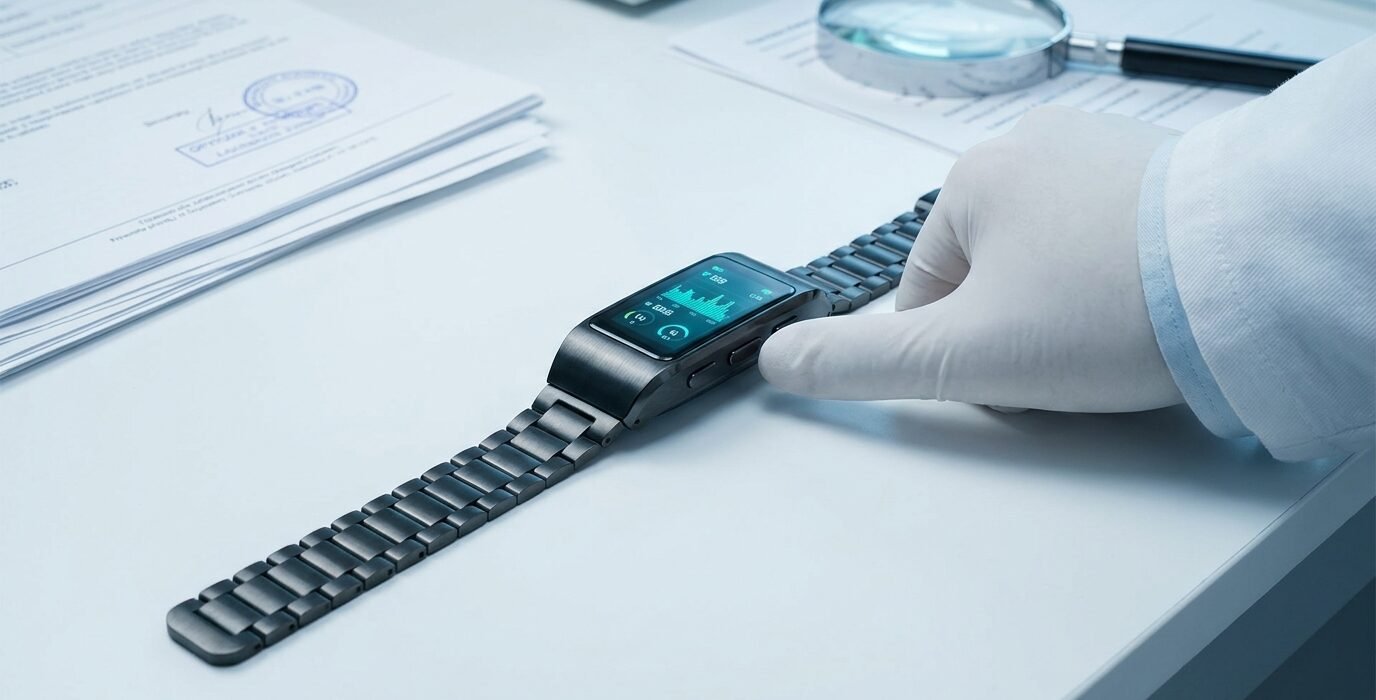
That little device on your wrist, tracking your every step and heart flutter, might be facing a serious reality check. For years, we’ve embraced wearables as our personal wellness coaches, trusting their data implicitly. But what if that data isn’t as reliable as we thought? The U.S. Food and Drug Administration (FDA) is stepping into the spotlight. Their recent guidance is poised to reshape how these gadgets function, how they’re marketed, and most importantly, how we should trust them. This isn’t just about accuracy. It’s about the bedrock of our digital health. It’s about the privacy of our most intimate data.
Key Takeaways:
- The FDA’s new guidance will push wearable manufacturers to prove the accuracy of their health claims, impacting everything from heart rate monitors to sleep trackers.
Consumers can expect more transparency about what their devices actually* measure and the limitations of that data.
Advertisement300×250 / native
- The increased scrutiny is a double-edged sword: better accuracy but potentially slower innovation and higher costs.
- Data privacy concerns are amplified, as the FDA’s focus on device function indirectly shines a light on how user data is handled.
- This shift encourages a more informed consumer, empowering you to question the data and understand its context.
The Silent Revolution on Your Wrist
Imagine Sarah, a graphic designer living in Seattle, who uses her smartwatch to monitor her atrial fibrillation (AFib). She relies on its irregular rhythm alerts to prompt her to see her doctor. For years, these alerts have been a source of comfort. A digital safety net. Now, with the FDA’s sharpened focus on wearable accuracy, Sarah’s peace of mind hinges on the device’s validated performance, not just its advertised features. This subtle but significant shift is rippling through the consumer tech industry. It impacts companies from Silicon Valley giants to burgeoning startups.
The FDA isn’t suddenly banning these devices. Rather, they’re raising the bar for what “health-related” claims mean. Companies can no longer simply say a device measures “stress” without providing robust evidence. Evidence that it truly does so in a clinically relevant way. This means deeper validation studies. More rigorous testing protocols. A clearer understanding of the scientific underpinnings of each feature. It’s a move towards aligning consumer technology with actual medical standards. All with a consumer-friendly wrapper. The implications are vast. They affect how these devices are developed, marketed, and ultimately, perceived by the millions of Americans who have integrated them into their daily lives. We’re talking about a move from “nice-to-have” wellness indicators to potentially more reliable health insights. But the journey there requires a new level of accountability from manufacturers. This isn’t just about catching up to medical-grade equipment. It’s about ensuring the data we’re acting upon isn’t based on guesswork or marketing flair.
The FDA’s approach acknowledges that many wearables are venturing into territory previously reserved for medical devices. Features like ECG (electrocardiogram) readings, blood oxygen saturation (SpO2) measurements, and even fall detection are no longer just lifestyle enhancements. They are now under a microscope. They demand a level of scientific validation that aligns with their potential impact on health decisions. For a company like Fitbit, now owned by Google, or Apple with its ubiquitous Apple Watch, this guidance presents both a challenge and an opportunity. It means re-evaluating existing features. Potentially updating algorithms. Investing heavily in clinical trials to back up their claims. It also means a more cautious approach to introducing new health-related functionalities. We might see a slowdown in the rapid-fire release of speculative new health features. Replaced by a more deliberate, evidence-based development cycle. This regulatory nudge is crucial. For many, these devices are the first point of contact with their personal health data. If that data is flawed, it can lead to unnecessary anxiety. It can cause incorrect self-diagnosis. Or worse, a missed critical health event because the device failed to detect it. The FDA’s intervention aims to build a more robust bridge between consumer gadgetry and genuine health insights. It ensures that the revolution happening on our wrists is built on a foundation of verifiable data and consumer trust, not just aspirational marketing. This is about more than just a few extra lines of code. It’s about fundamental trust in the technology that’s becoming intrinsically linked to our well-being.
The Accuracy Awakening
Consider the case of Mark, a software engineer in Austin, Texas, who bought a high-end fitness tracker primarily for its advanced sleep tracking. He was convinced it would help him optimize his performance. He wanted to understand his REM and deep sleep cycles. He’d meticulously analyzed the charts, believing he was getting a precise breakdown of his nightly rest. However, independent studies, and now increasingly, the FDA’s watchful eye, suggest that consumer-grade sleep trackers, while offering interesting patterns, often fall short of clinical accuracy. They might tell you how long you slept. But the nuanced stages of sleep can be much harder to pinpoint without polysomnography. That’s the gold standard used in sleep labs.
The FDA’s guidance explicitly targets these kinds of claims. Manufacturers will now need to provide data demonstrating that their devices can accurately measure what they claim to measure. This is especially true when those claims verge on diagnostic or therapeutic benefits. This means that features like “stress monitoring” or “cardiac arrhythmia detection” can no longer be presented without rigorous validation. For consumers like Mark, this means a shift in expectations. Instead of assuming the data is gospel, we’ll need to understand its limitations. The device might indicate a “high stress day” based on heart rate variability. But the FDA wants the company to prove that its definition of “high stress” aligns with recognized physiological markers, not just a proprietary algorithm. This accuracy awakening is not about making wearables useless. It’s about making them more honest.
This push for accuracy has a direct impact on how companies market their products. Gone are the days of vague promises and aspirational slogans. If a company claims its watch can detect atrial fibrillation, the FDA will want to see the studies proving its sensitivity and specificity. This prevents misleading marketing that could cause undue alarm or, conversely, a false sense of security. For instance, a device might have a certain percentage of false positives or false negatives. The FDA guidance encourages companies to be transparent about these figures. This allows consumers to make more informed decisions about relying on the data. This transparency is crucial for building and maintaining consumer trust. When we invest hundreds of dollars in a device, we expect it to perform as advertised. Especially when our health is concerned. The FDA’s involvement acts as a much-needed quality control mechanism. It ensures that the technology we integrate into our lives is grounded in science. This rigorous approach also has a ripple effect on innovation. While it might slow down the pace at which new health features are introduced, it ensures that those that do make it to market are more reliable and have a stronger scientific basis. Companies will need to shift their R&D focus from speculative features to building robust, validated health metrics. This is a positive development for the long-term credibility of wearable health technology. It moves it from the realm of novel gadgets to a more trusted component of personal health management.
Decoding the Data: What’s Real and What’s Not?
Let’s talk about the sheer volume of data these devices collect. Every step, every calorie burned, every nap, every restless night. For users like Maria, a retiree in Phoenix, Arizona, who meticulously logs her daily walks and heart rate, this data is a source of pride and motivation. She sees her progress in clear, digestible charts. However, the FDA’s recent guidance on wearable health trackers doesn’t just focus on the accuracy of individual metrics. It also indirectly touches upon the interpretation and presentation of this data. The agency is keen to ensure that companies aren’t overstating the significance of the data they collect. They want to prevent implications of diagnostic capabilities that the device doesn’t possess.
This means that a simple heart rate reading, while accurate in its measurement at a given second, might not be presented as a definitive indicator of cardiovascular health without further context or qualification. The FDA wants to ensure that consumers understand the difference between a “wellness metric” and a “medical diagnosis.” This is a critical distinction that often gets blurred in consumer marketing. For example, a wearable might report that your heart rate variability (HRV) is low, suggesting a “high stress” day. While HRV is a scientifically recognized indicator, its interpretation can be complex. It can be influenced by many factors beyond just psychological stress. These include hydration, recent exercise, or even the time of day. The FDA’s guidance encourages manufacturers to provide more context around these metrics. Perhaps by explaining what factors can influence them. Or by clearly stating that the data is for informational purposes only and not a substitute for professional medical advice.
This shift in regulatory approach will likely lead to clearer user interfaces and more informative user manuals. Instead of just presenting a number or a graph, devices might start offering explanations of what the data signifies. They might explain its potential limitations. They might suggest when it might be advisable to consult a healthcare professional. This is particularly important for features that mimic diagnostic tools, like ECG capabilities. While some wearables can detect irregular heart rhythms that might be AFib, they are not a substitute for a doctor’s diagnosis. The FDA wants to ensure that consumers understand this crucial difference. This means manufacturers will need to be more careful in how they describe these features. They should avoid language that suggests the device can “diagnose” conditions. Instead, they might opt for phrases like “can detect potential irregularities that warrant further medical evaluation.” This level of clarity is essential for building genuine consumer trust. It ensures that these powerful tools are used responsibly. The implications extend to data privacy as well. As devices become more sophisticated and their data more medically relevant, the stakes for data security and privacy increase exponentially. The FDA’s focus on accuracy and claims indirectly highlights the importance of robust data protection measures. Health data is highly sensitive. This is a complex landscape. While the FDA’s immediate focus is on accuracy and marketing, the broader conversation about how this sensitive data is collected, stored, and used is becoming even more critical.
The Privacy Paradox: More Data, More Risk?
We often trade our data for convenience. Wearable health trackers are a prime example. Every heart beat, every step, every sleep cycle is meticulously recorded. It’s often sent to the cloud. For individuals like David, a cybersecurity analyst in Chicago, this raises immediate red flags. He’s keenly aware of the value of his personal health data. He understands the potential risks associated with its collection and storage. The FDA’s recent guidance, while primarily focused on device accuracy and marketing, inevitably casts a spotlight on the broader ecosystem of consumer health data. As these devices become more regulated and their data more medically relevant, the imperative for robust data privacy and security measures grows stronger.
The FDA’s oversight encourages manufacturers to be more transparent about what data they collect and how it’s used. This could lead to clearer privacy policies and more granular control for users over their data. However, the regulatory landscape for health data privacy is complex and often fragmented. While the FDA oversees device functionality, other bodies like the Federal Trade Commission (FTC) handle broader consumer protection, including privacy. The Health Insurance Portability and Accountability Act (HIPAA) governs protected health information (PHI) for traditional healthcare providers. But many wearable companies operate outside its direct purview. They often classify their data as “wellness” information.
This creates a “privacy paradox” where devices are collecting increasingly sensitive health information. Yet the regulatory protections might not be as stringent as for traditional medical records. The FDA’s push for accuracy means companies will have more detailed, potentially medically significant data. This makes the security of that data even more paramount. A data breach exposing someone’s heart rhythm patterns or sleep quality could have significant implications. It could impact insurance rates, employment opportunities, or even lead to identity theft if combined with other personal information. The FDA’s guidance, by demanding higher standards for device performance, implicitly pressures companies to also invest in higher standards for data protection. If a device is making claims about detecting potential health issues, consumers have a right to expect that the data underpinning those claims is handled with the utmost care and security. This might lead to manufacturers adopting more advanced encryption techniques, implementing stricter access controls, and being more forthright about data sharing practices with third parties. Ultimately, the FDA’s intervention, while focused on accuracy, serves as a catalyst for a broader re-evaluation of how our most intimate digital health information is safeguarded. The increasing integration of wearables into our lives necessitates a parallel increase in our vigilance and the demand for robust privacy protections.
The Innovation Trade-off: Speed vs. Substance
The tech world thrives on rapid innovation. New features are rolled out constantly, pushing the boundaries of what our devices can do. For a long time, wearable health trackers have benefited from this agile development cycle. They introduced novel functionalities at a breakneck pace. However, the FDA’s new guidance introduces a significant consideration: the trade-off between speed and substance. Companies like Garmin, known for its robust GPS and fitness tracking capabilities, will now have to dedicate more resources to clinical validation for any new health-related claims.
This means that features that might have previously been released quickly based on internal testing and user feedback will now require more rigorous, FDA-aligned validation studies. This isn’t necessarily a bad thing. It ensures that what’s released is more likely to be accurate and reliable. However, it will likely slow down the pace of innovation in the health-focused aspects of wearables. We might see fewer speculative new features. A greater emphasis on refining and validating existing ones. For consumers, this could mean a more stable, trustworthy product ecosystem in the long run. But potentially a less exciting one in the short term. The constant stream of “wow” features might dry up a bit. Replaced by more incremental, scientifically supported improvements.
This shift also has economic implications. Clinical trials and rigorous validation are expensive and time-consuming. This could disproportionately affect smaller startups. They lack the resources of larger tech giants. We might see a consolidation in the market. Established players will be better equipped to navigate the new regulatory landscape. Furthermore, the increased development costs could be passed on to consumers. This could mean higher prices for wearable devices. While the promise of more accurate health data is compelling, the associated costs and slower pace of innovation are factors that consumers will need to weigh. It’s a balancing act that the industry, and regulators like the FDA, are constantly trying to manage. The goal is to foster a market where innovation is encouraged. But not at the expense of consumer safety and trust. The FDA’s approach seems to be leaning towards prioritizing substance over sheer speed. It recognizes that when it comes to health, reliability and accuracy are paramount. This might mean that the truly groundbreaking health innovations in wearables will take longer to emerge. But when they do, they will likely be built on a much stronger foundation of scientific evidence. This measured approach, while potentially frustrating for early adopters eager for the next big thing, is a crucial step in establishing wearable technology as a credible tool in personal health management.
Empowering the Informed Consumer
The FDA’s intervention isn’t just about regulating companies. It’s fundamentally about empowering you, the consumer. For years, we’ve been presented with a dazzling array of health metrics from our wrist-based companions. We often lacked a clear understanding of their scientific underpinnings or limitations. Think about the sheer volume of data that floods your smartwatch app after a single day. The FDA’s guidance on accuracy and marketing aims to bring clarity to this often-opaque world. It encourages manufacturers to be more transparent about what their devices can and cannot do.
This means you’ll likely see clearer labeling, more honest marketing claims, and a better understanding of the scientific validity behind features like sleep stage tracking, stress monitoring, or even ECG readings. For example, instead of a vague claim about “improving your fitness,” a device might now have to specify how it does that, backed by data. This makes it easier for you to make informed purchasing decisions. More importantly, it helps you interpret the data you receive. You’ll be better equipped to ask critical questions: Is this reading a medical-grade metric, or a general wellness indicator? What are the known error rates for this feature? When should I consult a doctor based on this data?
This increased transparency fosters a more discerning user. It encourages a healthy skepticism. It moves us away from blindly trusting every number on our screen. It prompts us to consider the context of the data. A sudden spike in your resting heart rate might be concerning. But knowing that it could be influenced by dehydration, recent strenuous activity, or even poor sleep quality allows for a more nuanced interpretation. This is where the FDA’s influence becomes truly valuable. By demanding that companies provide evidence for their health claims, they are essentially providing you with the tools to evaluate that evidence. You’re not just a passive recipient of data. You become an active participant in managing your health. This empowers you to have more productive conversations with your healthcare providers. You’ll be armed with data that has a clearer, more scientifically validated basis. It’s about shifting from a relationship of blind faith to one of informed partnership with your wearable technology. The goal isn’t to make you a medical expert overnight. It’s to equip you with the knowledge to use these powerful tools more effectively and safely. This empowerment is the ultimate benefit. It transforms your wearable from a mere gadget into a more reliable and trustworthy companion on your health journey. The data becomes a starting point for informed decisions, not the end-all-be-all of your well-being.
The Future of Our Digital Health Companions
The ripple effects of the FDA’s guidance on wearable health trackers are only just beginning to be felt. The trajectory is clear. We’re moving towards a future where our wrist-worn devices are not just fun gadgets but more accountable health companions. This means fewer sensationalized claims and more demonstrable accuracy. It means a greater emphasis on the scientific validation of every feature that purports to offer health insights. Companies will have to invest more in research and development. They must ensure that the algorithms driving their devices are robust and reliable. This rigorous approach, while potentially slowing down the release of novel features, will ultimately build greater trust in the technology. Imagine a future where your smartwatch’s heart rate monitor is as reliable as the one used in a doctor’s office. Or where its sleep tracking provides insights that are truly actionable for improving your health. This is the promise of the FDA’s intervention.
Furthermore, as these devices become more integrated into our healthcare ecosystem, the implications for data privacy and security will become even more pronounced. The FDA’s focus on accuracy indirectly heightens the importance of safeguarding the sensitive health data that these devices collect. We can anticipate greater scrutiny of how this data is stored, shared, and protected. This will likely lead to clearer privacy policies, more user control over data, and a stronger emphasis on cybersecurity measures from manufacturers. It’s a necessary evolution as our personal health information becomes increasingly digitized. The journey ahead might involve some bumps. Perhaps higher costs for devices or a slightly slower pace of feature innovation. However, the ultimate outcome promises a more trustworthy and beneficial relationship between consumers and their wearable technology. It’s about ensuring that the revolution on our wrists is not just about collecting data, but about generating meaningful, reliable insights that genuinely contribute to our well-being. This is the dawn of a new era for wearable health. One built on a foundation of accuracy, transparency, and a renewed commitment to consumer trust.
#