Key Takeaways
- India is aggressively expanding its solar power capacity, aiming for a significant increase in grid integration by 2026.
- This push is driven by falling solar costs, government incentives, and a growing commitment to clean energy targets.
- Challenges remain in grid stability, storage, and land acquisition, but innovative solutions are emerging.
- Consumers and businesses can benefit from this transition through lower energy costs and increased access to reliable, green power.
The Sun Rises on India’s Energy Future
The Indian sun, a constant and powerful force, is now being harnessed on an unprecedented scale. By 2026, India is set to dramatically reshape its energy landscape, with solar power at the forefront of this transformative journey. This isn’t just about adding panels; it’s a strategic overhaul of our national grid, designed to integrate vast amounts of renewable energy reliably and efficiently. We are witnessing a profound shift, moving away from traditional fossil fuels towards a cleaner, more sustainable energy future.
The ambition is clear: to leverage solar power not only to meet growing energy demands but also to significantly reduce our carbon footprint. This ambitious goal is backed by robust policy frameworks and substantial investments. The government’s National Solar Mission, launched years ago, continues to evolve, with 2026 marking a critical milestone for its expanded objectives. These efforts are crucial for India’s economic growth and its global commitment to climate action.
Scaling Up: The Numbers Behind India’s Solar Surge
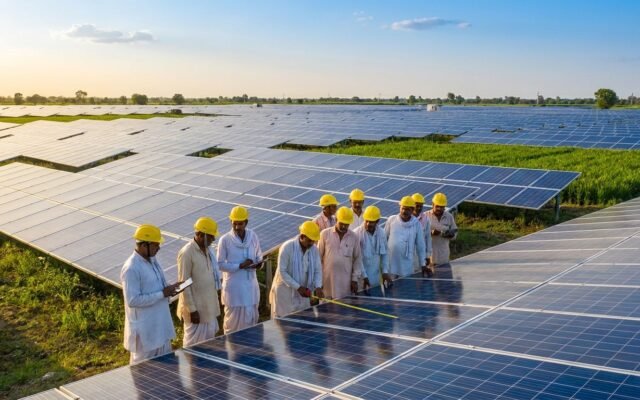
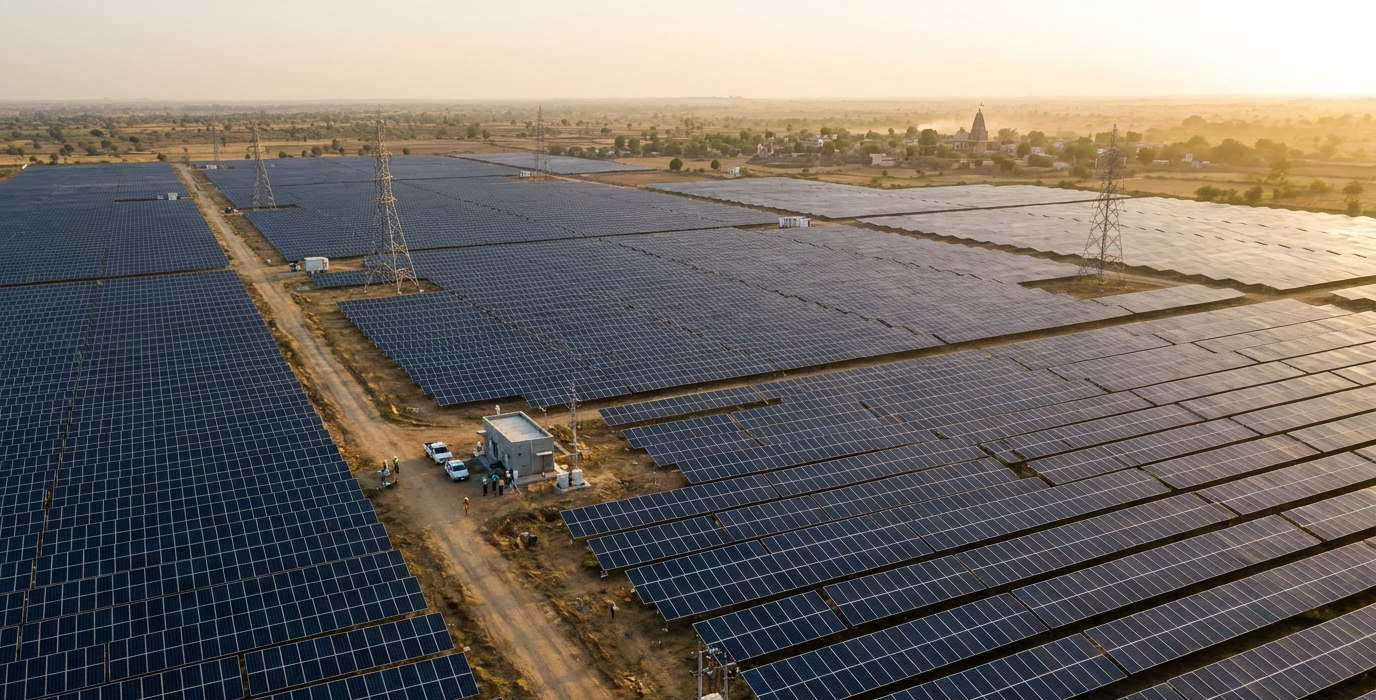
India’s solar capacity has seen exponential growth, and the trajectory for 2026 is even more impressive. Projections indicate a significant leap in installed solar capacity, pushing us closer to our renewable energy targets. This expansion is not confined to large-scale solar farms; it encompasses rooftop solar installations, agricultural solar projects, and innovative solar-plus-storage solutions. The sheer scale of deployment is a testament to India’s commitment to becoming a global leader in solar energy.
The economics of solar power have become increasingly favourable, making it a highly attractive investment. Falling module costs, coupled with advancements in manufacturing and installation techniques, have driven down the levelized cost of electricity (LCOE) from solar. This makes solar competitive, and often cheaper, than conventional power sources. We are seeing a virtuous cycle where increased demand leads to greater economies of scale, further reducing costs and driving adoption.
A Surprising Fact: India’s Solar Dominance in the Global South
Did you know that India is not only a leader in solar capacity but also a significant exporter of solar technology and expertise? By 2026, our contribution to the global solar market will extend beyond just deployment. India is actively involved in developing and sharing cutting-edge solar technologies, particularly those suited for diverse climatic conditions found in other developing nations. This makes us a crucial partner in the global clean energy transition, fostering South-South cooperation.
Grid Integration: The Technical Tightrope Walk
The biggest challenge and opportunity lies in integrating this massive influx of solar power into our existing grid infrastructure. Solar energy is inherently variable; its output depends on sunlight availability. Ensuring grid stability and reliability when a significant portion of our power comes from such an intermittent source requires sophisticated management systems. This is where grid modernization and advanced technologies play a pivotal role.
We are investing heavily in smart grid technologies, including advanced metering infrastructure (AMI), real-time grid monitoring, and demand-side management. These tools allow us to better predict solar generation, manage fluctuations, and balance supply and demand. The aim is to create a grid that is not just resilient but also dynamic, capable of absorbing and distributing clean energy seamlessly. This is a complex engineering feat, but one we are actively mastering.
The Role of Energy Storage
Energy storage is the critical missing piece for achieving a truly solar-powered grid. Battery energy storage systems (BESS) are becoming increasingly vital, allowing us to store excess solar energy generated during the day for use during peak demand hours or when sunlight is unavailable. We are seeing rapid advancements in battery technology, with costs declining and energy density improving. This trend is set to accelerate by 2026, making large-scale storage solutions more economically viable.
Beyond batteries, we are also exploring other storage technologies like pumped hydro storage and compressed air energy storage. These diverse solutions will create a more robust and flexible energy system, capable of handling the unique characteristics of solar power. The synergy between solar generation and energy storage is the key to unlocking the full potential of renewable energy.
Policy and Incentives: Fueling the Green Revolution
Government policies and incentives are the bedrock upon which India’s solar expansion is built. By 2026, these frameworks are expected to become even more sophisticated, encouraging further investment and innovation. Schemes like Production Linked Incentives (PLI) for solar manufacturing are driving domestic production of modules, cells, and other components, reducing our reliance on imports and creating jobs.
We are also seeing a focus on making solar accessible to all segments of society. Policies promoting rooftop solar installations for residential, commercial, and industrial consumers are crucial. Net metering policies, which allow consumers to earn credits for excess solar power fed back into the grid, provide a strong financial incentive for adoption. These policies are designed to democratize energy production and consumption.
Challenges in Land and Permitting
Despite the progress, significant hurdles remain. Land acquisition for large-scale solar parks can be a protracted and complex process, often involving multiple stakeholders and environmental considerations. Streamlining these processes is essential for accelerating project development. We are also working to simplify permitting procedures and reduce bureaucratic red tape to encourage faster deployment.
Innovation and Technology: The Cutting Edge of Solar
The solar sector is a hotbed of innovation, and by 2026, we will see the fruits of research and development translate into tangible benefits. Next-generation solar technologies, such as perovskite solar cells, offer the potential for higher efficiencies and lower manufacturing costs. Bifacial solar panels, which can capture sunlight from both sides, are already becoming more common, increasing energy yield.
We are also seeing advancements in solar thermal technologies, which can provide process heat for industries and even electricity generation through steam turbines. The integration of artificial intelligence (AI) and machine learning (ML) in solar energy management is another area of rapid development. These technologies help optimize performance, predict maintenance needs, and improve grid integration.
A Surprising Fact: India’s Leadership in Off-Grid Solar Solutions
Beyond large-scale grid-connected projects, India has emerged as a global pioneer in providing off-grid solar solutions for remote and underserved communities. By 2026, the reach of these solutions, from solar-powered microgrids in villages to solar lanterns and pumps for rural households, will have significantly expanded. This focus on energy access for all, powered by the sun, is a unique aspect of India’s renewable energy journey, directly impacting millions of lives.
Consumer and Business Benefits: A Brighter Outlook
For consumers, the transition to a solar-dominated grid by 2026 promises lower and more stable electricity prices. As the cost of solar energy continues to fall, and its integration becomes more efficient, the overall cost of electricity generation will decrease. This translates into savings for households and businesses alike. Furthermore, increased reliability of power supply, especially in areas prone to outages, will be a significant benefit.
Businesses are increasingly recognizing solar as a strategic imperative. Beyond cost savings, adopting solar power enhances corporate social responsibility (CSR) credentials and meets growing investor demand for sustainable practices. Many companies are setting ambitious renewable energy targets, and solar is often the most viable pathway to achieve them. The availability of green financing options is further accelerating this trend.
The Rise of Prosumers
We are moving towards a future where consumers are also producers of energy – the “prosumers.” Rooftop solar installations empower individuals and businesses to generate their own electricity, reducing their dependence on the grid and even earning income by selling surplus power. This decentralized model fosters greater energy independence and resilience. By 2026, the prosumer landscape in India will be considerably more developed.
Frequently Asked Questions
What are the main challenges in scaling up solar power in India by 2026?
The primary challenges include grid integration and stability due to solar’s intermittency, the need for large-scale energy storage solutions, and complexities in land acquisition and permitting for new solar farms. Ensuring a consistent power supply requires advanced grid management and storage technologies.
How will increased solar power affect electricity prices for consumers?
Overall, the trend points towards lower and more stable electricity prices. As solar energy becomes more cost-effective and its integration improves, it will displace more expensive fossil fuel-based power generation, leading to savings for consumers. Rooftop solar also offers direct savings on electricity bills.
What role does government policy play in India’s 2026 solar ambitions?
Government policies are critical drivers of India’s solar expansion. Incentives like Production Linked Incentives (PLI), net metering frameworks, and dedicated solar missions encourage investment, boost domestic manufacturing, and promote wider adoption of solar energy across residential, commercial, and industrial sectors.
Are there specific technologies that will be crucial for India’s solar grid by 2026?
Yes, energy storage systems, particularly batteries, are essential for managing solar’s variability. Additionally, advancements in smart grid technologies, AI for grid management, and more efficient solar panel designs like bifacial modules will be crucial for optimizing performance and ensuring grid reliability.