The Concrete Jungle’s Green Heartbeat
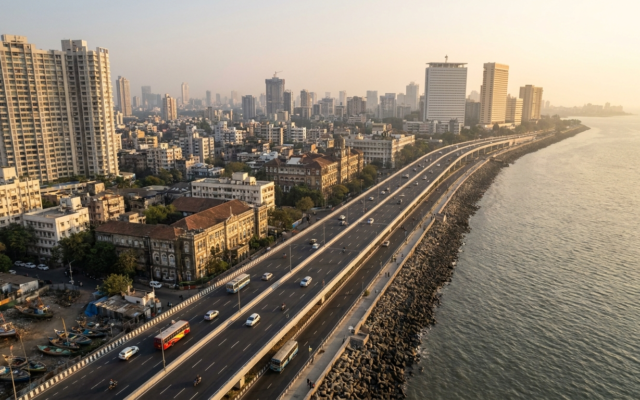
Mumbai, a city synonymous with relentless energy, towering skyscrapers, and the ceaseless hum of traffic, might seem an unlikely place for a quiet revolution to take root. Yet, beneath the vast expanse of its urban canopy, a vibrant green movement is blossoming. We’re talking about Mumbai’s rooftop farms – secret gardens that are transforming forgotten spaces into havens of fresh produce and community spirit.
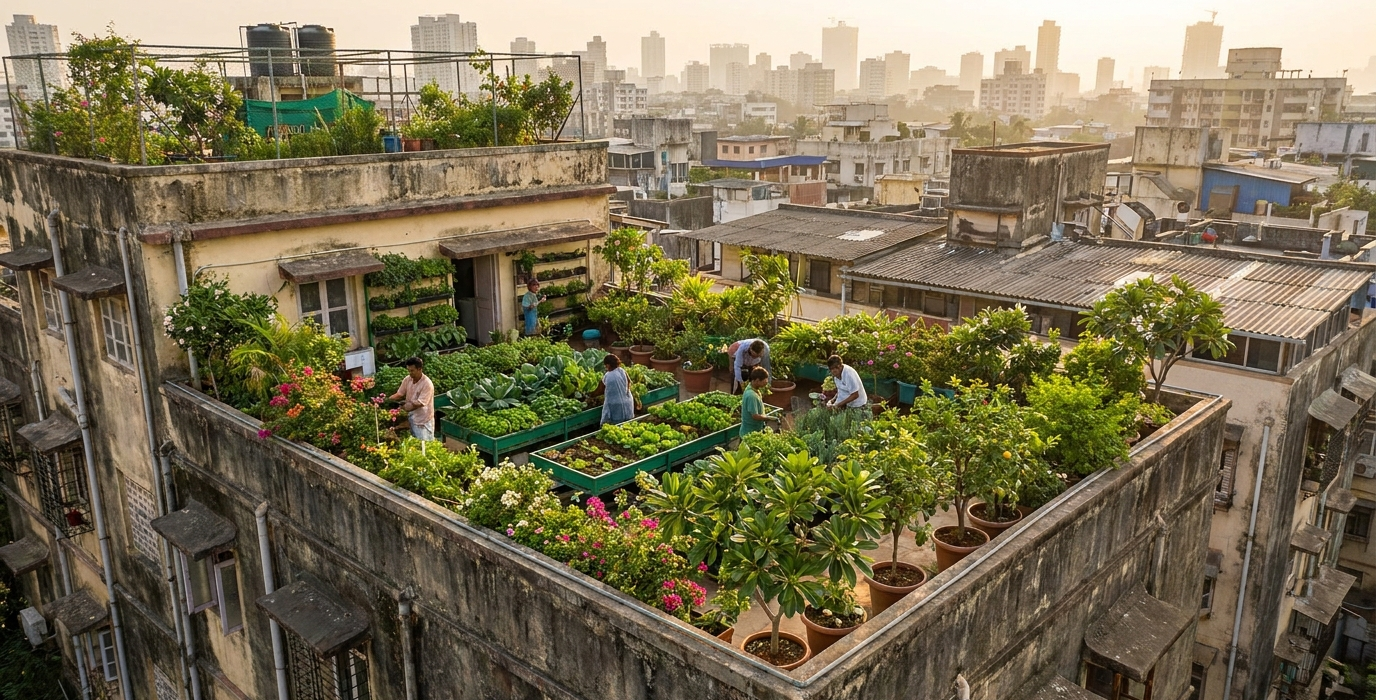
These aren’t your grandmother’s small kitchen gardens. We’re witnessing a sophisticated surge in urban agriculture, with dedicated individuals and groups cultivating everything from juicy tomatoes and crisp lettuce to fragrant herbs and even exotic fruits, all high above the bustling streets. It’s a testament to human ingenuity and a deep-seated desire for connection with nature, even in the heart of one of the world’s most densely populated metropolises.
For many Mumbaikars, the concept of growing their own food was once a distant memory, relegated to ancestral villages or the occasional potted basil on a windowsill. Now, with innovative techniques and a growing awareness of food security and sustainability, rooftops are becoming the new frontier. We’ll delve into the inspiring stories behind this transformation, exploring how these green spaces are not just feeding families but also fostering healthier communities and a more resilient city.
The challenges are significant, of course. Limited space, access to sunlight, water scarcity, and the sheer weight of soil on aging structures are just a few hurdles. But Mumbaikars are proving that with passion, perseverance, and a bit of know-how, even the most unlikely spaces can yield abundant harvests. Join us as we uncover the secret lives of Mumbai’s rooftop gardens.
From Barren Surfaces to Bountiful Harvests
Imagine stepping out onto a sun-drenched terrace in Bandra, the salty breeze carrying the scent of basil and mint, only to find rows of plump tomatoes and leafy greens thriving amidst the urban sprawl. This is the reality for many residents who have embraced rooftop farming. These once-barren concrete expanses are now alive with vibrant colours and the promise of fresh, healthy food.
The journey often begins with a simple desire: access to pesticide-free produce. Many urban dwellers, increasingly aware of the chemicals used in conventional farming, are seeking a more direct connection to their food. Rooftop farms offer this tangible control, allowing individuals to nurture their plants from seed to plate. It’s a deeply satisfying process, transforming a passive consumer into an active producer.
Technological advancements have played a crucial role. Hydroponics, aeroponics, and vertical gardening systems are allowing Mumbaikars to maximize their limited space. These methods often require less water and soil, making them ideal for urban environments. You’ll find intricate systems of pipes and nutrient solutions, a far cry from traditional soil-based agriculture, yet incredibly effective.
Beyond the practicalities, there’s an undeniable aesthetic appeal. These farms break the monotony of grey concrete, introducing pockets of lush greenery that beautify the cityscape. They also provide vital habitats for pollinators like bees and butterflies, which are increasingly scarce in urban areas. It’s a small but significant step towards restoring ecological balance within the city.
The Community Garden Effect: More Than Just Greens
While many rooftop gardens are private endeavors, a powerful trend towards community-led initiatives is also emerging. These shared spaces go beyond simply growing food; they cultivate connections and foster a sense of belonging. Imagine neighbours in a bustling housing society in Andheri coming together, not just to share gossip, but to tend to a communal vegetable patch.
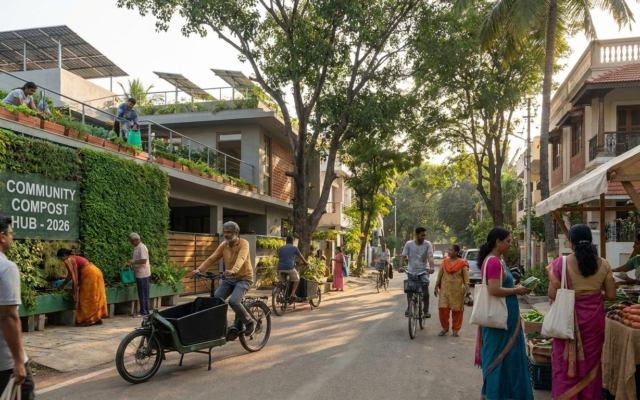
These community gardens often become vibrant social hubs. Workshops on composting, organic pest control, and seasonal planting are frequently organized, sharing valuable knowledge and skills. They provide a platform for intergenerational learning, with elders passing down traditional gardening wisdom to younger generations eager to reconnect with nature.
The benefits extend to the wider community as well. Surplus produce is often shared among residents or donated to local charities and food banks. This not only addresses food insecurity but also strengthens the social fabric of the neighbourhood. We’ve seen instances where these gardens have become focal points for local festivals and celebrations, further cementing community bonds.
A surprising aspect of these community efforts is the diversity of participants. It’s not just the ‘eco-conscious’ elite; we’re seeing homemakers, working professionals, students, and retirees all contributing their time and energy. This collective endeavour creates a powerful sense of shared purpose and accomplishment, proving that urban living doesn’t have to be isolating.
Did you know? Some community rooftop farms in Mumbai are now experimenting with rooftop beekeeping, creating their own local honey and contributing to crucial pollination efforts. It’s a fascinating example of how these green spaces can support entire mini-ecosystems.
Challenges and Innovations: Overcoming the Concrete Hurdles
Let’s be honest: rooftop farming in Mumbai isn’t without its challenges. The sheer density of the city means space is at a premium. Finding a rooftop that receives adequate sunlight throughout the day can be a significant hurdle, especially in densely packed urban canyons. Water scarcity is another perennial concern in a city prone to monsoon dependency.
Structural integrity is also a critical consideration. Building owners and residents need to ensure that the rooftops can safely support the weight of soil, containers, and the plants themselves, especially after watering. This often requires consultation with engineers and careful planning to avoid any structural damage.
Despite these obstacles, Mumbaikars are demonstrating incredible innovation. For water management, many are employing rainwater harvesting systems, collecting precious monsoon downpours to irrigate their crops throughout the drier months. Greywater recycling, where treated household water is reused for irrigation, is also gaining traction.
To combat space limitations, vertical gardening systems are a game-changer. These structures allow plants to grow upwards, maximizing yield in a small footprint. We’re seeing ingenious designs made from recycled materials, like old plastic bottles and PVC pipes, showcasing a commitment to sustainability at every level.
Even pest control has seen innovative, eco-friendly solutions. Instead of harmful pesticides, many farmers are opting for natural predators like ladybugs to control aphid infestations, or using neem oil and other organic sprays. It’s a holistic approach that prioritizes the health of both the plants and the urban environment.
The Economic and Health Payoffs: A Greener Bottom Line
The decision to cultivate a rooftop farm is often driven by a desire for healthier food, but the economic and health benefits are becoming increasingly apparent. For individuals and families, growing their own produce can lead to significant savings on grocery bills. Imagine the cost of fresh, organic vegetables in a Mumbai market – cultivating your own can drastically reduce this expenditure.
Beyond direct savings, there’s the undeniable boost to physical and mental well-being. Gardening is a form of gentle exercise, encouraging people to spend time outdoors and engage in physical activity. The act of nurturing plants, watching them grow, and harvesting the fruits of your labour can be incredibly therapeutic, reducing stress and improving overall mood.
For some, these rooftop ventures have even blossomed into small businesses. We’ve heard of individuals selling their surplus produce at local farmers’ markets or through direct delivery to neighbours and restaurants. These micro-enterprises not only provide an additional income stream but also contribute to a more localized and sustainable food economy.
The health implications are profound. By controlling the entire growing process, rooftop farmers ensure their produce is free from harmful pesticides and synthetic fertilizers. This leads to a more nutritious and safer food supply, particularly important for families with young children or individuals with health concerns. It’s a direct investment in personal and familial health.
A truly fascinating fact: Some rooftop farms in areas like Dharavi, a community often perceived through a lens of hardship, are using innovative vertical farming techniques to grow high-value crops like microgreens, which are then supplied to premium restaurants in South Mumbai, showcasing an unexpected economic symbiosis.
The Future of Urban Farming in Mumbai: Scaling Up the Green Dream
The momentum behind Mumbai’s rooftop revolution is undeniable. What started as a niche hobby is rapidly evolving into a significant urban agricultural movement. The question now is: can this green dream be scaled up to have a more widespread impact on the city?
There’s a growing recognition from urban planners and policymakers about the potential of urban agriculture. Initiatives that support rooftop farming, such as providing subsidies for setting up hydroponic systems or offering training programs, could accelerate its growth. Collaboration between private developers, housing societies, and agricultural experts will be key.
Imagine a Mumbai where every large apartment complex and corporate building has a designated rooftop farm, contributing to the local food supply and reducing the city’s reliance on long-distance transportation of produce. This would not only lead to fresher food but also significantly reduce the carbon footprint associated with food distribution.
The educational aspect also needs to be amplified. Integrating urban farming into school curricula could instill a sense of environmental stewardship and healthy eating habits in the next generation. Schools could have their own rooftop gardens, providing hands-on learning experiences.
Ultimately, the future of urban farming in Mumbai rests on continued innovation, community engagement, and supportive policy. It’s a vision of a greener, healthier, and more self-sufficient city, one rooftop at a time. The seeds of change have been sown; now, we must nurture their growth.