Key Takeaways
- Mumbai’s ambitious smart grid project is integrating advanced digital technology to enhance power reliability, efficiency, and sustainability.
- The upgrade promises significant benefits for consumers, including real-time consumption data, faster outage restoration, and a more stable electricity supply.
- Beyond the immediate impact on homes and businesses, the smart grid is a crucial enabler for the city’s future growth, supporting electric vehicles and renewable energy integration.
- While challenges remain in implementation and public adoption, the project signals a new era of technologically driven urban development for India.
The Dawn of a Smarter Power Landscape in Mumbai
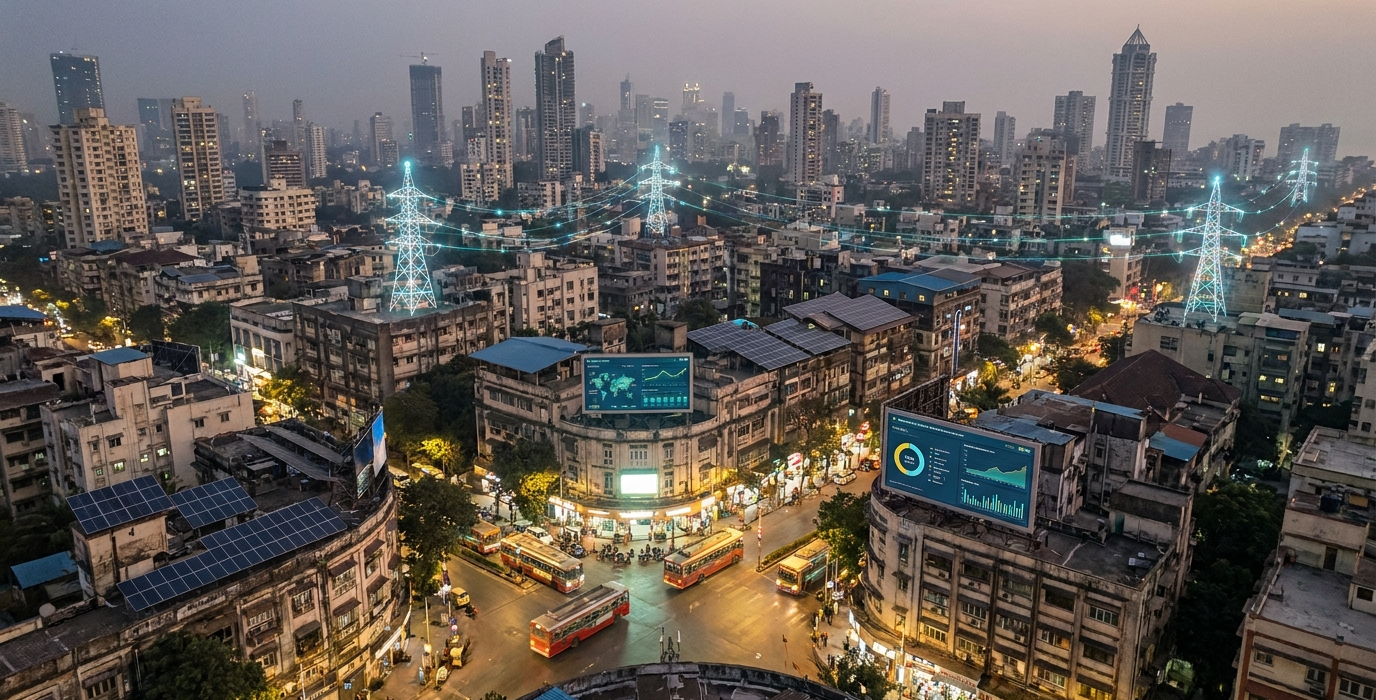
Mumbai, the city that never sleeps, is on the cusp of a revolution – one that’s happening not on its bustling streets or towering skyscrapers, but deep within its electrical veins. The ambitious Mumbai Smart Grid Project, spearheaded by Reliance Jio Infocomm Limited and supported by the Brihanmumbai Electric Supply and Transport (BEST) Undertaking, is rapidly transforming how the city consumes and manages its power. This isn’t just about keeping the lights on; it’s about building a resilient, efficient, and sustainable energy future for millions. Imagine a power network that talks to you, anticipates your needs, and even helps you save money. That’s the promise of this groundbreaking initiative, which is setting a benchmark for urban infrastructure development across India and beyond.
The core of this transformation lies in the integration of cutting-edge digital technologies. Advanced metering infrastructure (AMI) is replacing traditional meters, allowing for two-way communication between consumers and the utility. This means real-time data on electricity usage, empowering individuals and businesses to make informed decisions about their consumption patterns. Furthermore, the grid is being equipped with sophisticated sensors and automated control systems, enabling immediate detection and isolation of faults, drastically reducing the duration of power outages. This proactive approach is crucial for a city as dynamic and densely populated as Mumbai, where even brief disruptions can have cascading economic and social impacts. The project’s success hinges on seamless integration and robust data management, ensuring that every watt is accounted for and utilized optimally.
Unlocking Unprecedented Reliability and Efficiency
The most tangible benefit for Mumbai residents will undoubtedly be a dramatic improvement in power reliability. Power outages, a perennial concern in many Indian cities, are set to become a relic of the past. The smart grid’s ability to self-diagnose and reroute power in near real-time means that localized faults will no longer cause city-wide blackouts. This enhanced stability is not just about convenience; it’s about enabling businesses to operate without interruption, safeguarding sensitive equipment in hospitals and data centres, and ensuring that essential services function flawlessly, day in and day out. The reduction in energy loss during transmission and distribution, a significant factor in conventional grids, also translates into greater efficiency and potentially lower costs for consumers in the long run.
The implementation of smart meters is a game-changer for consumer engagement. For the first time, Mumbaikars will have access to granular data on their electricity consumption, often through user-friendly mobile applications. This transparency empowers consumers to identify energy-guzzling appliances, adjust their usage habits, and take advantage of off-peak pricing if such schemes are introduced. This shift from a passive consumer role to an active participant in energy management is a critical step towards a more sustainable future. Moreover, faster restoration times after inevitable incidents mean less downtime for businesses and a more consistent experience for households, contributing to a higher quality of life. The sheer scale of data generated will also allow the utility to optimize grid operations, predicting demand with greater accuracy and ensuring that power generation aligns perfectly with consumption needs, minimizing waste.
Empowering the Future: EVs and Renewable Energy Integration
Mumbai’s smart grid is not just about managing existing power demands; it’s about paving the way for a cleaner, greener future. The burgeoning electric vehicle (EV) revolution is a prime example. As more Mumbaikars embrace electric mobility, the smart grid will be essential for managing the increased load from charging stations. It will enable intelligent charging, allowing EVs to be charged during off-peak hours when demand is low and electricity prices are often more favourable, thereby preventing grid overload. This sophisticated management is crucial for the widespread adoption of EVs, a key component of India’s national climate goals.
Furthermore, the smart grid is the backbone for integrating renewable energy sources, such as solar power. As more residential and commercial buildings install rooftop solar panels, the grid needs to be capable of handling bidirectional power flow – electricity being drawn from the grid and also fed back into it. The smart grid’s advanced communication and control systems are perfectly suited for this dynamic environment. They can monitor and manage the intermittent nature of solar energy, ensuring grid stability while maximizing the utilization of clean power. This integration is vital for Mumbai to reduce its carbon footprint and contribute to India’s ambitious renewable energy targets, making the city a model for sustainable urban development. The ability to seamlessly incorporate distributed energy resources signifies a paradigm shift from a centralized, one-way power flow to a more decentralized and intelligent network.
Navigating the Challenges of a Digital Transformation
The journey to a fully functional smart grid is not without its hurdles. Implementing such a vast and complex technological overhaul in a densely populated metropolis like Mumbai presents significant logistical and operational challenges. Laying down the extensive fibre optic networks required for communication, deploying millions of smart meters, and integrating diverse legacy systems demand meticulous planning and execution. Ensuring cybersecurity is paramount; a compromised smart grid could have devastating consequences, making robust security protocols an absolute necessity. The sheer volume of data generated by millions of smart devices also requires substantial investment in data analytics platforms and skilled personnel to interpret and act upon this information effectively.
Public adoption and understanding are also critical factors. Many consumers may be unfamiliar with smart meters and the new functionalities they offer. Effective communication campaigns, educational programs, and user-friendly interfaces are essential to build trust and encourage active participation. Addressing concerns about data privacy and the potential for increased monitoring will be key to overcoming any resistance. The initial investment in smart grid technology is substantial, requiring significant capital expenditure from utilities and government bodies. However, the long-term benefits in terms of reduced operational costs, enhanced efficiency, and improved service delivery are expected to far outweigh these upfront investments, making it a prudent, albeit challenging, undertaking.
The Mumbai Smart Grid is more than just an upgrade; it’s a foundational pillar for a future-ready metropolis, enabling not only efficient power but also the seamless integration of emerging technologies like electric mobility and distributed renewable energy.
Advertisement300×250 / native
A Glimpse into the Future: Advanced Features and Consumer Benefits
Beyond the immediate improvements in reliability and efficiency, Mumbai’s smart grid is poised to unlock a host of advanced features that will redefine urban living. Imagine a system that can predict potential equipment failures before they occur, allowing for proactive maintenance and preventing costly downtime. This predictive maintenance capability, powered by sophisticated analytics and sensor data, will ensure an even higher level of service continuity. Furthermore, the grid’s intelligence will enable dynamic pricing mechanisms, where electricity costs fluctuate based on demand and supply. This could incentivize consumers to shift their energy usage to off-peak hours, leading to significant savings on their electricity bills and helping to balance the grid load.
For businesses, the benefits are equally profound. Real-time data on energy consumption allows for precise cost accounting and the identification of optimization opportunities, directly impacting the bottom line. The enhanced grid stability is also a boon for industries that rely on uninterrupted power, such as manufacturing, IT, and healthcare. The infrastructure being laid for the smart grid also has the potential to support other smart city initiatives, such as intelligent traffic management systems, public Wi-Fi networks, and integrated public safety services, creating a truly interconnected and responsive urban environment. The ability to integrate a vast array of sensors and devices will transform Mumbai into a living laboratory for urban innovation, with the smart grid acting as the central nervous system.
Surprising Facts You Might Not Know About Mumbai’s Smart Grid
While the overarching goals of the Mumbai Smart Grid project are widely discussed, a few lesser-known aspects highlight its innovative nature. Firstly, the project is leveraging an unprecedented scale of fibre optic deployment, not just for power grid communication, but also to significantly boost internet connectivity for millions of households and businesses across the city. This dual-purpose infrastructure development is a highly efficient way to upgrade urban digital backbone simultaneously. It’s estimated that the fibre network deployed for the smart grid can support up to 200 Gbps bandwidth, a substantial upgrade for many areas previously underserved.
Secondly, the smart grid implementation involves a unique approach to demand-side management by actively encouraging the use of smart appliances that can communicate with the grid. For example, smart air conditioners could automatically adjust their settings during peak demand periods, or electric water heaters could schedule their operation during off-peak hours, all without user intervention, based on grid signals. This level of automated, coordinated response from consumer devices is a sophisticated step towards achieving true grid balance and efficiency. It’s a testament to how deeply integrated technology is becoming in the fabric of urban life, aiming for a symbiotic relationship between the city’s infrastructure and its residents.
Frequently Asked Questions
What are the main benefits of the Mumbai Smart Grid for ordinary citizens?
You will experience significantly more reliable electricity with fewer power outages. You’ll also gain access to real-time data on your energy usage through apps, helping you understand and potentially reduce your consumption and costs. Faster restoration after any disruptions is another key benefit.
How will the smart grid impact the adoption of electric vehicles (EVs) in Mumbai?
The smart grid is crucial for managing the increased demand from EV charging. It enables intelligent charging, ensuring EVs can be charged during off-peak hours, thus preventing grid overload and supporting the widespread adoption of electric mobility for a cleaner city.
Is my personal electricity usage data secure with smart meters?
Protecting your data is a top priority. The smart grid employs robust cybersecurity measures to safeguard sensitive information. Utilities are committed to transparency and will clearly communicate how your data is used, with strong privacy controls in place.
Will the new smart grid technology lead to higher electricity bills?
While the initial investment is significant, the long-term goal of the smart grid is to improve efficiency and reduce operational costs. This can translate into more stable or even lower electricity prices for consumers over time, especially with dynamic pricing options that reward off-peak usage.
How will the smart grid integrate renewable energy sources like solar power?
The smart grid is designed to handle the complexities of renewable energy. Its advanced communication and control systems can manage the intermittent nature of solar power, allowing for seamless integration of rooftop solar and other distributed energy sources, ensuring grid stability while maximizing clean energy use.