Key Takeaways
- Indian youth are navigating unprecedented digital pressures impacting their mental well-being.
- Mindful technology use, including curated social media feeds and digital detoxes, is crucial.
- Strong offline connections and engagement in hobbies are powerful buffers against digital stress.
- Seeking professional help is destigmatized, with accessible online and offline resources available.
The Double-Edged Sword of Connectivity for India’s Youth
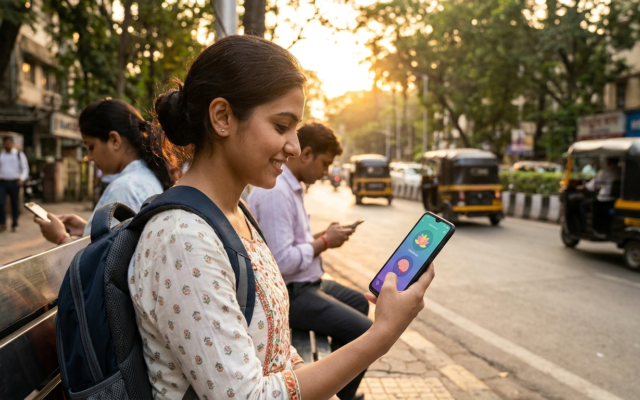
The vibrant energy of India’s youth is undeniably amplified by the digital revolution. From the bustling streets of Delhi to the serene backwaters of Kerala, smartphones are ubiquitous, offering gateways to information, connection, and entertainment. However, this constant connectivity, while empowering, also presents a complex set of challenges. We’re seeing a growing conversation around how this digital immersion affects the mental landscape of our young people.
The pressure to maintain an online persona, the relentless scroll of curated perfection, and the fear of missing out (FOMO) are creating a unique brand of stress. This isn’t just about screen time; it’s about the quality of that time and its impact on self-esteem, social comparison, and overall emotional health. As a nation with the world’s largest youth population, understanding and addressing these issues is paramount for our collective future.
This article delves into the specific pressures faced by Indian youth in the digital age and, more importantly, explores practical, actionable strategies for fostering mental resilience. We’ll look at how to harness the benefits of technology while mitigating its downsides, drawing on insights relevant to our diverse cultural fabric.
Navigating the Digital Minefield: Pressure Points for Young Indians
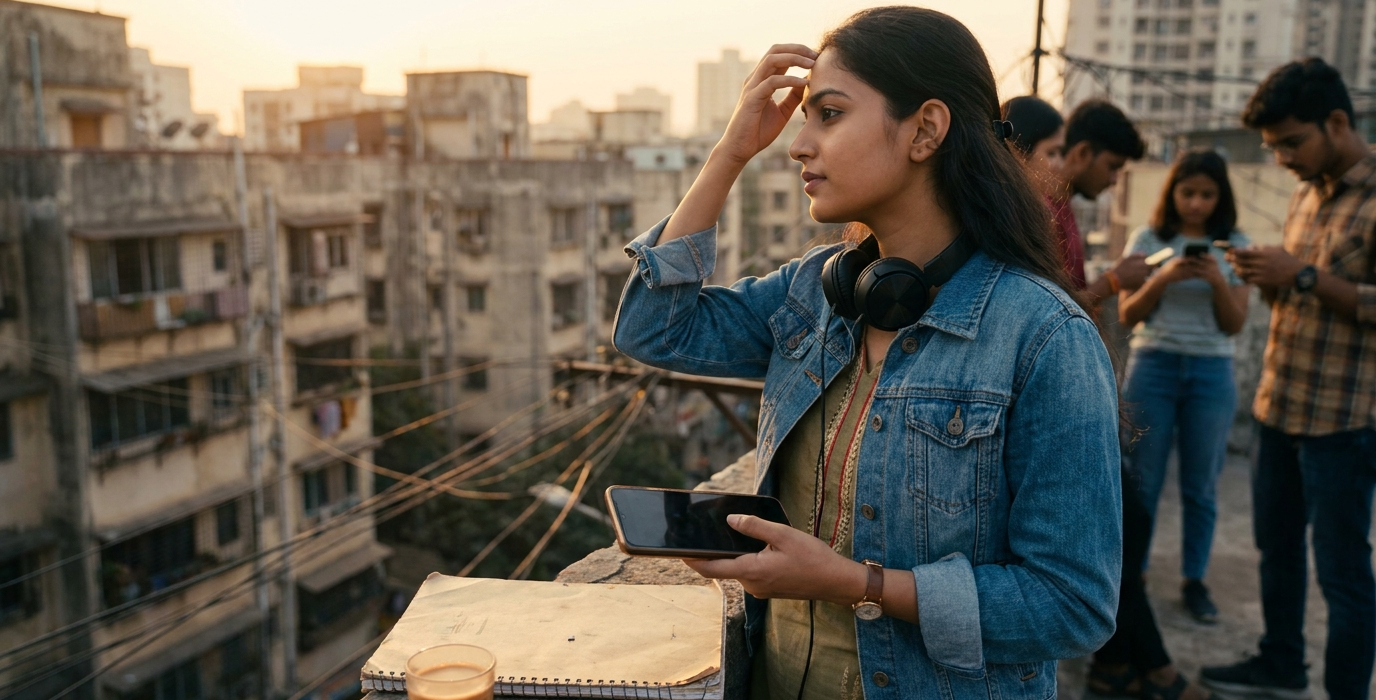
For young Indians today, the digital world is not just an add-on; it’s an integral part of their social, academic, and personal lives. Social media platforms like Instagram, X (formerly Twitter), and WhatsApp are primary channels for communication and validation. This constant exposure, however, can be a breeding ground for anxiety and low self-worth. The curated lives presented online often fuel feelings of inadequacy, leading to relentless social comparison.
The academic pressure cooker, a familiar reality for many Indian students, is further intensified by the digital sphere. Online study groups, constant access to information (and misinformation), and the pressure to excel in a globally competitive digital environment can be overwhelming. The line between study time and relaxation blurs when notifications constantly vie for attention. This can lead to burnout and a pervasive sense of not being good enough, irrespective of actual achievements.
Furthermore, the digital space can amplify existing social anxieties. For instance, the pressure to participate in trends or respond instantly to messages can induce significant stress. The fear of online shaming or cyberbullying, though a global phenomenon, carries unique cultural nuances in India, where family reputation and community standing are often deeply intertwined with individual actions. We must acknowledge these specific pressures to offer relevant solutions.
The Gaze of the Scroll
The endless scroll has become a defining feature of digital life. For young Indians, this often means a constant barrage of images and narratives that highlight perceived successes, perfect appearances, and exciting experiences. This can create an unrealistic benchmark against which they measure their own lives. The algorithms, designed to keep us engaged, inadvertently foster a perpetual state of discontent if not managed consciously.
This phenomenon is particularly concerning as it impacts developing self-identity. Young individuals are still forming their sense of self, making them more susceptible to external validation. When that validation is tied to likes, comments, and followers, it creates a fragile sense of worth. We are witnessing a generation that is hyper-aware of how they are perceived online, often at the expense of genuine self-acceptance. This is a critical area where we need to foster a healthier relationship with our digital tools.
Building Resilience: Practical Strategies for a Balanced Digital Life
The key to thriving in this digital age lies not in disconnecting entirely, but in cultivating a mindful and intentional relationship with technology. For young Indians, this means implementing practical strategies that create a healthier balance. One of the most effective approaches is to curate your digital environment. This involves unfollowing accounts that trigger negative emotions, actively seeking out content that inspires and educates, and setting clear boundaries around social media usage.
Establishing digital detox periods is also crucial. This could be as simple as designating screen-free times, such as during meals or an hour before bed, or implementing longer periods, like a “digital Sabbath” on Sundays. This allows the mind to rest, reduces sensory overload, and creates space for other important activities. It’s about reclaiming your time and attention from the endless demands of the digital world. We need to encourage these habits from an early age.
Another vital strategy is to prioritize offline interactions and activities. Engaging in hobbies, sports, spending time with friends and family in person, and participating in community events are powerful antidotes to digital isolation. These real-world connections provide a sense of belonging and validation that screens cannot replicate. We often see young people finding solace and joy in activities like cricket in the local park or attending classical music concerts, reminding us of the rich tapestry of experiences beyond the digital realm.
The Power of Presence
Being present in the moment, whether at a family gathering in Kochi or a study session in Pune, is a skill that needs deliberate practice in our hyper-connected world. This means putting the phone away and fully engaging with the people and activities around you. It’s about fostering deeper, more meaningful connections that build genuine emotional support systems. This intentionality can significantly buffer against the isolating effects of excessive digital use.
The Underrated Strength of Offline Engagement
While the digital world offers unparalleled connectivity, its limitations become apparent when we consider the depth of human interaction and personal growth. For young Indians, actively engaging in offline activities offers a crucial counterweight to the pressures of online life. Participating in community initiatives, such as volunteering at a local NGO in Jaipur or joining a debate club at university, fosters a sense of purpose and belonging that extends beyond virtual validation.
Physical activity is another cornerstone of mental well-being. Whether it’s joining a yoga class in Rishikesh, playing badminton with friends in Chennai, or simply taking a walk through the historical lanes of Kolkata, movement releases endorphins and reduces stress. These activities provide a tangible sense of accomplishment and improve physical health, which is inextricably linked to mental health. The camaraderie built on the sports field or in a shared activity can create lasting friendships and strong support networks.
Furthermore, pursuing creative outlets offline can be profoundly therapeutic. Learning to play a musical instrument, painting, writing poetry, or even cooking a new dish can provide a sense of flow and self-expression that is often missing in the more passive consumption of digital content. These activities allow for introspection and the development of unique skills, contributing to a more robust and resilient sense of self. We must champion these offline pursuits as essential components of a healthy, fulfilling life.
A Surprising Fact: The Rise of ‘Analog’ Hobbies
Interestingly, despite the digital surge, we’ve seen a significant resurgence in interest in “analog” hobbies among India’s youth. A recent survey indicated a 30% increase in enrollment for traditional crafts like pottery and block printing workshops in cities like Lucknow over the past year. This demonstrates a conscious desire to reconnect with tangible experiences and skills, offering a much-needed break from the ephemeral nature of the digital world.
Leveraging Technology Positively: Tools for Well-being
It’s a common misconception that technology is solely a source of mental strain. In reality, when used mindfully, it can be a powerful ally in our quest for well-being. Numerous apps and online platforms now offer guided meditations, mindfulness exercises, and mood-tracking tools. These resources, accessible from anywhere in India, provide convenient ways to incorporate stress-management techniques into daily routines. For instance, apps like Headspace and Calm are popular, but many Indian-developed platforms are also emerging.
Online communities focused on mental health can offer a sense of solidarity and shared experience, particularly for those who may feel isolated in their local communities. These platforms, when moderated effectively, can provide a safe space for young people to discuss their challenges, share coping strategies, and receive peer support. The anonymity they sometimes offer can embolden individuals to express themselves more freely than they might in person. This is a crucial avenue for those who find face-to-face support difficult.
Tele-counseling and online therapy services are also expanding rapidly, making professional mental health support more accessible. This is particularly beneficial for individuals in remote areas or those with mobility issues. We are seeing a growing number of qualified therapists offering their services virtually, breaking down geographical barriers. This digital infrastructure is a game-changer for mental healthcare accessibility across India.
A Surprising Fact: Digital Art Therapy’s Growth
A lesser-known but rapidly growing field is digital art therapy. Therapists are now using augmented reality (AR) and virtual reality (VR) tools to help young people express complex emotions and process trauma. Imagine a guided VR journey through a calming landscape to manage anxiety, or using AR filters to visualize and reframe negative thoughts. This innovative approach is showing promising results in engagement and therapeutic outcomes, particularly for adolescents in urban centers like Bengaluru and Mumbai.
Seeking Support: Destigmatizing Mental Health in India
The conversation around mental health in India has been evolving, and thankfully, the stigma associated with seeking help is gradually diminishing. For young people, reaching out is often the hardest step, but knowing that support is available and that it’s okay to not be okay is paramount. Universities across India are increasingly establishing counseling centers, offering free or subsidized services to students. These on-campus resources provide a familiar and accessible first point of contact.
Beyond institutional support, a growing number of NGOs and mental health organizations are working tirelessly to raise awareness and provide accessible services. Organizations like the National Institute of Mental Health and Neurosciences (NIMHANS) in Bengaluru play a pivotal role in research, treatment, and advocacy. Community-based initiatives, workshops, and helplines are crucial in reaching those who might not otherwise seek professional help. The growing presence of these support systems is a positive sign for the nation’s youth.
It’s important to remember that seeking help is a sign of strength, not weakness. Whether it’s talking to a trusted friend, family member, teacher, counselor, or utilizing a mental health helpline, every step taken towards well-being is significant. We encourage young individuals to explore the resources available to them and to prioritize their mental health with the same importance they give to their physical health.
“In a world that constantly demands our attention online, the greatest act of self-care is often to consciously reclaim our presence.”
Frequently Asked Questions
What are the biggest digital challenges for Indian youth?
The primary digital challenges include social comparison, fear of missing out (FOMO), online validation seeking, cyberbullying, and the blurring of boundaries between online and offline life, all of which can contribute to anxiety and low self-esteem.
How can young people reduce their screen time effectively?
Effective strategies include scheduling screen-free times, turning off non-essential notifications, unfollowing accounts that cause distress, setting daily time limits for apps, and replacing screen time with offline activities like hobbies or exercise.
Where can Indian youth find mental health support?
Support can be found through university counseling centers, NGOs and mental health organizations, tele-counseling services, online support groups, and trusted friends, family, or mentors. Helplines and crisis intervention services are also available.
Is it common for Indian youth to experience digital anxiety?
Yes, it is increasingly common. The constant connectivity, pressure to maintain an online presence, and exposure to idealized lives online can lead to significant digital anxiety among young people across India.
What are some positive uses of technology for mental well-being?
Positive uses include mindfulness and meditation apps, mood tracking tools, access to online therapy and counseling, supportive online communities, and educational resources that promote mental health awareness and coping strategies.