Key Takeaways
- India is seeing a surge in accessible digital mental health platforms, offering a lifeline for those struggling with modern anxieties.
- Mindfulness and meditation apps are evolving, integrating AI-driven personalisation and biofeedback for deeper engagement.
- The rise of community-based support groups, both online and offline, provides crucial peer connection, combating isolation.
- Understanding the nuances of cultural sensitivity in therapy is paramount for effective mental healthcare in diverse India.
The Digital Dawn of Mental Wellness in India
The relentless pace of modern life, amplified by the constant connectivity of the digital age, has placed an unprecedented strain on our mental well-being. In India, a nation known for its vibrant culture and deep-rooted traditions, the conversation around mental health is finally gaining the prominence it deserves. As we navigate 2026, we are witnessing a significant shift, with innovative therapies and accessible platforms emerging to support individuals grappling with stress, anxiety, and depression. Gone are the days when seeking help was shrouded in stigma; today, a growing number of Indians are proactively embracing mental wellness.
This evolution is largely driven by the proliferation of digital mental health solutions. From sophisticated AI-powered chatbots offering immediate support to comprehensive online therapy platforms connecting users with qualified professionals, technology is democratising access. Apps that were once simple meditation guides are now evolving, incorporating features like guided journaling, mood tracking with advanced analytics, and even biofeedback mechanisms that leverage your smartphone’s camera to monitor physiological responses. This integration of technology aims to make mental healthcare more personalised, engaging, and, importantly, more convenient for busy schedules. We’re no longer talking about a niche market; these tools are becoming integral to daily self-care routines across the country.
AI and Biofeedback: Personalising Your Path to Calm
Artificial intelligence is revolutionising how we approach mental well-being, moving beyond generic advice to offer truly personalised guidance. Imagine an app that doesn’t just suggest a meditation but tailors it based on your mood logs, sleep patterns, and even the current weather in your city. This is the reality of AI-driven mental health support in 2026. These intelligent systems can identify subtle patterns in your behaviour and emotional state, recommending interventions that are most likely to resonate with you at any given moment. It’s like having a personal wellness coach who understands your unique needs intimately.
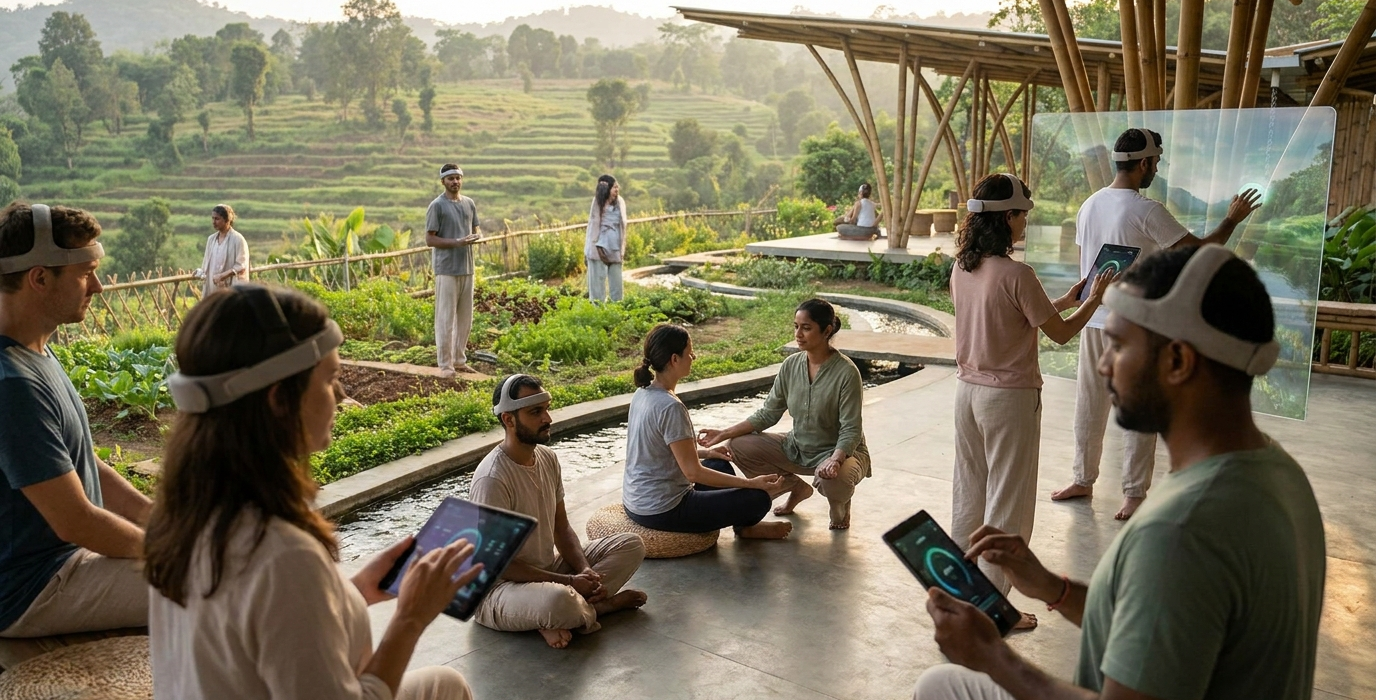
Beyond AI, biofeedback is emerging as a powerful tool for self-awareness and regulation. While the concept isn’t entirely new, its accessibility has dramatically increased. Many modern apps now allow you to use your smartphone’s camera to monitor your heart rate variability (HRV) – a key indicator of stress and recovery. By seeing your physiological responses in real-time as you practice mindfulness or breathing exercises, you gain a tangible understanding of what works for your body. This direct connection between your mind and body, facilitated by technology, empowers you to actively manage your stress levels. For instance, learning to consciously lower your heart rate during a stressful commute can be a game-changer.
The true power of these new therapies lies not just in their technological sophistication, but in their ability to foster a deeper, more authentic connection between individuals and their own well-being.
The Unseen Power of Community: Finding Solace Together
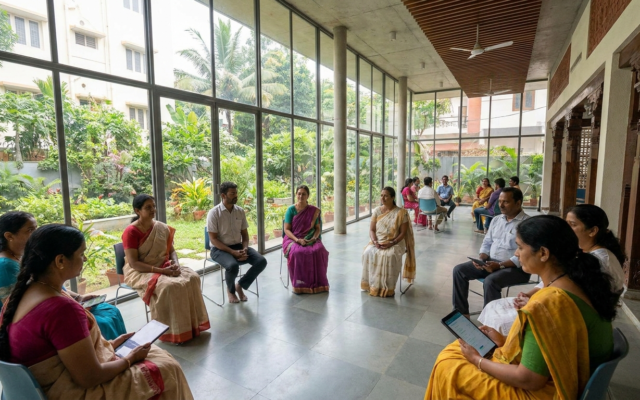
In a world that often feels increasingly disconnected, the power of human connection cannot be overstated, especially when it comes to mental health. While digital tools offer incredible convenience and accessibility, they are not a replacement for genuine human interaction. This is where community-based support groups are experiencing a powerful resurgence in 2026. Whether organised online through dedicated forums or meeting in person in cities like Bengaluru or Kolkata, these groups provide a safe space for individuals to share their experiences, offer mutual encouragement, and combat the pervasive feeling of isolation.
These communities are particularly vital for individuals dealing with specific challenges, such as new parents navigating postnatal depression, young professionals facing career burnout, or individuals managing chronic mental health conditions. The shared understanding and empathy found within these groups can be incredibly therapeutic. You are not alone in your struggles; there are others who have walked a similar path and can offer practical advice and emotional support. This sense of belonging is a fundamental human need, and its fulfillment can significantly bolster resilience and recovery. The informal nature of these groups, free from the formal structure of therapy sessions, often makes them more approachable for many.
Navigating Cultural Nuances: Therapy That Understands India
As mental health services expand across India, a critical aspect that demands our attention is cultural sensitivity. What works for one community might not be as effective for another, given the vast diversity of beliefs, family structures, and societal expectations across the country. Therapists and platforms that truly succeed in 2026 are those that actively incorporate an understanding of these nuances into their practice. This means acknowledging the role of family in decision-making, respecting traditional healing practices where appropriate, and communicating in a way that aligns with local cultural norms.
For example, a therapy approach that might be highly individualistic might not resonate as strongly in a more collectivistic society where community and family ties are paramount. Similarly, direct confrontation, a common technique in some Western therapies, might be perceived as disrespectful in certain Indian contexts. Instead, therapists are increasingly adopting more indirect communication styles, focusing on building rapport and understanding the individual within their broader social and familial ecosystem. This may involve incorporating elements of storytelling or drawing parallels from shared cultural narratives. Furthermore, the language barrier is being addressed with more therapists offering sessions in regional languages, making mental healthcare more accessible and relatable.
The Rise of Expressive Arts Therapy: Beyond Words
For many, articulating their deepest feelings and anxieties can be an overwhelming task, especially when words fail to capture the complexity of their emotional landscape. This is where expressive arts therapy is carving out a significant niche in 2026, offering a powerful alternative or complementary approach to traditional talk therapy. This modality utilises various art forms – such as painting, drawing, music, dance, or drama – as primary modes of communication and healing. The creative process itself becomes a therapeutic tool, allowing individuals to externalise their internal experiences in a safe and non-judgmental manner.
Imagine a young person struggling with trauma finding release and expression through abstract painting, or someone dealing with grief finding solace in composing a simple melody. These are not just artistic pursuits; they are deeply cathartic processes. By engaging in creative activities, individuals can bypass their intellectual defenses and tap into their subconscious emotions. The therapist’s role is not to judge the artistic merit but to help the client explore the meaning and emotions embedded within their creations. This can lead to profound insights and breakthroughs that might be difficult to achieve through verbal communication alone. This approach is particularly effective for children and adolescents who may not have the verbal skills to express complex emotions.
Mindful Movement and Nature Therapy: Reconnecting with the Physical Self
In our increasingly sedentary and screen-dominated lives, reconnecting with our physical selves and the natural world is proving to be a potent antidote to modern anxieties. In 2026, mindful movement practices and nature therapy are gaining significant traction, offering holistic approaches to mental well-being. These therapies recognise the intrinsic link between our physical health, our environment, and our mental state, encouraging us to move our bodies with intention and immerse ourselves in the restorative power of nature.
Mindful movement encompasses practices like yoga, Tai Chi, and even conscious walking. The emphasis is not on strenuous exercise but on paying attention to bodily sensations, breath, and the present moment. This practice helps to calm the nervous system, reduce muscle tension often associated with stress, and foster a greater sense of embodiment. For instance, a simple guided walk in a local park, focusing on the sights, sounds, and smells, can be a powerful form of therapy. Nature therapy, or ecotherapy, takes this a step further, advocating for spending time in natural settings to improve mood, reduce rumination, and boost overall mental health. Whether it’s a weekend trip to the Western Ghats or simply tending to a balcony garden in a bustling city like Delhi, the benefits of engaging with nature are becoming increasingly clear and scientifically supported. These practices offer a tangible way to ground yourself when feelings of overwhelm arise.
Frequently Asked Questions
What is the most significant trend in Indian mental health in 2026?
The most significant trend is the increasing accessibility and integration of digital mental health platforms, combined with a growing emphasis on culturally sensitive therapy. This is making support more readily available and relevant to a wider population.
Are AI-powered mental health apps effective for everyone?
AI-powered apps can be highly effective for initial support, mood tracking, and guided exercises. However, they are best used as a supplement to, not a replacement for, professional human therapy for complex or severe mental health conditions.
How can I find a culturally sensitive therapist in India?
Look for therapists who explicitly mention cultural competence in their profiles. Ask potential therapists about their experience working with diverse populations and how they adapt their approach to cultural nuances. Many online platforms now allow you to filter therapists by language and cultural background.
Is expressive arts therapy only for artists?
Absolutely not. Expressive arts therapy is for anyone who wants to explore their emotions through creative means, regardless of their artistic skill. The focus is on the process of creation and self-discovery, not the final product.
What are the benefits of nature therapy for urban dwellers?
For urban dwellers, nature therapy offers a vital escape from the concrete jungle, reducing stress, improving focus, and fostering a sense of calm. Even small doses of nature, like visiting a park or tending to indoor plants, can have significant positive impacts on mental well-being.