Key Takeaways
- The next few years promise a significant shift in Bollywood’s landscape, with a new generation of talent poised to take the reins.
- Beyond star kids, independent cinema and regional influences are creating a more diverse and dynamic future for Hindi films.
- Technological advancements and evolving audience preferences are pushing filmmakers to innovate in storytelling and production.
- Expect a blend of fresh faces, established actors embracing new roles, and a greater emphasis on performance-driven narratives.
The Dynasty Continues, But With New Blood
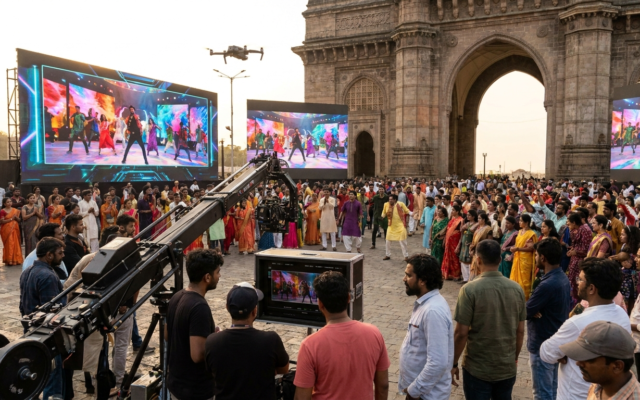
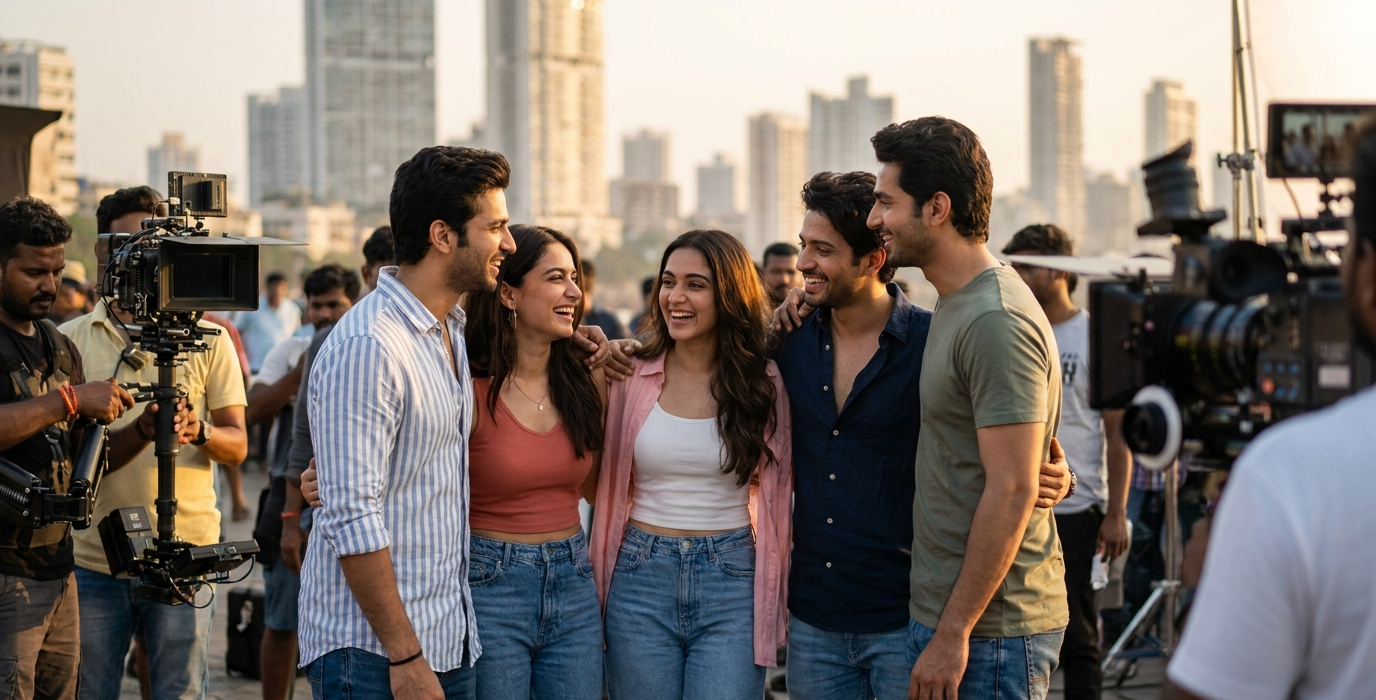
The year 2027 is shaping up to be a pivotal moment for Hindi cinema. While the legacies of the Khans and Kapoors continue to cast a long shadow, the spotlight is increasingly shifting towards a new cadre of actors and directors who are redefining what it means to be a Bollywood star. We’re not just talking about the progeny of famous families, though they certainly play a role. This upcoming generation is characterized by a hunger for diverse roles, a willingness to experiment, and a deep understanding of the evolving Indian audience, both domestically and in global markets. They are the children of the digital age, often with international exposure and a nuanced perspective on storytelling.
This isn’t to say the old guard is disappearing. Many established actors are themselves reinventing their careers, choosing more character-driven roles and embracing challenging scripts that were once the domain of independent cinema. However, the sheer energy and fresh appeal of the newcomers are undeniable. They are bringing a different kind of charisma, one that is less about manufactured stardom and more about authentic connection. This is a generation that has grown up with social media, making them more accessible and relatable to their fans. Their social media presence often extends their narrative beyond the silver screen, creating a sustained engagement that traditional marketing campaigns could only dream of.
Beyond the Nepo Kids: The Rise of the Outsiders
While the term “nepo kid” (children of industry insiders) is often debated, it’s crucial to acknowledge that talent can emerge from anywhere. The year 2027 will see a significant number of actors and filmmakers who have no direct lineage to Bollywood’s established families, yet are making a powerful impact. These are individuals who have honed their craft in theatre, regional cinema, or through rigorous acting workshops. Their journeys are often marked by sheer grit and a relentless pursuit of their dreams, making their eventual success all the more compelling. We’re seeing a conscious effort from production houses to scout fresh talent from across India, recognizing that diverse backgrounds bring unique perspectives.
Think about the explosion of talent from Punjab, the burgeoning film industries in the South, and the vibrant independent film scene that has been flourishing for years. These influences are now seeping into mainstream Bollywood, bringing new voices, stories, and aesthetics. The actors emerging from these spaces often possess a raw authenticity that resonates deeply with audiences tired of formulaic narratives. They are not afraid to take risks, and their performances often carry a palpable sense of lived experience. This infusion of diverse talent is precisely what Bollywood needs to stay relevant and exciting in the coming years. It’s a testament to the fact that genuine talent, regardless of background, will eventually find its way to the forefront.
The Digital Native Directors: Storytelling Reimagined
The directors helming Bollywood’s biggest releases in 2027 are a far cry from their predecessors. Many are digital natives, having grown up with the internet, streaming services, and a globalised media landscape. This has given them a distinct advantage in understanding audience expectations and a broader palette of cinematic influences. They are less tied to traditional Bollywood tropes and more inclined to experiment with genre-bending narratives, innovative visual styles, and non-linear storytelling. Their approach often blends commercial sensibilities with artistic integrity, a balance that is proving to be incredibly successful.
These directors are not afraid to tackle complex social issues, explore nuanced human relationships, or push the boundaries of visual effects and sound design. They leverage technology not just for spectacle, but to enhance the storytelling itself. Think about the immersive experiences they are crafting, pulling audiences into the narrative in ways that were previously unimaginable. Furthermore, their familiarity with streaming platforms means they understand the power of binge-watching and episodic storytelling, even within the confines of a feature film. This has led to tighter pacing, more compelling character arcs, and a greater emphasis on cliffhangers and plot twists that keep viewers hooked. We are witnessing a generation of filmmakers who are truly masters of their craft, adept at navigating the complexities of modern cinema.
The Influence of OTT and Global Cinema
The rise of Over-The-Top (OTT) platforms has been a game-changer for Indian cinema. It has provided a breeding ground for new talent, both in front of and behind the camera, and has exposed audiences to a wider range of stories. Directors who cut their teeth on web series are now bringing their fresh perspectives to the big screen, often with a more global outlook. They are influenced by international cinema, Korean thrillers, and acclaimed European art-house films, weaving these elements into the fabric of Bollywood. This cross-pollination of ideas is leading to more sophisticated and diverse cinematic offerings.
This exposure to global cinema has also made Indian audiences more discerning. They are no longer content with predictable plots and formulaic execution. They demand originality, strong performances, and thought-provoking narratives. The directors of 2027 are keenly aware of this, and they are responding by pushing creative boundaries and embracing a more international standard of filmmaking. This is not about abandoning Indian roots, but about enriching them with global influences to create something truly unique and universally appealing. It’s a testament to how interconnected the world of cinema has become.
The Shifting Sands of Stardom: Performance Over Persona
The era of the larger-than-life, almost untouchable superstar is gradually giving way to a new definition of stardom in 2027. While charisma and screen presence remain vital, the emphasis is increasingly shifting towards authentic performances and compelling character portrayals. Audiences are looking for actors who can embody their roles with depth and nuance, rather than simply relying on their established persona. This is a welcome change that rewards genuine talent and hard work. It means that actors who might not fit the conventional “hero” mould are finding greater opportunities.
We’re seeing a rise in actors who are willing to shed their inhibitions, take on challenging physical transformations, and delve into the psychological complexities of their characters. This demand for authenticity is also being fueled by the success of films that prioritize strong acting ensembles over single, dominant stars. Production houses are investing in scripts that offer substantial roles for a wider range of actors, fostering a more collaborative and performance-driven environment. This evolution is creating a more robust and sustainable film industry, where talent is truly recognized and rewarded.
“The audience today is more aware, more informed, and frankly, more demanding. They’re looking for stories that resonate, characters they can connect with, and performances that feel real. This is a golden age for actors who are willing to push themselves.” – Renowned Film Critic, Anjali Sharma, reflecting on the 2026 film festival circuit.
This shift means that actors who were once relegated to supporting roles are now being considered for leading parts, provided they can deliver a captivating performance. It’s a win-win situation: actors get more diverse opportunities, and audiences get to witness a richer tapestry of cinematic experiences. The industry is becoming more meritocratic, where the quality of work speaks louder than pre-existing fame. This is undoubtedly a positive development for the future of Indian cinema.
The Unforeseen Impact: Technology and Audience Habits
The technological landscape is in constant flux, and by 2027, its impact on Bollywood will be even more profound. From AI-assisted scriptwriting and advanced CGI to immersive viewing experiences like holographic projections (still nascent but developing), the tools available to filmmakers are becoming incredibly sophisticated. This allows for greater creative freedom and the potential to bring even the most fantastical stories to life with unprecedented realism. The challenges lie in ensuring that technology serves the story, rather than overwhelming it.
We are also seeing a significant evolution in audience consumption habits. While theatrical releases remain important, the dominance of streaming platforms and the rise of short-form content mean that attention spans are changing. Filmmakers are adapting by creating more engaging, fast-paced narratives that grab viewers from the outset. Interactive storytelling elements, where audiences can make choices that influence the plot, are also being explored, though their mainstream adoption is still a few years away. The key for Bollywood in 2027 is to balance technological innovation with compelling human stories that resonate across diverse platforms.
Surprising Fact 1: The AI Screenwriter Experiment
One of the most surprising developments to watch is the increasing integration of AI in the pre-production phase. By 2026, several production houses in Mumbai have quietly experimented with AI-powered tools to generate script outlines, suggest plot twists, and even develop character dialogues. While AI is far from replacing human creativity, it’s proving to be an invaluable assistant in overcoming writer’s block and exploring unconventional narrative avenues. Some early reports suggest that certain AI-generated plot points have been incorporated into scripts for upcoming mid-budget productions.
Surprising Fact 2: The Rise of “Hyper-Local” Storytelling
While Bollywood has always drawn inspiration from Indian culture, the trend in 2027 is a move towards hyper-local storytelling. This means films that deeply explore the nuances of specific cities, towns, or even neighborhoods, capturing their unique dialects, customs, and social dynamics with an accuracy that was rarely seen before. Think of films focusing on the intricate lives of fisherfolk in Kerala, the bustling street food scene of Old Delhi, or the quiet resilience of artisans in Rajasthan. This trend is being driven by a desire for authenticity and a recognition that audiences are increasingly interested in stories that reflect their immediate realities, not just grand, universal themes.
The Global Stage: Bollywood’s Expanding Footprint
Bollywood’s ambition in 2027 extends far beyond its traditional markets. The industry is actively seeking to capture a larger share of the global entertainment pie, not just in diaspora communities but among mainstream international audiences. This involves a multi-pronged approach: collaborating with international filmmakers and actors, producing films in multiple languages, and adapting stories to resonate with diverse cultural sensibilities. The success of films like “RRR” and “The Archies” has demonstrated the potential for Indian content to achieve global acclaim when executed with vision and quality.
We’re seeing a growing number of Indian directors and actors being invited to international film festivals and industry events, not just as guests, but as significant contributors. Production houses are actively scouting for global talent and exploring co-production opportunities with Hollywood, European studios, and emerging film industries in Asia and Africa. This internationalisation is not just about reaching new audiences; it’s also about elevating the production quality and storytelling techniques to meet global standards. The aim is to create films that are distinctly Indian in their soul but universally appealing in their execution.
| Aspect | Traditional Bollywood (Pre-2020s) | Bollywood 2027 & Beyond |
|---|---|---|
| Star System | Dominated by a few mega-stars, often with limited role diversity. | Emergence of diverse talent, emphasis on performance over established persona, rise of ensemble casts. |
| Storytelling | Formulaic romantic musicals, action dramas, often reliant on song and dance. | Genre-bending narratives, diverse themes (social issues, slice-of-life), influence of international cinema and OTT. |
| Audience Reach | Primarily India and diaspora. | Global mainstream audiences, driven by streaming and cross-cultural appeal. |
| Technological Integration | Limited, focused on basic CGI and editing. | Advanced CGI, AI in script development, immersive viewing experiences explored. |
| Talent Pool | Heavily reliant on industry families; limited opportunities for outsiders. | Inclusion of talent from regional cinema, theatre, and independent film; conscious scouting for fresh faces. |
Frequently Asked Questions
What are the biggest upcoming trends in Bollywood for 2027?
We’re expecting a significant shift towards performance-driven cinema, with a greater emphasis on diverse storytelling and international collaborations. Technology will play a more integrated role in production, while hyper-local narratives will gain traction.
Will the children of famous actors still dominate Bollywood?
While star kids will continue to have a presence, their success will increasingly depend on their talent and ability to deliver strong performances. The industry is actively looking beyond lineage to discover fresh, raw talent.
How is technology changing filmmaking in India?
Technology, including AI and advanced CGI, is enabling filmmakers to explore more complex visual effects and innovative storytelling techniques. Audience consumption habits are also being shaped by digital platforms, leading to more engaging and fast-paced narratives.
Are Bollywood films becoming more like Hollywood productions?
Bollywood is embracing global filmmaking standards in terms of production quality and storytelling ambition. However, the aim is to retain its unique Indian flavour and cultural identity, creating a fusion that appeals to a worldwide audience.