Key Takeaways
- The 2000-2010 decade was a transformative period for Bollywood, marked by a shift towards more globalised narratives and star power.
- This era saw the rise of the “new millennium superstar,” blending commercial appeal with a more nuanced acting style.
- We explore how films from this decade continue to influence Indian cinema today, from song-and-dance sequences to storytelling.
- Discover surprising facts about the production and impact of some of Bollywood’s most enduring hits.
The Dawn of a New Millennium: Bollywood’s Shifting Sands
The decade between 2000 and 2010 represents a pivotal turning point for Hindi cinema, often hailed as Bollywood’s “golden decade.” It was a period where the industry truly began to shed its purely domestic image and embrace a more global sensibility. We saw a significant evolution in storytelling, with filmmakers daring to explore more complex themes and characters. This shift was mirrored in the rise of a new generation of stars who resonated with audiences both in India and across the diaspora. They weren’t just performers; they were cultural ambassadors, their films becoming touchstones for a generation. This was the era that laid the groundwork for the blockbuster successes and international acclaim Bollywood enjoys today.
The transition wasn’t just about storytelling; it was also about presentation. Production values soared, with grander sets, more exotic locations, and slicker cinematography becoming the norm. Music, always a cornerstone of Bollywood, continued to evolve, incorporating a wider range of influences from hip-hop to Sufi rock, creating chart-toppers that defined the era. We began to see a conscious effort to cater to international markets, with films often featuring bilingual dialogues and themes that could transcend cultural barriers. This outward gaze, coupled with an unwavering commitment to the core Indian entertainment ethos, proved to be a winning formula, setting the stage for the industry’s future growth.
The Rise of the New Millennium Superstar
This decade saw the emergence and consolidation of a new breed of Bollywood superstars. Actors like Shah Rukh Khan, who had already made his mark, reached new heights of global stardom. Simultaneously, a fresh wave of talent, including Aamir Khan (whose 2000s filmography is particularly strong), Hrithik Roshan, and later Ranbir Kapoor, captured the imagination of the audience. These stars brought a different kind of charisma to the screen, often blending mass appeal with a more refined, nuanced performance style. They could effortlessly switch between the larger-than-life hero and the relatable everyday man.
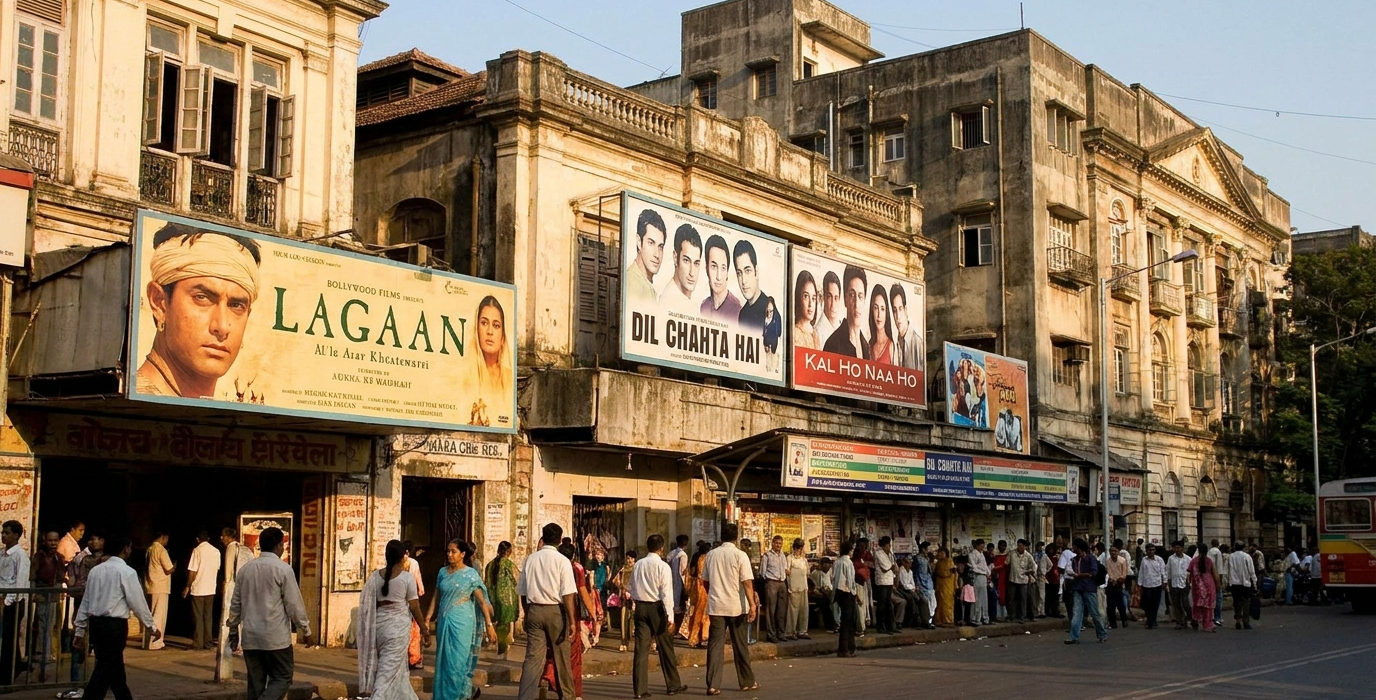
Their appeal extended beyond mere good looks. Many of these actors were also lauded for their dedication to their craft, often undergoing rigorous training for their roles. Hrithik Roshan’s debut in “Kaho Naa… Pyaar Hai” (2000) is a prime example of this, showcasing his incredible dancing skills and screen presence. Aamir Khan, with his selective but impactful film choices like “Lagaan” (2001) and “Rang De Basanti” (2006), proved that commercial success could coexist with critical acclaim and social relevance. This era defined a new standard for stardom, one that valued both performance and panache.
Global Appeal and Evolving Narratives
One of the defining characteristics of Bollywood films from 2000-2010 was their increasing global appeal. Directors and producers actively sought to create stories that resonated with international audiences, while still retaining their Indian roots. This led to a fascinating blend of commercial entertainment and more sophisticated storytelling. We saw films exploring themes of identity, migration, and cross-cultural relationships with a new maturity. Think of films like “Kabhi Khushi Kabhie Gham…” (2001), which, despite its grand scale, delved into complex family dynamics that struck a chord worldwide.
The influence of Hollywood was undeniable, but Bollywood didn’t simply imitate. Instead, it integrated new filmmaking techniques and narrative structures into its unique musical and emotional framework. “Swades” (2004), starring Shah Rukh Khan, tackled themes of rural development and national pride with a grounded realism rarely seen in mainstream cinema before. It demonstrated that Bollywood could engage with serious social issues without sacrificing its entertainment quotient. This decade truly solidified Bollywood’s position as a major player on the global entertainment stage, proving that Indian stories could captivate audiences everywhere.
The Musical Revolution: Chart-Topping Anthems
Music has always been the soul of Bollywood, and the 2000-2010 decade was no exception; in fact, it was a golden age for its musical landscape. Composers like Shankar-Ehsaan-Loy, Pritam, and Vishal-Shekhar rose to prominence, delivering soundtracks that dominated charts and became ingrained in the public consciousness. The music evolved, embracing a wider spectrum of genres. We heard the infectious beats of hip-hop in “Munna Bhai M.B.B.S.” (2003), the soulful melodies of Sufi-inspired tracks in “Rock On!!” (2008), and the sheer exuberance of romantic anthems in films like “Jab We Met” (2007).
These songs weren’t just fillers; they were integral to the narrative, often driving the plot or expressing characters’ deepest emotions. The choreography also saw an upgrade, with more contemporary and visually stunning dance sequences becoming a hallmark. The distinct flavour of Indian fusion music, blending traditional instruments with modern electronic beats, became a global trend. For many, the music of this era is inextricably linked to cherished memories, marking significant moments in their lives. The impact of these soundtracks continues to be felt, with many of these songs still being celebrated and remixed today.
Iconic Films That Defined the Era
The 2000s gifted us a plethora of films that have etched themselves into the annals of Indian cinema. Beyond the superstar-driven blockbusters, this decade also showcased the power of innovative storytelling and impactful narratives. Consider “Dil Chahta Hai” (2001), which redefined urban friendships and youth culture with its progressive themes and stylish execution. It was a film that spoke to a new generation of Indians, reflecting their aspirations and dilemmas. Then there’s “Chak De! India” (2007), a sports drama that transcended the genre to become a powerful anthem of national pride and women’s empowerment.
Another significant film is “3 Idiots” (2009), which, in addition to its massive commercial success, sparked conversations about the Indian education system. Its witty dialogue, relatable characters, and poignant message resonated deeply with audiences of all ages. These films, among many others, demonstrate the creative vitality of Bollywood during this period. They were not just movies; they were cultural phenomena that influenced fashion, dialogue, and even societal attitudes, leaving an indelible mark on the Indian subcontinent and beyond.
A Surprising Look at Production and Impact
The making of some of the decade’s biggest hits often involved fascinating behind-the-scenes stories. Did you know that the iconic “Chak De! India” was inspired by the Indian women’s national hockey team’s victory at the 2002 Commonwealth Games? The film’s screenwriter, Jaideep Sahni, spent months researching and interviewing players to capture the authentic spirit of the team. Furthermore, the famous “Jai Ho” song from “Slumdog Millionaire” (2008), which won an Academy Award for Best Original Song, was originally composed by A.R. Rahman for a different, unreleased film project.
The impact of these films extended far beyond box office numbers. “Lagaan” (2001), for instance, was nominated for an Oscar for Best Foreign Language Film, a significant achievement that brought global attention to Indian cinema. This film, set in a fictional village in 1893, brilliantly wove themes of colonialism, community, and resilience into a compelling cricket match narrative. The success of such films during this period demonstrated a growing confidence in Indian storytelling and production capabilities, paving the way for the industry’s continued global expansion and recognition.
Frequently Asked Questions
What were the biggest blockbuster movies of the 2000-2010 decade in Bollywood?
Some of the biggest blockbusters include “Kabhi Khushi Kabhie Gham…” (2001), “Kal Ho Naa Ho” (2003), “Veer-Zaara” (2004), “Dhoom 2” (2006), “Om Shanti Om” (2007), and “3 Idiots” (2009). These films not only achieved massive commercial success but also left a lasting cultural impact.
How did Bollywood music change during this period?
The music evolved significantly, incorporating a wider range of genres like hip-hop, electronic dance music, and fusion. Composers experimented with new sounds, and songs became more integral to the narrative, often featuring elaborate choreography. The era produced numerous chart-topping hits that remain popular today.
Were there any specific trends in Bollywood storytelling during the 2000s?
Yes, there was a noticeable trend towards more globalised narratives, exploring themes of diaspora, cross-cultural relationships, and modern urban life. Films also began to tackle social issues with more depth and nuance, often blending them with entertainment. The rise of the “new Bollywood” saw a focus on aspirational stories and strong character development.
Which actors rose to superstardom in Bollywood between 2000 and 2010?
While established stars like Shah Rukh Khan continued to dominate, this decade saw the firm establishment of new superstars such as Hrithik Roshan, Aamir Khan (with his highly acclaimed films), and Abhishek Bachchan. Later in the decade, actors like Ranbir Kapoor began their ascent, signalling the next generation of leading men.
What made the films of this decade so memorable for audiences?
The combination of compelling stories, charismatic performances, unforgettable music, and high production values made these films stand out. Many of them offered relatable characters facing universal dilemmas, while also providing grand entertainment. The decade successfully balanced commercial appeal with artistic expression, creating a rich legacy of cinema.