Key Takeaways
- Understand the critical “golden hour” between 9:30 AM and 10:30 AM IST for significant early market movements.
- Leverage the post-lunch rally from 1:00 PM to 2:30 PM IST, often driven by European market openings.
- Be aware of the closing bell rush from 2:30 PM to 3:30 PM IST, where institutional traders can cause sharp swings.
- Consider the impact of global market cues and how they align with Indian trading sessions.
- Patience and strategic timing are key; avoid impulsive trades during volatile periods.
The Opening Bell Frenzy: Seizing the First Hour
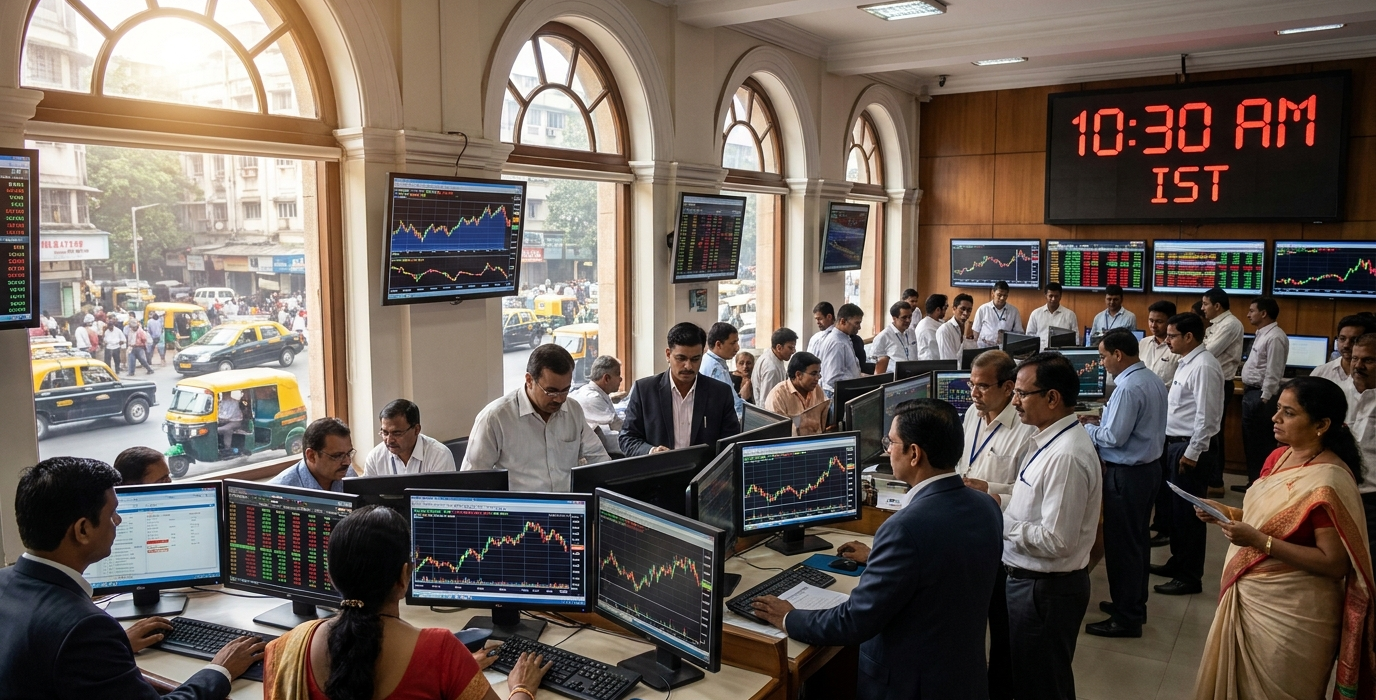
The Indian stock market, primarily driven by the National Stock Exchange (NSE) and the Bombay Stock Exchange (BSE), awakens with a palpable energy each trading day. For astute investors and traders, the first hour, from 9:15 AM to 10:15 AM IST, is often a period of intense activity and opportunity. This is when global overnight news, corporate announcements, and the initial sentiment of the day coalesce into significant price discovery. You’ll see volumes surge as participants react to these factors, making it crucial to have your strategy prepared before the market even opens.
This initial hour is particularly interesting because it reflects the immediate reaction to overnight developments. A positive earnings report from a major Indian conglomerate, or even significant news from a global market like the US or Europe, can trigger strong buying or selling pressure right from the start. For instance, a surprise interest rate hike in the US could lead to an immediate sell-off in Indian equities as foreign institutional investors (FIIs) rebalance their portfolios. Conversely, positive economic data from India released before the opening could fuel a robust upward trend.
Traders often focus on the “opening range breakout” strategy during this time. This involves observing the price action in the first 15-30 minutes and placing trades when the price decisively moves above or below this initial range. The assumption is that the initial price discovery sets the tone for the day. However, this is also a period of high volatility, meaning stop-losses are essential. A surprising fact is that this opening hour typically accounts for 15-20% of the day’s total trading volume on average, highlighting its importance. For those in cities like Mumbai or Delhi, observing this early surge can be like watching the city’s pulse quicken.
The Mid-Morning Lull and the European Influence
Following the initial burst, the market often enters a slightly more subdued phase between 10:15 AM and 1:00 PM IST. While volume might decrease compared to the opening hour, this period is far from uneventful. It’s a time for consolidation, where the market digests the initial moves and traders assess the sustainability of the early trends. Many institutional investors, having placed their initial orders, might step back to observe.
This mid-morning period can also be influenced by the opening of European stock markets, typically around 1:00 PM IST onwards. As markets in London, Frankfurt, and Paris come online, their sentiment can start to spill over into Indian trading. If European indices are opening strong, it can provide a boost to Indian equities, especially for companies with significant international exposure. Conversely, a weak opening in Europe might dampen sentiment.
This is a good time to refine your existing positions or look for less crowded opportunities. For instance, smaller-cap stocks or sectors that are not directly correlated with global news might exhibit steadier movements. It’s also a phase where technical analysts often look for chart patterns to form, providing clues for potential afternoon moves. A lesser-known fact is that while the opening hour is volatile, the mid-morning session can sometimes present “quieter liquidity pools,” making it easier to enter or exit positions in less liquid stocks without significantly impacting prices, if done cautiously.
The Post-Lunch Rally: A European and Domestic Mix
The period from 1:00 PM to 2:30 PM IST is frequently termed the “post-lunch rally” and is a significant window for traders, particularly those who monitor international markets. As European markets gain momentum and their trading desks become fully active, their influence on Indian indices becomes more pronounced. This often translates into renewed buying or selling pressure, creating a dynamic trading environment.
This phase is characterized by a re-evaluation of positions based on how global markets are performing. If European indices are showing a strong uptrend, it often synchronizes with positive sentiment in India, leading to a rise in trading volumes and price appreciation. This is a crucial time for FIIs and institutional investors who are actively trading across different global markets and rebalancing their strategies.
For you as a trader, this is an opportune moment to capitalize on established trends. If the post-lunch rally is clearly in motion, you might consider entering trades that align with the prevailing direction. However, it’s also wise to remain vigilant. Sometimes, the European influence can be short-lived, or it might contradict the domestic sentiment, leading to choppy price action. A surprising insight often overlooked is that this period, especially from 1:30 PM to 2:00 PM IST, can be a sweet spot for sector rotation, where money flows from one industry group to another based on emerging news or global sector performance.
The Closing Bell Rush: Last-Minute Rebalancing and Volatility
The final hour of trading, from 2:30 PM to 3:30 PM IST, is a period of heightened activity and often significant volatility as participants scramble to adjust their positions before the market closes. This is when institutional investors, mutual funds, and large traders engage in considerable rebalancing of their portfolios. They might buy or sell shares to meet their daily targets, square off open positions, or position themselves for the next trading day.
This closing bell rush can lead to sharp price movements, especially in the last 15-30 minutes. If there’s a strong sentiment driving the market, it can accelerate into the close, pushing indices higher. Conversely, any negative news or aggressive selling can lead to a sharp downturn. It’s a time when technical indicators can become more pronounced, and momentum trading strategies often come into play.
For retail traders, this period demands extreme caution. While opportunities exist, the risk of being caught on the wrong side of a sudden move is also high. It’s often advisable to have your trading plan firmly in place and to avoid initiating new, speculative positions during this volatile window. A fascinating observation is that large block deals, which can significantly impact the price of a stock, are often executed in the last 30 minutes of trading, seeking to minimize market impact by trading during high volume periods. This is a common practice observed by brokers in major financial hubs like Bengaluru.
The Impact of Global Market Cues and Specific Indian Factors
Understanding the timing of global markets is paramount to successful Indian stock trading. While Indian markets operate on their own schedule, they are deeply interconnected with global economic events and financial sentiment. For instance, the Dow Jones Industrial Average or the Nasdaq Composite in the US, which close several hours after India, can set the tone for the next day’s opening in Mumbai and Delhi. A strong US market close can inspire confidence, while a sharp decline can lead to pre-market jitters.
Similarly, the performance of Asian markets, particularly those in Hong Kong, Singapore, and Japan, which trade before India, provides initial directional cues. Their movements can influence the sentiment of early traders in India. You should also pay attention to key economic data releases from major economies, such as inflation reports, employment figures, and central bank policy announcements. These events can trigger broad market reactions that ripple through to Indian equities.
Beyond global factors, specific Indian events also play a crucial role. Corporate earnings announcements, policy changes by the Reserve Bank of India (RBI), and government budget proposals are all significant drivers. These domestic catalysts can override global trends and create unique trading opportunities within Indian trading hours. A surprising fact is that while most traders focus on US market closures, the opening of the Shanghai Composite Index at 9:30 AM IST can sometimes provide an unexpected early indicator for commodity-linked stocks in India due to China’s significant demand.
Strategic Timing: Beyond the Clockwork Hours
While understanding the typical patterns of the Indian trading day is beneficial, truly mastering stock market timing involves a deeper strategic approach that transcends mere clockwork. It’s about aligning your trades with your specific investment goals, risk tolerance, and the prevailing market narrative. For instance, if you are a long-term investor, the intraday timing might be less critical than identifying fundamentally sound companies during periods of broad market dips.
For short-term traders, however, identifying these optimal windows can amplify returns. This often involves combining technical analysis with fundamental insights. For example, you might look for a stock exhibiting a strong uptrend on its chart during the post-lunch rally, but only if its underlying company has recently announced positive earnings or has a favorable outlook. This layered approach helps avoid impulsive decisions driven solely by short-term price fluctuations.
Patience is a virtue in trading. It’s often better to wait for a clear setup rather than forcing a trade. The market will present opportunities. Recognizing these opportunities requires discipline and a well-defined trading plan. This plan should include your entry and exit points, stop-loss levels, and profit targets. A key insight for any trader, whether in Kolkata or Chennai, is that avoiding trading during periods of extreme uncertainty or news-driven volatility, unless you have a very specific strategy for it, can often save you from significant losses. The market rewards well-thought-out decisions, not rushed ones.
| Trading Session | Typical Time (IST) | Key Characteristics | Opportunity Level | Risk Level |
|---|---|---|---|---|
| Opening Bell Frenzy | 9:15 AM – 10:15 AM | High volume, reaction to overnight news, significant price discovery. | High | High |
| Mid-Morning Lull | 10:15 AM – 1:00 PM | Consolidation, digestion of early moves, potential influence from European opening. | Moderate | Moderate |
| Post-Lunch Rally | 1:00 PM – 2:30 PM | Renewed activity, strong European market influence, potential sector rotation. | High | Moderate to High |
| Closing Bell Rush | 2:30 PM – 3:30 PM | High volatility, institutional rebalancing, sharp price swings, potential for block deals. | Moderate to High | High |
“The greatest traders don’t just predict the market; they understand its rhythm. Learning the ebb and flow of the Indian trading day is as crucial as understanding the fundamentals of the companies you invest in.”
Frequently Asked Questions
What is the best time to buy Indian stocks?
The “best” time depends on your strategy. For early momentum, the first hour (9:15 AM – 10:15 AM IST) is active. For potential European-driven rallies, consider the post-lunch session (1:00 PM – 2:30 PM IST). However, for long-term investors, focusing on fundamentally strong stocks during any market dip is often more effective than chasing intraday timings.
When is the Indian stock market most volatile?
The Indian stock market typically experiences its highest volatility during the opening hour (9:15 AM – 10:15 AM IST) as it reacts to overnight global news, and during the closing bell rush (2:30 PM – 3:30 PM IST) due to institutional rebalancing. These periods offer potential for quick gains but also carry significant risk.
How do global markets affect Indian stocks?
Global markets, particularly US and European indices, significantly influence Indian stocks. Positive closures in these markets often lead to a positive opening in India, while negative closures can trigger sell-offs. Economic data releases and central bank policies from major economies also have a ripple effect.
Should I trade during the closing bell rush?
Trading during the closing bell rush (2:30 PM – 3:30 PM IST) can be profitable if you have a well-defined strategy and understand the risks. However, for novice traders, it’s often advisable to avoid initiating new, speculative trades during this highly volatile period due to the potential for sharp, unpredictable price swings.
What is a surprising factor influencing Indian stock timing?
A surprising factor is the opening of the Shanghai Composite Index at 9:30 AM IST. This can sometimes provide an early indicator for commodity-linked stocks in India, given China’s substantial demand for resources, even though it’s an Asian market trading concurrently with India’s opening frenzy.