Key Takeaways
- Discover how to craft a delicious and authentic vegan Indian thali, focusing on readily available ingredients and traditional cooking methods.
- Explore regional variations, from the robust flavours of Punjab to the delicate spices of Kerala, all adapted for a plant-based diet.
- Learn practical tips for balancing flavours, textures, and colours within your thali for a truly satisfying meal experience.
- Understand the nutritional benefits of a well-composed vegan Indian thali, proving that tradition and modern dietary choices can harmonise beautifully.
The Evolving Thali: A Plant-Powered Revolution
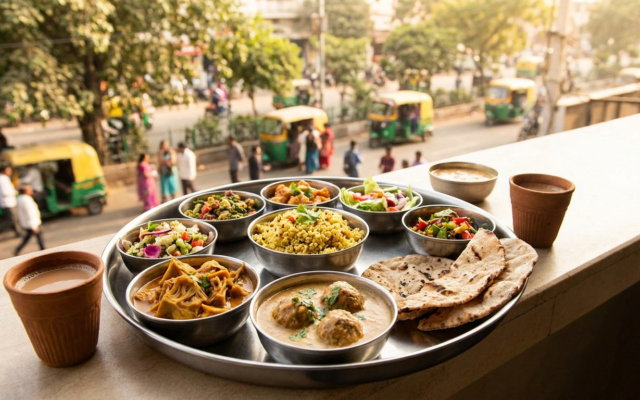
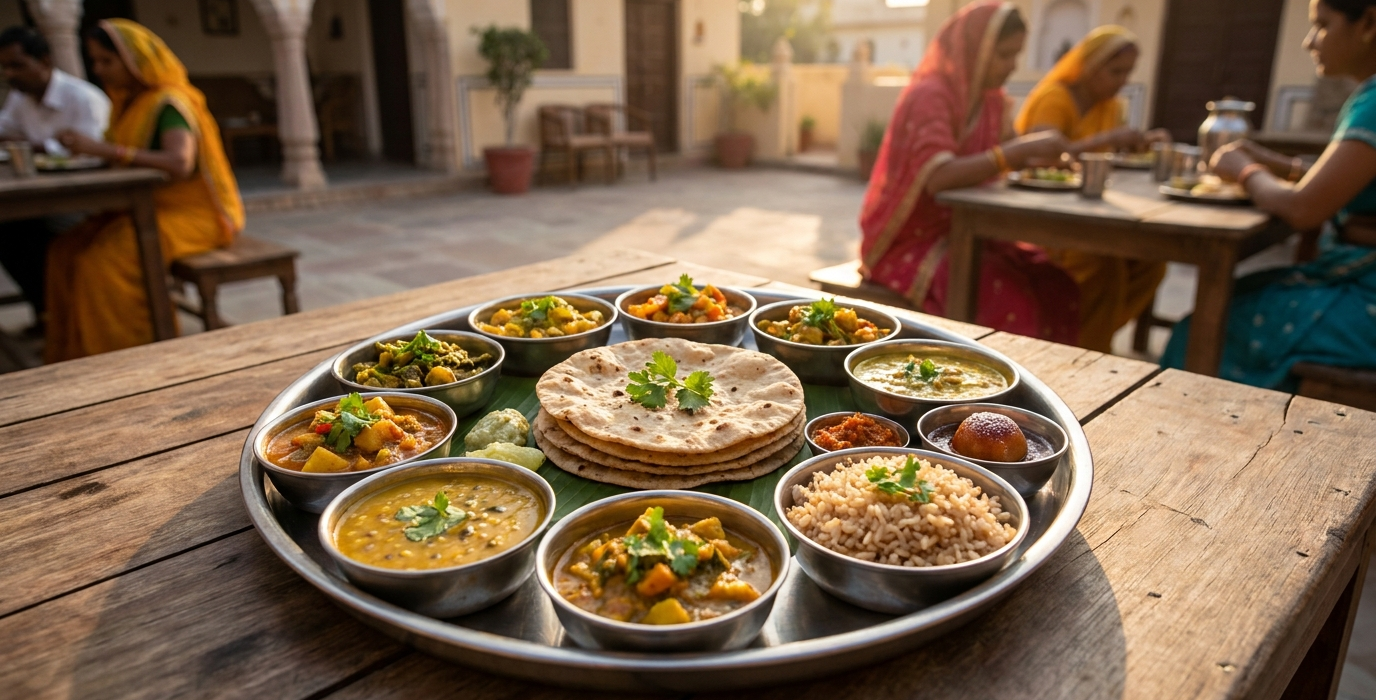
The humble thali, a symbol of India’s culinary diversity and hospitality, is undergoing a remarkable transformation. For centuries, it has been a curated platter of small dishes, offering a symphony of tastes and textures. Today, a growing wave of conscious eating is prompting a delicious evolution: the plant-based thali.
This isn’t about deprivation; it’s about celebrating the incredible bounty of India’s vegetarian heritage and adapting it with innovative, entirely vegan recipes. Whether you’re a lifelong vegan, exploring plant-based eating, or simply curious about vibrant Indian flavours, the vegan thali offers a deeply satisfying and nutritionally rich experience. We’re diving deep into how you can recreate these vibrant, guilt-free meals at home, showcasing the adaptability of traditional Indian cuisine for today’s palate.
Crafting Your Vegan Masterpiece: The Core Components
At its heart, a thali is about balance – a harmonious interplay of dry and wet dishes, spicy and cooling elements, and varied textures. Building a vegan thali involves mindful selection and preparation of these core components. We’ll focus on creating a balanced meal that’s both nourishing and delightful to the senses.
The essential building blocks include a main grain, a dal or lentil preparation, a vegetable curry (sabzi), a dry vegetable dish (sukhi sabzi), a cooling raita or chutney, and perhaps a pickle or a small salad. For a vegan thali, dairy-based ingredients like ghee, curd, and paneer are expertly replaced. Think creamy coconut milk for richness, cashew paste for thickness, and tofu or roasted vegetables for textural contrast. We’ll explore specific substitutions that don’t compromise on authentic taste.
A surprising fact is that many traditional Indian dishes are naturally vegan or easily adaptable. For instance, a simple tadka dal, made with lentils and tempered spices, requires only a switch from ghee to a good quality vegetable oil. Similarly, many regional vegetable preparations already rely on coconut oil or groundnut oil, making them inherently vegan-friendly. The key lies in understanding the foundational techniques of Indian cooking and applying them with plant-based ingredients.
Regional Delights: A Vegan Journey Across India
India’s culinary landscape is a tapestry woven with distinct regional flavours, each offering a unique palette for a vegan thali. We’ll explore how to capture the essence of these diverse cuisines, proving that authenticity knows no dietary boundaries. From the hearty North to the tropical South, a vegan thali can tell a compelling story.
Consider the robust flavours of Punjabi cuisine. Traditionally, this might feature a rich paneer dish. For a vegan adaptation, we can create a luscious ‘tofu makhani’ using silken tofu simmered in a tomato-cashew gravy, or a ‘chana masala’ that’s already largely vegan. Complement this with a ‘baingan bharta’ (smoky roasted eggplant mash) and a simple lentil dal. A cooling cucumber and mint raita, made with plant-based yogurt, adds a refreshing contrast.
Journeying south, to Kerala, brings a different flavour profile. Here, coconut milk is king, making many dishes naturally vegan. A tender ‘avial’ (mixed vegetables in a coconut-yogurt gravy) can be easily made vegan by using plant-based yogurt or a touch of tamarind for tang. A ‘thoran’ (dry vegetable stir-fry with grated coconut) using beans or cabbage is another perfect addition. Pair these with steamed rice and a spicy tamarind-based ‘sambar’ (lentil and vegetable stew), ensuring no asafoetida is used that contains dairy derivatives. You’ll find that many South Indian chutneys, like coconut or mint, are already vegan staples.
The Art of Balance: Flavours, Textures, and Colours
A truly memorable thali is more than just a collection of dishes; it’s an artful composition designed to delight all the senses. Balancing flavours, ensuring textural variety, and presenting a visually appealing platter are crucial elements. We’ll delve into how to achieve this harmonious whole in your vegan thali.
Flavour balance is paramount. You want a mix of sweet, sour, salty, bitter, and pungent notes. For example, a spicy dal can be balanced by a sweet-and-sour chutney or a cooling salad. Textural contrast is equally important. Imagine a creamy dal next to a crisp dry vegetable fry, or soft rice alongside a slightly chewy lentil fritter (vada). This variety keeps the palate engaged and prevents monotony.
Visual appeal is the final flourish. A vibrant thali should be a feast for the eyes. Think of the deep red of a beetroot subzi, the bright green of spinach, the golden hue of turmeric-spiced potatoes, and the white of fluffy rice. Incorporating a colourful salad or a garnish of fresh coriander and pomegranate seeds elevates the presentation. The goal is to create a plate that looks as inviting as it tastes, making the dining experience truly immersive.
Beyond the Plate: Nutritional Powerhouses
A well-constructed vegan Indian thali is not just a culinary delight but also a nutritional powerhouse. By focusing on whole foods and diverse ingredients, you can create meals that are rich in essential vitamins, minerals, fibre, and plant-based protein. We’ll highlight why this approach is so beneficial for your health.
Lentils and legumes, staples in Indian cuisine, are excellent sources of protein and fibre, promoting satiety and aiding digestion. Various vegetables contribute a spectrum of vitamins, antioxidants, and minerals. For instance, leafy greens are packed with iron and calcium, while root vegetables offer complex carbohydrates and essential nutrients. The inclusion of whole grains like brown rice or whole wheat roti provides sustained energy and further fibre.
A surprising nutritional benefit of a diverse vegan thali is the bioavailability of certain nutrients. For example, when turmeric (a common spice) is consumed with black pepper, the absorption of curcumin, its active compound, is significantly enhanced. Similarly, pairing iron-rich greens with vitamin C-rich components like tomatoes or lemon juice boosts iron absorption. This intricate interplay of ingredients within a traditional thali structure naturally optimises nutrient uptake, making it an incredibly wholesome meal choice.
The Humble Roti and Rice: Your Carb Companions
No thali is complete without its carbohydrate anchors – the humble roti and rice. These form the foundation upon which the other dishes are savoured. For a vegan thali, these staples are often naturally compliant, but understanding their role and preparation enhances the overall experience. We’ll look at how these can be perfectly integrated.
Whole wheat rotis, made from atta flour and water, are a staple across North India and are inherently vegan. Their slightly chewy texture and nutty flavour are perfect for scooping up gravies and dals. Ensuring they are cooked to a soft, pliable finish makes them a joy to eat. We can explore variations like bajra (pearl millet) or jowar (sorghum) rotis for added nutritional diversity and regional authenticity, especially in Maharashtra and Rajasthan.
In South and East India, rice reigns supreme. Steamed basmati, sona masoori, or even short-grain varieties form the perfect bed for curries and sambar. The key here is to ensure the rice is cooked to perfection – fluffy and separate, not mushy. For a more nutritious option, consider brown rice, although its cooking time is longer. The simple act of pairing a flavourful dal with a scoop of perfectly steamed rice is a testament to the elegance of Indian cuisine, proving that sometimes, the simplest combinations are the most profound and satisfying.
Frequently Asked Questions
What are the easiest vegan swaps for traditional thali ingredients?
Ghee can be replaced with coconut oil, mustard oil, or even a good quality unflavoured vegetable oil for tempering. Curd (yogurt) can be substituted with plain, unsweetened plant-based yogurts made from coconut, soy, or almond. Paneer can be replaced with firm or extra-firm tofu, pressed and cubed, or with roasted vegetables like cauliflower florets or potatoes for a different texture.
How do I ensure my vegan thali has enough protein?
Focus on including a generous portion of dal or other lentil preparations like chana masala or rajma (kidney beans). Legumes are excellent sources of plant-based protein. Incorporating dishes with tofu or even nuts and seeds in chutneys or garnishes can further boost the protein content.
Can I make a vegan thali with common pantry staples?
Absolutely. Many Indian pantry staples are naturally vegan. This includes lentils (dal), rice, flour (atta, besan), spices (turmeric, cumin, coriander, chilli powder), onions, tomatoes, and garlic. With these, you can create a surprisingly diverse and delicious vegan thali. You might need to purchase a plant-based oil and a good quality plant-based yogurt for some dishes.
What makes a thali visually appealing?
A visually appealing thali is achieved through a variety of colours from different vegetables and spices. Think of the vibrant greens of spinach, the deep reds of tomatoes or beetroot, and the golden hues of turmeric. Garnishing with fresh coriander, mint, or even pomegranate seeds adds a final touch of freshness and visual appeal. Ensuring a good contrast in textures and shapes also contributes to its attractiveness.