Key Takeaways
- The plant-based thali is rapidly evolving, moving beyond simple substitutions to sophisticated culinary creations that honour traditional flavours.
- Expect innovative uses of millets, legumes, and ancient grains, integrated seamlessly into classic thali components like dals, sabzis, and rotis.
- Regional Indian cuisines are leading the charge, with chefs in cities like Bengaluru and Kolkata offering authentic yet entirely vegan thali experiences.
- Demand for accessible, delicious vegan options is driving growth, making the plant-based thali a viable and exciting choice for everyday dining and special occasions.
The Vegan Thali Revolution: More Than Just a Meal
The humble thali, a cornerstone of Indian culinary tradition, is undergoing a vibrant transformation. For decades, it represented a balanced, often elaborate, platter of diverse flavours and textures – a complete meal showcasing regional specialties. Today, this beloved format is embracing a powerful new ethos: plant-based dining. This isn’t about a few token vegan dishes scattered amongst traditional fare; we’re witnessing the emergence of the dedicated plant-based thali, a culinary movement that respects heritage while boldly stepping into the future.
As of August 2026, the conversation around food in India and globally is increasingly focused on sustainability, health, and ethical consumption. The plant-based thali perfectly encapsulates these concerns, offering a delicious and culturally resonant answer. It’s a testament to the ingenuity of Indian chefs and home cooks who are rediscovering and reimagining ancient ingredients and techniques to create meals that are both nourishing and environmentally conscious. You might be surprised by how familiar yet entirely new these flavour profiles can be.
Millets and Ancient Grains: The New Stars of the Thali
For generations, rice and wheat have dominated our plates. However, a significant shift is underway, with millets and ancient grains reclaiming their rightful place in the Indian thali, especially within the plant-based movement. These hardy, nutrient-dense cereals are not just a sustainable choice but also offer a spectrum of flavours and textures that elevate traditional dishes. Think of jowar (sorghum), bajra (pearl millet), and ragi (finger millet) not just as bread ingredients, but as the foundation for innovative dals and even dessert components.
Chefs are experimenting with millet flours to create incredibly light and flavourful rotis and parathas, often infused with herbs or spices. Beyond breads, these grains are being used to add body and substance to lentil dishes, transforming a simple dal into a hearty, multi-layered experience. Ragi, with its slightly earthy notes, is finding its way into creamy, dairy-free kheer or even savoury porridges that can form a central part of a thali. This revival is deeply rooted in India’s agricultural past, connecting us to indigenous wisdom about resilient and nutritious food systems. It’s a delicious way to reconnect with our roots.
Regional Reinventions: Kolkata to Kochi Go Green
The plant-based thali isn’t a monolithic concept; it’s a dynamic expression of India’s diverse culinary landscape. Across the country, regional specialties are being thoughtfully veganised, offering an authentic taste of tradition without compromise. In Kolkata, you’ll find Bengali classics like Shukto and Mochar Ghonto reimagined with coconut milk and a medley of seasonal vegetables, replacing the traditional use of ghee and dairy. The subtle sweetness and complex spice profiles remain, a true testament to culinary adaptability.
Further south, in Kochi, Kerala’s vibrant vegetarian sadhya, traditionally served on a banana leaf, is inspiring new plant-based thalis. Expect inventive uses of jackfruit for “meat” textures, rich coconut milk-based curries like Avial and Sambar, and a delightful array of pickles and chutneys, all meticulously prepared without any animal products. These regional reinventions are crucial; they demonstrate that embracing plant-based eating doesn’t mean sacrificing the distinct identity of a cuisine. It’s about honouring the spirit of the dish.
The Art of Dairy-Free Delights: Beyond Coconut Milk
One of the biggest challenges in veganising traditional Indian cuisine has always been recreating the creamy textures and rich mouthfeel often provided by dairy. While coconut milk remains a versatile staple, chefs and home cooks are now exploring a wider palette of plant-based alternatives. Nut milks, particularly cashew and almond, are being used to create luxurious gravies for sabzis and even creamy paneer-like textures. Soaked cashews, blended to perfection, can mimic the richness of malai in dishes like Aloo Matar or Palak Paneer.
Beyond nuts, seeds are emerging as unsung heroes. Sunflower seeds and pumpkin seeds can add a subtle nutty flavour and creamy consistency to dals and vegetable preparations. Even root vegetables like potatoes and cauliflower, when pureed, can contribute to thickening gravies and providing a smooth mouthfeel. The innovation extends to dessert as well. Traditional sweets like Gulab Jamun are being adapted using flour-based dumplings soaked in a cardamom-infused sugar syrup, often enhanced with a hint of rosewater. The focus is on achieving that same comforting sweetness and satisfying texture.
Beyond the Basics: Unexpected Thali Innovations
The plant-based thali is pushing boundaries in fascinating ways, moving far beyond simple substitutions. We’re seeing chefs experiment with fermented ingredients and global vegan techniques to add new dimensions to familiar dishes. Take, for instance, the humble curd-based raita. Now, imagine it made with a base of fermented cashew cream or a tangy blend of seasoned plant-based yogurt, infused with mint and cucumber. It offers a similar cooling effect and probiotic benefits without any dairy.
Another exciting development is the use of aquafaba, the liquid from cooked chickpeas, as an egg replacer. This has opened doors to creating lighter, airier vegan versions of certain fritters or even delicate desserts that might traditionally require eggs for binding or leavening. Furthermore, the integration of global fermentation techniques, like those used in kimchi or sauerkraut, is finding its way into Indian condiments, offering a unique sourness and depth to the thali spread. These surprising additions demonstrate a bold willingness to innovate while respecting the thali’s core principle of balance.
A Surprising Fact: The Ancient Roots of Veganism in India
It might surprise you to learn that the concept of abstaining from animal products in India isn’t a recent trend driven by Western veganism. In fact, its roots stretch back millennia, deeply intertwined with ancient philosophies and religious practices. Jainism, a religion originating in India around the 6th century BCE, has always advocated for ahimsa (non-violence) in its strictest form, which includes a commitment to vegetarianism and often veganism, abstaining from all animal products to minimise harm.
Similarly, certain traditions within Hinduism and Buddhism also promote vegetarianism, with many sects going further to avoid dairy and other animal by-products. This historical context provides a powerful foundation for the modern plant-based movement in India. It’s not a rejection of tradition, but rather a rediscovery and amplification of ancient values that resonate deeply with contemporary concerns about health, ethics, and the environment. The plant-based thali is, in many ways, a modern manifestation of an age-old philosophy.
Frequently Asked Questions
What are the key components of a traditional Indian thali?
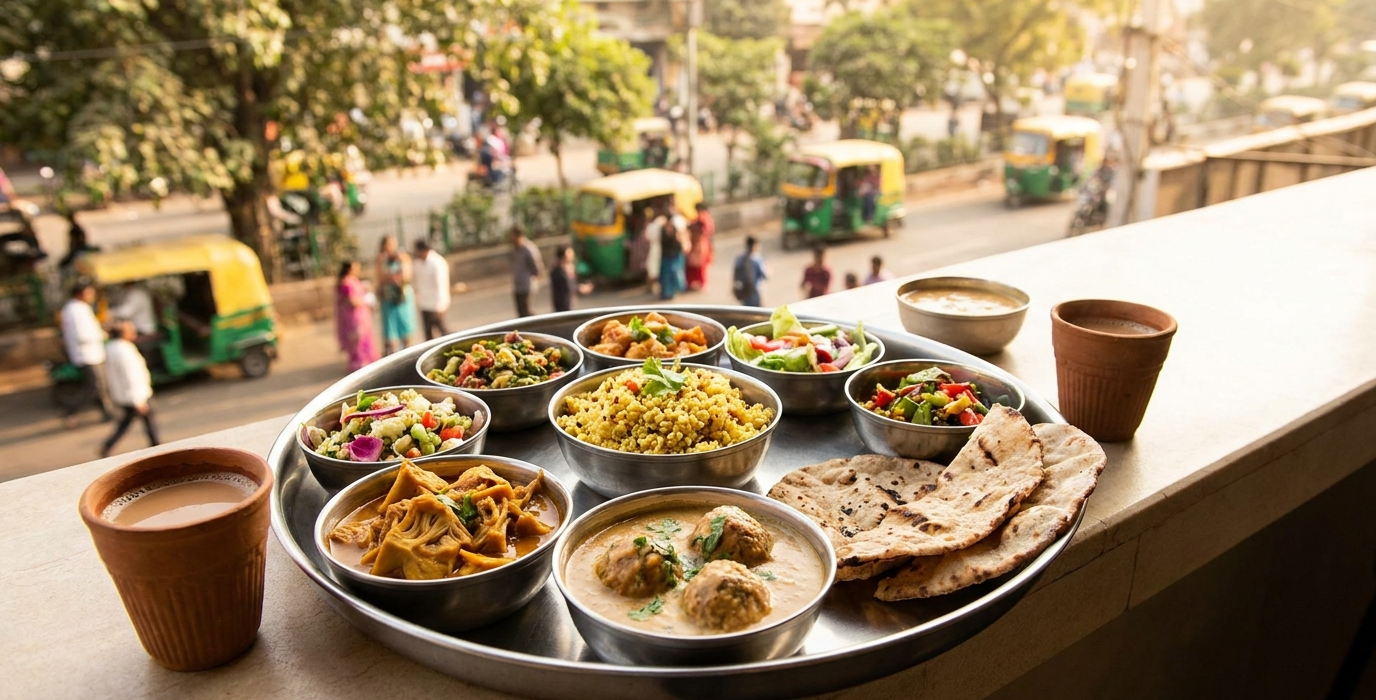
A traditional thali typically includes a balanced assortment of dishes served on a single platter. You’ll usually find a staple like rice or roti, a dal (lentil curry), a sabzi (vegetable dish), a raita (yogurt-based condiment), a pickle, and often a sweet dish. The exact components vary significantly by region.
How is a plant-based thali different from a regular thali?
A plant-based thali is entirely free of animal products, including meat, fish, dairy, eggs, and honey. It uses plant-based ingredients like millets, legumes, vegetables, fruits, nuts, seeds, and plant-based oils to replicate the flavours and textures of traditional thali dishes. This often involves creative substitutions for dairy, like coconut milk or cashew cream.
Where can I find authentic plant-based thalis in India in 2026?
You can find excellent plant-based thalis in major cities across India, with dedicated vegan restaurants and cafes increasingly offering them. Cities like Bengaluru, Mumbai, Delhi, and Kolkata have a growing number of establishments showcasing innovative vegan thalis. Even many traditional restaurants are now offering clearly marked vegan thali options.
Are plant-based thalis always more expensive than traditional ones?
Not necessarily. While some premium vegan ingredients might add to the cost, many plant-based thalis focus on affordable staples like millets and lentils. The price can vary greatly depending on the restaurant, the complexity of the dishes, and the specific ingredients used. You can often find very reasonably priced, delicious plant-based thalis.