Key Takeaways
- Goa’s culinary landscape in 2026 is a vibrant fusion of traditional Konkani roots and global influences, offering exciting new experiences.
- Beyond the iconic Vindaloo and Bebinca, discover artisanal seafood preparations and innovative vegetarian dishes emerging in beachside shacks and upscale eateries.
- The focus on sustainable sourcing and local produce is a defining trend, with chefs championing indigenous ingredients like kokum and cashews.
- Expect to find a resurgence of fermented foods and age-old preservation techniques, adding depth and complexity to modern Goan menus.
The Evolving Palate: Goa’s Culinary Renaissance in 2026
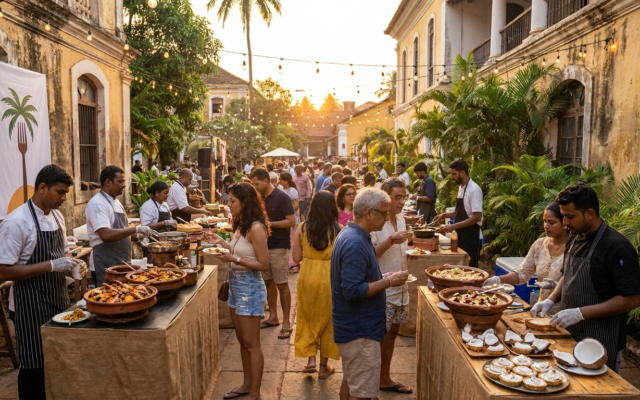
Goa, long synonymous with sun-drenched beaches and laid-back vibes, is experiencing a profound culinary renaissance in 2026. While the familiar scent of sea salt and spice still wafts through its coastal air, the food scene has evolved dramatically. We’re no longer just talking about the classic Vindaloo or the ubiquitous bebinca; a new generation of chefs and home cooks are pushing boundaries, blending heritage with innovation. This isn’t just about new restaurants; it’s a deeper exploration of flavours, techniques, and ingredients that honour Goa’s rich history while embracing a global outlook. You’ll find this evolution everywhere, from the humble beach shack in Palolem to the sophisticated dining rooms of Panaji.
The heart of this transformation lies in a renewed appreciation for authentic Konkani flavours. While international cuisines have their place, the true magic happens when traditional spices, locally grown vegetables, and the bounty of the Arabian Sea are reimagined. Expect to see ingredients like kokum, jackfruit, and a variety of local lentils taking centre stage in dishes that might surprise you. It’s a celebration of what makes Goan food unique, elevated by modern culinary sensibilities. This season, we invite you to dive deep into a gastronomic adventure that promises to delight both seasoned foodies and curious travellers.
Seafood Symphony: From Ocean to Plate
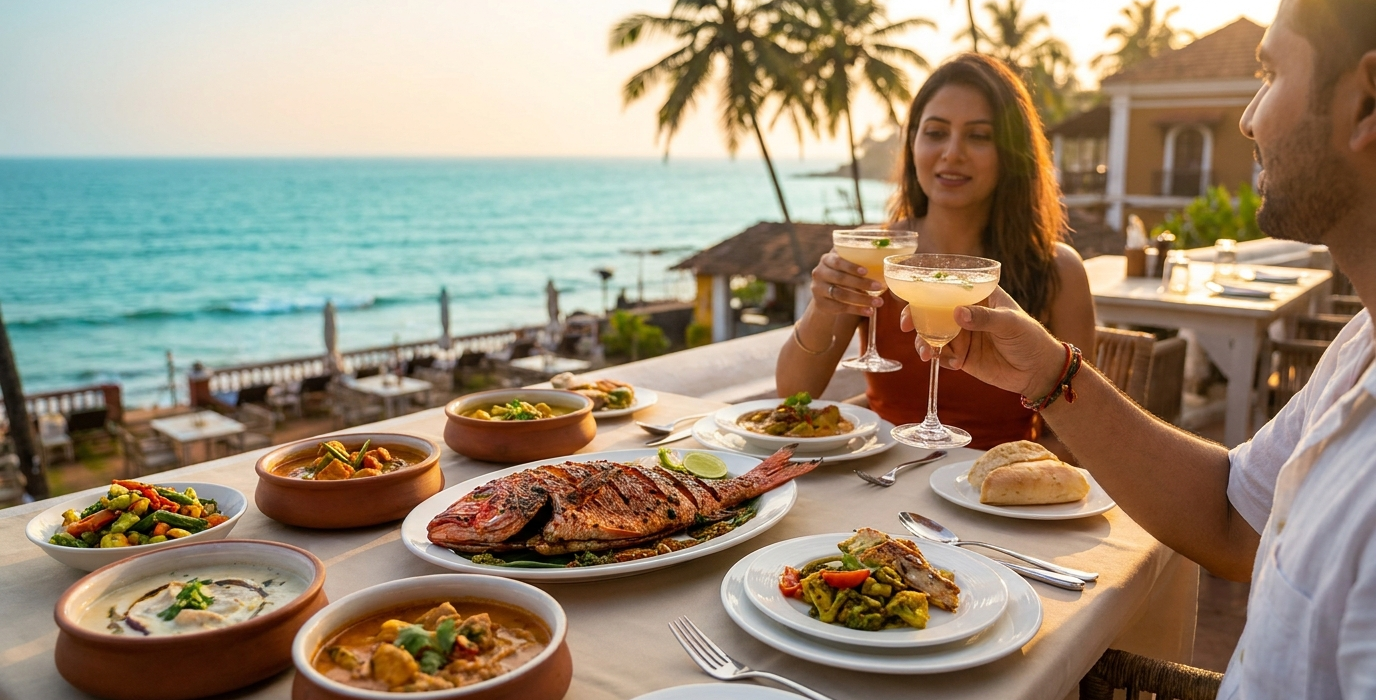
For years, Goa’s identity has been intrinsically linked to its pristine coastline, and in 2026, this connection is more palpable than ever on its dining tables. The emphasis is now on hyper-local sourcing, with many chefs forging direct relationships with fishermen in villages like Cavelossim and Velsao. This ensures the freshest catch, often landed mere hours before it graces your plate. Beyond the usual grilled fish, you’ll encounter inventive preparations that highlight the natural sweetness and texture of the seafood. Think delicate ceviches featuring local pomfret marinated in lime and kokum, or slow-braised mussels in a saffron-infused coconut broth.
One surprising trend is the resurgence of forgotten fish varieties. Chefs are actively seeking out lesser-known species, moving beyond the popular kingfish and red snapper. This not only diversifies the culinary offerings but also supports sustainable fishing practices. For instance, you might find delectable preparations of ‘ghol’ (jewfish) or ‘dassai’ (threadfin bream), often marinated in a paste of green chillies, garlic, and grated coconut before being pan-fried to a perfect crisp. The accompanying chutneys and relishes are equally innovative, often featuring fermented elements for an added layer of umami.
The Rise of the Artisanal Fish Fry
While fish fry remains a Goan staple, 2026 sees it elevated to an art form. Forget greasy, mass-produced versions. Today, artisanal fish fries are crafted with meticulous attention to detail. You’ll find chefs using a specific blend of flours – perhaps rice flour for crispness and semolina for texture – and infusing the marinades with unique spice combinations. A particularly delightful discovery in the Anjuna area was a ‘Rava Masala’ fish fry where the semolina coating was pre-mixed with finely chopped curry leaves and a hint of asafoetida, providing an aromatic crunch that lingered beautifully.
The accompaniments are equally important. Instead of the standard lemon wedge, expect vibrant salads featuring local greens, pickled onions, and tangy tamarind dressings. Some establishments are even offering a choice of house-made dips, from a fiery ghost pepper aioli to a cooling mint and kokum raita. This attention to detail transforms a simple dish into a gourmet experience, celebrating the essence of Goan coastal cuisine with a modern twist.
Vegetarian Voyages: Beyond the Curry Leaf
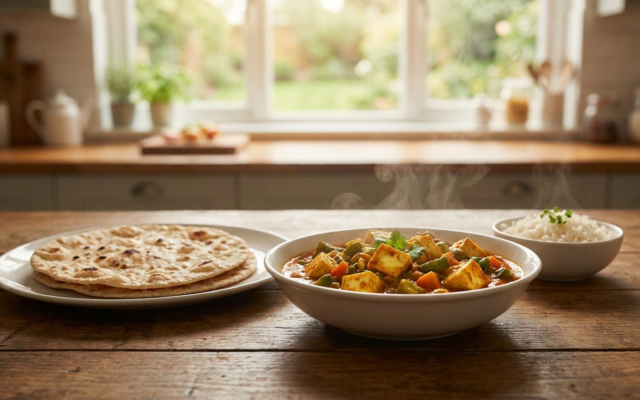
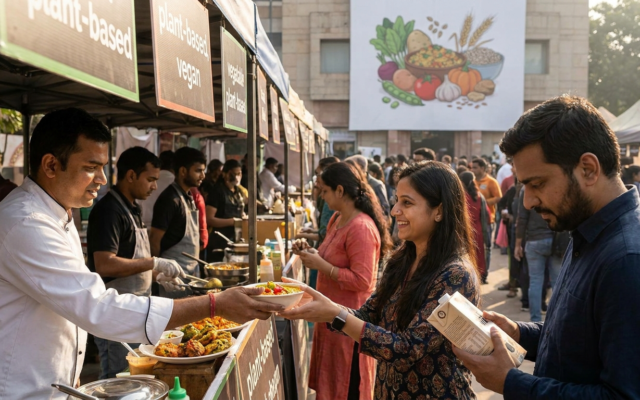
Goa’s culinary evolution in 2026 isn’t limited to seafood; the vegetarian landscape is blossoming with an unprecedented richness and diversity. For too long, vegetarian options often meant a predictable rotation of paneer dishes or generic vegetable curries. Today, chefs are delving into the vast pantry of indigenous produce and traditional vegetarian recipes, infusing them with contemporary flair. This is a welcome change for the growing number of travellers seeking vibrant, plant-based meals that are as exciting as their non-vegetarian counterparts.
The focus is on showcasing the versatility of vegetables and legumes. You’ll find dishes that celebrate the humble jackfruit, transformed into succulent ‘pulled’ curries or crispy ‘steaks’ marinated in Goan spices. Similarly, local gourds and leafy greens, often overlooked, are now star ingredients. A standout dish observed in a charming café in Assagao was a ‘Kavdo’ (gourd) and lentil stir-fry, seasoned with fresh turmeric, mustard seeds, and a whisper of grated coconut, offering a light yet deeply satisfying flavour profile.
The Jackfruit Revolution
Jackfruit, or ‘ponos’ in Konkani, has truly arrived as a culinary powerhouse in 2026. Its fibrous texture and ability to absorb flavours make it an exceptional meat substitute. Chefs are experimenting with it in numerous ways. Imagine a slow-cooked jackfruit ‘biryani’ where the fruit mimics the succulence of tender meat, or ‘jackfruit ‘chops’ served with a spicy Goan chutney. A particularly innovative approach found in a restaurant near Mandrem was a ‘Jackfruit ‘Sausage’ Pulao’, where finely shredded jackfruit was sautéed with herbs and spices to create a flavourful, textured rice dish. This demonstrates a sophisticated understanding of how to leverage plant-based ingredients to create complex and exciting flavours.
Beyond jackfruit, traditional grains like millets and indigenous rice varieties are being revived. These are not just being served as simple sides but are forming the base of elaborate dishes. Think millet ‘upma’ enriched with roasted vegetables and a tempering of curry leaves and cashews, or a ‘red rice’ risotto infused with local herbs and topped with crispy fried okra. This commitment to using forgotten grains adds a nutritional dimension and a unique textural element to vegetarian Goan cuisine.
Fermentation & Preservation: A Taste of Time
A subtle yet profound shift in Goan gastronomy in 2026 is the rediscovery and elevation of fermentation and preservation techniques. This isn’t about food spoilage; it’s about harnessing the power of time and microbial action to create complex, nuanced flavours that are difficult to replicate through modern cooking methods alone. This trend taps into ancient wisdom, bringing a depth and tanginess to dishes that are both historically resonant and excitingly contemporary.
One of the most prominent examples is the renewed focus on kokum-based ferments. Kokum, a native fruit known for its sour and slightly astringent taste, is being used to create pickles, infusions, and even a type of fermented ‘sol kadi’ that offers a more potent and complex flavour profile than its fresh counterpart. These fermented kokum elements are finding their way into marinades, dressings, and as vibrant garnishes, adding a distinctive tang and a pleasant acidity that cuts through richness.
The Art of Pickling and Brining
Beyond kokum, traditional Goan pickles, known as ‘lonche’, are experiencing a revival. While mango and lime pickles remain popular, chefs and home cooks are experimenting with a wider array of vegetables and fruits. Think preserved gooseberries with ginger and star anise, or pickled tender coconut pieces with turmeric and fenugreek. These pickles are not just condiments; they are flavour bombs, offering a concentrated burst of taste that can elevate even the simplest meal. We encountered a particularly intriguing ‘mixed vegetable lonche’ in a small eatery in Bicholim, which included pickled carrots, cauliflower, and even tiny, unripe mangoes, all preserved in a mustard oil and spice base.
The practice of brining is also gaining traction. Fish, particularly smaller varieties, are being brined for short periods before being cooked, enhancing their texture and flavour. This technique, once common for preservation, is now employed for its culinary benefits, resulting in succulent, flavourful seafood. This embrace of traditional methods allows for a deeper connection to the food and its origins, offering a glimpse into the culinary heritage of Goa with every bite.
Sweet Endings: Beyond Bebinca
While bebinca, the iconic layered Goan pudding, will always hold a special place in our hearts, 2026 offers a delightful expansion of Goa’s sweet offerings. The traditional dessert landscape, rich with coconut, jaggery, and rice flour, is being explored with new ingredients and creative presentations. You’ll find familiar flavours reimagined and entirely new creations emerging, catering to a palate that appreciates both tradition and innovation.
Expect to see modern interpretations of classic desserts. For instance, a traditional ‘patoleo’ (steamed rice cakes stuffed with jaggery and coconut) might be served with a cardamom-infused coconut cream, or a ‘baath’ (a rich coconut cake) could be elevated with a hint of orange zest and served alongside a delicate rosewater sorbet. These subtle enhancements add a layer of sophistication without sacrificing the comforting, familiar flavours.
The Cashew Revolution in Desserts
The humble cashew, a ubiquitous nut in Goa, is taking centre stage in the dessert scene like never before. Beyond its inclusion in savoury dishes, 2026 sees cashews transformed into decadent sweets. Think cashew-based ‘cheesecakes’, where pureed cashews create a creamy, dairy-free base, or artisanal cashew ‘pralines’ infused with local spices like cardamom and nutmeg. A surprisingly delightful find in a bakery in Margao was a ‘Cashew & Kokum Tart’, where the tartness of the kokum beautifully balanced the rich, nutty flavour of the cashew filling.
We’re also observing a trend towards healthier sweet options. Instead of refined sugar, there’s a greater reliance on natural sweeteners like jaggery and palm sugar. Desserts are also incorporating more fruits, such as ripe mangoes, papayas, and bananas, in creative ways. A refreshing example is a ‘Mango & Coconut Mousse’ made with fresh mango pulp, coconut milk, and a touch of jaggery, offering a light and guilt-free indulgence. This focus on natural ingredients and balanced sweetness ensures that Goan desserts are as nourishing as they are delicious.
The ‘Farm-to-Fork’ Philosophy: Sustainable Goa
A defining characteristic of Goa’s culinary landscape in 2026 is the unwavering commitment to the ‘farm-to-fork’ philosophy. This movement is about more than just buzzwords; it represents a conscious effort to connect consumers directly with the source of their food, prioritizing sustainability, ethical practices, and the freshest possible ingredients. You’ll see this ethos reflected in menus across the state, from small cafes to established restaurants, driven by a growing awareness of environmental responsibility and a desire for authentic culinary experiences.
Chefs are actively seeking out local farmers and producers, fostering strong relationships that ensure a consistent supply of high-quality, seasonal produce. This means you’re more likely to find dishes featuring vegetables that are truly in season, harvested at their peak flavour and nutritional value. This approach not only supports the local economy but also reduces the carbon footprint associated with long-distance transportation of food. We’ve seen kitchens in North Goa working closely with organic farms in the hinterlands, sourcing everything from unique heirloom tomatoes to fragrant herbs.
The Rise of Urban and Peri-Urban Farming
An exciting development is the growth of urban and peri-urban farming initiatives. In areas surrounding cities like Panaji and Mapusa, small-scale farms are cultivating a variety of produce, often using organic and sustainable methods. These farms are not only supplying restaurants but are also engaging directly with consumers through farmers’ markets and subscription boxes. This creates a more resilient and localized food system, bringing fresh ingredients directly from the soil to your plate within hours.
“The true taste of Goa lies not just in its spices, but in the earth from which they grow and the hands that tend them. Our kitchens in 2026 are becoming extensions of our farms.”
This commitment to sustainability extends to minimizing food waste and embracing nose-to-tail and root-to-stem cooking principles. Chefs are finding creative ways to utilize every part of an ingredient, from vegetable peels being turned into flavourful broths to fish bones being used to create rich stocks. This conscientious approach to cooking not only reduces environmental impact but also leads to more inventive and flavourful dishes. It’s a holistic vision of gastronomy that values every element of the food chain.
Frequently Asked Questions
What are the must-try traditional Goan dishes in 2026?
While exploring new culinary horizons, don’t miss the classics. Essential dishes include Goan Fish Curry Rice, Prawn Balchão, Chicken Xacuti, and the sweet delight of Bebinca. These dishes, prepared with authenticity, offer a foundational understanding of Goan flavours.
Are there gluten-free or vegan options readily available in Goa’s restaurants?
Yes, in 2026, Goa’s dining scene is increasingly accommodating. Many restaurants offer gluten-free preparations, often by using rice flour or millet. Similarly, vegan options are widely available, especially with the focus on jackfruit and vegetable-centric dishes, often using coconut milk and plant-based oils.
Where can I find authentic Goan street food in 2026?
Authentic street food experiences can be found in local markets like the Mapusa Market or Panjim Market during their respective operating hours. Look for stalls selling Pao with Goan sausages, Fish Cutlets, and Gobi Manchurian (a popular Indo-Chinese fusion). Always ensure the vendor maintains good hygiene.
How has the cost of dining in Goa changed in 2026?
While prices can vary significantly, there’s a trend of upscale dining experiences becoming more expensive due to premium ingredients and ambiance. However, affordable and delicious meals can still be found in local eateries and beach shacks, with many offering excellent value for money. Expect a range from ₹300 for a substantial meal at a local spot to ₹1500+ for a fine-dining experience.