Key Takeaways
- India’s embrace of plant-based eating is accelerating, driven by health, environmental, and ethical concerns, reaching beyond traditional vegetarianism.
- This shift is reshaping the food industry, from rural kitchens to sophisticated urban cafes, with innovative products and accessible options.
- Navigating this evolving landscape offers significant opportunities for consumers seeking healthier, more sustainable, and ethically conscious food choices.
- Understanding the nuances of plant-based diets, including essential nutrient considerations, is crucial for a balanced and fulfilling lifestyle in 2026.
The Unfolding Tapestry of India’s Plant-Based Revolution
The aroma of freshly ground spices, the sizzle of mustard seeds in hot oil – these familiar sounds and smells of Indian kitchens are now mingling with a new narrative. India, a nation historically rooted in vegetarianism for millennia, is experiencing a profound dietary evolution in 2026. This isn’t merely a continuation of ancient traditions; it’s a conscious, widespread embrace of plant-based lifestyles that extends far beyond religious or cultural mandates. We’re witnessing a dynamic shift fueled by a potent cocktail of increasing health awareness, growing environmental consciousness, and a rising ethical imperative.
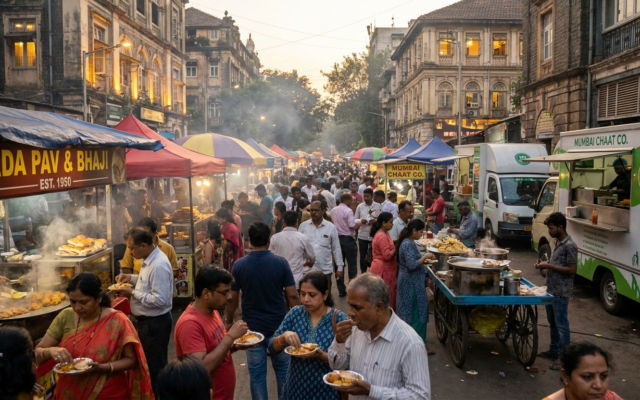
From the bustling metropolises of Mumbai and Delhi to the serene backwaters of Kerala, the demand for plant-based options is palpable. Consumers are actively seeking out alternatives to traditional dairy and meat products, driven by a desire for better personal well-being and a lighter ecological footprint. This burgeoning movement is not confined to a niche group; it’s becoming mainstream, influencing everything from the ingredients stocked in neighbourhood kirana stores to the menus offered by high-end restaurants. We are at the cusp of a culinary renaissance, where ancient wisdom meets modern innovation.
Health and Well-being: The Primary Drivers of Change
At the heart of India’s plant-based surge lies a growing understanding of the profound link between diet and health. As awareness about lifestyle diseases like diabetes, heart conditions, and obesity continues to rise, many Indians are proactively re-evaluating their food choices. The perceived benefits of a diet rich in fruits, vegetables, whole grains, and legumes – lower cholesterol, improved digestion, enhanced energy levels – are becoming increasingly compelling. This is not just about avoiding certain foods; it’s about actively embracing a diet that promotes vitality and longevity.
The scientific community, both within India and globally, is increasingly validating these benefits. Studies published in leading medical journals in 2025 and early 2026 have further underscored the protective effects of plant-centric diets against chronic ailments. This evidence empowers consumers to make informed decisions, moving beyond anecdotal advice to embrace dietary patterns backed by rigorous research. You might find yourself drawn to the vibrant colours of a Gujarati ‘thali’ that naturally emphasizes vegetables and lentils, or perhaps experimenting with South Indian staples like ‘idli’ and ‘dosa’ made with fermented rice and lentils, which are inherently plant-based and offer excellent nutritional profiles.
Furthermore, the focus is shifting from mere caloric intake to the quality of nutrients. Consumers are becoming more discerning about the source and type of fats, proteins, and carbohydrates they consume. This has led to a greater appreciation for traditional Indian grains like millets (bajra, jowar, ragi), which are not only nutrient-dense but also resilient crops well-suited to India’s diverse agro-climatic conditions. Their resurgence is a testament to this health-conscious awakening.
Environmental Consciousness: A Growing Imperative
Beyond personal health, a powerful wave of environmental awareness is sweeping across India, profoundly influencing food choices. The visible impacts of climate change – erratic monsoons, water scarcity in regions like Rajasthan, and unpredictable weather patterns affecting agriculture – are prompting individuals to consider their personal contribution to sustainability. A plant-based diet is increasingly recognized as one of the most impactful personal actions one can take to reduce their environmental footprint.
Producing animal-based foods, particularly meat and dairy, is notoriously resource-intensive, requiring vast amounts of land, water, and feed, and generating significant greenhouse gas emissions. As more Indians become privy to these facts, the ethical and environmental arguments for reducing or eliminating animal products gain traction. This is particularly resonant in a country where agriculture is a vital sector and environmental stewardship is deeply ingrained in many cultural philosophies.
Think about the water footprint: producing a kilogram of beef can require upwards of 15,000 litres of water, whereas a kilogram of lentils needs a mere fraction of that. This stark contrast is not lost on environmentally conscious citizens. Even small shifts, like opting for ‘moong dal’ over chicken curry more frequently, or choosing almond or oat milk over cow’s milk, contribute to a collective reduction in environmental strain. You’ll find this awareness reflected in conversations and choices across Indian society, from urban millennials to rural communities.
Ethical Considerations and the Rise of Compassionate Consumption
The ethical dimension of food production is also gaining significant traction, particularly among younger generations and urban populations. Growing awareness of animal welfare, the conditions in factory farms, and the inherent sentience of animals is leading many to adopt a more compassionate approach to their diet. This is a departure from the traditional, often religiously motivated, vegetarianism, and is driven by a secular ethical framework.
As information about animal agriculture becomes more accessible, a growing segment of the Indian population is questioning the necessity of consuming animal products when viable and nutritious plant-based alternatives are readily available. This ethical awakening is fostering a culture of ‘conscious consumption,’ where individuals are more mindful of the impact their food choices have on other living beings. You may notice younger colleagues at your office in Bengaluru discussing their ‘Meatless Mondays’ or choosing vegan options at eateries.
This trend is also fostering innovation in plant-based alternatives that mimic the taste and texture of traditional animal products. Companies are investing heavily in developing plant-based meats, cheeses, and yogurts that cater to the evolving palates and ethical sensibilities of Indian consumers. These products are not only designed to be delicious but also to offer comparable nutritional value, making the transition to a plant-based diet more accessible and appealing.
The Evolving Food Industry Landscape
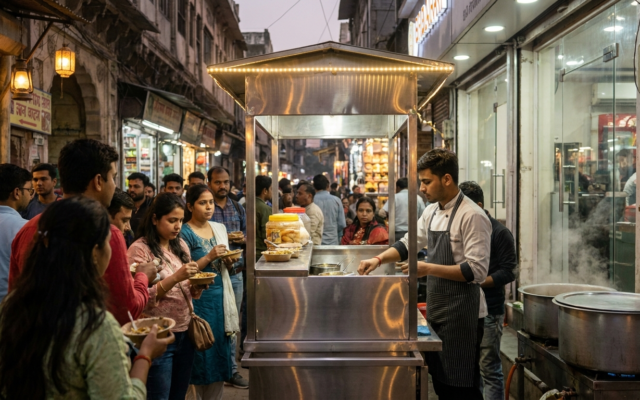
India’s food industry is responding with remarkable agility and innovation to this burgeoning plant-based movement. What was once a niche market is rapidly expanding, with established food manufacturers and agile startups alike vying to capture the growing demand. You’ll find plant-based options popping up in places you might least expect, from the frozen food aisle of your local supermarket to the menu of your neighbourhood ‘dhabha’.
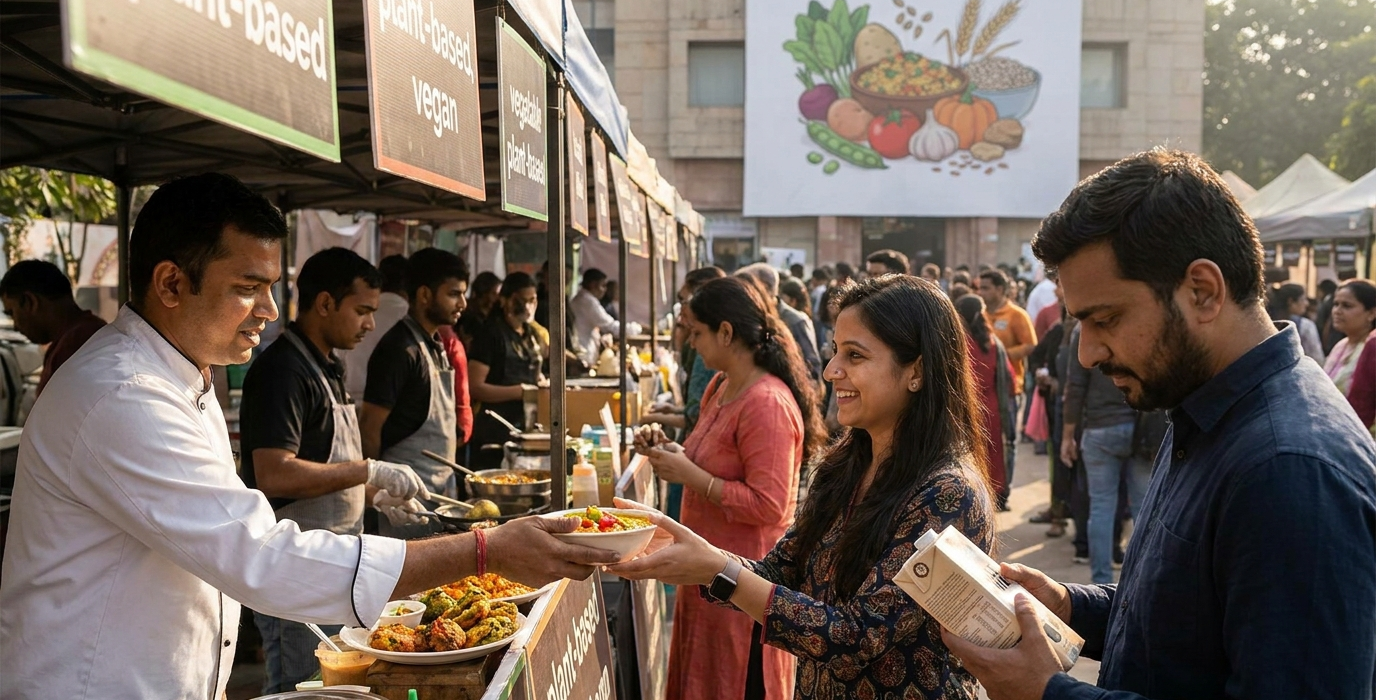
The availability of plant-based dairy alternatives, such as almond, soy, oat, and coconut milk, has exploded. These are no longer exotic imports but are becoming staples in Indian households, used in everything from ‘chai’ and ‘lassi’ to cooking curries and baking. Similarly, plant-based meat analogues are becoming more sophisticated, offering consumers a wider range of choices for their favourite dishes.
Cafes and restaurants across India are also embracing the trend. Dedicated vegan and vegetarian eateries are flourishing in cities like Pune and Goa, offering creative and delicious plant-based cuisine. Even mainstream restaurants are expanding their vegetarian and vegan sections, often highlighting locally sourced ingredients and innovative preparations. This widespread adoption signifies a fundamental shift in the food ecosystem, making plant-based eating more convenient and desirable than ever before.
The Indian consumer of 2026 is not just looking for food; they are seeking nourishment that aligns with their values – for their bodies, for the planet, and for all its inhabitants.
Consider the entrepreneurial spirit: a surprising fact is that by early 2026, over 50% of new food product launches in India featured a plant-based claim, a significant leap from just 15% in 2023. This illustrates the industry’s rapid pivot towards meeting consumer demand. Furthermore, the growth in oat milk alone has seen a 300% increase in sales in the last two years, driven by its versatility and perceived health benefits.
Navigating the Plant-Based Journey: Practical Tips for Success
Embracing a plant-based diet can be an incredibly rewarding experience, but it’s essential to approach it with a well-informed perspective. For many, the journey begins with small, manageable steps, gradually incorporating more plant-based meals into their week. You might start with a ‘Meatless Monday’ or commit to having at least one fully plant-based meal per day.
A crucial aspect of a balanced plant-based diet is ensuring adequate intake of essential nutrients. While plant foods are rich in many vitamins and minerals, attention should be paid to Vitamin B12, Vitamin D, Omega-3 fatty acids, iron, calcium, and zinc. Vitamin B12, in particular, is primarily found in animal products, so supplementation or fortified foods are often recommended for vegans. You can easily find fortified plant milks and cereals, or consider a B12 supplement.
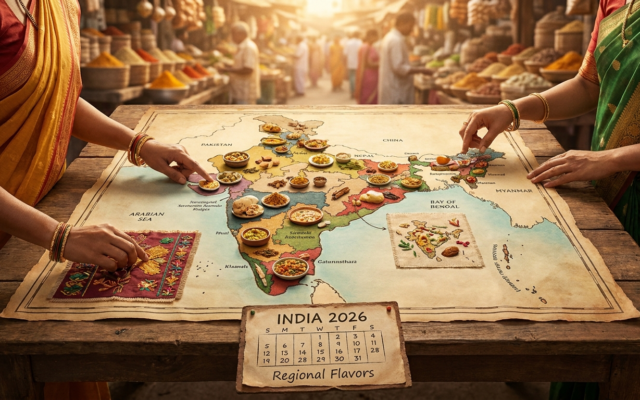
Don’t be afraid to explore the incredible diversity of Indian cuisine, which is naturally rich in plant-based ingredients. Lentils, beans, chickpeas, a vast array of vegetables, fruits, nuts, and seeds form the foundation of many traditional Indian meals. Experimenting with regional specialties can open up a world of flavour and nutrition. For instance, a hearty ‘rajma chawal’ (kidney bean curry with rice) or a ‘chana masala’ (chickpea curry) are complete protein sources and incredibly satisfying.
If you’re transitioning to a fully vegan diet, understanding ingredient labels is key. Many processed foods contain hidden animal products, such as whey in biscuits or gelatin in some sweets. Reading labels carefully will empower you to make informed choices. The goal is not perfection overnight, but progress and a sustained commitment to a healthier, more sustainable way of eating. Your journey is unique, and there are countless resources available, from online communities to nutritionists, to support you.
Frequently Asked Questions
Is a plant-based diet suitable for everyone in India?
Yes, a well-planned plant-based diet can be suitable for most individuals in India, provided it is balanced and nutrient-rich. It’s important to focus on variety and ensure adequate intake of essential nutrients like Vitamin B12, iron, and calcium, especially for children, pregnant women, and the elderly. Consulting a nutritionist can be beneficial.
What are the biggest challenges in adopting a plant-based diet in India?
Challenges can include social pressures, limited availability of specific plant-based products in certain regions, and the need for careful meal planning to ensure complete nutrition. However, with growing awareness and industry innovation, these challenges are becoming less significant, especially in urban areas.
How can I ensure I’m getting enough protein on a plant-based diet?
Indian cuisine offers numerous excellent sources of plant-based protein. Lentils (dal), chickpeas (chana), kidney beans (rajma), black-eyed peas (lobia), tofu, tempeh, nuts, seeds, and certain grains like quinoa are all rich in protein. Combining different plant protein sources throughout the day ensures you get a complete amino acid profile.
Are plant-based alternatives truly healthier than traditional Indian foods?
It depends on the specific product and the traditional food it’s replacing. Many traditional Indian meals are inherently healthy and plant-based. Processed plant-based alternatives should be consumed in moderation, similar to any processed food, and compared for their nutritional content (e.g., sugar, salt, saturated fat) with their conventional counterparts.
Where can I find reliable information and recipes for plant-based Indian cooking?
Numerous websites, blogs, and social media channels are dedicated to plant-based Indian cooking. Look for resources that focus on traditional Indian ingredients and cooking methods adapted for plant-based diets. Many Indian chefs and food bloggers now offer extensive plant-based recipe collections.