Key Takeaways
- Indian athletes are intensifying their training regimens for the Paris 2026 Olympics, with a focus on sports psychology and advanced recovery techniques.
- Several emerging talents in athletics and shooting are poised to make a significant impact, building on the nation’s growing sporting pedigree.
- Infrastructure development in Tier 2 and Tier 3 cities is crucial for identifying and nurturing future Olympic hopefuls.
- The role of sports science, including nutrition and biomechanics, is becoming increasingly central to medal-winning strategies for Indian athletes.
The Paris Push: A Nation’s Olympic Ambition Takes Shape
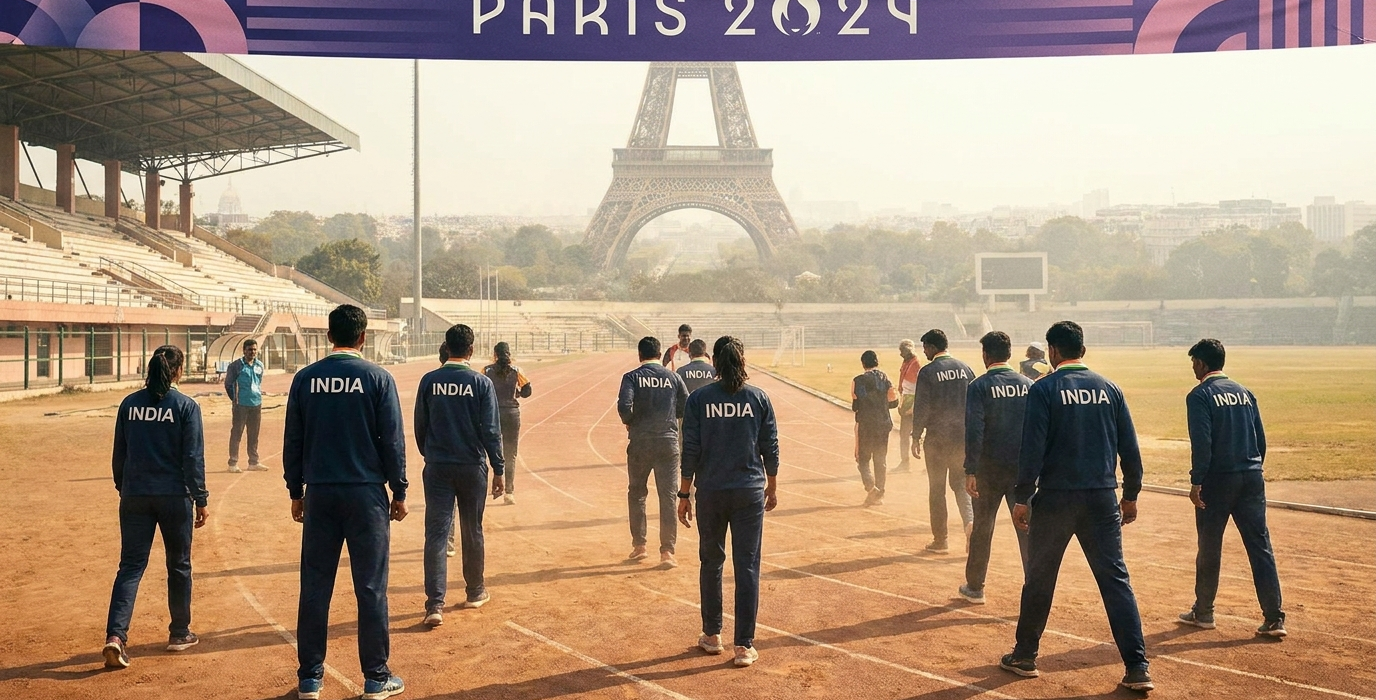
As the calendar flips to August 2026, the air in India crackles with anticipation. The Paris 2026 Olympic Games are no longer a distant speck on the horizon; they are a tangible goal, driving thousands of athletes across the subcontinent to push their boundaries. From the chilly altitudes of Manali to the sun-drenched academies of Chennai, rigorous training schedules are in full swing. This year, the focus is not just on physical prowess, but on the intricate nuances of mental fortitude and cutting-edge recovery, critical elements for success on the global stage.
We’re witnessing a more holistic approach to athlete development. Gone are the days when sheer grit alone was enough. Today, sports psychologists work hand-in-hand with coaches, helping athletes navigate the immense pressure of international competition. Advanced physiotherapy and nutrition plans, once the preserve of elite federations, are trickling down, ensuring our champions are in peak condition. This comprehensive preparation is vital as India aims to build upon its recent successes and etch its name more prominently in the Olympic annals.
Emerging Stars: New Faces Ready to Shine
Beyond the established names, 2026 is shaping up to be a year for new heroes to emerge. In athletics, the track and field events are brimming with young talent. We’ve seen promising performances in the 400m sprints and the marathon, with athletes demonstrating remarkable endurance and speed. The sheer dedication on display at national meets, often held in challenging weather conditions, is a testament to their Olympic aspirations.
The shooting ranges, a consistent source of pride for India, are also buzzing. Several young marksmen and markswomen have been steadily climbing the international rankings. Their precision and calm under pressure are awe-inspiring. We’re hearing whispers of potential breakthroughs in disciplines like skeet and trap, areas where India has traditionally sought to strengthen its medal count. Their journey from local clubs in small towns to the Olympic arena is a narrative that inspires millions.
A surprising fact is that the current national record holder for the men’s javelin throw, who is a strong contender for Paris, honed his skills on a makeshift track near his village in rural Haryana, using improvised equipment for early training. This highlights the raw talent that exists, waiting to be discovered and nurtured.
The Science of Sport: Nutrition, Biomechanics, and Beyond
The integration of sports science into training programs has become non-negotiable for medal contenders. Elite athletes are now meticulously monitored for their nutritional intake, with personalized diet plans designed to optimize energy levels, muscle recovery, and overall performance. This involves detailed blood tests, genetic profiling, and constant feedback loops with sports dietitians.
Biomechanics plays an equally crucial role. High-speed cameras and motion capture technology are used to analyze every aspect of an athlete’s movement, from the flick of a wrist in shooting to the stride of a runner. These detailed analyses help identify even the slightest inefficiencies, allowing coaches to make precise adjustments. Such fine-tuning can mean the difference between a near miss and a podium finish.
We are also seeing increased investment in advanced recovery technologies. Cryotherapy chambers, compression therapy devices, and specialized massage techniques are becoming standard practice. These methods help athletes recover faster from gruelling training sessions, reducing the risk of injury and ensuring they are always ready for the next challenge. For instance, a prominent boxer from Mumbai has credited advanced hydrotherapy sessions with significantly reducing his recovery time after sparring, allowing for more intense and frequent training.
Infrastructure and Grassroots Development: Planting the Seeds for Future Success
While the spotlight often shines on national camps, the real foundation for Olympic success is built at the grassroots level. Recognizing this, there’s a concerted effort to upgrade sporting infrastructure in Tier 2 and Tier 3 cities across India. These initiatives aim to provide better training facilities, qualified coaches, and access to sports science support for aspiring athletes in regions that have historically been overlooked.
The development of multi-sport academies in places like Bhubaneswar and Pune is a positive step. These centers offer comprehensive training environments, bridging the gap between local talent and national aspirations. They provide not just the physical infrastructure but also the crucial support systems – medical, nutritional, and psychological – that are essential for nurturing young talent.
Furthermore, innovative programs are being implemented to scout for talent in remote areas. Mobile testing units equipped with basic performance assessment tools are reaching out to villages, identifying individuals with raw athletic potential. This proactive approach ensures that no promising talent is left undiscovered, regardless of their geographical location. The goal is to create a robust talent pipeline that can sustain India’s Olympic ambitions for years to come.
The Mental Game: Psychology and Resilience in the Spotlight
The psychological aspect of elite sports has taken center stage in the lead-up to Paris 2026. Athletes are undergoing intense mental conditioning to prepare for the immense pressure of the Olympic Games. This includes learning coping mechanisms for performance anxiety, developing focus strategies, and building resilience to bounce back from setbacks.
Sports psychologists are working closely with athletes to help them visualize success, manage pre-competition nerves, and maintain composure during critical moments. Techniques such as mindfulness, guided imagery, and cognitive behavioral therapy are being employed to enhance mental toughness. The ability to perform under pressure is often as important as physical fitness.
We’re also seeing a greater emphasis on creating a supportive team environment. Team cohesion and effective communication are recognized as vital for collective success, particularly in team sports. Building strong relationships among athletes and with coaches fosters a sense of unity and shared purpose, which can be a powerful motivator. For example, the national hockey team has been undertaking extensive team-building retreats in the hills of Himachal Pradesh, focusing on trust exercises and shared problem-solving.
Looking Ahead: Hopes and Expectations for Paris 2026
As we stand here in August 2026, the optimism surrounding India’s prospects at the Paris Olympics is palpable. Building on the momentum from previous Games, the nation is aiming for its best-ever medal haul. The investment in infrastructure, the focus on sports science, and the development of young talent all point towards a promising future.
Specific medal hopes are pinned on disciplines like shooting, wrestling, boxing, and badminton, where India has a strong historical record and emerging contenders. However, there’s also a growing belief in potential breakthroughs in athletics, swimming, and gymnastics. The progress witnessed in these sports over the past few years suggests that surprises are very much on the cards.
“The journey to the Olympics is a marathon, not a sprint. We are meticulously preparing every athlete, not just physically, but mentally and holistically, to ensure they can perform at their absolute best on the world’s biggest stage in Paris.” – A senior official from the Indian Olympic Association.
The collective dream of every Indian is to see our flag soar high and hear our national anthem played in Paris. The dedication and hard work of our athletes, coupled with the evolving support systems, paint a hopeful picture for the coming months. We will be watching with bated breath.
Frequently Asked Questions
What are the key sports where India is expected to perform well in Paris 2026?
India has strong medal prospects in shooting, wrestling, boxing, and badminton. Emerging talents in athletics and archery are also being closely watched for potential breakthroughs.
How is sports science being integrated into training for Paris 2026?
Sports science is crucial, involving personalized nutrition plans, biomechanical analysis using advanced technology, and sophisticated recovery methods like cryotherapy and hydrotherapy to optimize athlete performance and minimize injury.
What is being done to improve grassroots sports development in India?
There is a significant focus on upgrading sporting infrastructure in Tier 2 and Tier 3 cities, establishing multi-sport academies, and implementing talent scouting programs in remote areas to ensure wider access to training and support.
How are athletes being prepared mentally for the pressure of the Olympics?
Athletes are undergoing intensive mental conditioning with sports psychologists, focusing on techniques like mindfulness, visualization, and cognitive behavioral therapy to enhance mental toughness, manage anxiety, and improve resilience.